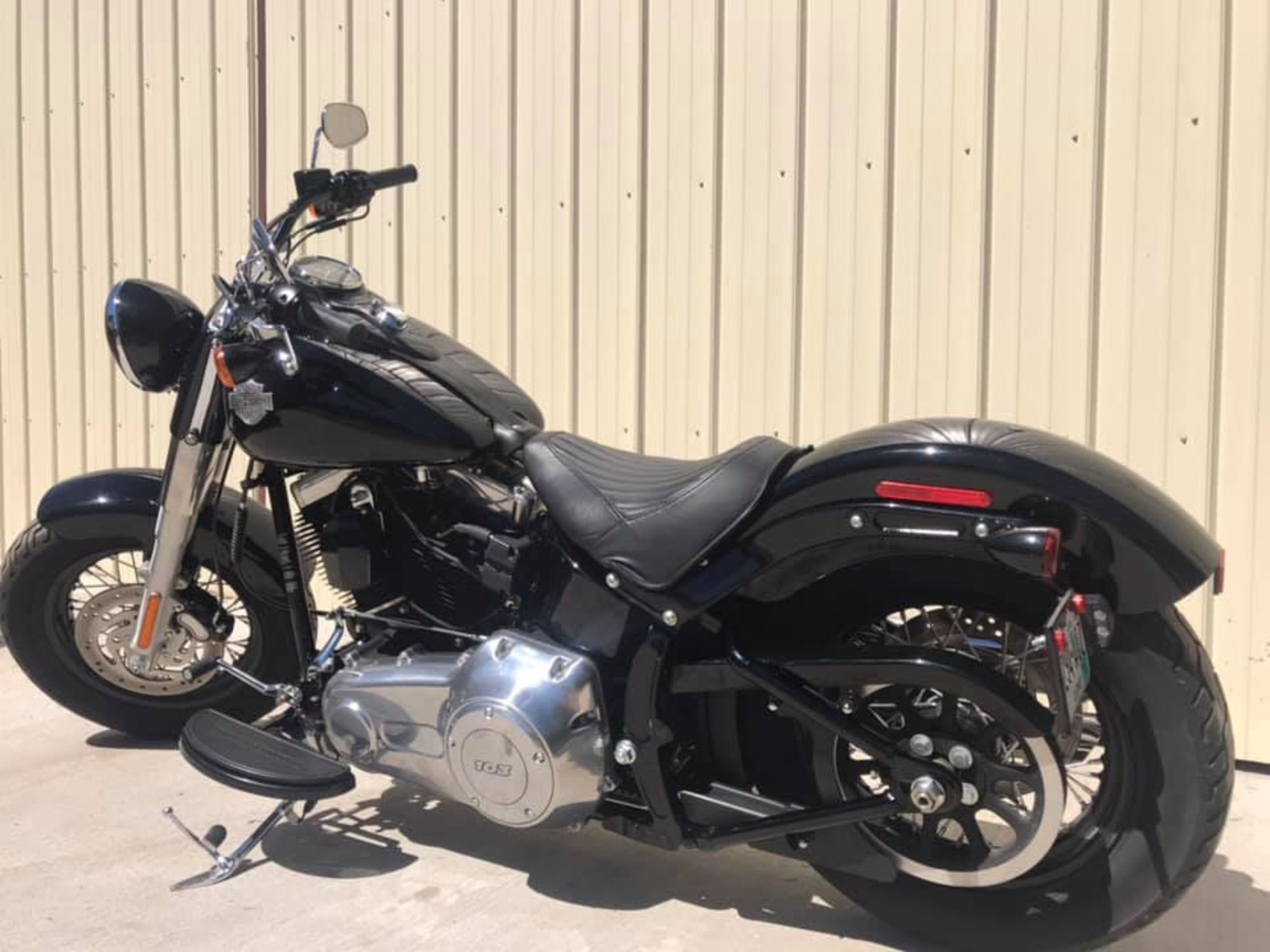
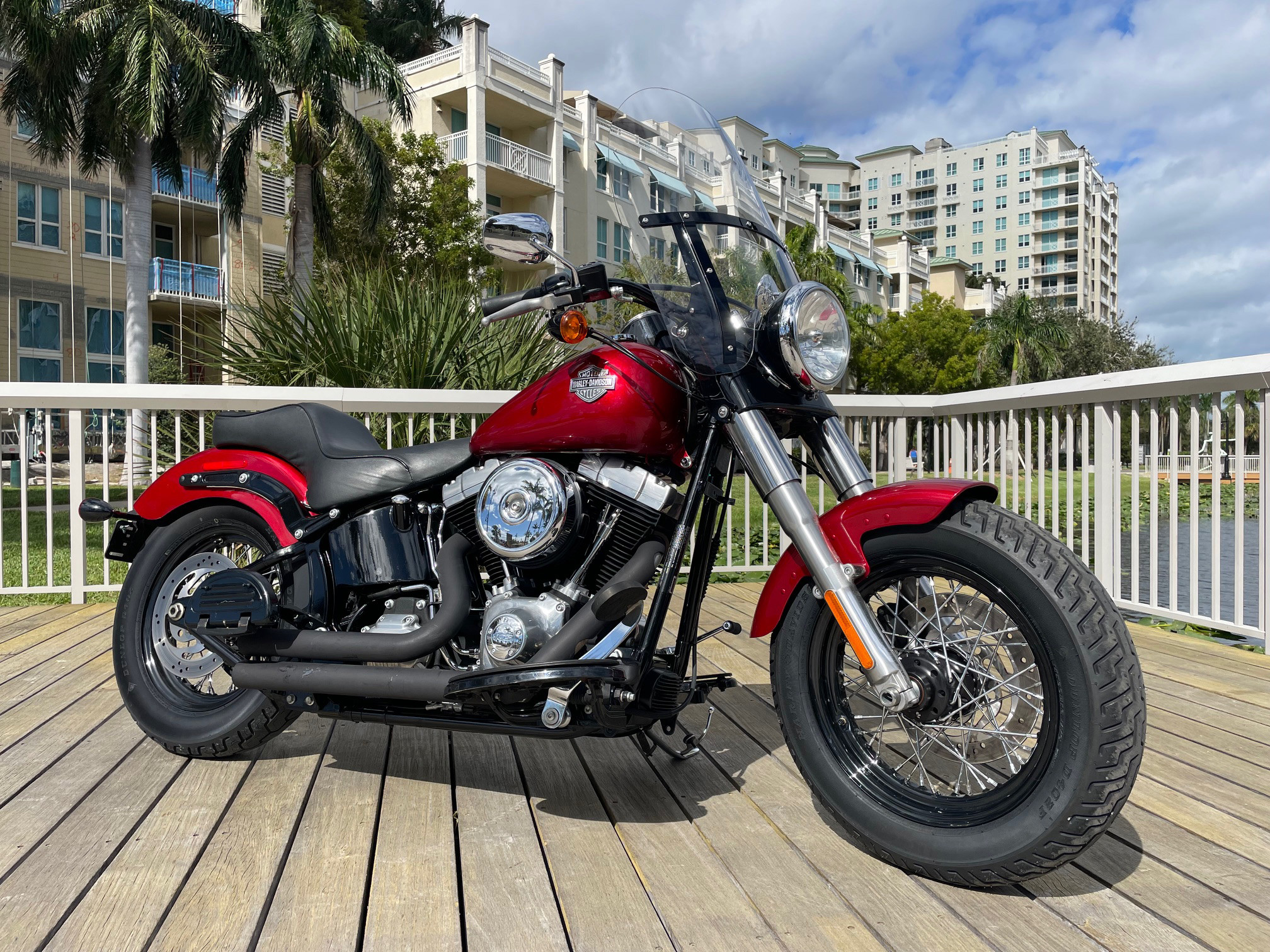
The 2013 Harley-Davidson Softail Slim (FLS) typically achieves an average fuel economy of 42 miles per gallon (mpg). While factory estimates suggest a range between 38 and 48 mpg depending on the environment, real-world consumption is heavily influenced by riding style, modifications like Stage 1 kits, and the maintenance of the Twin Cam 103B engine.
Understanding the Fuel Efficiency of the 2013 Softail Slim
The 2013 Harley-Davidson Softail Slim was designed as a "bobber" style motorcycle, emphasizing a stripped-down aesthetic and a raw riding experience. At its heart lies the Air-cooled, Twin Cam 103B engine. This 1,690cc powerplant is rigid-mounted and counter-balanced to reduce the vibrations typically felt in the Softail chassis. While performance and torque are the primary selling points for this 103-cubic-inch engine, its fuel efficiency remains a critical factor for riders planning long-distance cruises or daily commutes.
As of 2026, many of these motorcycles have been on the road for over a decade. Fuel economy is no longer just a matter of factory specifications; it is a reflection of how well the machine has been maintained and what aftermarket changes have been made. The Electronic Sequential Port Fuel Injection (ESPFI) system used in the 2013 model was a significant step forward in efficiency compared to earlier carbureted models, allowing for precise fuel metering based on throttle position, engine temperature, and atmospheric pressure.
2013 Harley-Davidson Softail Slim Fuel Economy Specifications
To understand the 2013 Softail Slim's efficiency, one must look at the official ratings and compare them to the feedback provided by the riding community over the last 13 years. The following table provides a breakdown of expected fuel performance metrics.
| Metric | Specification/Value |
|---|---|
| Engine Type | Twin Cam 103B (1,690cc) |
| Fuel System | Electronic Sequential Port Fuel Injection (ESPFI) |
| EPA Estimated Combined MPG | 42 mpg |
| City Fuel Economy | ~35–38 mpg |
| Highway Fuel Economy | ~45–48 mpg |
| Fuel Tank Capacity | 5.0 US Gallons (18.9 Liters) |
| Estimated Total Range | 190–220 miles |
| Recommended Fuel Octane | 91 Octane (Premium) or higher |
| Transmission | 6-Speed Cruise Drive |
The Impact of the Twin Cam 103B Engine
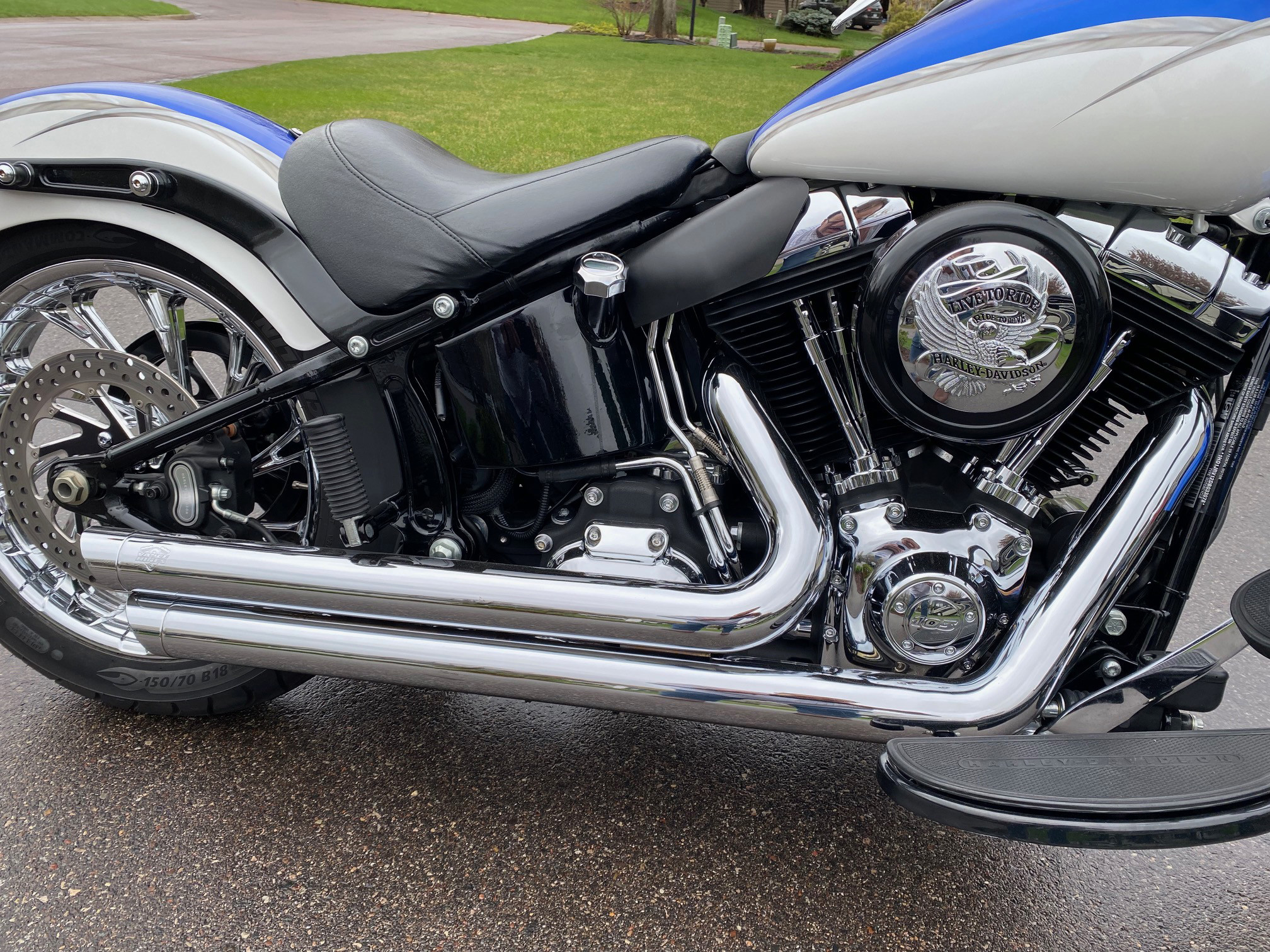
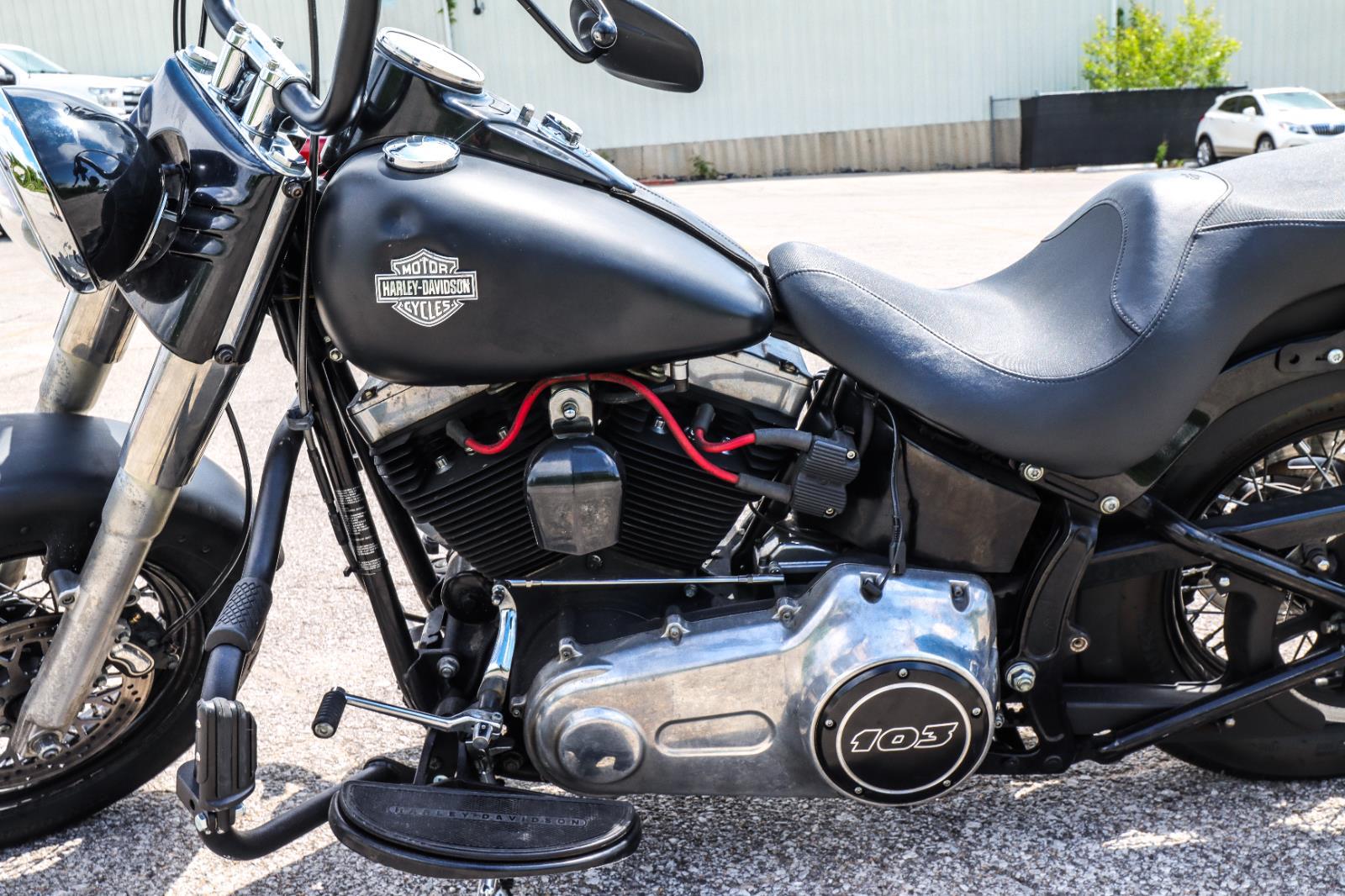
The "B" in the 103B engine stands for "Balanced." Because the Softail frame mounts the engine directly to the frame (rigid mounting) rather than using rubber isolators, internal counter-balancers are used to keep the ride smooth. These balancers do consume a small amount of energy to operate, which technically makes the 103B slightly less efficient than the rubber-mounted 103A engine found in the Touring line. However, the difference is negligible for the average rider, usually manifesting as a 1-2 mpg variance.
The 103B provides a peak torque of approximately 98.7 ft-lb at 3,000 RPM. Staying within this torque "sweet spot" is the key to maximizing fuel economy. If a rider constantly pushes the engine into high RPMs before shifting, the ESPFI system compensates by increasing the fuel-to-air ratio, which significantly lowers the overall mpg.
Primary Factors Influencing Softail Slim Fuel Consumption
The 2013 Softail Slim is a heavy machine, weighing approximately 700 pounds when fueled and ready to ride. This mass requires substantial energy to move from a standstill, which is why city fuel economy is markedly lower than highway performance.
Aerodynamics and Speed
The Softail Slim lacks a windshield or fairing in its stock configuration. This makes the rider a "human sail," creating significant aerodynamic drag at higher speeds. On the highway, there is a "tipping point" for fuel efficiency, usually around 65 mph. When cruising in the 6th gear (Cruise Drive) at 60-65 mph, the engine sits at a low RPM, and wind resistance is manageable, often resulting in 45+ mpg. Once speeds exceed 75 mph, the drag increases exponentially, and the fuel economy can drop back down into the high 30s.
The Role of the 6-Speed Cruise Drive Transmission
The introduction of the 6-speed transmission was a boon for Harley-Davidson's fuel economy figures. The 6th gear is essentially an overdrive. It is designed to lower the engine’s RPM during high-speed travel, which reduces friction and fuel consumption. Riders who fail to utilize the 6th gear on the highway—or who shift into it too early, causing the engine to "lug"—will see a decrease in efficiency. Lugging an engine occurs when the gear is too high for the current speed, forcing the engine to work harder and consume more fuel to maintain momentum.
Fuel Quality and Ethanol Content
In 2026, the prevalence of ethanol in fuel remains a concern for owners of older motorcycles. Most standard fuel in the United States contains up to 10% ethanol (E10). Ethanol has a lower energy density than pure gasoline, typically resulting in a 3% to 4% reduction in fuel economy. For a 2013 Softail Slim, using "Ethanol-Free" premium gasoline can often result in a noticeable increase in both throttle response and mpg, though the higher cost of the fuel may negate the financial savings.
The Effect of Performance Modifications (Stage 1 and Beyond)
It is rare to find a 2013 Softail Slim that has remained in completely stock condition. Most owners perform at least a "Stage 1" upgrade, which includes a high-flow air intake, a less restrictive exhaust system, and an ECU (Engine Control Unit) remap or tuner.
How Exhaust and Intake Changes Alter MPG
A high-flow intake allows the engine to breathe easier, which can improve efficiency in theory. However, modern Harley-Davidsons are tuned from the factory to run "lean" (more air, less fuel) to meet strict EPA emissions standards. When an owner adds a tuner (such as a Vance & Hines Fuelpak or a Dynojet Power Vision), the primary goal is often to make the engine run "richer" (more fuel, less air).
A richer mixture helps the air-cooled engine run cooler and provides better throttle response, but it almost always results in a drop in fuel economy. A Stage 1 Softail Slim may see its average mpg drop from 42 down to 36–38 mpg. While this is a loss in efficiency, many riders consider it a necessary trade-off for engine longevity and performance.
Weight Reduction vs. Custom Accessories
The "Slim" moniker refers to the bike's narrow rear tire and trimmed fenders. By keeping the bike light, Harley-Davidson improved its power-to-weight ratio. However, adding heavy leather saddlebags, engine guards, or a passenger pillion with a sissy bar adds weight. Every 50 pounds of additional weight can marginally decrease fuel efficiency, especially during stop-and-go city riding where the engine must overcome inertia repeatedly.
Real-World Range and Tank Management
The 2013 Softail Slim features a 5.0-gallon fuel tank. For a motorcycle with a 42-mpg average, the mathematical range is 210 miles. However, riders should never rely on the full tank capacity.
Harley-Davidson's fuel sensors are notoriously conservative. On the 2013 FLS, the "Low Fuel" warning light typically illuminates when there is approximately 1.0 to 1.2 gallons of fuel remaining in the tank. This is a safety margin designed to prevent the fuel pump—which is submerged in the fuel to stay cool—from overheating or sucking in debris from the bottom of the tank.
Practical Touring Tip: When the fuel light comes on, you have roughly 35 to 45 miles to find a gas station. Most experienced Softail riders begin looking for fuel at the 150-mile mark to ensure they have an adequate buffer for unexpected detours or headwinds.
Maintenance Practices for Optimal MPG
To maintain or improve the fuel economy of a 2013 Softail Slim in 2026, regular maintenance is non-negotiable. Because the bike is now over a decade old, certain components may be degrading.
- Tire Pressure: This is the most overlooked factor in motorcycle fuel economy. The Softail Slim uses a MT90B16 front and MU85B16 rear tire. If these tires are under-inflated by even 5 PSI, the rolling resistance increases significantly, which can tank your fuel economy by 10%. Always check pressures when the tires are cold.
- Air Filter Cleanliness: A clogged air filter restricts the engine's ability to pull in air, forcing the EFI system to adjust and often resulting in wasted fuel. If you have a washable element (like a K&N), ensure it is cleaned and lightly oiled according to the manufacturer’s schedule.
- Spark Plug Condition: Fouled or worn spark plugs lead to incomplete combustion. The Twin Cam 103B requires clean, properly gapped plugs to ensure every drop of fuel is ignited efficiently.
- Fuel System Cleaners: Over time, carbon deposits can build up on the fuel injectors. Using a high-quality fuel system cleaner once every few thousand miles can help maintain the "mist" spray pattern necessary for efficient combustion.
- Drivetrain Alignment and Belt Tension: A drive belt that is too tight creates parasitic drag on the engine. Conversely, a belt that is too loose can cause issues with power delivery. Ensure the rear wheel is aligned and the belt tension is within the factory specification of 1/4" to 5/16" deflection.
Comparing the 2013 Slim to Other Softail Models
In 2013, the Softail lineup was diverse, including the Fat Boy, the Heritage Softail Classic, and the Blackline. While they all shared the Twin Cam 103B engine, their fuel economies varied slightly based on their "dress."
- Softail Slim (FLS): Generally the most efficient due to its lack of heavy accessories and narrower profile.
- Heritage Softail Classic: Often sees 2-3 mpg less than the Slim because of its large windshield, heavy studded saddlebags, and additional lighting.
- Fat Boy Lo: Similar to the Slim, but its solid disc wheels can be more susceptible to crosswinds, occasionally affecting highway efficiency.
The Slim remains a favorite for those who want the power of the 103 engine without the bulk of a full touring rig, making it one of the more "economical" choices in the Big Twin category.
Frequently Asked Questions
Does using 87 octane fuel hurt the 2013 Softail Slim's fuel economy?
Yes. The Twin Cam 103B has a compression ratio of 9.6:1, which requires higher-octane fuel to prevent pre-detonation (knocking). When the engine's knock sensors detect lower-quality fuel, the ECM retards the ignition timing to protect the engine. This results in less power and lower fuel efficiency. Always use 91 octane or higher for the best results.
Why is my fuel light coming on after only 120 miles?
This is usually due to the "reserve" margin set by Harley-Davidson. If you are averaging 35 mpg (common in city riding), you will have used about 3.4 gallons after 120 miles. Since the light comes on with about 1.2 gallons left, the math aligns. It does not mean you are out of gas, but rather that you have entered your safety buffer.
Can a "Dyno Tune" improve my fuel economy?
A professional Dyno tune can improve fuel economy if the technician focuses on the "cruise" cells of the fuel map. By optimizing the air-fuel ratio specifically for the speeds and RPMs you use most often on the highway, a tuner can sometimes squeeze an extra 2-4 mpg out of the bike while still maintaining power for acceleration.
How much does a passenger affect the Slim's mpg?
Adding a passenger typically adds 120–200 pounds to the bike. You can expect a 10% to 15% decrease in fuel economy during city riding due to the extra energy required for frequent starts. On the highway, the impact is less dramatic, usually around 5%.
Does the age of the 2013 model affect its fuel efficiency in 2026?
Age itself doesn't inherently lower MPG, but the wear of components does. Worn fuel injectors, vacuum leaks in the intake manifold, or tired O2 sensors can cause the engine to run less efficiently. If your MPG has dropped suddenly, check for these "age-related" mechanical issues.
Final Recommendation for Owners
To get the most out of your 2013 Harley-Davidson Softail Slim's fuel tank, focus on the "Cruise Drive" philosophy. Keep your highway speeds between 60 and 70 mph, ensure your tires are inflated to the upper end of the manufacturer's recommendation, and stick to high-quality premium fuel. If you have modified your bike with a Stage 1 kit, consider a professional tune to balance your desire for performance with the necessity of fuel efficiency. By following these guidelines, you can reliably achieve the 42-mpg benchmark and enjoy a range of nearly 200 miles per fill-up.