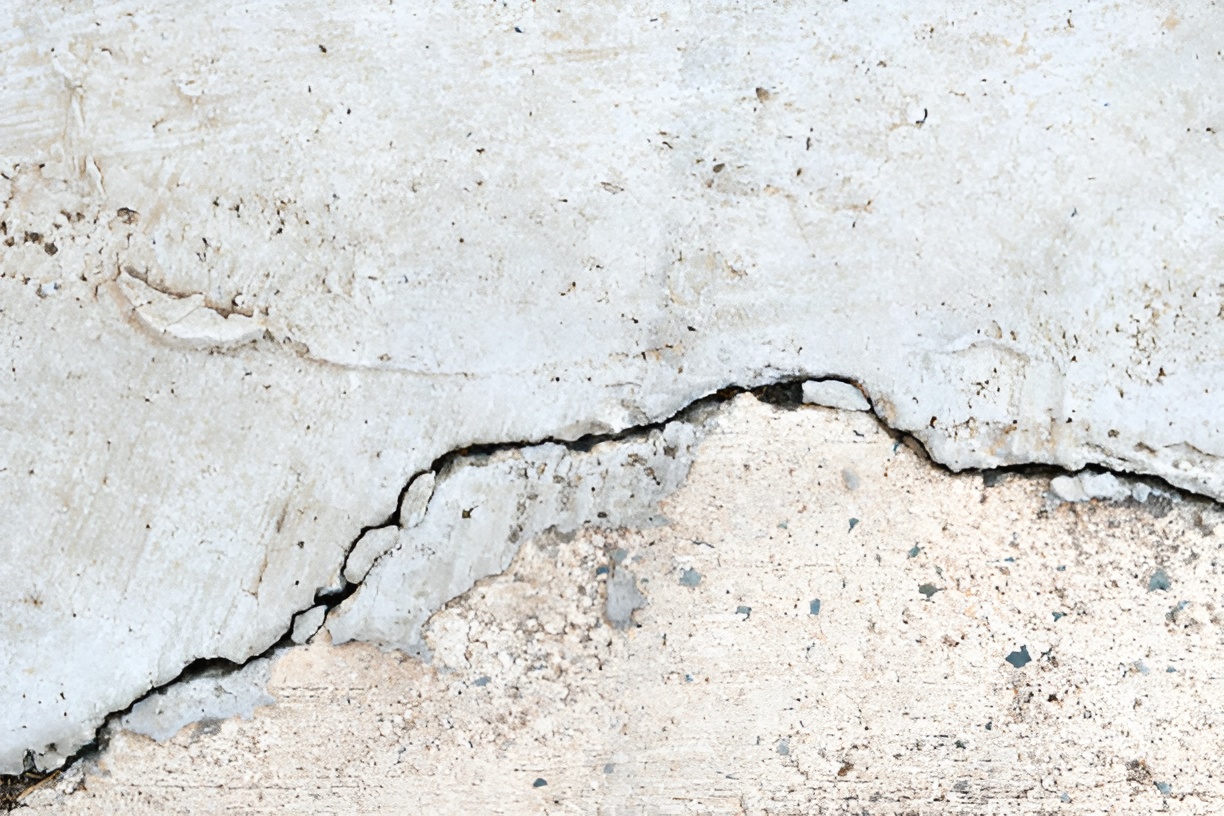
A small crack in a basement wall, typically defined as being less than 1/16th of an inch wide, is usually the result of natural concrete shrinkage or minor foundation settling. While most small vertical or diagonal cracks are not immediate structural threats, they require monitoring for water seepage and growth to prevent long-term damage.
Discovering a fissure in your home’s foundation is a common source of anxiety for homeowners. However, concrete is an inherently brittle material that is prone to cracking under various environmental and physical stressors. In 2026, with shifting climate patterns leading to more volatile soil moisture levels, understanding the nuances of foundation health is more critical than ever. Not all cracks are created equal; some are merely cosmetic "growing pains" of a house, while others serve as early warning signs of significant structural distress.
Identifying the Type and Severity of Basement Cracks
To determine the appropriate course of action, you must first categorize the crack based on its direction, width, and behavior. The orientation of a crack provides the most significant clue regarding the forces acting upon the foundation.
Vertical Cracks (The Most Common)
Vertical cracks are frequently found in poured concrete foundations. They usually run straight up and down or slightly diagonally (within 30 degrees of vertical). These are often "shrinkage cracks" that occur as the concrete cures and loses moisture during the first few years after construction.
In many cases, a small vertical crack is not a structural issue. However, because these cracks go through the entire thickness of the wall, they can become conduits for groundwater. If you notice dampness or white, powdery residue (efflorescence) around the crack, it indicates that water is migrating through the wall.
Diagonal Cracks
Diagonal cracks often manifest as "stair-step" patterns in block or brick foundations, or as slanted lines in poured concrete. These usually indicate differential settlement—meaning one part of the foundation is sinking faster than the rest.
If the crack is wider at the top than the bottom, it suggests the foundation is "dropping" at one end. While a small diagonal crack may remain dormant for years, any increase in width over a six-month period warrants a professional evaluation to ensure the settlement has stabilized.
Horizontal Cracks (The Red Flag)
Horizontal cracks are significantly more concerning than vertical or diagonal ones. These cracks typically occur midway up the wall and are caused by hydrostatic pressure—the force of water-saturated soil pushing against the foundation.
In 2026, many regions have seen increased hydrostatic pressure due to heavier-than-normal seasonal rainfall. A horizontal crack suggests that the wall is bowing inward and may eventually fail. Even a "small" horizontal crack should be inspected by a structural engineer immediately, as these rarely remain small and often lead to costly wall reinforcement projects.
Common Causes of Foundation Fissures
Understanding why a crack formed is the first step in preventing it from returning after a repair. Several factors contribute to foundation movement.
Concrete Curing and Shrinkage
During the initial construction phase, concrete undergoes a chemical process that involves the evaporation of excess water. As the water leaves, the concrete volume decreases slightly. This shrinkage creates internal tension that is relieved through small cracks. These are generally stable once the house is a few years old.
Soil Hydration and Hydrostatic Pressure
The soil surrounding your home acts like a sponge. In 2026, environmental shifts have made "expansive clays" a major topic for homeowners. When clay soils get wet, they expand and exert massive pressure on basement walls. When they dry out, they shrink, leaving gaps that can cause the foundation to shift. This cycle of expansion and contraction is a primary driver of diagonal and horizontal cracking.
Poor Water Management
The most frequent culprit behind a small crack in a basement wall is actually located above ground: the gutter and downspout system. If gutters are clogged or downspouts discharge water directly at the base of the foundation, the soil becomes oversaturated. This localized saturation increases pressure on the wall and can even wash away the soil supporting the footing, leading to settlement.
Assessing Damage: The "When to Worry" Checklist
Before investing in expensive repairs, homeowners can perform a basic assessment. Use the following criteria to evaluate the risk level of a small crack:
- Width: Use a crack gauge or a simple ruler. Cracks under 1/16 of an inch (about the thickness of a nickel) are usually non-structural. Cracks exceeding 1/4 of an inch require professional intervention.
- Moisture: Is the crack dry, or is there active seepage? Even a small crack can lead to mold and mildew if it allows water into the basement.
- Progression: Mark the ends of the crack with a pencil and write the date. Check it every month. If the crack extends past your marks or grows wider, it is "active" and needs structural stabilization.
- Alignment: Run your hand across the crack. Are both sides of the crack flush, or has one side shifted forward? Offsets (heaving) indicate significant structural movement.
| Crack Profile | Typical Cause | Severity | Recommended Action |
|---|---|---|---|
| Vertical (< 1/16") | Concrete Shrinkage | Low | Seal with epoxy or polyurethane |
| Diagonal (< 1/16") | Minor Settlement | Low/Moderate | Monitor for 6 months; seal if stable |
| Horizontal (Any size) | Hydrostatic Pressure | High | Consult Structural Engineer |
| Stair-step (Masonry) | Soil Heave/Settling | Moderate/High | Inspect footing and drainage |
| Multiple Cracks | Multiple stressors | High | Professional Foundation Audit |
Repair Solutions for Small Basement Cracks
In 2026, repair technologies have advanced to provide long-lasting, flexible solutions that can be applied from the interior, avoiding the need for expensive excavation.
Epoxy Injection
For structural cracks that are no longer moving, epoxy injection is the preferred method. Epoxy is an incredibly strong adhesive that, once cured, can be even stronger than the concrete itself. The process involves installing "injection ports" along the crack, sealing the surface, and pumping the resin into the fissure until it is completely filled from front to back.
Polyurethane Foam Injection
If the primary goal is to stop water seepage in a non-structural crack, polyurethane foam is the superior choice. Unlike rigid epoxy, polyurethane remains flexible after it expands and cures. This allows it to move slightly with the wall during thermal expansion or minor soil shifts without breaking the seal. According to the American Society of Civil Engineers (ASCE), managing moisture is the most critical factor in long-term foundation preservation.
Hydraulic Cement
Hydraulic cement is a traditional DIY fix that expands as it sets. While it is effective for a quick, temporary plug for active leaks, it does not bond as well as resins and can eventually work loose if the wall continues to shift. It is generally considered a "bandage" rather than a permanent solution for foundation integrity.
Estimated Costs for 2026
Repair costs vary based on the method chosen and the accessibility of the crack. As of early 2026, the following price ranges are standard in the United States:
- DIY Injection Kits: High-quality epoxy or polyurethane kits designed for homeowners cost between $150 and $350. These are suitable for small, stable vertical cracks.
- Professional Injection: For a single crack, professional contractors typically charge between $600 and $1,200. This often includes a warranty (typically 10–20 years) against future leaks.
- Structural Engineering Consultation: If you suspect a structural issue, a licensed engineer’s report currently costs between $500 and $900. This is an essential investment to avoid unnecessary or incorrect repairs.
- Exterior Waterproofing: If the wall requires excavation to seal the crack from the outside, costs can escalate to $100–$250 per linear foot.
Preventive Measures to Protect Your Foundation
The best way to handle a small crack in a basement wall is to prevent it from worsening. Foundation maintenance is largely a matter of managing the water around your home.
- Gutter Maintenance: Ensure gutters are cleaned twice a year. Overflowing gutters dump gallons of water directly onto your foundation.
- Downspout Extensions: Downspouts should discharge water at least 5 to 10 feet away from the foundation. In 2026, underground "pop-up" emitters have become a popular aesthetic and functional choice for this.
- Soil Grading: The ground should slope away from the house at a rate of 6 inches for every 10 feet. This "positive grading" prevents water from pooling against the basement walls.
- Interior Dehumidification: High humidity in a basement can actually accelerate the degradation of concrete and the corrosion of reinforcing rebar. Maintaining a humidity level below 50% is recommended by the Environmental Protection Agency (EPA).
Frequently Asked Questions
Is a 1/8 inch crack in a basement wall serious?
A 1/8 inch crack is on the borderline between "minor" and "concerning." While it may not represent an immediate collapse risk, it is wide enough to allow significant water infiltration and pests. It should be evaluated by a professional or at least monitored very closely for any increase in width.
Can I just paint over a small crack to seal it?
No. Standard basement paint or "waterproofing" coatings are surface-level treatments. They cannot withstand the hydrostatic pressure of water pushing through a crack from the outside. The paint will eventually bubble and peel, leaving the crack exposed again.
Does homeowners insurance cover basement crack repairs?
Generally, standard homeowners insurance policies do not cover foundation cracks caused by normal settling, earth movement, or wear and tear. Coverage typically only applies if the damage was caused by a "covered peril," such as a sudden pipe burst or a vehicle hitting the house. Review your specific policy or consult your agent for 2026 coverage updates.
Will a small crack affect the resale value of my home?
Yes, it can. Prospective buyers and home inspectors are trained to look for foundation issues. Even if a crack is non-structural, its presence can cause "buyer's cold feet" or lead to requests for significant price concessions. Repairing and documenting the fix with a warranty is the best way to protect your home's value.
How long does a professional crack repair take?
A standard injection repair for a small crack in a basement wall typically takes about 2 to 4 hours. The area is cleaned, ports are set, and the resin is injected. Most resins reach full strength within 24 hours, allowing you to finish or paint the wall shortly thereafter.
Final Recommendation
If you find a small crack in your basement wall, do not panic, but do not ignore it. The most cost-effective path is to measure and monitor the crack for 30 days. If the crack remains dry and does not grow, a DIY polyurethane injection kit is a viable solution for 2026 homeowners looking to prevent future leaks. However, if you notice any horizontal orientation, widening beyond 1/4 inch, or significant water flow, contact a licensed structural engineer immediately to ensure the long-term safety of your home.