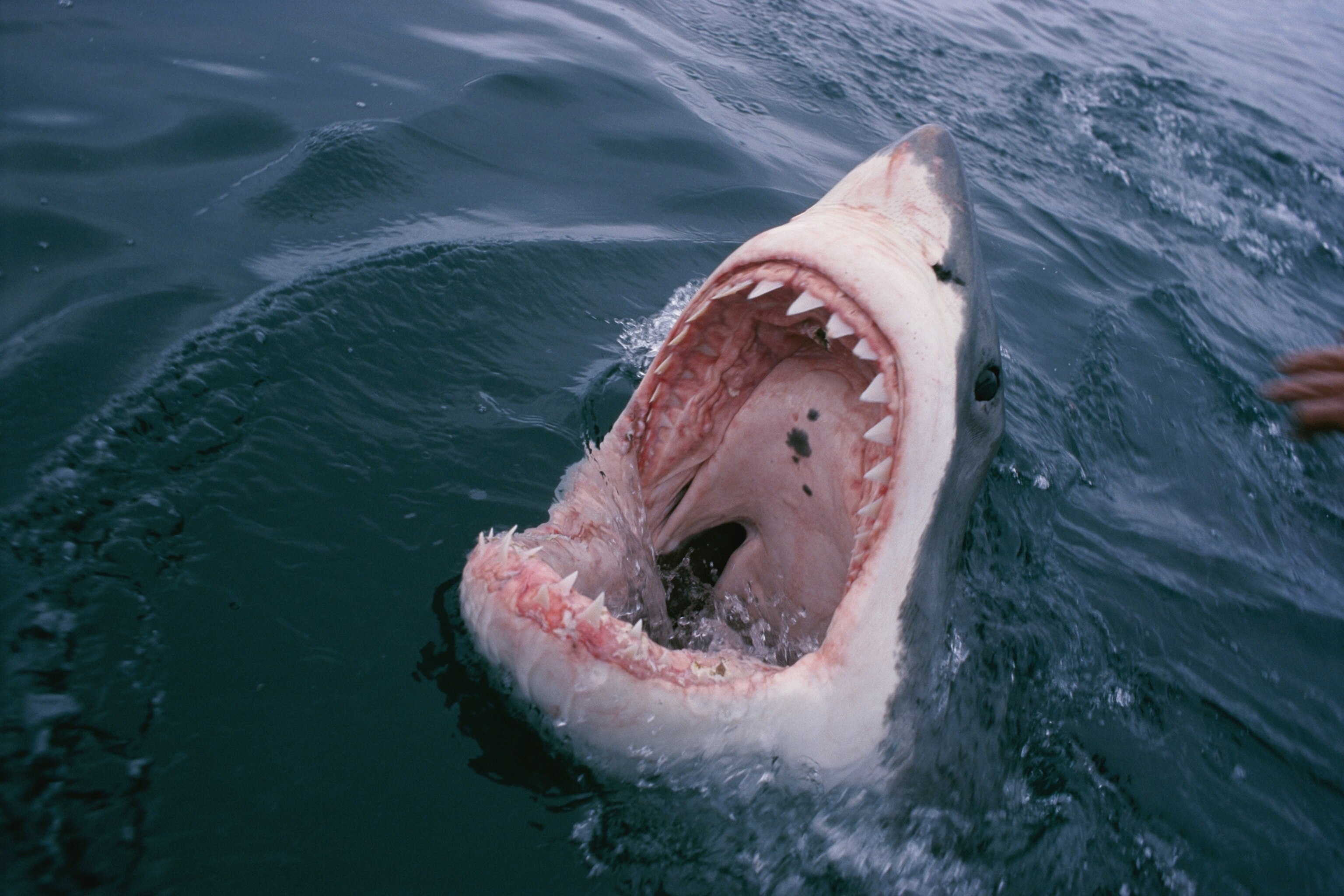
Great white shark attack survivors are generally safe from immediate predatory threats once they leave the water, but "safety" is a multifaceted concept. True safety for a survivor involves successful management of secondary infections, long-term physical rehabilitation for tissue and nerve damage, and specialized treatment for Post-Traumatic Stress Disorder (PTSD).
The survival of a Great White (Carcharodon carcharias) encounter is a rare statistical event, often resulting in life-altering changes. While the public focus is frequently on the dramatic nature of the rescue, the actual journey toward being "safe" begins long after the stitches are in place. In 2026, the medical community views shark attack recovery through a holistic lens that balances surgical success with psychological resilience and environmental reintegration. To understand if a survivor is truly safe, one must examine the physiological, pathological, and mental hurdles that persist years after the initial incident.
The Immediate Pathological Risks: Beyond the Bite
When a Great White shark strikes, the primary concern is exsanguination (bleeding out). However, once a victim reaches a level-one trauma center and is stabilized, the definition of safety shifts toward microbiology. The mouth of a Great White is a complex ecosystem of bacteria, many of which are uniquely adapted to marine environments and highly resistant to standard terrestrial antibiotics.
Marine Bacteria and Sepsis
A survivor is not biologically "safe" until the risk of necrotizing fasciitis or systemic sepsis is mitigated. Research into shark oral flora has identified various pathogens, including Vibrio carchariae and Vibrio vulnificus. These bacteria can cause rapid tissue death and are often missed by broad-spectrum antibiotics used in standard emergency rooms.
In 2026, trauma protocols for shark bites specifically include immediate culturing of the wound for marine-specific pathogens. Survivors must often undergo aggressive debridement—the surgical removal of dead or infected tissue—to ensure that no microscopic remnants of the shark’s oral microbiome remain. Until the wound bed is verified as sterile, the survivor remains at high risk for secondary complications that can lead to limb loss even if the initial bite did not sever the extremity.
Antibiotic Resistance in the Ocean
There is an increasing concern regarding antibiotic-resistant bacteria found in apex predators. Due to runoff and environmental changes, sharks often carry bacteria that have been exposed to various chemicals. For a survivor, this means that a "minor" bite can become a major life-threatening event if the infection does not respond to conventional IV treatments. True safety in this context requires specialized infectious disease consultation.
Physical Safety: Reconstructing the Human Frame
The Great White shark possesses a bite force that can exceed 1.8 tonnes. This force does more than just cut; it crushes bone and avulses large sections of muscle and fascia. A survivor’s physical safety is often compromised by the long-term instability of the musculoskeletal system.
Nerve Regeneration and Chronic Pain
Many survivors struggle with "phantom limb" sensations (if an amputation occurred) or chronic neuropathic pain. When nerves are severed by the serrated teeth of a Great White, they do not always heal cleanly. Neuromas—disorganized growths of nerve tissue—can form at the site of the injury, leading to debilitating pain.
Safety, in a functional sense, involves the survivor being able to navigate their environment without the risk of collapse or further injury due to nerve failure. In 2026, advanced neuro-mapping and synthetic nerve conduits are used to help survivors regain sensation, but the process is slow and often takes years.
Structural Integrity and Grafting
Large-scale tissue loss requires skin and muscle grafts. These grafts are delicate and can be prone to "failure" years later if the vascular supply is not robust. A survivor might be "safe" from the shark, but they face a lifetime of monitoring their skin integrity. Physical therapy is not a temporary phase for these individuals; it is a permanent requirement to maintain the range of motion and prevent the contraction of scar tissue that could lead to secondary skeletal deformities.
The Psychological Safety Net: Addressing PTSD
Perhaps the most significant threat to a survivor’s safety is the "invisible wound." The trauma of being hunted or struck by an apex predator creates a unique psychological profile. Unlike car accidents or domestic falls, a shark attack involves a sentient, powerful "other" that triggers primal fears.
The "Jaws" Effect and Acute Stress
The psychological safety of a survivor is often undermined by societal fascination. Constant media requests, the "Jaws" stigma, and the repetitive retelling of the event can trap a survivor in a cycle of acute stress. True safety is only achieved when the survivor can process the event through evidence-based therapies like EMDR (Eye Movement Desensitization and Reprocessing).
Re-entry and the Surfer’s Paradox
A surprising number of survivors eventually return to the water. This is often part of a "safety" protocol to reclaim their lives and overcome phobias. However, this re-entry must be managed carefully. Fear-induced panic in the water can lead to drowning or other accidents, making the survivor "unsafe" due to their own physiological response to the environment.
Statistical Safety: Are They Targets for a Second Attack?
A common question among survivors and their families is whether they are "marked" or more likely to be attacked again. There is no biological evidence to suggest that a shark attack survivor emits any unique chemical or electrical signal that would attract another shark.
In fact, shark attacks are almost always cases of mistaken identity or "test biting." Once a Great White realizes a human is not a high-fat seal or sea lion, it often releases. The statistical probability of a single individual being attacked twice by a Great White shark is so low that it is effectively zero in the global database. Therefore, in terms of predatory "targeting," a survivor is as safe as any other person in the water—which is to say, incredibly safe.
Comparison of Recovery Phases for Shark Attack Survivors
The following table outlines the timeline of "safety" and the primary concerns survivors face at different intervals post-incident.
| Phase | Timeframe | Primary Threat to Safety | Key Recovery Goal |
|---|---|---|---|
| Acute | 0–72 Hours | Hypovolemic shock, Sepsis | Hemostasis and stabilization |
| Sub-Acute | 1–4 Weeks | Marine-borne infections | Wound closure and debridement |
| Rehabilitative | 2–12 Months | Muscle atrophy, Nerve pain | Restoring mobility and function |
| Long-Term | 1–5 Years+ | PTSD, Graft failure | Psychological integration |
Modern Safety Technology for Survivors (2026 Standards)
As we move through 2026, technology has provided new layers of safety for those who choose to return to the ocean after an attack. These tools do not just provide physical protection; they offer the "psychological safety" required to enjoy the water again.
- Electronic Shark Deterrents: Personal devices that emit an electromagnetic field designed to overstimulate a shark’s Ampullae of Lorenzini (sensory organs). These are now standard equipment for many survivor-surfers.
- Shark-Deterrent Apparel: Wetsuits designed with specific patterns (cryptic or disruptive coloration) that make the wearer less likely to be mistaken for a seal.
- Real-Time Detection Apps: In 2026, many beaches utilize AI-driven drone surveillance and acoustic tagging to alert swimmers of Great White presence in real-time.
The Role of Advocacy in Emotional Safety
For many survivors, the path to feeling "safe" involves shark conservation and advocacy. This is known as "post-traumatic growth." By learning about the behavior of Great Whites and working to protect them, survivors often replace their fear with understanding. This shift from victim to advocate is a powerful tool for emotional safety, as it removes the "monster" narrative that fuels nightmares and anxiety.
Organizations like "Bite Club" (a support group for shark attack survivors) play a crucial role. Being around others who have experienced the same rare trauma provides a sense of community safety that cannot be replicated by clinical therapy alone.
Frequently Asked Questions
Can shark DNA or bacteria stay in a survivor's body forever?
While shark DNA does not integrate into the survivor, the bacteria from a shark’s mouth can cause latent infections. In some cases, bacteria can form "biofilms" on surgical implants (like plates or screws used to fix bones), which may require treatment years later. However, with modern 2026 medical protocols, these instances are increasingly rare.
Do Great Whites ever "finish the job" if a survivor returns to the water?
No. There is no documented case of a Great White shark "hunting" a specific human survivor. Sharks do not have the cognitive capacity for vendettas. Any subsequent encounter would be a completely independent, random event.
What is the most common long-term health issue for survivors?
Chronic nerve pain and PTSD are the two most common long-term issues. While physical wounds eventually scar over, the damage to the nervous system and the psychological impact require the longest "safety" management.
Is the water safer for survivors now than it was 10 years ago?
Yes, but not because of the sharks. The water is safer due to advancements in bleeding control (like modern hemostatic dressings), better emergency response times, and the widespread use of drone-based shark spotting technology that was perfected leading into 2026.
How does "safety" change for child survivors?
Child survivors face additional challenges because their bodies are still growing. Surgical grafts and repaired limbs must be adjusted as the skeleton matures. Their psychological safety also requires specialized pediatric trauma care to ensure the event does not negatively impact their developmental milestones.
Final Recommendations for Continued Safety
For a Great White shark attack survivor to remain "safe" in the long term, a multi-pillar approach is required:
- Medical Vigilance: Maintain an ongoing relationship with an infectious disease specialist and a physical therapist familiar with high-impact trauma.
- Mental Health Maintenance: Engage in trauma-informed therapy, even if symptoms of PTSD are not immediately apparent, as they can surface years later.
- Environmental Awareness: If returning to the ocean, use the latest 2026 deterrent technologies and stay informed via local shark-tracking networks.
- Community Connection: Join survivor networks to mitigate the isolation that often follows such a rare and publicized event.
By addressing the physical, pathological, and psychological facets of the experience, survivors can move beyond the "attack" and live lives that are not defined by the encounter, but by their successful recovery from it.