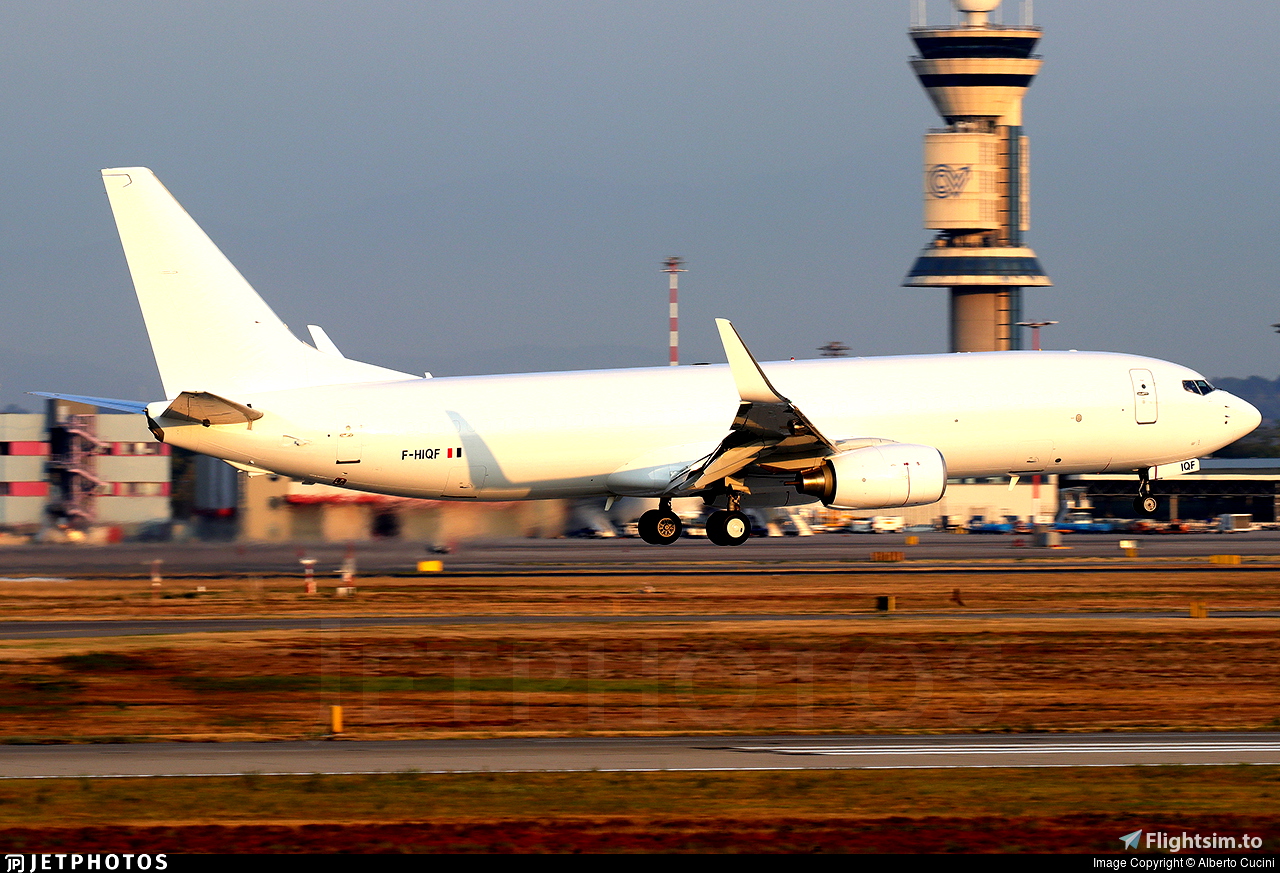
ASL Airlines France operates as a vital link in the European supply chain, specializing in scheduled and ad-hoc cargo transport, express freight services, and specialized passenger charter operations. Headquartered at Charles de Gaulle Airport, the airline leverages a versatile fleet of Boeing aircraft to connect major European trade hubs while providing essential ACMI and wet-lease capabilities to global logistics providers.
Evolution and Corporate Identity of the French Carrier
Understanding the operational footprint of ASL Airlines France the french cargo carrier requires looking at its lineage within the broader European aviation ecosystem. Originally established under different corporate structures and brand names—most notably as Europe Airpost, which itself evolved from the historical French freight and mail operator L'Aéropostale legacy—the airline underwent strategic rebranding after being integrated into the international ASL Aviation Holdings group. This corporate transition allowed the carrier to pivot its core focus heavily toward dedicated cargo operations and specialized aviation services.
The corporate identity of the airline is built on reliability, operational precision, and agility. Unlike major passenger-centric legacy carriers that utilize belly-hold capacity for cargo, ASL Airlines France operates dedicated freighter aircraft. This model ensures that industrial clients, postal services, and express freight forwarders have absolute control over flight schedules, payload capacities, and route planning. The airline maintains deep operational ties with French regulatory bodies, including the Directorate General for Civil Aviation (DGCA / Direction générale de l'Aviation civile), ensuring strict adherence to European aviation safety standards and environmental regulations.
Fleet Composition and Technical Specifications
The operational backbone of ASL Airlines France consists entirely of narrowbody and medium-widebody aircraft configured specifically for cargo and charter deployment. Utilizing a standardized fleet allows the carrier to optimize maintenance protocols, crew training, and turnaround times across its primary operational bases.
The fleet primarily features variants of the Boeing 737 family, which are renowned in the air cargo industry for their versatility, reliability, and capability to service both major international hubs and smaller regional airports with restricted runway lengths.
Fleet Overview and Operational Roles
| Aircraft Model | Primary Role | Payload Capacity (approx.) | Range Capabilities |
|---|---|---|---|
| Boeing 737-400SF | Express Freight & Regional Cargo | Up to ~20 metric tons | Medium-haul (intra-European routes) |
| Boeing 737-800BCF | Next-Gen Conversion Freighter | Up to ~23.9 metric tons | Medium to long-haul regional routes |
The introduction of Boeing 737-800 Boeing Converted Freighters (BCF) represents a significant technological upgrade for the carrier. These next-generation freighters offer improved fuel efficiency, reduced noise footprints, and advanced digital flight deck avionics compared to older legacy types. Main-deck cargo loading systems allow for the accommodation of standard industry pallets and containers, streamlining the transfer of goods from ground logistics networks directly into the aircraft.
Core Services: Express Freight, Mail, and ACMI
ASL Airlines France structures its business model around three primary pillars: dedicated scheduled cargo services, major postal network contracts, and ACMI (Aircraft, Crew, Maintenance, and Insurance) leasing for third-party carriers.
1. Postal and Express Freight Networks
The historical roots of the airline are deeply intertwined with overnight mail delivery across France and Europe. Today, ASL Airlines France partners with major postal administrations and global integrators (such as DHL, FedEx, and UPS) to transport time-sensitive correspondence and parcels. These operations typically run on strict nighttime schedules, departing major European hubs late in the evening and arriving at destination airports before the start of the standard business day.
2. ACMI and Wet-Lease Solutions
In addition to operating under its own flight numbers, ASL Airlines France frequently acts as a white-label capacity provider for other airlines and logistics giants. Through ACMI agreements, the carrier supplies fully operational aircraft, certified flight and cabin crews, comprehensive maintenance coverage, and insurance protection. This service allows client airlines to scale their cargo capacity rapidly during peak seasonal rushes, cover unexpected fleet groundings, or test new freight routes without making capital investments in aircraft ownership.
3. Specialized Passenger Charters
While the dominant focus remains on freight, ASL Airlines France maintains the operational flexibility to perform passenger charter flights. These missions often serve corporate clients, tour operators, sports teams, and government agencies requiring bespoke travel arrangements outside of standard commercial scheduling constraints.
Operational Hubs and Network Connectivity
The strategic positioning of operational bases is crucial for an air cargo carrier operating within the densely congested European airspace. The primary operational hub for ASL Airlines France is Paris-Charles de Gaulle Airport (CDG), one of Europe's largest cargo gateways.
Operating out of CDG provides the airline with immediate access to advanced multimodal logistics infrastructure, including direct connections to high-speed rail networks and major continental motorways.
Secondary operational nodes across France and Europe enable the carrier to position aircraft efficiently to meet fluctuating demand. Flight operations are managed through sophisticated dispatch and flight-tracking centers that monitor weather patterns, air traffic control restrictions, and airport slot allocations in real time. This ensures high schedule integrity, which is essential for meeting the strict service-level agreements demanded by modern supply chain managers.
Regulatory Compliance, Safety, and Maintenance Standards
Operating a commercial cargo airline requires uncompromising adherence to international aviation law. ASL Airlines France functions under the oversight of the European Union Aviation Safety Agency (EASA) and French civil aviation authorities.
Safety Management Systems (SMS)
The airline implements a robust Safety Management Systems framework. This proactive approach encourages all personnel—from maintenance engineers to flight crew—to report potential hazards, near-misses, and operational anomalies without fear of punitive action. Continuous risk assessments and safety audits ensure that operational procedures evolve alongside changing regulatory mandates.
Maintenance and Airworthiness
Maintenance is a critical component of freighter operations, as cargo aircraft often endure rigorous cycle profiles (frequent takeoffs and landings). ASL Airlines France utilizes certified maintenance repair organizations (MROs) to perform routine checks, heavy structural inspections, and engine overhauls. Compliance with Continuing Airworthiness Management Organisation (CAMO) standards guarantees that every aircraft in the fleet meets strict legal requirements before being cleared for flight.
Environmental Initiatives and Sustainable Aviation
The global aviation sector faces increasing pressure to reduce its carbon footprint, and cargo carriers are no exception. ASL Airlines France participates in corporate and industry-wide initiatives aimed at mitigating environmental impact through several key strategies:
- Fleet Modernization: Phasing out older, higher-emission aircraft in favor of modernized conversions like the Boeing 737-800BCF, which delivers superior fuel efficiency per ton-kilometer.
- Flight Optimization: Implementing advanced navigation techniques, continuous descent operations (CDO), and optimized routing to minimize fuel burn and greenhouse gas emissions.
- Ground Operations Efficiency: Utilizing electric or hybrid ground support equipment at hub airports to reduce emissions during aircraft turnaround.
Common Challenges in European Air Cargo Operations
Running a specialized cargo airline within the European market involves navigating several structural and operational hurdles:
- Air Traffic Management Congestion: European skies experience high levels of congestion, leading to potential slot delays and rerouting requirements that can impact tight express freight schedules.
- Fuel Price Volatility: Jet fuel represents one of the largest variable costs for any airline, requiring sophisticated hedging strategies and fuel surcharges to maintain financial stability.
- Regulatory Compliance Costs: Adapting to evolving European environmental taxes, noise abatement curbed hours at major hubs, and shifting labor laws requires significant administrative and financial investment.
Frequently Asked Questions
What type of aircraft does ASL Airlines France operate?
ASL Airlines France operates an all-Boeing fleet consisting primarily of Boeing 737-400SF and Boeing 737-800BCF freighter aircraft, optimized for short- and medium-haul cargo and express freight transport across Europe.
Is ASL Airlines France owned by a larger aviation group?
Yes, the airline is a subsidiary of ASL Aviation Holdings, an international aviation group headquartered in Dublin, Ireland, which encompasses multiple cargo and passenger airlines operating globally.
Does ASL Airlines France carry regular commercial passengers?
While the carrier's primary business focus is dedicated freight and cargo transport, it also retains the capability to operate specialized passenger charter flights for corporate, institutional, and tour operator clients.
Where is ASL Airlines France headquartered?
The airline is headquartered at Paris-Charles de Gaulle Airport (CDG) in France, which also serves as its primary operational and maintenance hub.
How does the airline support express courier companies?
ASL Airlines France provides dedicated airlift capacity, operating scheduled nighttime flights that allow major courier and postal companies to move sorted parcels swiftly between regional sorting hubs and primary European gateways.
Conclusion and Next Actions
ASL Airlines France stands as a cornerstone of European industrial logistics, offering dependable freight solutions, expert ACMI services, and agile charter capabilities. For logistics providers, freight forwarders, and enterprise supply chain managers seeking reliable European air connectivity, evaluating the fleet capabilities and network reach of established carriers like ASL Airlines France is essential for optimizing regional distribution networks. To explore specific charter contracts, wet-lease availability, or freight forwarding partnerships, interested parties should contact the airline's commercial division directly through official corporate channels.