ASME disability insurance provides financial protection tailored for mechanical engineers and technical professionals by replacing a portion of their income if they become unable to work due to a covered illness or injury. Members of the American Society of Mechanical Engineers (ASME) often gain access to group-rate insurance plans designed to bridge potential gaps in employer-provided coverage, protect personal savings, and maintain financial stability during long-term or short-term medical leaves.
Understanding ASME Disability Insurance and Its Purpose
Disability insurance remains a cornerstone of comprehensive financial planning, yet it is frequently misunderstood or overlooked by working professionals. For members of professional organizations like the American Society of Mechanical Engineers (ASME), specialized group insurance products offer a structured way to secure income replacement. The primary purpose of ASME disability insurance is to mitigate the financial devastation that follows an unexpected accident or debilitating illness. When an engineer or technical expert loses their ability to earn a living, fixed expenses such as mortgages, utilities, and medical bills continue to accumulate. Disability insurance steps in to replace a predetermined percentage of pre-disability earnings, ensuring that policyholders can meet their financial obligations while focusing on recovery.
Professional associations negotiate group insurance policies to provide members with benefits that might otherwise be difficult or expensive to secure on the individual retail market. These group plans often feature simplified underwriting processes, competitive group rates, and portability options that accommodate the fluid nature of modern engineering careers. Whether an ASME member works as an independent consultant, a contractor, or an employee at a large corporation, group disability products provide an accessible safety net designed to complement existing emergency funds and employer-sponsored benefits.
The Structure of Disability Coverage: Short-Term Versus Long-Term Plans
When evaluating ASME disability insurance options, applicants must understand the distinct operational differences between short-term disability (STD) and long-term disability (LTD) coverage. Each type of policy serves a specific function within a comprehensive risk-management strategy, addressing different durations and severities of income disruption.
Short-Term Disability Coverage
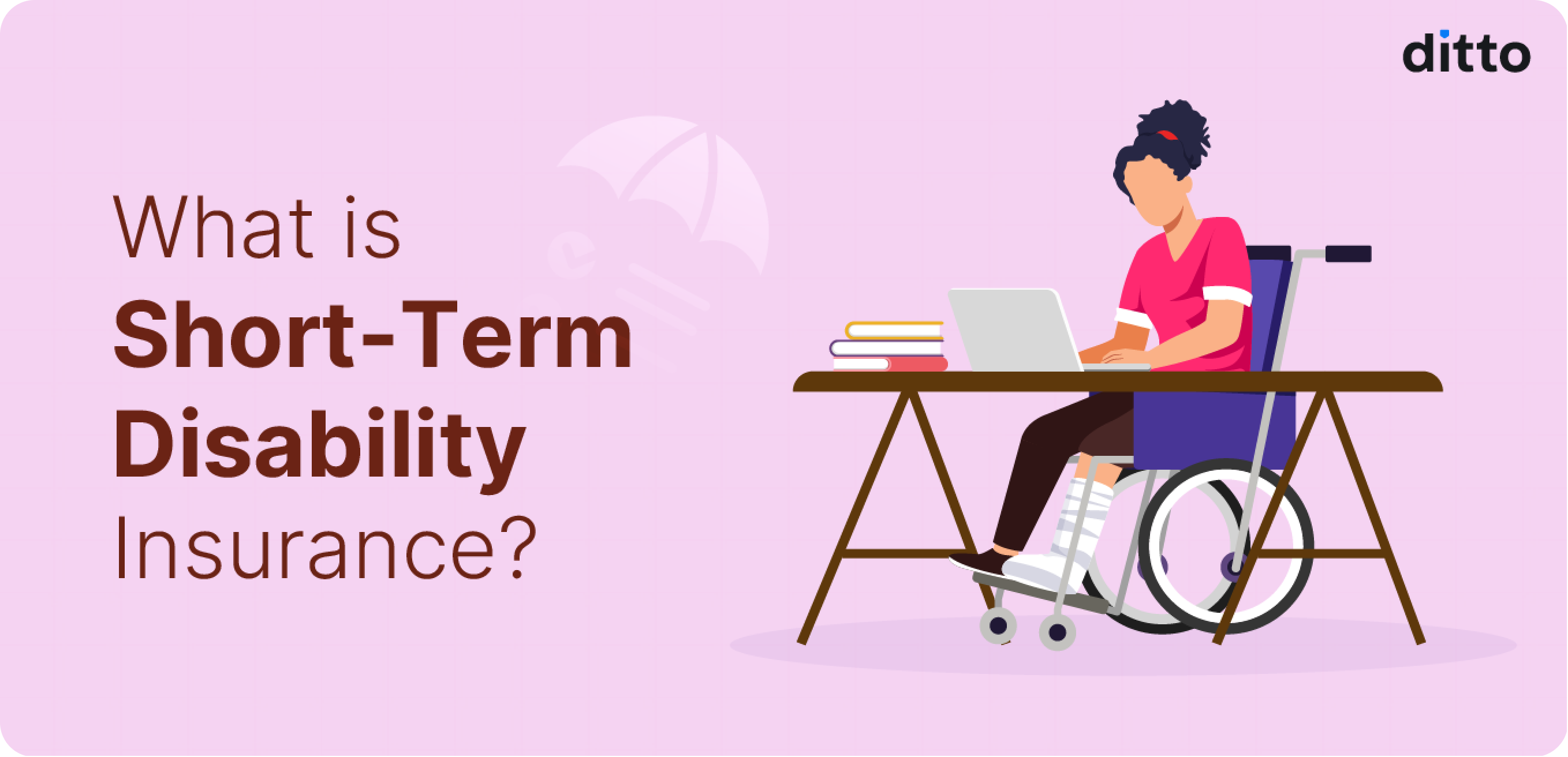
Short-term disability policies are designed to cover temporary medical conditions that prevent an individual from working for a limited number of weeks or months. Common qualifying events for short-term disability claims include recovery from scheduled surgeries, acute injuries resulting from accidents, and extended illnesses such as severe pneumonia or complications during pregnancy.
- Elimination Period: Also known as the waiting period, this represents the duration between the onset of the disability and the commencement of benefit payments. Short-term policies typically feature elimination periods ranging from 0 to 14 days.
- Benefit Duration: Benefits are generally paid out for a relatively brief window, commonly spanning from 3 months up to 6 months, depending on the specific terms of the master policy.
- Replacement Percentage: Short-term plans usually replace between 60% and 70% of the insured individual's gross weekly earnings, often up to a specified maximum cap.
Long-Term Disability Coverage
Long-term disability policies address catastrophic illnesses or severe injuries that sideline a professional for years or even until retirement age. Because these events carry profound financial consequences, LTD coverage is essential for preserving long-term asset accumulation, retirement contributions, and overall financial security.
- Elimination Period: Long-term elimination periods are significantly longer than short-term windows, frequently lasting 90, 180, or 365 days. Policyholders must rely on emergency savings, accumulated sick leave, or short-term benefits during this interim period.
- Benefit Duration: Benefits can extend for decades, commonly until the policyholder reaches the Social Security Normal Retirement Age (SSNRA), or for a graded schedule depending on the age at which the disability occurred.
- Definition of Disability: Initial years of long-term coverage often utilize an "own-occupation" standard, meaning the insured is considered disabled if they cannot perform the material duties of their specific engineering specialty. After a designated period, the standard often shifts to an "any-occupation" definition, requiring that the insured cannot perform any job suited to their education, training, and experience.
Eligibility, Membership Requirements, and Enrollment Prerequisites
Accessing ASME-endorsed insurance programs requires meeting specific membership and administrative criteria established by the organization and the underwriting insurance carrier. Understanding these prerequisites ensures that applicants can navigate the enrollment process without unexpected delays or coverage denials.
Active ASME Membership
The foundational prerequisite for applying for ASME-endorsed disability insurance is maintaining active membership in good standing with the American Society of Mechanical Engineers. Membership status is routinely verified during the application process. Lapsed memberships can result in the termination of group insurance benefits or the loss of eligibility for group-rate pricing tiers.
Professional Status and Active Work Requirements
Underwriting guidelines for group disability plans generally mandate that applicants be actively engaged in full-time employment or active professional practice at the time of application. For engineers, this typically requires working a minimum number of hours per week (often 30 hours or more) at a verifiable workplace, consulting firm, or academic institution. Individuals who are completely unemployed, retired, or on extended personal leave at the time of enrollment are typically ineligible for new coverage issuances.
Medical Underwriting and Health Questionnaires
While group policies often provide simplified underwriting compared to individual commercial policies, applicants are still subject to health verification. Depending on the requested benefit amount and the specific tier of coverage, the underwriting process may involve:
- A detailed health questionnaire covering medical history, current treatments, and past surgeries.
- Verification of income to ensure that requested benefit amounts align with current earnings and do not exceed allowable replacement percentages.
- In some cases involving higher benefit limits, paramedical examinations or attending physician statements (APS) may be required.
Exploring Insurance Providers and Administrators
Professional associations like ASME do not underwrite insurance policies directly. Instead, they partner with specialized third-party administrators (TPAs) and licensed insurance carriers to design, market, and service these financial products. Identifying the corporate entities and administrative structures behind ASME insurance offerings is critical for managing policies, submitting claims, and verifying coverage terms.
Typically, ASME-endorsed insurance programs are managed through dedicated trust agreements or group insurance trusts established for the benefit of society members. The insurance carrier—often a nationally recognized life and health insurance company—assumes the financial risk and pays out approved claims, while the administrator handles billing, customer service, and enrollment logistics.
Members evaluating these options should review the financial strength ratings of the underlying insurance carrier through independent agencies such as A.M. Best, Standard & Poor's, or Moody's. High financial strength ratings indicate a strong capacity to meet ongoing policyholder obligations and pay long-term claims reliably.
Key Policy Provisions to Evaluate
Evaluating a disability insurance policy requires looking beyond the headline monthly benefit amount to examine the fine print governing how claims are handled, how benefits are adjusted, and under what conditions coverage remains active.
Own-Occupation Versus Any-Occupation Definitions
The definition of disability represents one of the most consequential clauses in any policy. An "own-occupation" definition is particularly vital for specialized mechanical engineers, robotics experts, and aerospace professionals. Under an own-occupation rider, if an engineer sustains an injury that prevents them from performing mechanical design or technical oversight—even if they could theoretically work in a less demanding retail or administrative role—they still qualify for full disability benefits. Conversely, an "any-occupation" definition is much stricter, disqualifying claimants if they retain the capacity to perform any gainful employment suited to their general education and background.
Residual and Partial Disability Benefits
Disability is rarely an all-or-nothing proposition. Many engineers experience gradual declines in physical or cognitive capacity due to chronic conditions or partial recoveries from accidents. Residual or partial disability provisions allow policyholders to receive proportionate benefit payments if they return to work on a part-time basis or experience a significant drop in earned income due to a partial disability.
Cost of Living Adjustments (COLA)
Inflation can severely erode the purchasing power of a fixed monthly disability benefit, especially over the course of a long-term claim spanning many years. Cost of Living Adjustment (COLA) riders provide periodic increases to active benefit payments based on changes in the Consumer Price Index (CPI) or a predetermined percentage, helping policyholders maintain their standard of living during extended periods of disability.
Portability and Renewability
ASME-endorsed group plans are frequently structured as guaranteed renewable, meaning the insurance carrier cannot cancel an individual's coverage as long as premiums are paid on time and membership is maintained. Portability features ensure that if an engineer changes employers, transitions from corporate employment to independent consulting, or relocates, their disability coverage remains active without requiring re-underwriting.
Comparing ASME Group Disability Insurance with Individual and Employer Plans
Engineers evaluating ASME disability insurance should compare group association plans against employer-sponsored group long-term disability (LTD) plans and individually owned private disability policies. Each option carries distinct advantages and trade-offs regarding cost, underwriting strictness, and customization.
| Feature / Dimension | ASME Group Disability Plans | Employer-Sponsored Group Plans | Privately Owned Individual Policies |
|---|---|---|---|
| Underwriting Strictness | Moderate; often features simplified group health questionnaires. | Minimal; typically guaranteed issue up to certain limits for all eligible employees. | Rigorous; requires detailed medical exams, blood work, and physician records. |
| Portability | High; tied to ASME membership rather than a specific employer. | Low; terminates automatically when employment with the company ends. | Absolute; fully portable and independent of both employers and associations. |
| Customization | Standardized group benefit tiers with limited optional riders. | Rigid; defined entirely by corporate HR benefit selections. | Highly customizable with specialized riders (COLA, residual, future increase). |
| Tax Treatment of Benefits | Generally tax-free if premiums are paid entirely with personal after-tax dollars. | Often taxable if premiums are paid by the employer or pre-tax. | Always tax-free when paid entirely with personal after-tax dollars. |
| Cost Efficiency | Competitive group rates negotiated across a large professional pool. | Often heavily subsidized or fully paid by the employer. | Generally more expensive due to individual underwriting and full customization. |
Financial Considerations and Tax Implications
Navigating the financial dimensions of disability insurance involves understanding premium structures, rate adjustments, and the complex tax rules governing benefit payouts. Mismanaging these factors can lead to unexpected tax liabilities or insufficient income replacement during a crisis.
Premium Structures: Level Versus Attained-Age Rates
Group association insurance plans frequently utilize attained-age rating structures, meaning premium rates increase incrementally as the insured policyholder ages into older age brackets (e.g., jumping every five years). While younger members enjoy exceptionally low initial premiums, budgeting for future rate increases is essential to ensure long-term affordability. Some plans offer level-premium options, where rates remain constant throughout the life of the policy, though initial costs are typically higher.
Taxability of Disability Benefits
The tax status of disability benefit payments depends entirely on who pays the premiums:
- After-Tax Premium Payments: If an ASME member pays 100% of the insurance premiums using personal, after-tax funds, any disability benefits received are entirely tax-free.
- Pre-Tax or Employer-Paid Premiums: If premiums are deducted on a pre-tax basis or subsidized by an employer, the resulting benefit payments are generally classified as taxable income by the Internal Revenue Service (IRS).
Engineers must calculate their net replacement income carefully, factoring in potential tax liabilities to ensure that chosen benefit amounts cover living expenses adequately after taxes are withheld.
Common Mistakes and Pitfalls in Disability Insurance Planning
Securing adequate protection requires avoiding frequent errors that can invalidate claims or leave critical gaps in financial defense.
Relying Solely on State Disability Programs
State-mandated disability programs (available in only a handful of jurisdictions) typically offer very modest maximum benefit caps and short benefit durations. Assuming that state programs or standard workers' compensation (which only covers work-related injuries) will provide sufficient income replacement is a dangerous oversight. The vast majority of disabilities stem from non-work-related illnesses and chronic conditions.
Overlooking Waiting Periods and Emergency Funds
Choosing an excessively short elimination period significantly inflates premium costs, while selecting a waiting period that exceeds available emergency savings can trigger immediate financial distress if a claim occurs. Policyholders should maintain an emergency fund capable of covering living expenses throughout the selected elimination period.
Neglecting to Review Benefit Caps
Many group policies impose maximum monthly benefit caps (e.g., $5,000 or $10,000 per month). High-earning senior engineers and specialized consultants earning well above average thresholds may find that standard group caps replace a significantly smaller percentage of their actual income, necessitating supplemental individual policies to bridge the gap.
Practical Steps to Evaluate and Apply for Coverage
Engineers ready to explore ASME-endorsed disability insurance can follow a structured approach to select and secure the appropriate level of protection:
- Audit Existing Coverage: Review current employer-sponsored benefits, personal savings, and existing individual policies to calculate total baseline protection and identify any income-replacement gaps.
- Verify ASME Membership Status: Ensure that active membership is current to qualify for group pricing tiers and exclusive association insurance offerings.
- Request Official Plan Documentation: Obtain current descriptive brochures, master policy certificates, and rate schedules directly from the authorized ASME insurance administrator.
- Calculate Income Needs: Determine monthly fixed expenses and required income replacement percentage, keeping tax implications and potential benefit caps in mind.
- Complete Application and Underwriting: Submit the required health questionnaires and income verification documents accurately. Disclose all requested medical history honestly to prevent future claim disputes or policy rescissions.
- Maintain Ongoing Compliance: Ensure timely premium payments and prompt reporting of any professional status or contact changes to the plan administrator.