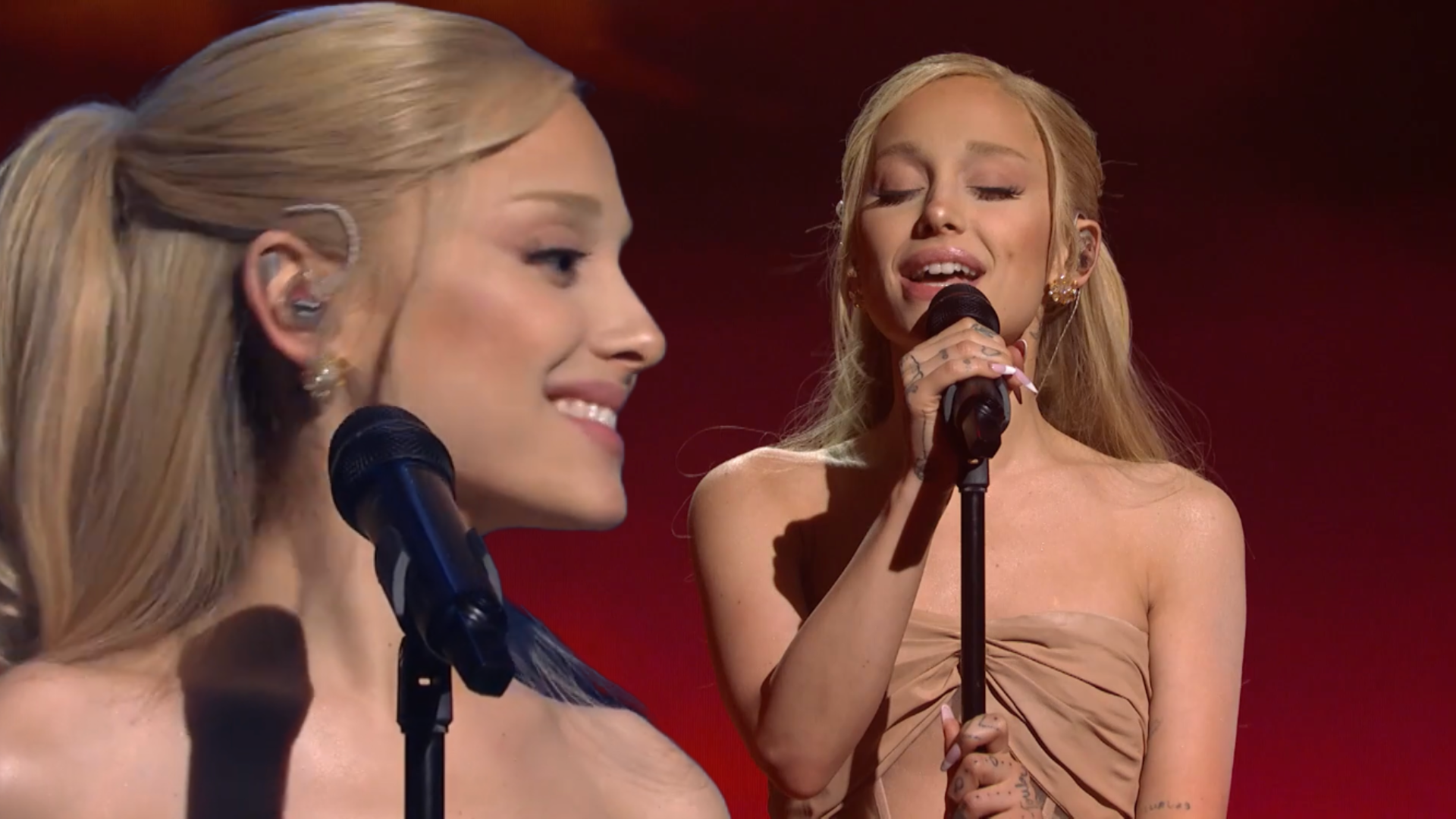
Ariana Grande’s collaborations with the character Miranda Sings, created by Colleen Ballinger, represent a significant intersection of early 2010s internet culture and mainstream celebrity. These interactions—spanning YouTube sketches, stage cameos, and television appearances—bridged the gap between viral digital performance art and traditional pop stardom, illustrating the evolving nature of audience engagement and digital-era publicity for high-profile performers.
The Origin of the Miranda Sings Phenomenon
To understand the collaboration, one must first recognize the persona of Miranda Sings. Created in 2008 by Colleen Ballinger, Miranda is a satirical character designed to lampoon the "braggadocious" style of amateur singers who post unpolished, ego-driven videos online. Miranda is characterized by her smeared red lipstick, her erratic vocal technique, her defensive attitude toward "haters," and her signature catchphrase, "Haters back off!"
By the time Ariana Grande reached international fame in the early 2010s, Miranda Sings had already established a massive, dedicated following on YouTube. For a pop star like Grande, engaging with such a prominent digital native was a tactical way to signal authenticity and self-awareness to a younger demographic. This was not a typical label-managed promotion; it was a demonstration of a celebrity tapping into the specific vernacular of internet subculture.
Evolution of the On-Screen Partnership
The relationship between the two performers began primarily through the digital realm. Grande, known for her vocal prowess, often played into the irony of the situation. In several YouTube videos, the duo would engage in "vocal lessons" where the highly trained Grande would pretend to receive advice from the tone-deaf, self-absorbed Miranda.
This dynamic worked because it allowed Grande to showcase her technical musical skills while simultaneously demonstrating a willingness to be the "straight man" in a comedy sketch. The juxtaposition was effective: the audience was reminded of Grande’s genuine ability, while Miranda’s absurdity provided the entertainment value. These interactions moved beyond the screen in 2014 when Grande made a surprise appearance at a live Miranda Sings show, cementing the crossover into the physical performance space.
Strategic Benefits for Both Parties
For both Grande and Ballinger, these collaborations were mutually beneficial, albeit for different reasons.
- For Ariana Grande: Aligning with a character as recognizable as Miranda Sings humanized the pop star. It showcased a sense of humor and a lack of pretension that, at the time, was a key component of building a "relatable" brand. It helped solidify her status as a star who was "in on the joke" of internet celebrity culture.
- For Miranda Sings/Colleen Ballinger: Association with an A-list celebrity like Grande provided significant exposure to mainstream audiences who might not have frequented YouTube comedy channels. It validated the character’s cultural relevance and bridged the gap between a niche digital audience and the global music stage.
Comparison of Collaborative Formats
The nature of the content evolved as both performers grew in their respective careers. The table below outlines the primary formats of their collaborative efforts.
| Format | Objective | Nature of Interaction |
|---|---|---|
| YouTube Sketches | Viral content creation | Improvisational, comedic, low production value |
| Stage Appearances | Live fan engagement | Performance-based, surprise factor, fan-centric |
| Television Guest Spots | Mainstream exposure | Scripted, polished, character-focused |
| Social Media Bouts | Brand integration | Informal, brief, conversational |
The Role of Vocal Performance as Comedy
A core element of their collaboration was the subversion of vocal talent. Grande, a classically trained singer with a multi-octave range, was often contrasted against the deliberate, harsh, and off-key singing style of Miranda. By participating in "duets," the pair relied on the audience’s knowledge that the bad singing was an act.
This meta-humor—where the audience understands the context of the performance—was a precursor to the style of content that dominates modern social media. It was one of the early instances where a major artist used an internet character as a creative foil rather than merely using a platform for traditional promotion.
Public Reception and Cultural Significance
When analyzing the public reaction to these videos in the 2010s, it is clear that they were highly successful in generating engagement. Comment sections were often flooded with fans expressing delight at the unexpected crossover. It is worth noting, however, that these collaborations existed in a pre-algorithmic era of content creation compared to today’s landscape. The growth was organic, driven by fan sharing rather than aggressive platform promotion.
As of 2026, these videos serve as a time capsule for how pop stars engaged with the early explosion of YouTube-based influencers. They represent a period when the lines between "traditional celebrity" and "internet personality" began to blur, a trend that would only intensify in the following decade.
Common Questions Regarding the Partnership
Did Ariana Grande and Miranda Sings ever record an official single? No. While they performed together, their collaborations were primarily comedic sketches and live appearances. There was never an official studio-produced musical release intended for commercial streaming platforms.
How did the collaboration start? The collaboration began through social media and YouTube. Ariana Grande, being a fan of the Miranda Sings character, reached out to Colleen Ballinger. Their mutual appreciation for comedy led to the initial sketches that established their rapport.
Why did Ariana Grande choose to work with a character like Miranda Sings? The choice was rooted in digital strategy and personal interest. Grande was an active consumer of YouTube content and recognized the massive cultural reach of the Miranda character. It served as a way to engage a younger, digitally native audience during her rise to superstardom.
Was the chemistry between the two performers genuine? Public appearances and subsequent interviews suggest a genuine friendship. The rapport was built on a shared sense of humor and a mutual respect for the different types of performance art they each represented.
What was the impact on the Miranda Sings brand? The association with Ariana Grande significantly elevated Miranda Sings from a YouTube comedy channel to a broader cultural entity. It contributed to the eventual development of the Miranda Sings Netflix series, Haters Back Off, which premiered in 2016.
Troubleshooting and Contextual Clarity
If you are looking for specific videos, it is important to search through verified historical archives on YouTube. Because both creators have such large followings, there are many fan-edited clips and compilations. Always verify the source of the video to ensure it is part of their official collaboration history.
It is also important to remember that the "Miranda Sings" persona is a caricature. Any "bad advice" or "insults" traded between the two in videos were scripted elements of the character and should not be misinterpreted as real-life friction between the performers.
Moving Forward
The collaborations between Ariana Grande and Miranda Sings remain a definitive case study in digital-era PR. For artists and creators today, the lesson remains the same: the most effective collaborations are those that blend organic interest with strategic brand alignment. While the nature of online content continues to shift with new technologies, the core value of utilizing character-driven comedy to humanize a public figure remains a highly effective strategy in 2026. If you are a creator or a fan, revisiting these interactions provides insight into how the digital landscape can be leveraged to maximize reach while maintaining an authentic connection with an audience.