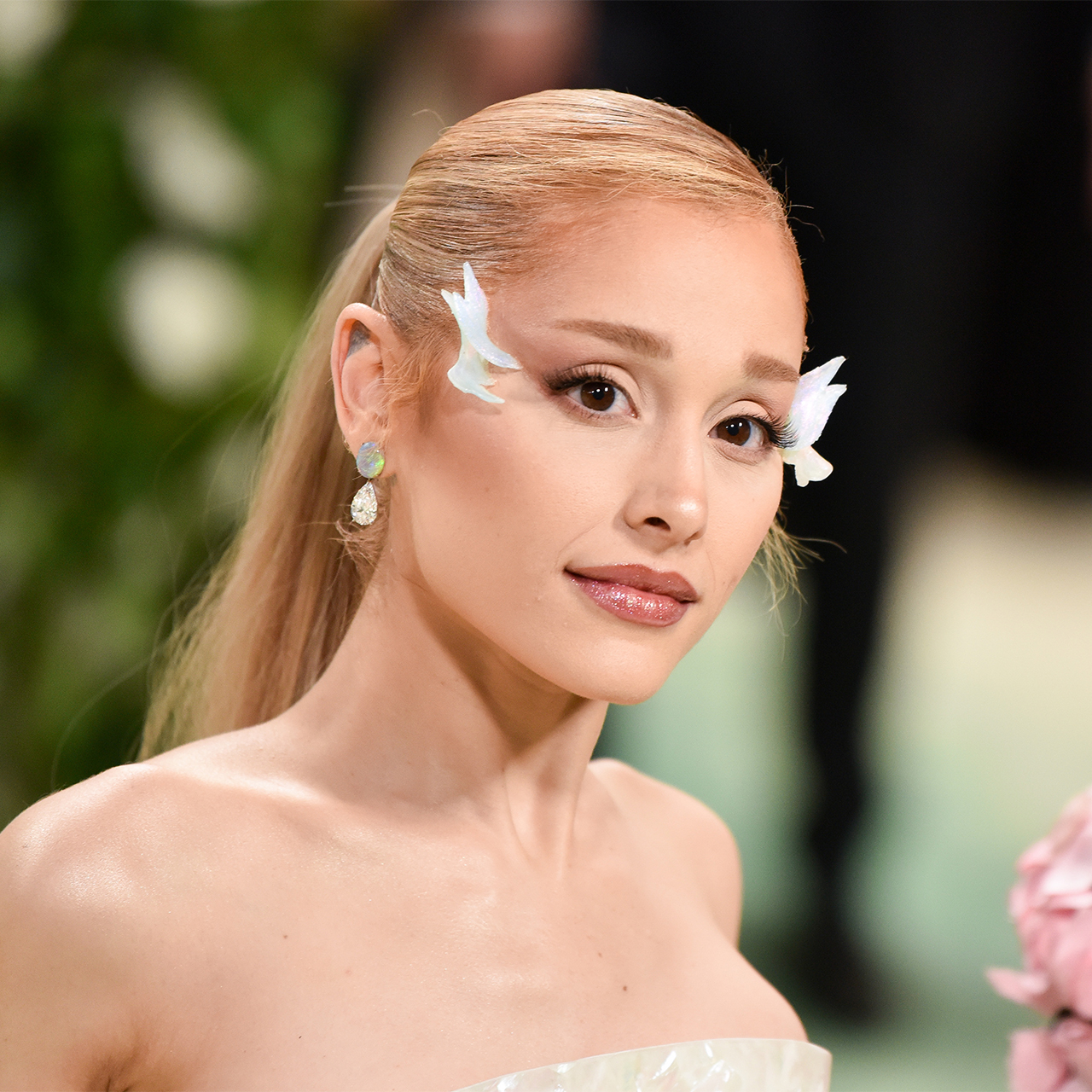
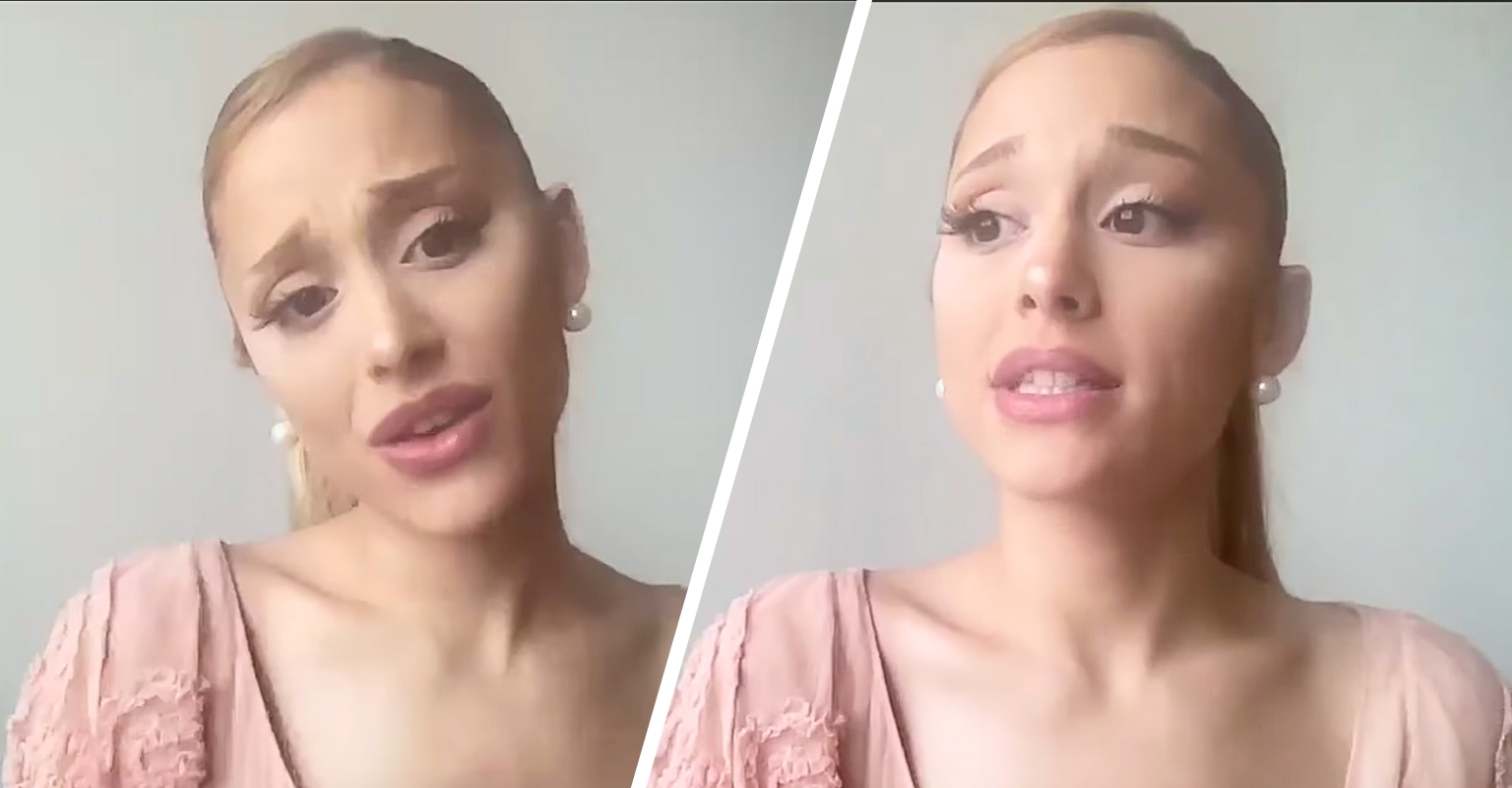
There is no verified evidence or official record that Ariana Grande has tested positive for any specific health condition or virus as of 2026. Public inquiries surrounding the phrase "Ariana Grande tested positive" typically stem from historical speculation or misinformation cycles common in the digital entertainment landscape. Understanding the nature of celebrity health reporting, the verification of public information, and the boundaries of digital privacy is essential for navigating online rumors.
The Nature of Celebrity Health Rumors
In the digital age, high-profile individuals like Ariana Grande are frequent subjects of intense public scrutiny. The phrase "tested positive" carries significant cultural weight, particularly following the global health events of the early 2020s. When fans or news aggregators search for such phrases, they are often reacting to social media algorithms that prioritize engagement over factual accuracy.
Celebrities, like all private citizens, are entitled to medical privacy under various jurisdictional laws. While they often choose to share information regarding their health with their fan base, these disclosures are entirely voluntary. When a celebrity has not made a statement regarding a specific medical test, any online claims suggesting a "positive" result should be viewed as unverified speculation.
The prevalence of such rumors often originates from "clickbait" headlines or misleading social media posts designed to drive traffic to specific websites or profiles. These platforms often use ambiguous phrasing to trick users into believing a significant event has occurred. As a consumer of digital media, it is critical to distinguish between official press releases, verified news reports from established journalistic outlets, and unverified social media chatter.
Verifying Information in the Digital Age
Navigating the influx of information requires a structured approach to verification. If a significant health-related event were to occur, standard, reputable outlets would report it through verified channels, such as a direct statement from the artist’s management team or a trusted publicist.
Methods for Information Verification
- Source Identification: Always check the primary source of the claim. Does the article cite an official statement, or does it use vague language like "sources say" or "it is rumored"?
- Cross-Referencing: If a story is legitimate, multiple major entertainment news organizations will report the news simultaneously. If only one unknown or low-authority site is carrying a sensational claim, it is almost certainly false.
- Official Channels: Review the verified social media accounts of the individual. If no confirmation exists on their official, blue-checked platforms, the report likely lacks a foundation in fact.
- Contextual History: Be aware of historical patterns. Misinformation often recycles old stories or photos to make them appear current. Check the date of any cited article or post carefully.
The Impact of Misinformation on Public Discourse
The circulation of unfounded claims regarding a public figure’s health has tangible consequences. Beyond the potential distress caused to the individual and their inner circle, it creates a "noise" in the information ecosystem that makes it harder for the public to find reliable, accurate information.
Furthermore, these rumors can desensitize the audience to legitimate medical reporting. When false reports become common, the public may begin to doubt actual health-related information, which can have broader implications for public health awareness. Responsible media consumption involves not only verifying the news but also refusing to amplify unverified speculation through social media sharing.
Table: Criteria for Credible Health Reporting
| Feature | Credible Source | Unreliable Source |
|---|---|---|
| Attribution | Direct quotes or official statements | "Unnamed sources" or "rumors" |
| Language | Neutral, objective, and precise | Sensational, alarmist, or vague |
| Evidence | Verification from multiple outlets | Singular, unlinked, or circular claims |
| Date | Clearly marked and current | Undated or purposefully obscured |
| Purpose | To inform the public | To generate clicks or ad revenue |
Privacy and Boundaries for Public Figures
It is important to recognize the distinction between a public figure’s professional work—such as music releases, tour dates, and film appearances—and their personal life. While fans are often invested in the well-being of their favorite artists, this interest does not negate the artist's right to personal boundaries.
Medical records and health status are among the most sensitive categories of personal information. In many regions, the unauthorized disclosure of such information is not only unethical but potentially illegal. Even in the context of celebrity, where the line between public and private is often blurred, the assumption should always remain that the individual is in control of their own narrative. If an artist chooses not to comment on their health, the public should respect that silence rather than attempting to fill the void with speculation.
Common Misunderstandings About Celebrity News
Many search queries for celebrities arise from misinterpreted social media trends. For example, a video of a celebrity taking a test for professional reasons (such as a requirement for film sets or international travel) is often taken out of context. A video showing a person holding a test kit does not necessarily indicate a "positive" result, nor does it provide context regarding the medical necessity or the actual outcome of that test.
By understanding the context in which these images or videos are captured, one can see how quickly misinformation spreads. In 2026, as in previous years, the speed of information often outpaces the speed of verification. The best practice is to wait for official confirmation before drawing conclusions or sharing information as if it were fact.
Frequently Asked Questions
1. Where can I find official news about Ariana Grande?
The most reliable source for information regarding Ariana Grande is her official social media profiles or statements released by her verified representatives. Major entertainment news organizations such as Variety, The Hollywood Reporter, or Billboard are also standard for verified industry news.
2. Why do rumors about celebrity health start?
Rumors often start as speculative content to drive clicks to websites. Because search engines prioritize high-volume queries, misinformation that gains early traction can stay visible for a long time, leading people to believe it is a current or verified topic.
3. Should I be concerned about news I see on social media?
You should approach all health-related news on social media with skepticism. If a piece of news seems sensational or lacks a clear link to an official, verifiable source, it is safer to assume the information is unverified and refrain from sharing it.
4. What should I do if I see a misleading article?
If you encounter a misleading article, the best course of action is to avoid interacting with it, as engagement helps the article gain visibility. You may use reporting tools provided by social media platforms to flag content that is intentionally false or misleading.
5. How can I protect myself from misinformation?
Cultivate a habit of "source checking." Before accepting a headline as truth, check if established, high-integrity news outlets have published similar reports. If they have not, the information is likely not credible.
Practical Next Steps for Information Seekers
If you find yourself searching for health information about a public figure, it is helpful to pause and consider the objective of your search. If you are seeking information for the purpose of genuine concern or news, rely strictly on reputable, primary sources. If you are browsing due to algorithm-driven suggestions, consider disengaging from those specific platforms or accounts to curate a more accurate and reliable information feed.
Ultimately, maintaining a standard of proof for all information consumed online—especially regarding medical and health-related topics—is the most effective way to prevent the spread of misinformation and ensure that you remain well-informed by facts rather than rumors.