The discourse surrounding Ariana Grande’s physical appearance, particularly observed during the 2022–2023 period and discussed throughout 2026, centers on public speculation regarding her health and body image. While Grande has explicitly addressed these concerns by asking for empathy and nuance regarding individual health journeys, the ongoing debate highlights broader societal tensions concerning celebrity scrutiny, the interpretation of physical changes, and the ethical boundaries of body commentary.
The Origins of the Discourse
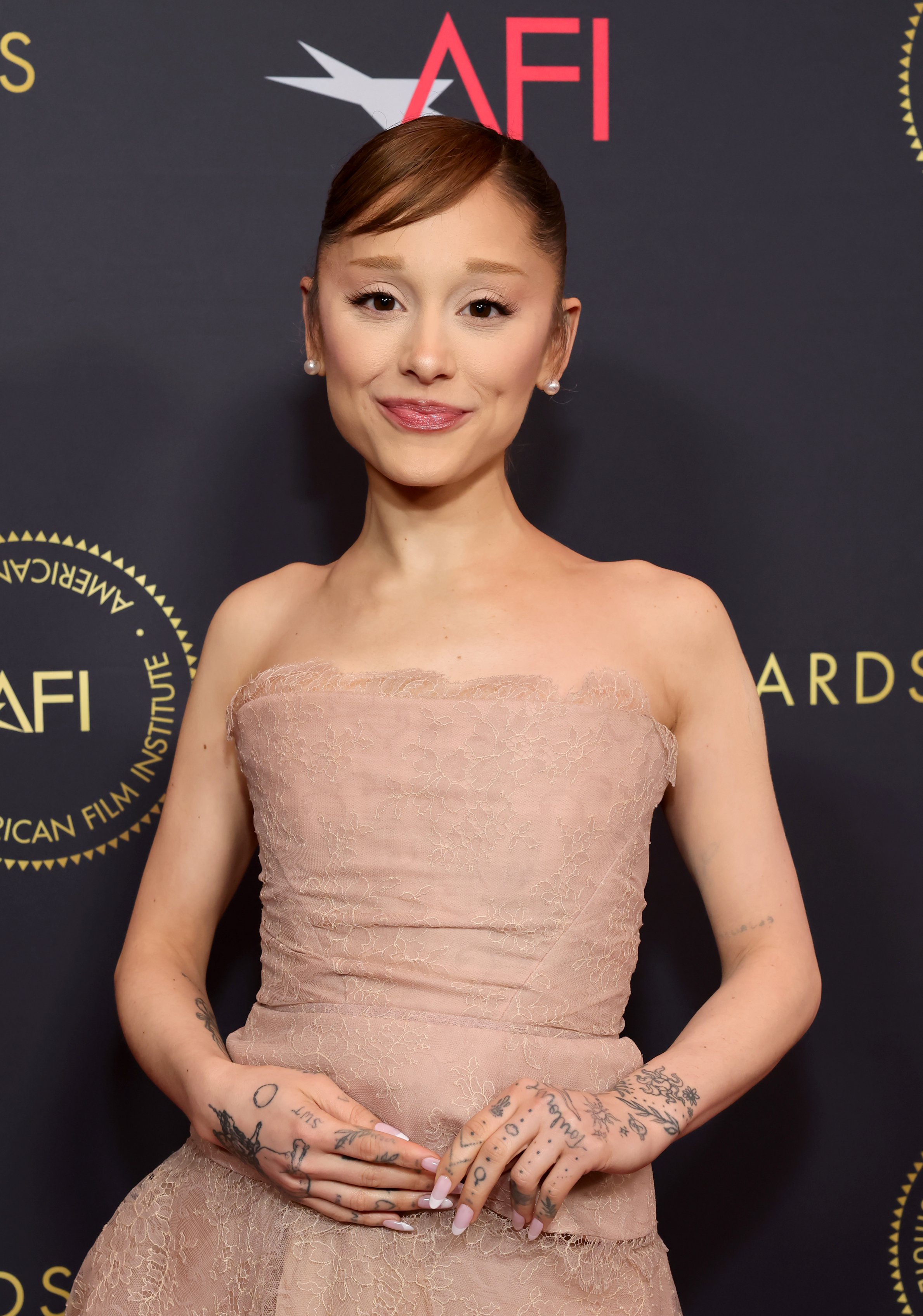
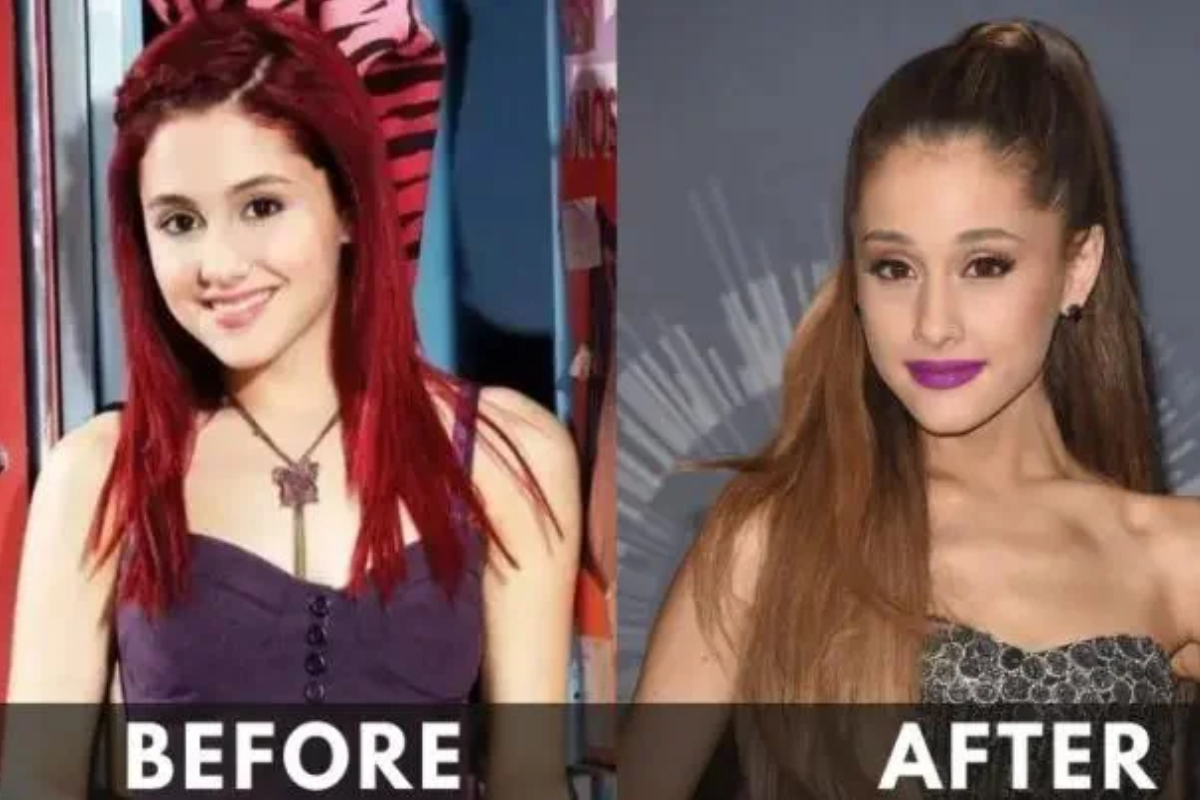
In late 2022 and early 2023, Ariana Grande experienced a significant surge in public interest regarding her weight. As she moved away from her signature high-ponytailed, mod-inspired aesthetic to begin filming the Wicked film adaptation, her physical appearance underwent a noticeable shift. Social media platforms, particularly TikTok and X (formerly Twitter), became hubs for side-by-side comparisons of the singer from various eras of her career.
This phenomenon is not unique to Grande; it is a recurring pattern in the entertainment industry where female pop stars are subjected to intense, constant monitoring of their bodies. The "debate" primarily emerged as a clash between fans who expressed concern for her well-being and those who argued that speculating on a celebrity's health is an intrusive and potentially harmful practice.
Ariana Grande’s Response and Perspective
In April 2023, Ariana Grande took the rare step of posting a video on social media to address the commentary directly. Her response was widely characterized as vulnerable and firm. She emphasized that the version of her body that people were using for comparison—which they considered "healthy"—was, in fact, the version of her body that was at its "lowest point."
Grande clarified that she was taking antidepressants, drinking wine, and eating poorly at the time she was most frequently complimented. By contrasting the public's perception of "health" with her internal reality, she dismantled the assumption that outward appearance is an accurate proxy for internal well-being. She also addressed the necessity of kindness, pointing out that everyone is on a different journey and that one never knows what a person is going through behind closed doors.
The Psychology of Public Body Scrutiny
The scrutiny of Grande’s weight can be analyzed through several psychological and sociological lenses. When the public consumes content from celebrities, they often develop a "parasocial relationship"—a one-sided bond where the audience feels they truly know the individual. This perceived intimacy often leads fans to believe that commenting on a celebrity's weight is a form of care or "concern," rather than judgment.
However, clinical experts and body-image advocates argue that such commentary, even when framed as concern, contributes to a culture of constant surveillance. For the celebrity, this creates an environment where they are forced to perform their health or justify their physical state, which can be mentally exhausting. The discourse surrounding Grande serves as a modern case study for the "halo effect" or, conversely, the "negative bias" applied to public figures, where physical changes are automatically assigned moral or medical significance.
Comparing Public Perceptions vs. Private Realities
The following table outlines the disconnect often found between external observation and internal medical reality in the context of celebrity discourse.
| Aspect | Public/Fan Perception | Reality of Subject |
|---|---|---|
| Visible Weight | Often equated directly with health status. | Can be influenced by genetics, stress, or medication. |
| Public Commentary | Frequently framed as "genuine concern." | Often experienced by the subject as intrusive. |
| Comparison | Comparing current photos to past eras. | Ignores the biological changes that occur over years. |
| Media Influence | Normalizes the dissection of bodies. | Impacts the psychological well-being of the subject. |
The Role of Social Media in Amplifying Body Discourse
In 2026, the speed and reach of social media continue to exacerbate these debates. Platforms like TikTok utilize algorithms that prioritize engagement, and "body check" videos or "transformation" critiques often receive high engagement rates. This incentivizes creators to make content that dissects celebrities, often under the guise of "analysis."
The impact of this is twofold. First, it commodifies the celebrity’s body, treating them as an object for public discussion. Second, it sets a standard for the general audience. When a high-profile individual is subjected to intense criticism or praise based on a fluctuation in weight, it reinforces the societal pressure for everyone to maintain a specific, often unattainable, aesthetic. The dialogue around Ariana Grande’s weight loss was particularly viral because it coincided with her high-profile transition into the role of Glinda in Wicked, making her presence in the public eye ubiquitous during that timeframe.
Defining Healthy Boundaries in Celebrity Culture
The debate surrounding Grande has prompted a wider discussion regarding where the line of "fair comment" should be drawn. There is a growing movement toward the "body neutrality" framework, which suggests that people should focus on what their body does rather than how it looks. By applying this to the public’s view of celebrities, the conversation shifts from "Does she look healthy/thin/strong?" to "She is a performer doing her job."
Advocates argue that the following principles should guide how we interact with celebrity content:
- Separation of Roles: Recognizing that a celebrity’s appearance is often dictated by professional requirements, such as training for a role or the physical toll of a world tour.
- Medical Privacy: Acknowledging that the health status of a public figure is private and that speculation by non-medical professionals is inherently speculative and often inaccurate.
- The Power of Language: Moving away from language that characterizes weight loss or gain as inherently "good" or "bad."
Lessons from the Discourse
The most significant takeaway from the discussion surrounding Ariana Grande is the inherent danger in the "medicalization" of public opinion. When members of the general public analyze photos and apply diagnostic labels to a stranger’s appearance, they strip the subject of their agency.
Grande’s decision to speak out served as a turning point. It redirected the conversation from "Why did she lose weight?" to "Why do we feel entitled to ask that question?" This shift is important because it highlights the collective responsibility of audiences to be more mindful. In 2026, as digital media continues to evolve, the ability to discern when a topic is an appropriate subject for debate versus when it constitutes an invasion of privacy remains a critical literacy skill for fans and media consumers alike.
Frequently Asked Questions
Did Ariana Grande address her weight loss directly?
Yes. In April 2023, she released a video specifically requesting that people be more gentle with their comments about others' bodies. She noted that the body people were comparing her to was actually her unhealthiest version, emphasizing that appearance is not an indicator of health.
Why is there so much focus on celebrity weight?
Public interest in celebrity appearance is rooted in a mix of societal beauty standards, parasocial relationships, and the entertainment industry's tendency to capitalize on physical transformations. It is a societal reflection of the value placed on aesthetics in modern media.
What is body neutrality?
Body neutrality is a perspective that focuses on the function of the body rather than its appearance. Unlike body positivity, which focuses on loving one's look, body neutrality encourages accepting that your body is a vessel for your life and does not need to be the primary focus of your or others' attention.
Does professional training for film roles affect weight?
Yes. Actors often engage in intense, supervised dietary and exercise regimens to meet the physical requirements of a character. This can result in significant changes to body composition, which are often the result of professional, private medical coordination rather than the result of personal health crises.
How can fans interact with celebrities more ethically?
The most ethical approach is to focus on the celebrity's work, creative output, and professional milestones rather than their physical appearance. Engaging with content that celebrates their artistry rather than their body helps to shift the incentives for media outlets and content creators.
Conclusion and Next Actions
The debate surrounding Ariana Grande’s weight serves as a reminder of the human cost of public commentary. For those who find themselves participating in such discussions, the recommended next action is to practice "digital distancing" from content that focuses on the bodies of others. By choosing to disengage from threads or videos that analyze physical changes, users contribute to a culture that values individuals for their work and humanity rather than their aesthetic appearance. Supporting content that promotes health through a lens of professional and personal development, rather than superficial observation, helps refine the standard for healthy fan-celebrity dynamics.