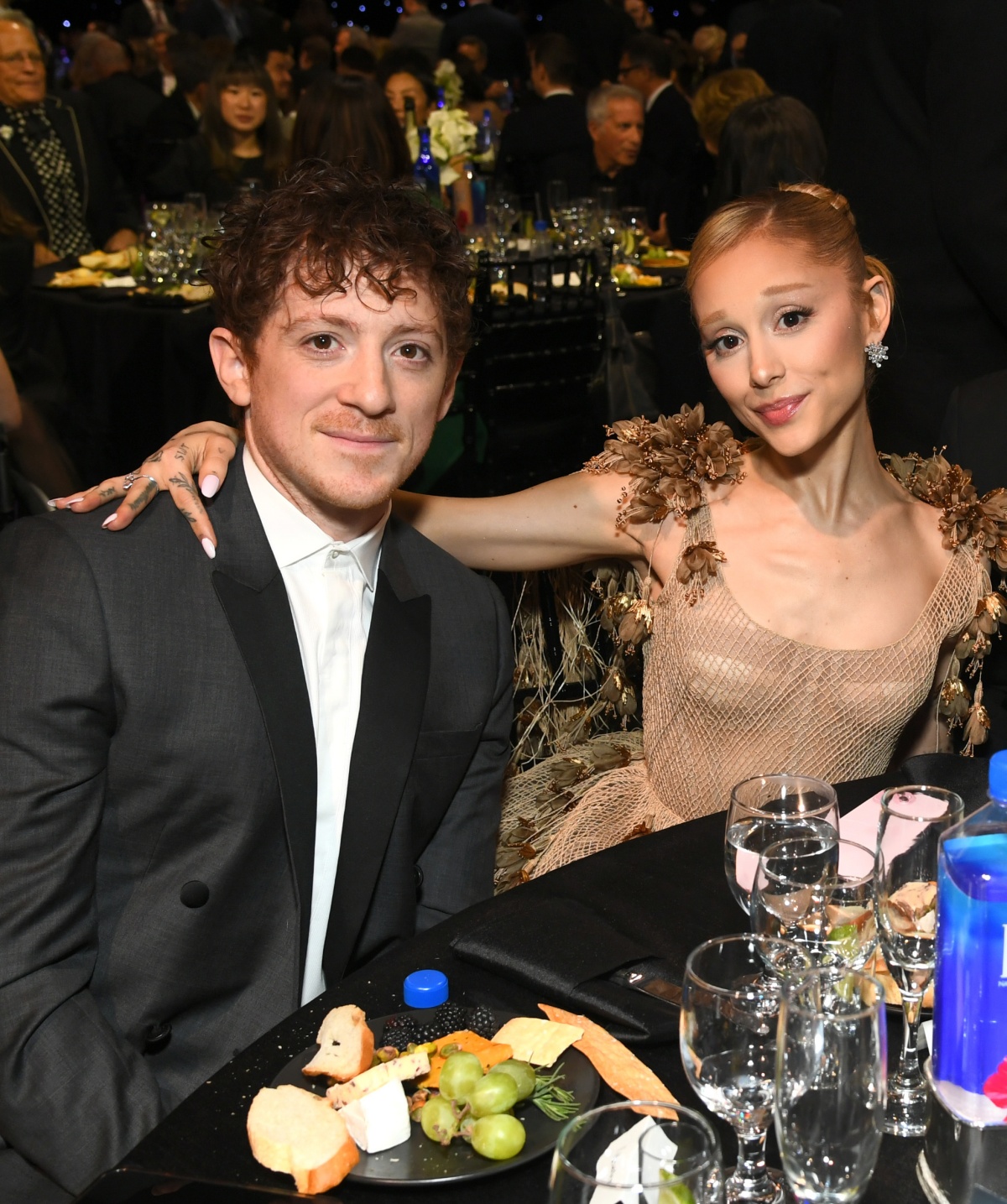
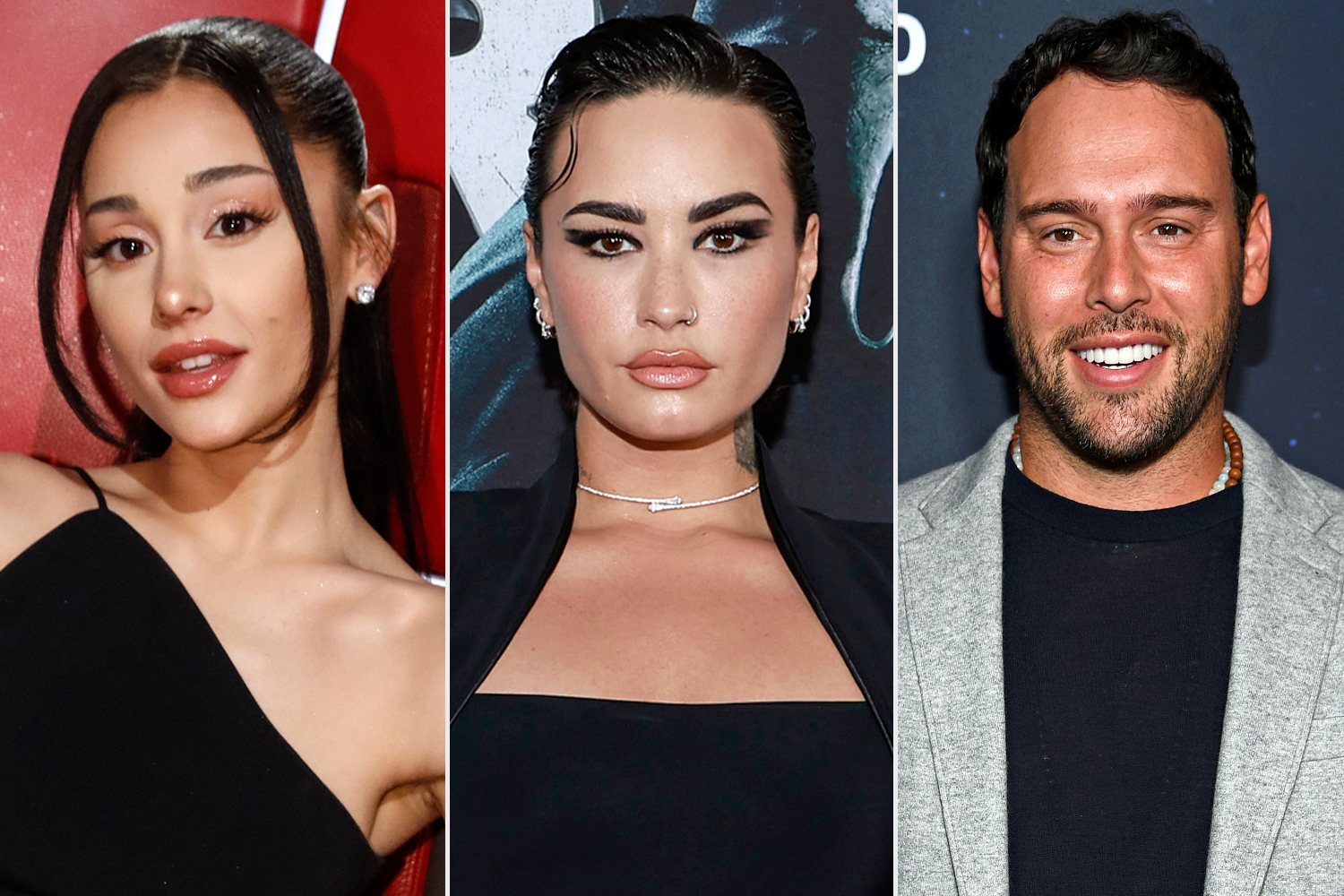
In August 2023, global pop superstar Ariana Grande officially ended her long-standing professional relationship with talent manager Scooter Braun and his company, HYBE America (formerly SB Projects). This high-profile departure marked the conclusion of a partnership that spanned over a decade, encompassing some of the most significant commercial and artistic achievements of Grande's career, and catalyzed a broader period of structural transition within Braun's management firm.
The split between Ariana Grande and Scooter Braun was not merely a change in personnel; it was a watershed moment in the music industry. By August 2023, reports from major trade publications confirmed that Grande, who had been managed by Braun since 2013, was parting ways with her longtime representative. While industry shifts of this magnitude are often accompanied by public statements, this transition was characterized by a lack of overt animosity, focusing instead on the natural evolution of an artist's career as they move into new phases of creative and personal development.
The Context of the Partnership: 2013–2023
To understand the weight of this split, one must look at the foundation of the relationship. Scooter Braun signed Ariana Grande in 2013, early in her transition from Nickelodeon television star to a burgeoning music artist. Under Braun’s guidance, Grande became one of the most successful recording artists of the 21st century.
During this ten-year tenure, the team navigated complex industry landscapes, including:
- Album Cycles: The release of multi-platinum albums such as My Everything, Dangerous Woman, Sweetener, and Thank U, Next.
- Global Touring: The execution of record-breaking international concert tours that cemented her status as a stadium-level performer.
- Brand Expansion: The strategic management of her public image, beauty brand ventures, and acting roles, such as her casting in the film adaptation of Wicked.
The partnership was defined by the traditional music manager-artist dynamic, where the manager acts as a central hub for legal, promotional, and logistical operations. By the time the split occurred in August 2023, Grande had reached a level of artistic autonomy where the traditional management structure had served its purpose, leading to what many industry analysts viewed as an inevitable professional "graduation."
Examining the Industry Climate in August 2023
The period surrounding August 2023 was particularly volatile for SB Projects and the broader HYBE ecosystem. Rumors of other high-profile clients departing or reassessing their contracts with Braun began to circulate in the industry press. While each artist's reasoning remained private, the cumulative effect of these departures triggered widespread speculation regarding the future of talent management models in the digital era.
The transition for Grande was part of a larger trend where A-list talent began seeking more bespoke management arrangements, often moving toward smaller boutique firms or internalizing their business operations to retain greater control over their intellectual property and brand identity. This shift is not necessarily a reflection of failure on the manager's part but rather a shift in the power dynamics of the music business, where artists with massive global footprints increasingly act as their own conglomerates.
Impact on Career Trajectory and Management Structure
When a major artist departs from a long-term manager, the immediate practical impact is a reconfiguration of the artist’s "inner circle." For Grande, this involved a transition to new representation, ensuring that the momentum from her music career and her commitment to upcoming film projects remained uninterrupted.
The Operational Transition
The logistical requirements of such a separation are immense. Music management involves:
- Contractual Dissolution: Finalizing the legal termination of management agreements, which often involves complex "tail" provisions regarding commissions on work initiated during the tenure.
- Transfer of Assets: Moving administration of digital profiles, brand partnerships, and ongoing business negotiations to the new management entity.
- Personnel Continuity: Assessing which staff members will continue to support the artist under the new structure and which remain with the previous management firm.
Comparison of Artist-Manager Models
The following table outlines the differences between the traditional large-scale management model—which defined the early years of the Grande-Braun partnership—and the modern, personalized management model that artists of Grande’s stature often gravitate toward today.
| Feature | Traditional Large-Scale Management | Modern Boutique/In-House Management |
|---|---|---|
| Focus | Multi-artist portfolio, broad industry influence | Highly specialized, single-artist priority |
| Resources | Massive internal marketing and legal departments | Curated, agile teams with specific expertise |
| Autonomy | Managed by the firm’s strategic vision | Artist-led decision making and branding |
| Flexibility | Standardized systems for all clients | Tailored workflows and rapid pivots |
| Relationships | Leverages firm-wide power in deal-making | Leverages artist-specific brand equity |
Frequently Asked Questions
Why did Ariana Grande and Scooter Braun split in 2023? The split was reported as a mutual decision marking the end of a long-term professional relationship. Like many artists who reach a decade of collaboration with one manager, Grande’s transition was viewed as a natural professional evolution rather than a result of a specific singular event.
Was the split related to other client departures at SB Projects? While the timing coincided with industry rumors regarding other clients leaving the firm, no direct connection was officially confirmed by either party. The departures were treated as individual business decisions by independent artists.
Who handles Ariana Grande's management now? Following the departure, Grande continued her career, maintaining her existing business infrastructure and working with various representatives tailored to her film and music projects. Detailed internal staffing remains private, consistent with her long-standing preference for privacy regarding business operations.
Did the split affect the release of Ariana Grande's music? No. Grande’s creative output and professional schedule remained unaffected. The transition occurred during a period of relative downtime between major album cycles, allowing for a seamless shift in administrative and management support.
What happens to the commissions on past projects after a split? In standard music industry contracts, managers are often entitled to "tail" commissions. This means they continue to collect a percentage on income derived from contracts or projects that were signed or initiated during their time as the manager, even after the professional relationship has officially ended.
Professional Guidance for Artists and Management Transitions
For artists or managers navigating similar transitions, the primary takeaway from the Grande-Braun split is the importance of structural foresight. When a partnership reaches the ten-year mark, it is essential for both parties to conduct a "health check" on their working agreement.
If you are an artist evaluating your current representation, consider the following:
- Objective Assessment: Determine if your management firm’s current reach aligns with your current goals. If your goals have shifted from rapid market expansion to long-term brand equity, ensure your management has the resources to support that shift.
- Transparency: Communicate your evolving needs early. Often, the transition becomes a pivot rather than a departure if the management structure can be adapted to meet the artist's new requirements.
- Legal Readiness: Always maintain a clear understanding of your contractual obligations, specifically regarding sunset clauses and commission durations. Consulting with an entertainment attorney is critical before making any major structural changes to your management team.
Ultimately, the departure of a high-profile client from a major firm is a standard, if highly scrutinized, aspect of the music industry. It highlights the shifting nature of power in entertainment, where the most successful individuals continuously optimize their teams to best reflect their current creative and business ambitions.