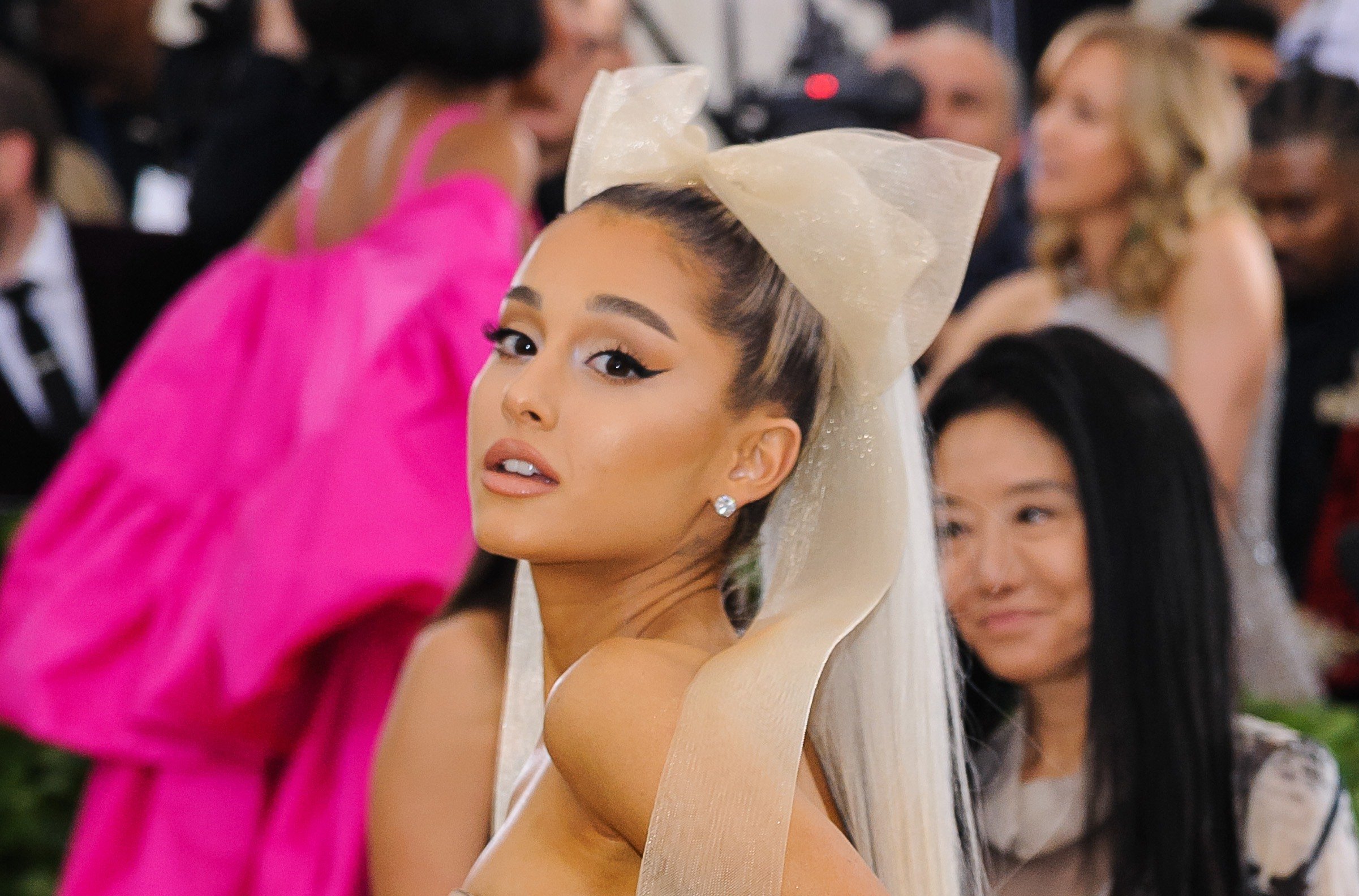
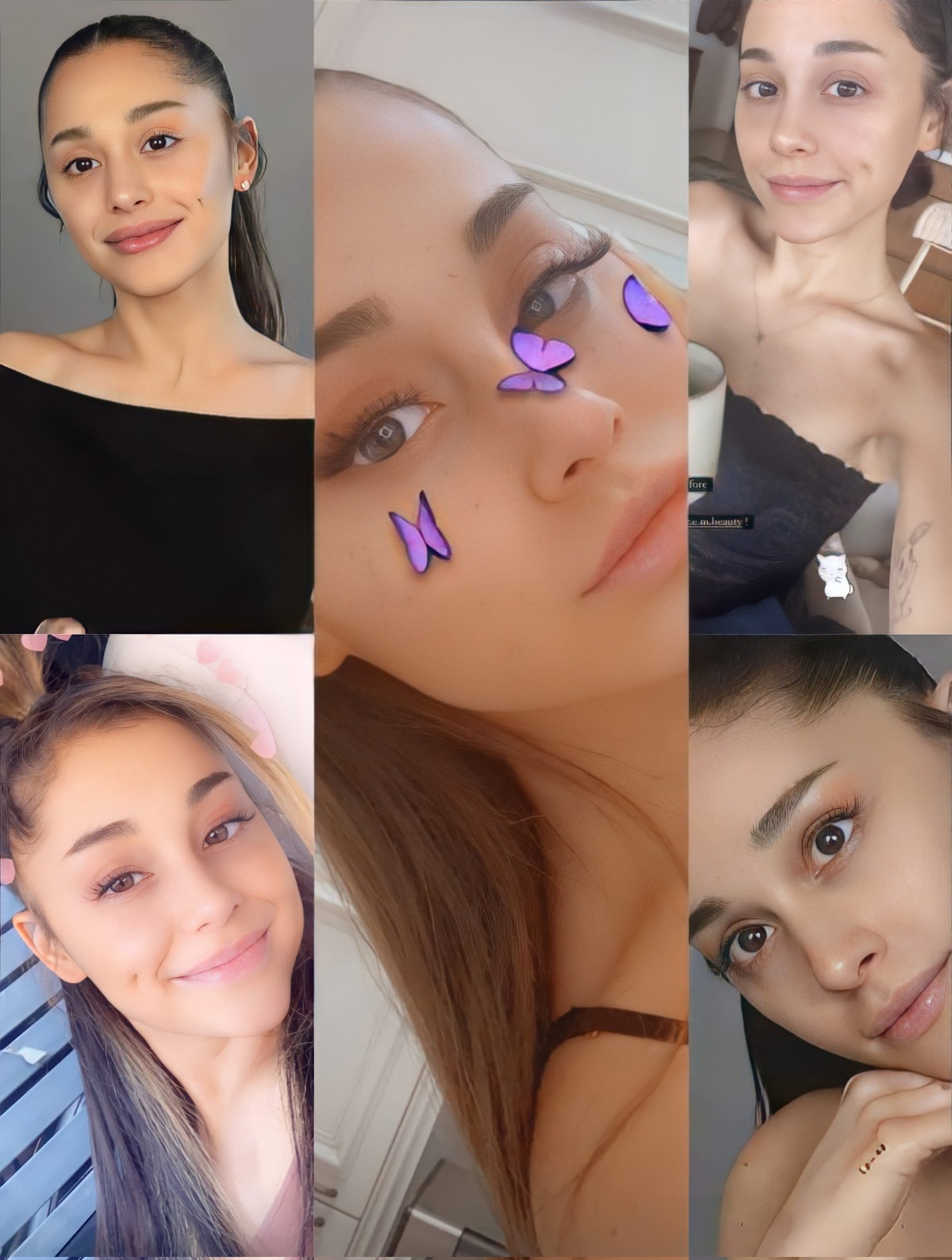
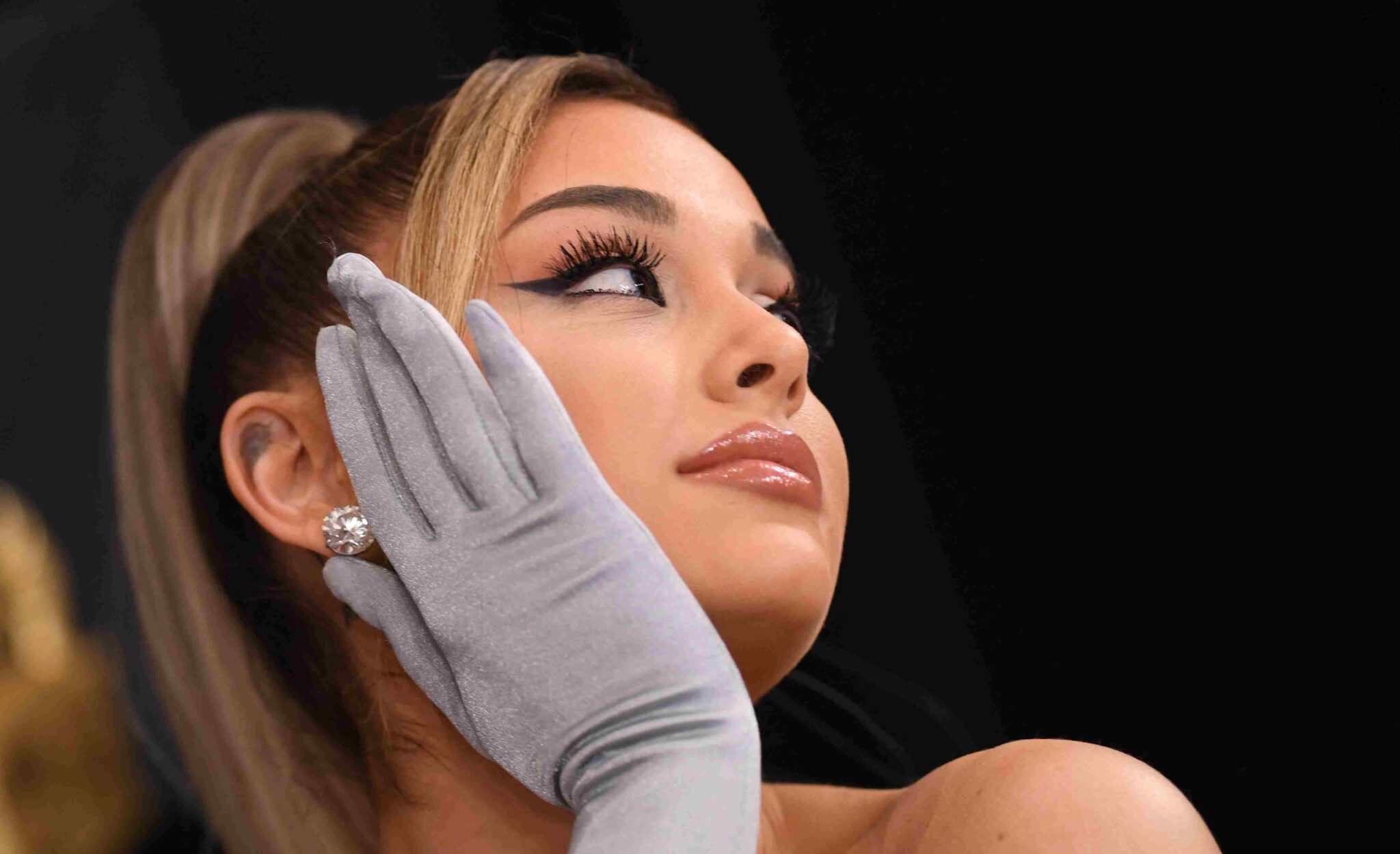
Ariana Grande’s appearance has been a frequent subject of public discourse throughout her career, with much of the discussion centered on her fluctuating skin tone and makeup style. The perception of her "without tan" look often refers to her natural complexion, which has become more visible in recent years as she has shifted away from the heavy spray tans and bronzed aesthetics that defined her early pop star persona.
The Intersection of Public Perception and Personal Branding
The fascination with Ariana Grande’s skin tone is fundamentally tied to the evolution of her career. As an artist who rose to fame as a teenager on Nickelodeon, her image was heavily managed and curated. Throughout the mid-2010s, particularly during her My Everything and Dangerous Woman eras, a highly bronzed, sun-kissed aesthetic became a hallmark of her visual identity.
Public scrutiny regarding her appearance—specifically the contrast between her "tan" phase and her natural skin tone—largely stems from the cultural hyper-fixation on celebrity beauty standards. When fans or media outlets discuss her "without tan" appearance, they are usually referencing archival footage from her early career or candid, low-glam moments where the heavy artificial pigment is absent. This transition is not merely a change in preference; it is a component of a larger shift in her personal brand toward a more mature, refined, and minimalist aesthetic.
Historical Context: The Bronzing Era
To understand the current "without tan" discourse, one must analyze the industry context of the early 2010s. The pop music industry heavily favored a specific "California glow," which was achieved through both intense studio lighting and cosmetic tanning. For many performers, these aesthetic choices were designed to create a sense of uniformity and polish that played well on high-definition screens and stage productions.
Grande’s use of artificial tanning products was consistent with the stylistic norms of that period. In professional settings, makeup artists often use contouring, bronzers, and spray tans to ensure skin tone appears consistent under the harsh, multi-angle lighting of television sets and stage lights. When audiences see her "without tan," they are often viewing her complexion in its baseline state, which is significantly lighter and cooler in undertone than the warm, golden hues she wore during her peak pop-stardom years.
Factors Influencing Skin Tone Perception
The perceived changes in Grande’s skin tone are influenced by several technical and environmental factors rather than a singular, drastic change. Understanding these helps clarify why her appearance can seem so variable to the casual observer.
Lighting and Color Grading
In professional photography and cinematography, "white balance" is a critical setting. If a camera is white-balanced for a warm environment, the resulting footage will appear golden. If it is balanced for cooler, blue-toned light, the subject's skin will appear paler. Many of the viral comparisons showing Grande "without tan" vs. "with tan" are essentially side-by-side shots of different lighting conditions rather than an accurate representation of a permanent shift in her skin pigment.
Makeup Artistry and Contouring Techniques
Makeup trends have evolved drastically between 2013 and 2026. The mid-2010s were dominated by "heavy glam"—full-coverage foundation, intense strobing, and heavy bronzing. Conversely, the 2020s have trended toward "clean girl" aesthetics, which emphasize skin texture, minimal product use, and natural undertones. Grande’s makeup team has adapted to these industry shifts, choosing lighter, more luminous foundations that prioritize a natural finish over the matte, bronze-heavy look of her earlier years.
The Impact of Lifestyle and Professional Burnout
It is also worth noting that lifestyle, hydration, and long-term exposure to artificial light can impact how skin appears on camera. Professional performers who are constantly on tour or filming may experience skin fluctuations due to fatigue, product sensitivity, or the simple act of stepping out of the spotlight and into a more private, low-maintenance routine.
The Role of Cultural Discourse and Social Media
Social media platforms like TikTok and X (formerly Twitter) play a massive role in sustaining the conversation about Grande’s appearance. These platforms thrive on "before-and-after" comparisons, which are often used to generate engagement.
When a user posts an image of Grande from 2026 and compares it to a 2015 photo, they are often creating a false narrative of radical change. The "without tan" aesthetic is frequently framed by fans as a "return to self" or a sign of personal evolution, even though such changes are largely dictated by the professional stylists who curate her image for specific projects. The obsession with her skin tone is a symptom of the modern era’s tendency to treat celebrities as static entities who should not evolve or shift their aesthetic choices.
Comparative Overview of Aesthetic Eras
The following table outlines how different variables contribute to the perception of Grande's appearance over the years.
| Factor | Early Career (2013-2016) | Recent Eras (2024-2026) |
|---|---|---|
| Foundation Style | Matte, Full-Coverage, Bronzed | Luminous, Sheer, Natural Undertones |
| Lighting Standards | High-Contrast, Warm, Stage-Lit | Natural, Soft, Diffused Studio Lighting |
| Primary Aesthetic | High-Glam, Pop-Star Polish | Minimalist, "Clean Girl" Sophistication |
| Bronzing Routine | Heavy use of self-tanner/bronzer | Minimal bronzer, focus on skin texture |
| Cultural Context | Heavy contouring/Insta-glam trends | Minimalist, skincare-focused trends |
Debunking Common Misconceptions
There are several myths that persist regarding the "without tan" discussion. It is crucial to separate verified realities from online speculation.
- The "Permanent Change" Myth: Many fans assume that her lighter appearance is a result of permanent treatments. In reality, it is mostly the abandonment of heavy tanning products and the adoption of modern, lighter-weight cosmetic formulas.
- The "Identity" Argument: Some observers frame the change as a moral or cultural statement. While artists do utilize image to reflect personal growth, these changes are often driven by the collaborative efforts of professional stylists, photographers, and branding teams.
- The "Unhealthy" Narrative: Occasionally, speculation arises regarding her health based on her skin tone. It is important to remember that skin tone can appear different based on contrast with hair color, clothing choices, and the health of the skin barrier, none of which are indicators of overall medical wellness.
Professional Advice and Limitations
When examining the appearance of public figures, it is essential to maintain perspective. Celebrity images are rarely "unprocessed." High-end professional photography involves extensive color correction, retouching, and specific lighting setups that serve to support a specific artistic narrative.
If you are looking to understand your own skin tone or aesthetic, it is better to consult with a professional makeup artist or a dermatologist rather than attempting to replicate the look of a celebrity whose appearance is managed by a team of experts and filtered through advanced digital post-production. The "look" of a star is an illusion crafted for the screen; your personal aesthetic should be based on your unique skin chemistry and comfort.
Frequently Asked Questions
Why does Ariana Grande look so much lighter in her recent photos compared to the past? Her recent appearance is a result of transitioning away from the heavy-handed bronzing and matte foundation trends of the 2010s. By embracing modern, light-reflective makeup and professional lighting that favors natural tones, her complexion naturally appears lighter and more subdued than during her earlier career.
Did she stop using self-tanner entirely? While there is no public confirmation of her specific product usage, visual evidence suggests a significant reduction in the use of heavy self-tanning agents. The modern trend in beauty is heavily focused on "skinimalism," which encourages a more natural, authentic appearance rather than an artificially altered skin tone.
How much does lighting affect the way we see her skin? Lighting is the single most important factor. Warmer, golden lighting will make any skin tone appear bronzed, while cool-toned LED lighting will make skin appear much paler or rosier. Many viral photos that highlight her "without tan" look are simply taken in environments with different light temperatures than her stage photos.
Is it possible to achieve her "without tan" look at home? Yes, by prioritizing skincare and using sheer, skin-tinted products rather than heavy foundations. Avoiding heavy bronzers and opting for blush-focused, luminous makeup can help achieve the fresh, natural aesthetic that is currently trending and visible in her most recent public appearances.
Final Recommendation
If you are interested in transitioning your own look toward a more natural, "no-tan" aesthetic, start by auditing your current foundation and bronzing products. Look for sheerer formulas that allow your natural skin texture and undertones to show through. Focus on skincare—hydration and exfoliation—to improve your natural radiance, which is the foundational element of the look Grande currently portrays. Remember that what you see in the media is a curated professional product; focus on what makes you feel the most confident in your own skin.