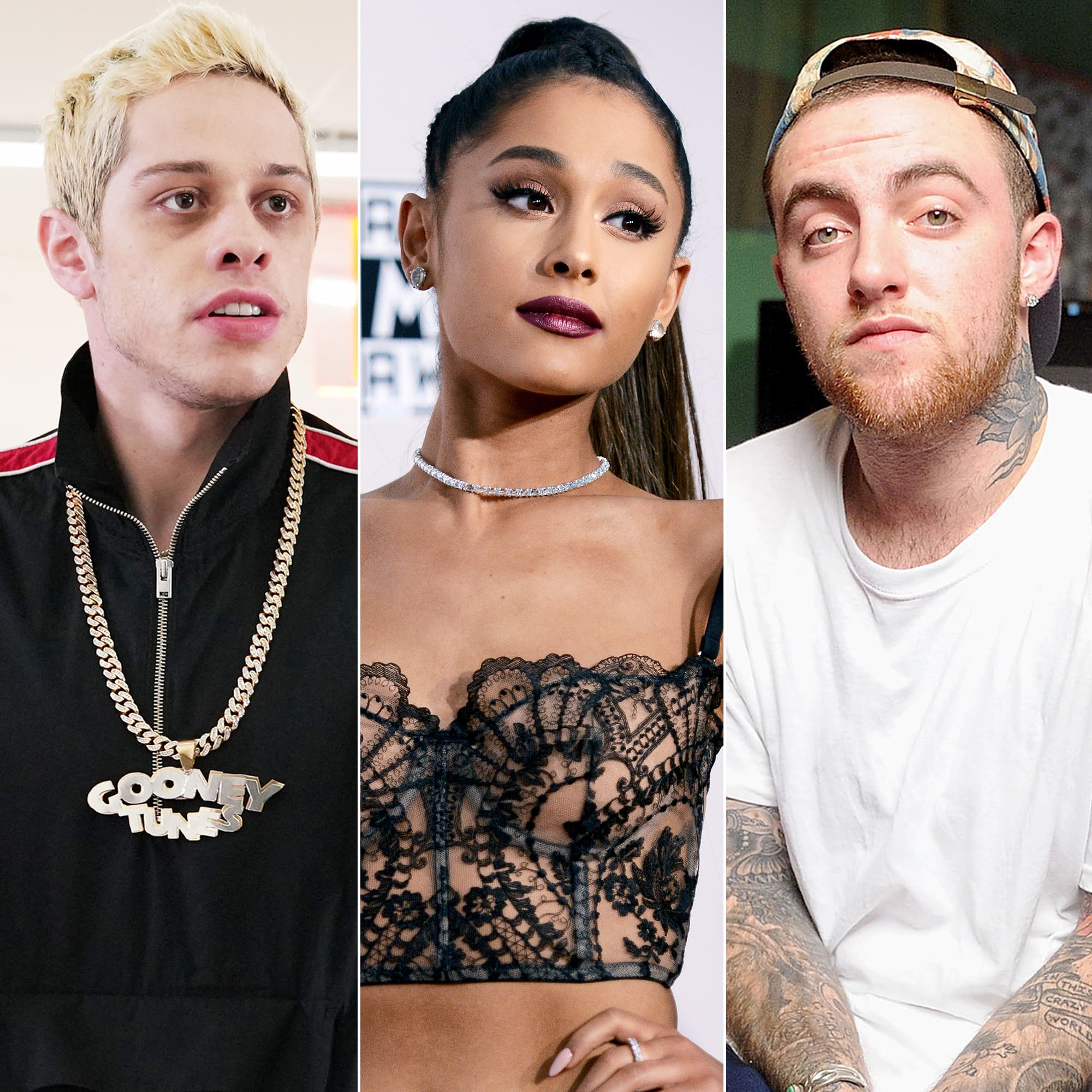
At the time of his passing on September 7, 2018, Ariana Grande was not present with Mac Miller. The rapper, born Malcolm James McCormick, was found unresponsive at his residence in Studio City, California, and was pronounced dead at the scene. The pair had ended their romantic relationship several months earlier, in the spring of 2018, and were not in a physical or intimate relationship at the time of the incident.
The separation between high-profile figures often generates significant public interest, leading to inevitable speculation regarding timelines, physical proximity, and personal involvement during tragic events. Understanding the facts of this situation requires separating the documented timeline of their relationship from the specific circumstances of September 7, 2018.
The Timeline of the Relationship
Ariana Grande and Mac Miller maintained a long-standing personal and professional connection that began as early as 2012 when they collaborated on the song "The Way." Their friendship evolved into a romantic relationship in 2016, a period during which they frequently appeared together in the public eye, collaborated on music, and openly supported one another's artistic endeavors.
By early 2018, however, the couple began to experience difficulties. Reports from various reputable media outlets confirm that by May 2018, the two had decided to end their romantic relationship. At the time of their split, both parties addressed the breakup through social media, with Grande notably describing Miller as one of her "best friends in the whole world" and expressing her continued love and support for him despite the conclusion of their romantic partnership. This public discourse was aimed at clarifying that while the romance had ceased, the personal respect and bond remained intact.
Circumstances of September 7, 2018
On the morning of September 7, 2018, emergency services were dispatched to Miller’s home in the San Fernando Valley. Despite the efforts of first responders, the rapper was pronounced dead shortly before noon. The Los Angeles County Department of Medical Examiner-Coroner later determined that the cause of death was an accidental drug overdose involving a mix of fentanyl, cocaine, and ethanol.
At the time the emergency call was placed, and during the subsequent investigation into the circumstances of his death, investigators confirmed that Ariana Grande was not at the residence. She was not involved in the events that transpired at the home that day. Her absence from the scene is a verified fact that counters various internet rumors and uninformed public conjecture that suggested she might have been present or involved in the events leading to the tragedy.
Public Reaction and Subsequent Grief
Following the news of Miller’s death, the public and media attention surrounding the tragedy frequently drew comparisons to the couple's past relationship. Ariana Grande experienced significant public and media scrutiny during this period. On September 14, 2018, she posted a tribute to Miller on her social media platforms, featuring a photograph of him and a caption expressing her profound sorrow.
The intensity of this experience took a toll on Grande, who was frequently forced to address public misconceptions regarding her role in Miller’s life and his struggles. In subsequent interviews, she spoke candidly about the difficulty of grieving in the public eye and the pressure of being associated with his health challenges, noting that she had invested considerable energy into supporting his sobriety during their time together.
Clarifying the Misconceptions
The recurring search intent regarding whether Grande was with Miller when he died stems largely from the persistence of parasocial relationships—a psychological phenomenon where fans develop one-sided emotional attachments to public figures. When a tragedy occurs involving two figures who were once a prominent couple, the public often seeks to create a narrative that ties them together until the very end.
However, the legal and medical investigations into Miller’s death established a clear timeline of his final hours, none of which included the presence of his ex-partner. It is essential to distinguish between the emotional connection the two maintained and their physical proximity, which had been non-existent for months prior to the incident.
Comparative Timeline of Relationship Status and Events
| Event/Period | Status of Relationship | Verified Location Context |
|---|---|---|
| 2016–Early 2018 | Dating | Frequently co-located; collaborative projects. |
| May 2018 | Relationship Ended | Publicly confirmed as separated. |
| Summer 2018 | Friendship Maintained | Living in separate residences. |
| Sept 7, 2018 | Deceased | Grande was not at the Studio City residence. |
The Role of Media and Public Speculation
The narrative that someone must have been with a person when they pass away is a common human projection, especially when that person is a beloved public figure. In the aftermath of 2018, many tabloids and social media threads attempted to reconstruct the last days of Miller’s life. Because Grande had been a major part of his life, she was often the target of these narratives.
The dissemination of misinformation—such as theories that she was at the house or that she was responsible for his well-being—created a significant burden for her. It serves as an example of how digital ecosystems often prioritize engagement-driven speculation over verified, official reports. Legal records and coroner findings, which are objective documents, provide the only reliable evidence regarding who was present at a crime or death scene.
Understanding Grief in the Public Eye
For many fans, the death of Mac Miller was a cultural touchstone that highlighted the dangers of substance abuse. The focus on Ariana Grande’s absence or presence during that time often distracted from the broader, more critical conversation regarding the impact of addiction.
Grande’s own journey in the years since 2018 has involved navigating the intersection of her personal healing and her professional career. Her ability to move forward has been marked by a respectful distance from the tragedy that was imposed upon her by the public, ensuring that her memories of Miller remain her own, rather than the property of public speculation.
Frequently Asked Questions (FAQ)
1. Was Ariana Grande interviewed by police regarding Mac Miller’s death? Official records of the investigation into Miller’s passing do not show that Ariana Grande was involved in the legal process or police investigations. Because they were not in a relationship and did not share a residence at the time, she had no direct involvement in the events of September 7, 2018.
2. Did they maintain contact after their breakup? Yes, both parties acknowledged that they remained friends after their romantic relationship ended. While they were not together at the time of his passing, there is no evidence to suggest a complete cessation of their supportive, platonic friendship.
3. Why do people search for whether she was with him? This search is largely driven by a public desire for a sense of "closure" or a specific narrative arc regarding their famous relationship. Fans often find it difficult to reconcile the suddenness of a tragedy with the reality that an ex-partner had moved on with their life.
4. Did Ariana Grande address the rumors about her being there? Grande has largely focused on her own grieving process through music and personal tributes rather than engaging in "myth-busting" every rumor. By choosing not to give oxygen to unfounded theories, she has maintained a boundary between her private grief and the public's desire for details.
5. How can we verify the facts of his passing? The official cause and circumstances of Mac Miller’s death were documented in the report issued by the Los Angeles County Department of Medical Examiner-Coroner. These reports are public records and remain the primary source for factual information regarding the timeline and cause of death.
Next Steps and Recommendations
If you are researching this topic for personal interest or historical accuracy, rely on the official reports provided by the Los Angeles County Medical Examiner. Avoid relying on commentary from social media threads or unverified tabloid reports, which often prioritize sensationalism over factual accuracy.
For those interested in the artistic legacy of both individuals, focusing on their collaborative works, such as the studio recordings and live performances they shared, provides a much more meaningful insight into their connection than speculating on the private details of their final months apart. Maintaining respect for the privacy of those involved—even public figures—is the most appropriate way to honor the legacy of those who have passed away.