Ariana Grande’s voice acting career is defined by a blend of high-profile animated feature films, long-running television series, and specialized vocal character work. While primarily recognized for her global success as a recording artist, Grande has maintained a consistent presence in voice-over performance throughout her career, utilizing her signature vocal range and distinct comedic timing to portray iconic animated figures.
The Evolution of Ariana Grande in Voice Performance
Ariana Grande’s transition into voice acting began early in her career, mirroring the paths of many multi-hyphenate entertainers who leverage their vocal training for animation. Unlike traditional voice acting, which often requires a complete departure from a performer’s natural speaking voice, much of Grande's work highlights her recognizable vocal identity while adapting it to suit the expressive demands of animated characters.
Her early foray into the medium was characterized by roles that aligned with her persona at the time, specifically within the Nickelodeon ecosystem. As she matured, her voice acting roles became more specialized, requiring a higher degree of emotional range to fit the narratives of high-budget studio productions. By 2026, her filmography serves as a case study in how a pop star’s voice can be translated into the distinct, non-human, or stylized worlds of contemporary animation.
Key Voice Acting Roles and Projects
To understand Grande’s contribution to voice acting, one must examine the specific projects where she provided vocal talent. These roles vary from television cameos to leading roles in feature-length productions.
1. Winx Club (2011–2013)
One of Grande's earliest notable voice roles was the character Diaspro in the Nickelodeon revival of Winx Club. This role required a departure from her typical "girl next door" image, as Diaspro was an antagonist. This early experience allowed her to practice the technical aspects of vocal pacing and the specific articulation required for children’s fantasy animation, where dialogue must remain clear even amidst complex sound design.
2. Underdogs (2016)
In the animated sports comedy Underdogs, Grande voiced the character Laura. This project is significant because it required a more grounded, humanistic performance compared to the fantasy-based Winx Club. The film’s production necessitated a clear separation between her musical singing voice and her spoken dialogue, a skill that is frequently tested in actors who are also professional vocalists.
3. Family Guy (2014)
Grande’s appearance on Family Guy serves as a prime example of the "celebrity cameo" in voice acting. In these instances, the actor is often expected to play a heightened or parodied version of themselves or a specialized character archetype. These performances rely heavily on comedic timing and the ability to hit specific punchlines within the tight structural constraints of adult animation.
Technical Skills and Vocal Preparation
Voice acting requires a specific set of technical skills that differ significantly from stage or screen acting. For a professional singer like Ariana Grande, the process involves distinct adjustments to protect the vocal cords while maximizing projection and character nuance.
- Breath Control and Dynamics: Having professional-grade breath support allows Grande to sustain long lines of dialogue without the "breathiness" that can sometimes plague non-professional voice actors. This is particularly useful in action-oriented animation where characters are required to exert physical effort.
- Vocal Placement: While singing often requires placement in the head or chest to achieve specific resonance, voice acting frequently requires a "mask" placement to ensure the voice cuts through background music and sound effects. Grande’s training allows her to shift these registers quickly.
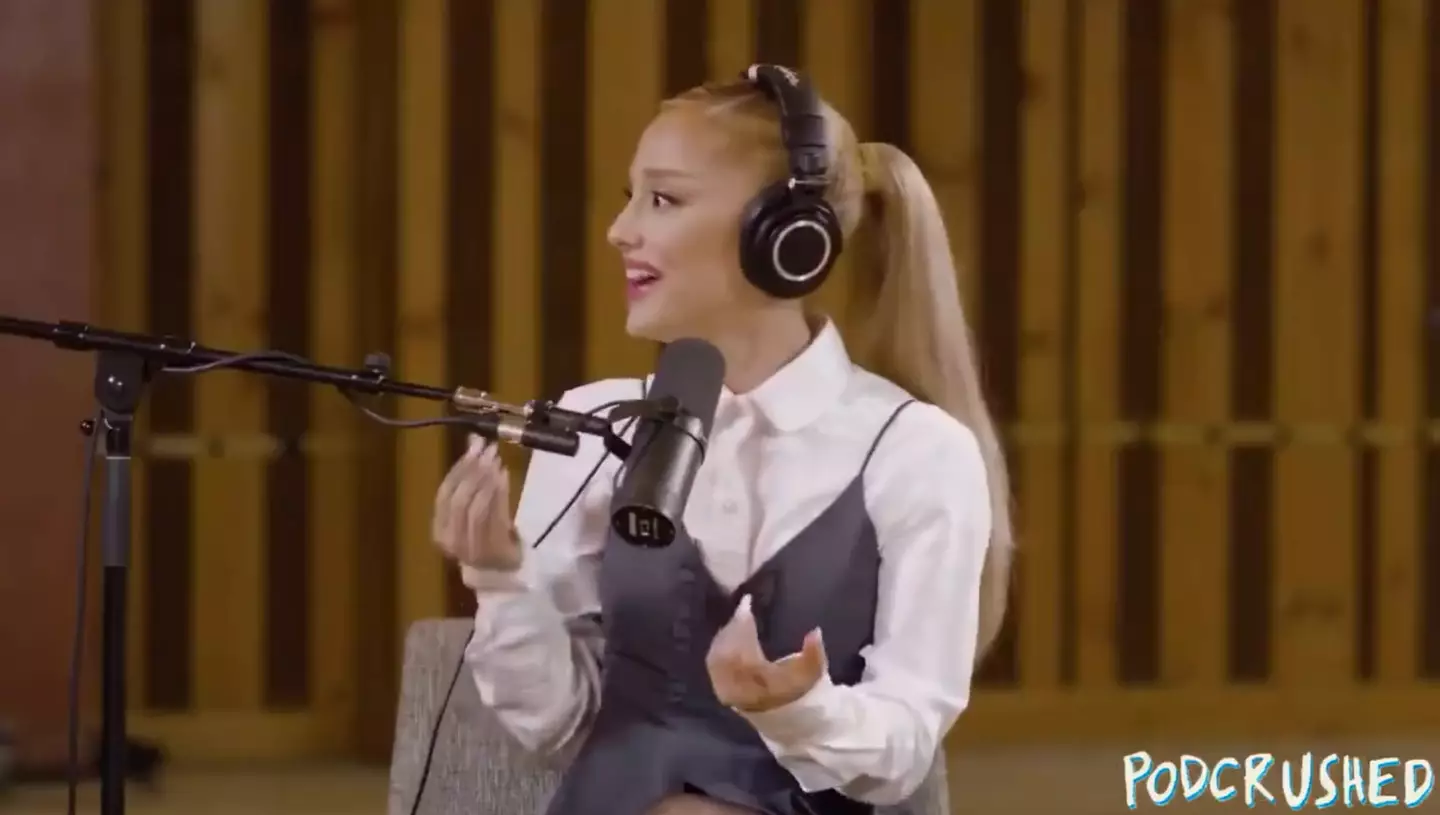
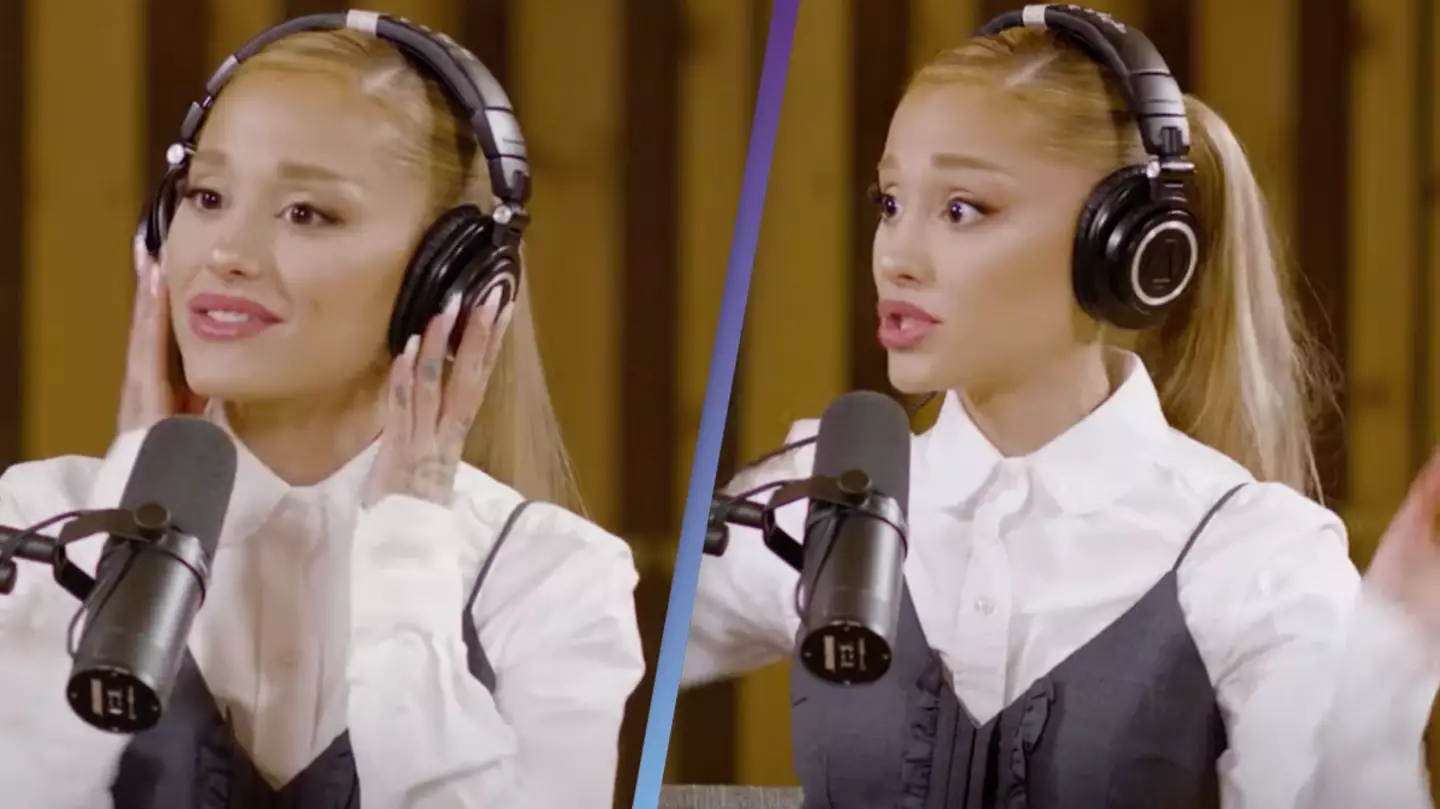
- Microphone Technique: Recording for animation requires an intimate understanding of proximity effect—how close the speaker is to the microphone—and how to adjust volume levels to prevent clipping during high-intensity scenes.
Comparison of Performance Mediums
The following table contrasts the requirements of voice acting in different media formats as observed in Grande’s career.
| Medium | Primary Challenge | Technical Focus | Artistic Intent |
|---|---|---|---|
| Feature Film | Emotional Depth | Consistency over long arcs | Character development |
| TV Animation | Episodic Pacing | Clarity and comedic timing | Rapid plot progression |
| Cameo Roles | Immediate Impact | Satire and recognition | Brand integration |
The Role of Voice Acting in a Pop Star’s Career
For artists at Grande's level, voice acting offers a strategic advantage. It allows the performer to reach younger audiences who may not yet be the target demographic for their musical content. Furthermore, it adds a layer of versatility to their public portfolio. By taking on roles in animated projects, an artist can participate in the film industry without the time-intensive physical constraints of live-action filming schedules, which often conflict with global concert tours and recording sessions.
However, the industry also faces criticism when casting A-list celebrities over specialized voice actors. Critics often point to the potential loss of "character invisibility," where the audience hears the famous person instead of the character. Grande has largely avoided this trap by selecting roles that allow for creative interpretation, effectively bridging the gap between her public image and the fictional characters she portrays.
Common Misconceptions Regarding Voice Over Work
A frequent point of confusion for fans is the distinction between "dubbing" and "character acting." Dubbing, which involves matching lip movements in a translated film, requires a specific synchronization skill set. Character acting, which is what Grande has focused on, involves building a persona from the ground up, often before the animation is finalized. In most of her projects, Grande recorded her lines before the animators completed the character movements, which is standard practice in major studio productions. This "voice-first" approach allows the animators to capture the subtleties of the actor's performance, including natural breathing patterns and spontaneous vocal inflections.
Future Outlook and Industry Standards
As of 2026, the industry is seeing a shift toward the integration of AI-assisted vocal processing, though this remains controversial. For performers like Grande, who have built careers on the uniqueness of their vocal identity, protecting their voice—and their "vocal likeness"—is an essential component of their legal and professional management. When evaluating the career of a modern voice actor, it is necessary to consider how they maintain quality control across various platforms while navigating the evolving landscape of digital rights and performance capture technology.
Frequently Asked Questions
Does Ariana Grande perform her own singing for her animated roles? Yes, in projects where the character is scripted to sing, Grande utilizes her professional training to perform the musical numbers. This is a standard expectation in high-budget animated musicals, where the character’s singing voice must match their speaking voice for narrative continuity.
Is voice acting significantly different from live-action acting for Grande? The primary difference is the loss of physical feedback. In live action, an actor can use body language to convey emotion. In voice acting, that entire spectrum of expression must be distilled into the voice, requiring a more exaggerated and precise delivery to compensate for the lack of visual cues.
How does Grande prepare for a voice acting role? Preparation usually involves a "table read" or a script study period to understand the character’s motivations. Because her schedule is demanding, she often works with dedicated vocal coaches during production to ensure she maintains her character voice throughout the recording sessions without vocal fatigue.
Why are pop stars often chosen for voice acting roles? From a studio perspective, the decision is often driven by marketing. A recognizable voice can increase the appeal of an animated feature, helping to secure broader distribution and audience engagement across different global markets.
Can fans expect more voice acting from Grande in the future? While her primary focus remains on her music and live-action career, her history indicates that she is open to selective voice projects. These roles are typically chosen based on the quality of the script and the character’s ability to offer something new to her portfolio.
Final Recommendation for Fans and Researchers
For those looking to explore the technical aspects of Ariana Grande's voice acting, it is recommended to compare her early work in Winx Club with her later, more mature character portrayals. By examining the shift in her modulation and character-building techniques, one can gain a deeper understanding of the professional discipline required for high-level voice work. If you are interested in the broader industry, consult current databases on SAG-AFTRA guidelines for animated voice performers to see how professional standards are upheld for celebrity talent in the modern era.