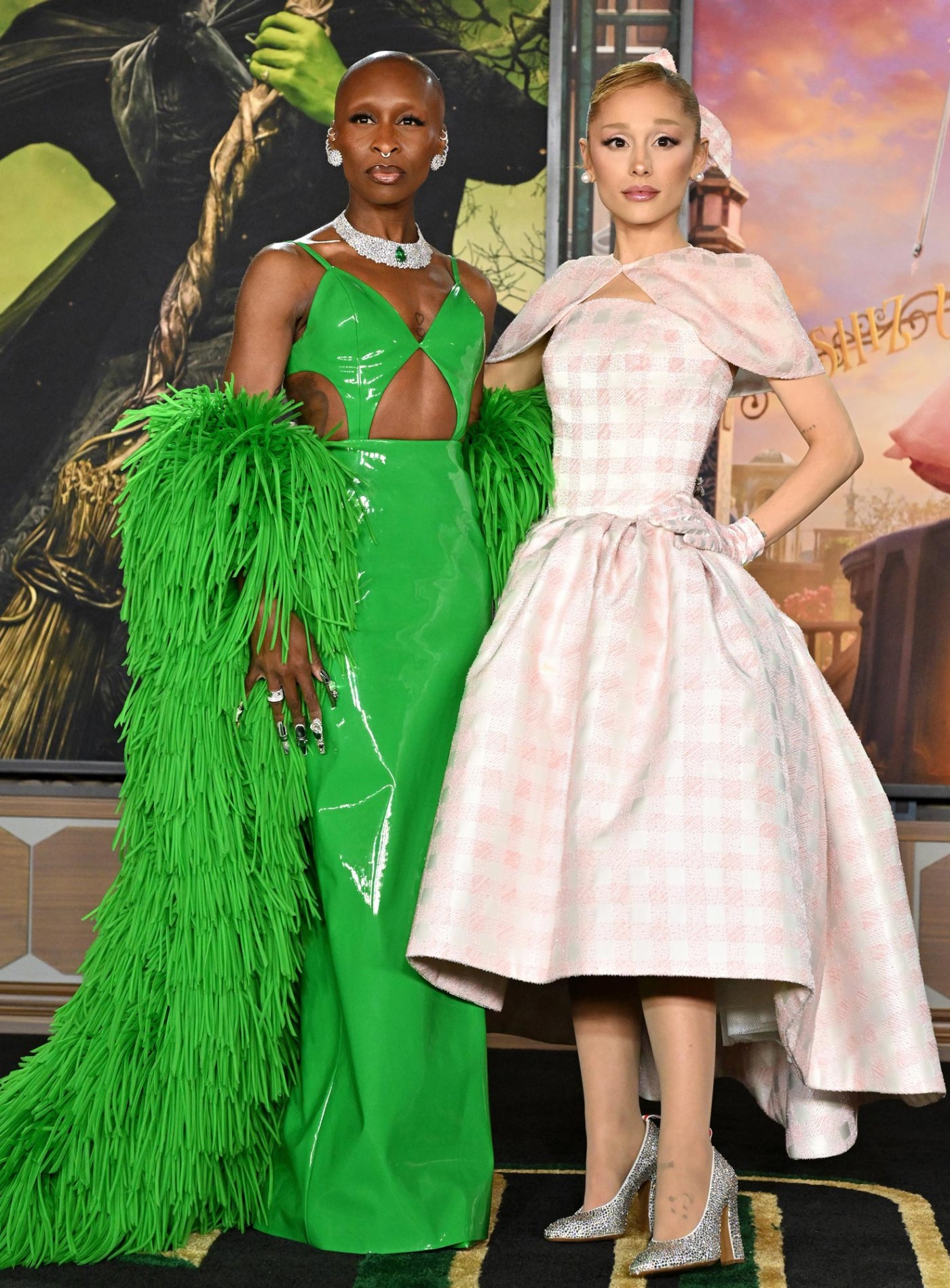
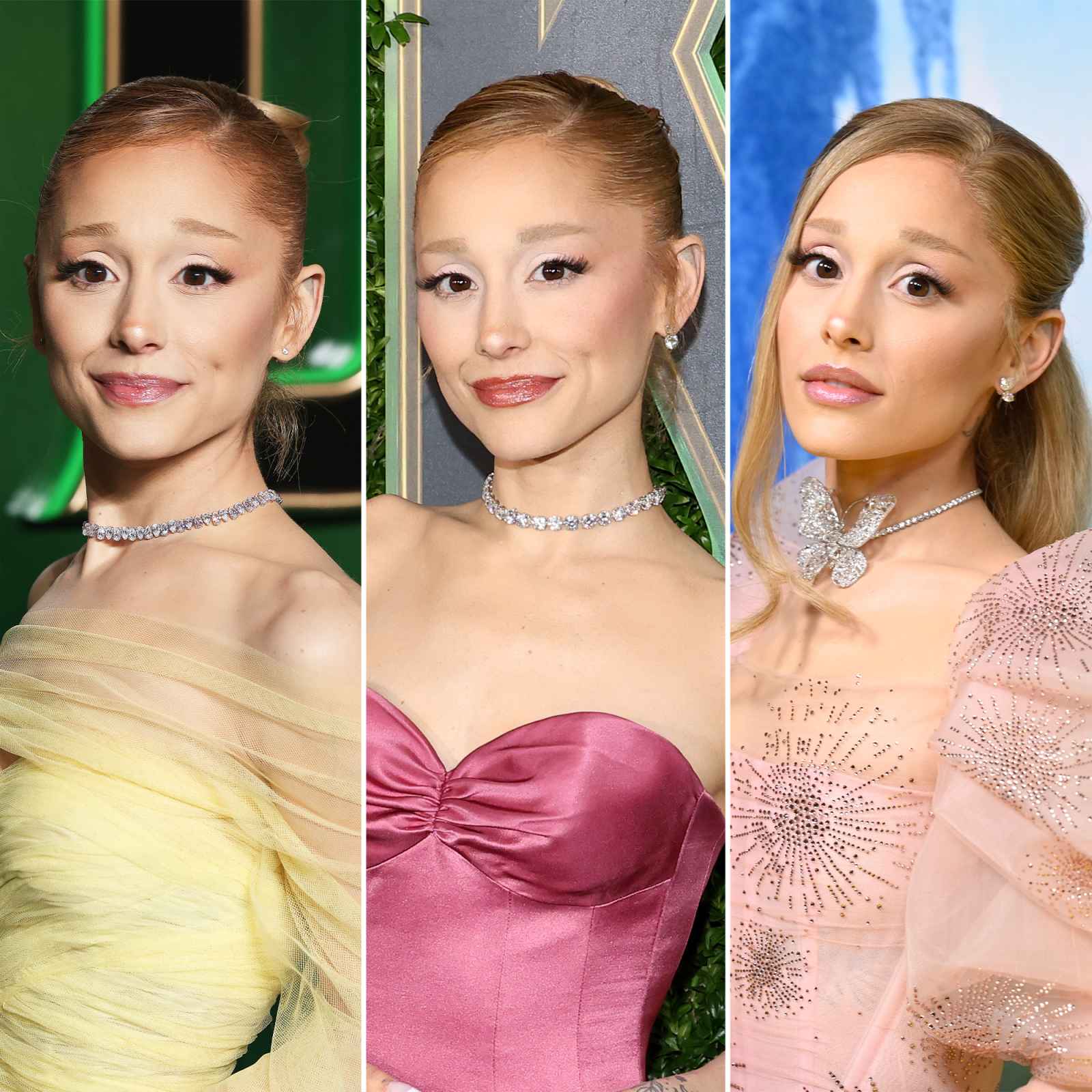
Ariana Grande’s press tour for the 2024 film adaptation of Wicked stands as a defining moment in modern celebrity promotional strategy, characterized by "method dressing" and a meticulous alignment of personal aesthetic with the character of Glinda the Good Witch. The tour served as a masterclass in immersive marketing, bridging the gap between high-fashion editorial presence and fan-centric digital engagement.
The Strategic Foundations of the Wicked Press Tour
When analyzing a global press junket of this magnitude, it is essential to distinguish between standard promotional duties and a curated brand immersion. Ariana Grande’s approach to the Wicked tour was not merely about answering questions; it was a carefully constructed visual narrative that evolved alongside the production’s release cycle.
The primary intent of the tour was to leverage Grande’s massive social media influence to transition her public persona from pop icon to prestige actress. By adopting a soft, pastel-heavy, and ethereal aesthetic reminiscent of the Land of Oz, Grande achieved a sensory consistency that reinforced her role as Glinda. This strategy was not accidental. In the world of prestige film publicity, the actor becomes an extension of the film's production design. By mirroring the film’s color palette and whimsical visual language, the tour created a cohesive brand identity that persisted even when the star was not actively discussing the movie.
Method Dressing as a Promotional Vehicle
"Method dressing" describes the practice of an actor wearing clothing that directly references their character or the setting of their film while on a promotional tour. For the Wicked cycle, this was the primary driver of engagement.
The strategy functioned on several levels:
- Visual Recognition: Fans and non-fans alike received constant, subtle visual cues that associated the color palette—primarily pinks, creams, and floral motifs—with the film.
- Fashion Industry Buy-in: By partnering with heritage couture houses to create custom looks that balanced high-fashion sensibilities with the specific costume design of the film, the production team secured coverage in publications that might otherwise overlook a blockbuster musical adaptation.
- Digital Virality: Each ensemble became a standalone piece of content. On platforms like Instagram and TikTok, the reveal of a specific outfit during a stop in a major city acted as a localized marketing event, driving millions of impressions without the need for traditional paid advertising.
Logistical Requirements and Global Coordination
Executing a press tour of this scale requires a high degree of logistical precision. For a global release, the team must navigate different media environments, from red carpet premieres to intimate roundtable interviews and live television appearances.
Key components of the 2024 tour strategy included:
- Localized Context: While the core aesthetic remained consistent, the outfits and talking points were adjusted based on the region. In major fashion capitals like Paris or New York, the focus remained on the couture aspect, while morning show segments in the United States focused on the technical challenges of musical performance and the interpersonal chemistry between Grande and co-star Cynthia Erivo.
- The "Oz" Narrative: The press tour was structured around the duality of the two leads. The contrast between Glinda’s light, airy, and pink aesthetic and Elphaba’s dark, structured, and green-toned aesthetic became the fundamental hook for journalists. This binary setup ensured that every interview, regardless of the outlet, had a clear and easy-to-follow theme.
- Content Cadence: The tour was spaced to coincide with the film’s multi-part release strategy. By slowing the rollout of key fashion moments, the marketing team maintained sustained interest rather than peaking too early, ensuring that the Wicked branding remained omnipresent during the critical weeks leading up to the film’s theatrical debut.
Comparative Analysis of Promotional Strategies
To understand the effectiveness of this tour, it is helpful to compare it to traditional film promotion. In the past, press tours relied on standard interviews, talk show appearances, and billboard advertising. Today, the "influencer-adjacent" celebrity model, as utilized by Grande, relies on the audience’s desire to participate in the "aesthetic" of the product.
| Strategy Component | Traditional Film Tour | The Wicked Approach |
|---|---|---|
| Primary Visuals | Standard press kit photos | Curated "Method Dressing" |
| Audience Engagement | Passive consumption | Active social media participation |
| Fashion Integration | Secondary to publicity | Primary driver of engagement |
| Brand Consistency | High variance in appearance | Rigid adherence to film's palette |
Technical Challenges and Industry Impact
One of the significant challenges of this approach is the sheer volume of assets required. Maintaining a consistent look for months requires dozens of individual couture looks, hair and makeup consistency, and constant coordination with brand stylists.
Furthermore, there is a risk of "aesthetic fatigue." If the styling is too rigid, the actor risks losing their own identity, potentially leading to audience detachment. Grande mitigated this by periodically integrating elements of her established pop star identity—subtle references to her previous eras—which served to anchor her fans to the new Wicked persona.
For future film productions, the Wicked tour has set a new benchmark. It demonstrated that a blockbuster film is no longer just a cinematic product; it is a lifestyle brand that must permeate every appearance the lead actors make. Studios are now expected to allocate significantly larger budgets to the "press tour wardrobe" as a form of experiential marketing, rather than just an accessory to the PR process.
Common Misconceptions
There is a frequent misunderstanding that the fashion choices were merely "pretty clothes" chosen for a photo opportunity. In reality, every fabric choice, silhouette, and accessory was subject to strict approval processes to ensure it aligned with the film’s intellectual property.
Another misconception is that the tour was purely organic. While the "viral" moments appeared spontaneous, they were the result of a rigorous calendar that accounted for time zones, climate, lighting, and cultural relevance of the specific city. The ability to appear effortless while adhering to a strict, pre-planned promotional roadmap is the hallmark of the high-level talent management displayed here.
Future Implications for Celebrity Publicity
As we look at the landscape in 2026, the Wicked press tour remains the standard for how to handle high-profile adaptations. It proved that audiences are willing to engage with film marketing as a form of cultural performance art. Future campaigns will likely lean even further into the "immersive" aspect, potentially utilizing augmented reality or real-time interactive elements during live events to mimic the world of the film.
However, a cautionary note remains: the effectiveness of this strategy depends entirely on the performer's ability to maintain a connection with the audience. If the "method" becomes too detached from the actor's natural personality, the campaign risks feeling corporate or hollow. Ariana Grande’s success in this specific instance relied heavily on her pre-existing, deeply devoted fanbase, which provided the initial momentum that allowed the strategy to transcend traditional film marketing.
Frequently Asked Questions
Did Ariana Grande maintain the same aesthetic for every stop of the tour? While the color palette was largely restricted to the shades of her character, Glinda, the silhouettes, textures, and designers shifted to accommodate different regions and types of media appearances. The goal was consistency in mood rather than literal repetition of style.
What was the primary goal of the "method dressing" used during the tour? The goal was to create a visual bridge between the audience's perception of Grande as a pop star and her new role as a theatrical actress. By visually embodying the character's aesthetic throughout the promotional period, she solidified the identity of the film in the minds of potential viewers.
How did the marketing team handle the contrast between the two main characters? The tour was built around the binary of Glinda and Elphaba. By emphasizing the visual tension between the pink, airy aesthetics of Grande and the dark, structured aesthetic of her co-star, the team created a compelling narrative for journalists that simplified the "good vs. evil" or "light vs. dark" themes of the movie.
Is this type of tour strategy sustainable for all actors? This strategy is highly resource-intensive and requires a significant budget, a dedicated fashion team, and a high level of existing public interest. It is most effective for major tentpole films that aim to dominate the cultural conversation, rather than smaller, independent productions.
What role did social media play in the success of the tour? Social media was the primary delivery mechanism for the promotional content. Because the "method dressing" was visually striking, it naturally encouraged fan-made edits, memes, and style breakdowns, which amplified the marketing reach far beyond the initial press coverage.
What is the takeaway for future film publicity teams? The main takeaway is that publicity is an extension of production design. Marketing teams should collaborate with costume departments much earlier in the process to ensure that the promotional tour is an immersive continuation of the film's visual identity.
Recommendation for Further Engagement
For those interested in the intersection of celebrity branding and film marketing, the best next step is to examine the specific partnerships formed between the production and high-fashion houses during this period. Researching the "costume-to-red-carpet" pipeline reveals the intricate level of planning required to make such a transition appear seamless. Analyze the digital engagement numbers associated with specific appearances in major markets to understand which visual cues resonated most strongly with the target demographic.