Ariana Grande’s evolution from a teenage actor on Nickelodeon’s Victorious to one of the most recognizable pop vocalists of the 21st century represents a calculated, multi-stage transition defined by vocal versatility, strategic musical collaborations, and a disciplined pivot from acting to recording artist. By leveraging the built-in audience of the Disney-Nickelodeon era, she successfully navigated the "child star" stigma to establish herself as an independent, record-breaking powerhouse in the modern music industry.
The Foundation: Nickelodeon Beginnings
Ariana Grande’s entry into public consciousness began in the late 2000s, primarily through the lens of young adult television. Before her global chart dominance, she was a central fixture in the Nickelodeon ecosystem. Her breakout role as Cat Valentine in the hit series Victorious (2010–2013) provided her with a massive, dedicated demographic of young viewers.
This period was foundational for several reasons. First, the character of Cat Valentine was quirky and high-energy, requiring Grande to showcase a distinctive, breathy, and versatile comedic timing. Second, the production of Victorious necessitated that she participate in musical numbers, which served as her first professional exposure to the pop production pipeline. When Victorious concluded, she reprised the role for the spin-off Sam & Cat (2013–2014). By the time her contract with the network ended, she had transitioned from a television personality into a young woman with a recognized name and a ready-made digital fan base.
The Pivot to Music: Building a Vocal Identity
The transition from teen actor to pop star is notoriously difficult, with many child actors struggling to detach from their previous personas. Grande’s pivot was marked by a distinct shift in visual aesthetics and vocal style. Her debut studio album, Yours Truly (2013), was a direct attempt to move toward a more mature sound, heavily influenced by 90s R&B and doo-wop.
The lead single, "The Way," featuring Mac Miller, was the catalyst for this transformation. By aligning herself with a respected hip-hop artist and utilizing a more soulful, whistle-register-heavy vocal performance, she signaled to the industry that she was a musician first and an actress second. This record not only debuted at the top of the Billboard 200 but also successfully captured an older, more diverse audience than her Nickelodeon tenure had provided.
Strategic Evolution Through Studio Albums
To understand the scope of her rise, one must look at the progression of her discography. Each album served a specific purpose in cementing her credibility as a vocalist and songwriter.
Early Growth: My Everything and Dangerous Woman
Following Yours Truly, Grande released My Everything (2014), which shifted toward mainstream EDM-pop. This album contained hits like "Problem" and "Break Free," which showcased her ability to occupy radio airwaves. It was an essential phase for broadening her global reach.
By the time Dangerous Woman (2016) arrived, the transition was complete. She abandoned the "teen pop" moniker entirely, embracing a more sophisticated, mature image. The album featured darker, jazz-inflected production, proving that she could handle complex, vocal-heavy compositions while maintaining commercial viability.
Cultural Consolidation: Sweetener and Thank U, Next
In 2018 and 2019, Grande entered a period of unprecedented personal and professional growth. Sweetener showcased a more experimental side, collaborating with Pharrell Williams to explore new sonic textures. However, it was the rapid follow-up, Thank U, Next, that truly cemented her status as a cultural phenomenon. Released just six months after Sweetener, this project functioned as a raw, honest diary of her life, dealing with public loss, heartbreak, and self-empowerment. It broke multiple streaming records and demonstrated that she could maintain a high-frequency output without sacrificing quality.
Comparing Artistic Phases
The following table details the progression of Grande’s career trajectory through her major studio eras.
| Era/Album | Core Vibe | Primary Objective | Commercial Significance |
|---|---|---|---|
| Yours Truly (2013) | R&B / Neo-Soul | Establishing musical credibility | Debut at #1; proved vocal range |
| My Everything (2014) | Pop / EDM | Global radio saturation | Multi-platinum singles; global tours |
| Dangerous Woman (2016) | R&B / Jazz-Pop | Maturation and image shift | Critical acclaim for vocal technique |
| Sweetener (2018) | Avant-Pop | Artistic experimentation | Won Best Pop Vocal Album at Grammys |
| Thank U, Next (2019) | Trap / Pop | Personal vulnerability/Authenticity | Record-breaking streaming numbers |
Factors Contributing to Sustained Success
Grande’s rise was not merely a product of luck; it was characterized by specific, strategic maneuvers that allowed her to outlast many of her contemporaries.
Vocal Technique and Versatility
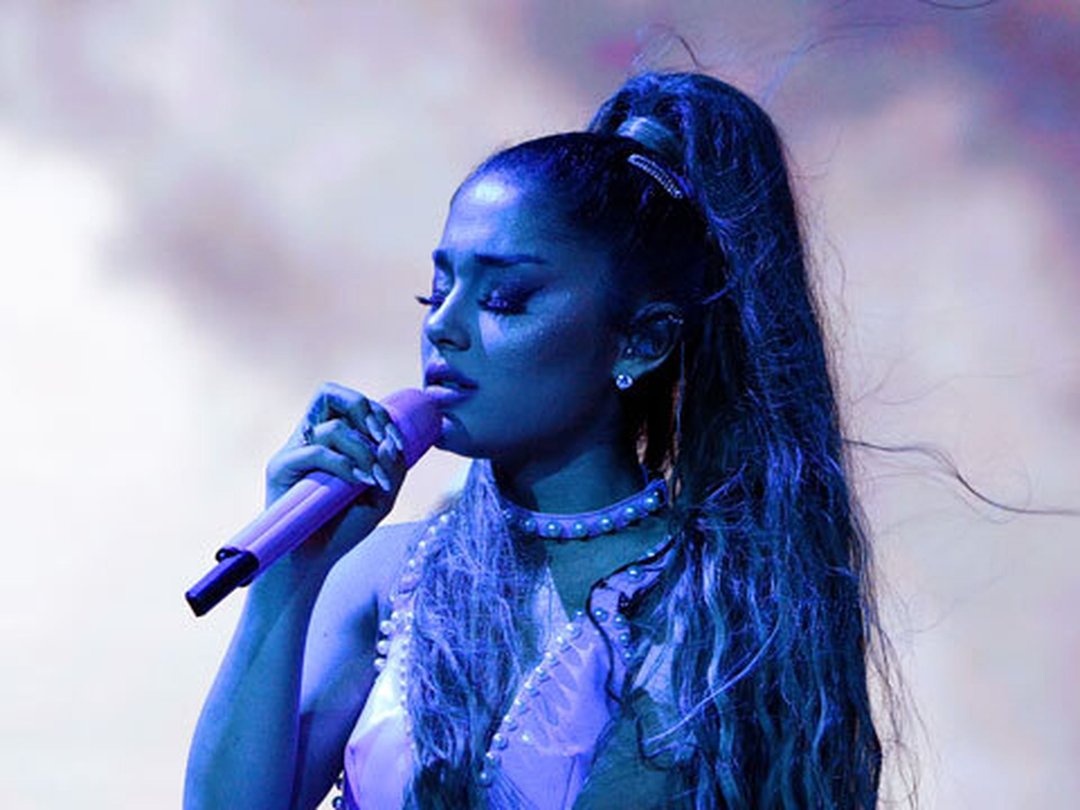
Grande is widely cited by vocal pedagogues for her four-octave range and her ability to mimic various vocal textures. Her proficiency in the whistle register, a technique rarely used in modern mainstream pop, has become a signature element of her live and recorded performances. This technical skill ensures that even as trends shift toward minimalism in pop production, her vocal performance remains the primary focal point of her work.
Digital Literacy and Fan Engagement
Long before many artists understood the shift to social media, Grande utilized platforms like Twitter and Instagram to foster a parasocial relationship with her fans. She maintained a "relatable" persona, often posting unpolished, behind-the-scenes content that contrasted sharply with the highly curated images of her peers. This transparency helped her build a "Arianator" community that remains one of the most mobilized fan bases in the industry.
Tactical Collaborations
Grande has been meticulous in selecting collaborators. From early features with Mac Miller to collaborations with The Weeknd, Nicki Minaj, and Lady Gaga, she has positioned herself within different musical spheres—from hip-hop to dance to cinematic pop—allowing her to cross-pollinate fan bases and remain relevant across multiple genres.
Challenges and Public Resilience
The path to stardom has not been without significant public challenges. Her career has been marked by personal tragedies, including the 2017 Manchester Arena bombing, an event that had a profound impact on her life and artistry. Her response—organizing the One Love Manchester benefit concert—demonstrated a level of leadership and emotional intelligence that garnered significant respect beyond her core fan base.
Navigating the media spotlight while managing public scrutiny regarding her personal life and health has required a high degree of resilience. By choosing to address these difficulties through her music—most notably in Thank U, Next—she reclaimed the narrative, transforming private pain into public art, which solidified her connection with a maturing audience.
The Role of Branding and Image
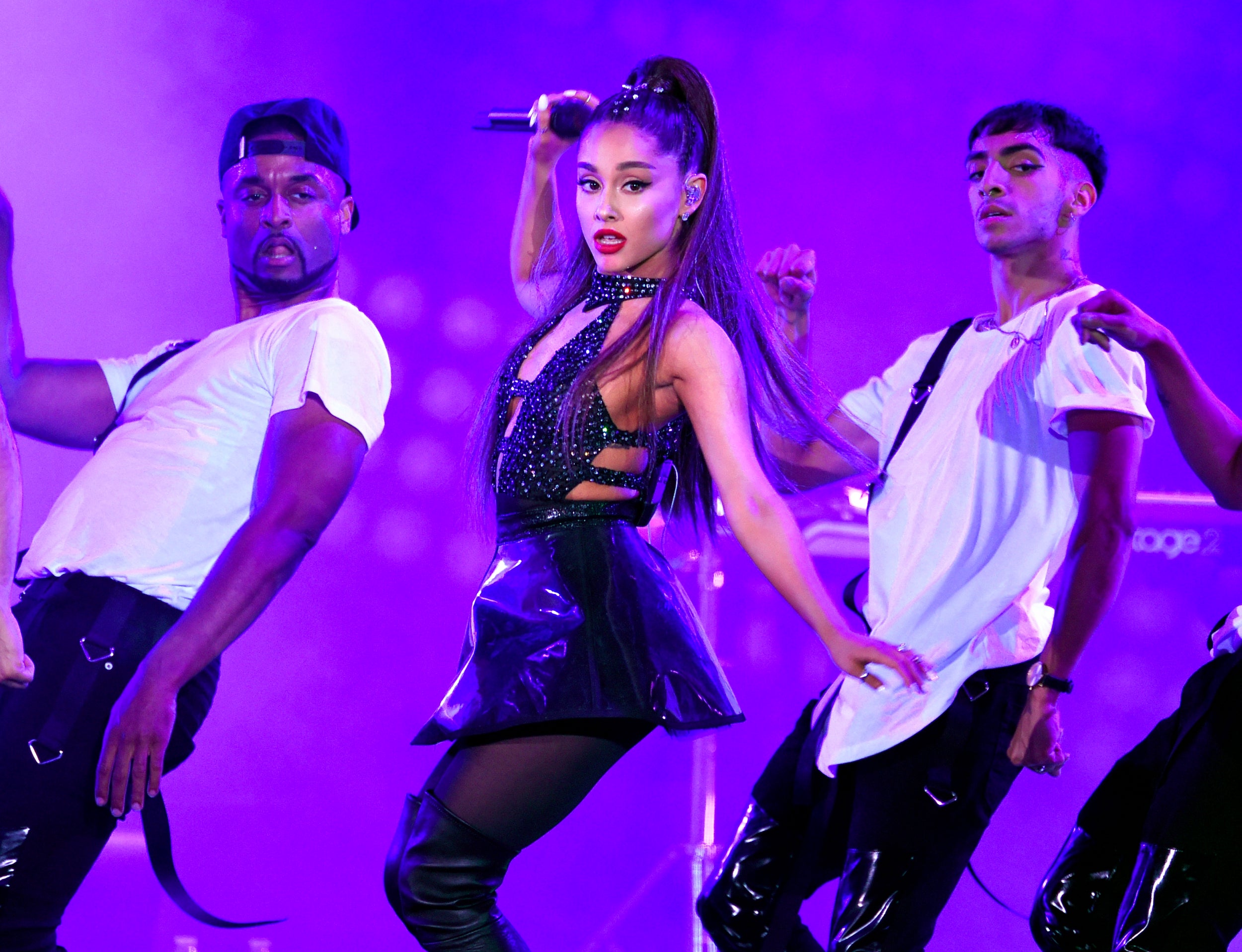
Grande’s aesthetic branding has undergone several distinct metamorphoses. From the red-haired "Cat Valentine" look to the high ponytail era, and eventually to her more recent, polished, and elegant style, her visual identity has always been used to signal a new chapter.
This consistency in aesthetic, despite the constant changes in her sound, creates a "brand" that is instantly recognizable. This is a crucial element of the pop star pipeline; it allows the audience to visually distinguish between "chapters" of her career, preventing the stagnation that often traps former child stars.
Frequently Asked Questions
Did Ariana Grande act in any projects after leaving Nickelodeon?
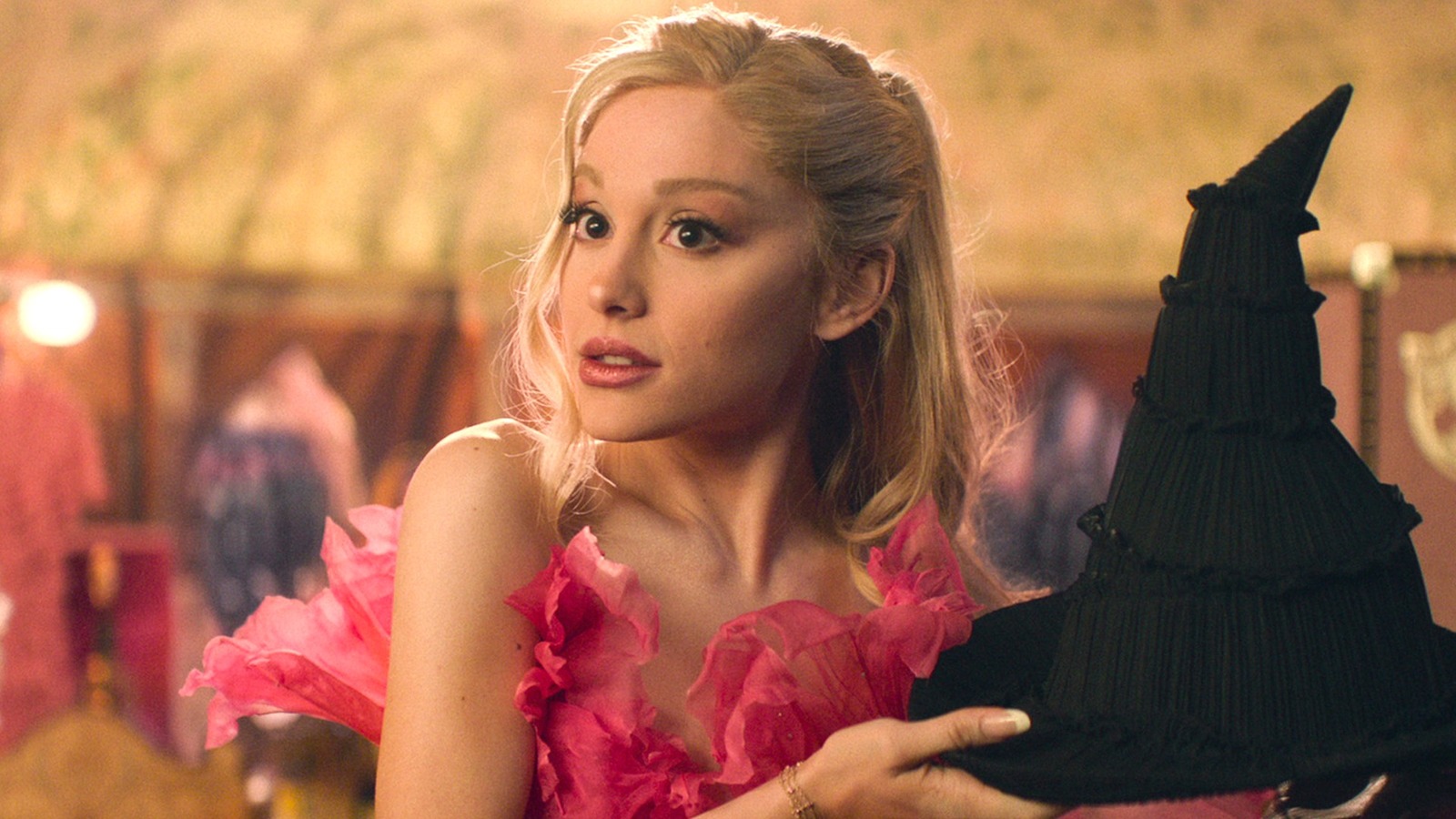
Yes, Grande has continued to balance acting with her music career. Her most notable recent project is her role as Glinda in the Wicked film adaptations. She has also appeared in satirical projects like Don't Look Up (2021) and has occasionally appeared on television in guest capacities, showing that she never fully abandoned her roots in performance art.
How did she successfully transition from teen idol to adult pop star?
The transition was achieved through a multi-year strategy of maturing her sound, collaborating with credible R&B and hip-hop producers, and leveraging social media to humanize her brand. By proving she had the vocal talent to back up her image, she shifted the public focus from her history as an actress to her status as a high-tier vocalist.
What is the significance of the "whistle register" in her career?
The whistle register is the highest register of the human voice. Grande’s ability to use this frequently and accurately in her music provided her with a "unique selling point" that distinguished her from other pop singers of the 2010s, earning her comparisons to vocal powerhouses like Mariah Carey.
How does Grande interact with her fan base differently than other stars?
Grande is known for her direct engagement on social media, often interacting with fans as individuals rather than as an anonymous mass. By maintaining this level of accessibility, she has fostered an extremely high level of loyalty, which translates into strong support during album launches and ticket sales.
Is Ariana Grande still involved in the acting industry as of 2026?
Yes. As of 2026, Grande remains active in high-profile acting projects. Her career has successfully bridged the gap between recording artist and actress, with her current focus leaning heavily into feature film production, effectively diversifying her career portfolio.
Recommendations for Further Research
To fully grasp the mechanics of this rise, one should look at the intersection of streaming data and touring revenue from 2015 to 2025. Analyzing the impact of her Sweetener World Tour alongside the critical reception of her vocal performances on platforms like YouTube provides the best window into her technical growth. Furthermore, examining the shift in her team’s management—specifically the transition from talent-focused representation to global brand-building—reveals the commercial side of her evolution. For those interested in the industry side of pop music, studying how she negotiated her shift from a network-contracted actor to a global music powerhouse provides a blueprint for contemporary artist development.