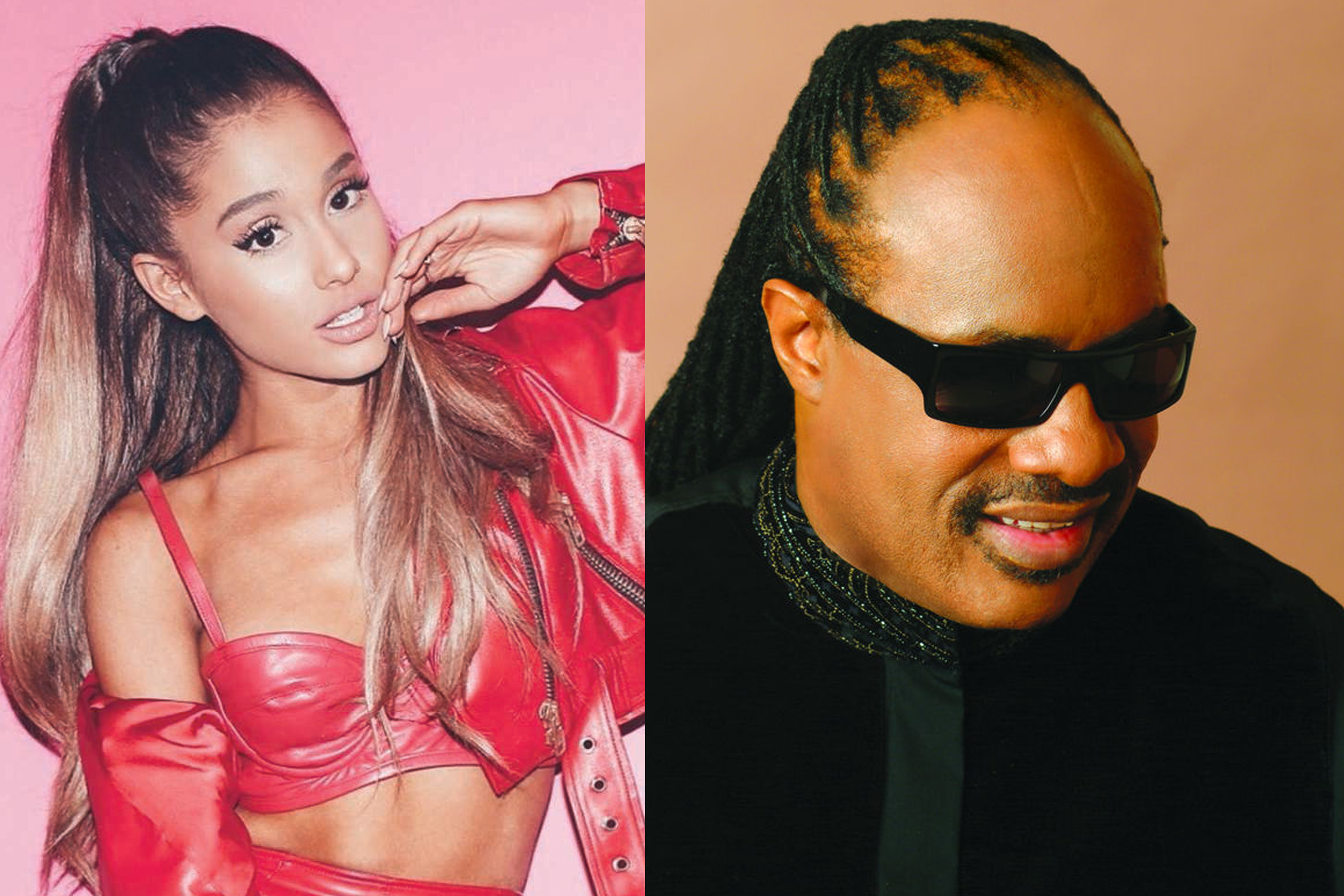
Ariana Grande’s faith journey is a transformation from a traditional Roman Catholic upbringing to the practice of Kabbalah and a personalized spiritual philosophy. Driven by her loyalty to her brother, Frankie, and a search for "tools for living," she moved toward Jewish mysticism to find a belief system that aligned with her values of inclusivity and manifestation.
The Early Years: Growing Up in a Roman Catholic Household
Ariana Grande-Butera was born and raised in Boca Raton, Florida, within a family that embraced their Italian-American heritage. For many Italian-American families, Roman Catholicism is not merely a religion but a foundational cultural pillar. Grande grew up attending Mass and participating in the sacraments common to the faith. During her early years, the structure of the Church provided the moral and social framework for her life.
Her childhood in Florida was marked by a strong sense of community, and the influence of her grandparents—particularly her "Nonna"—played a significant role in her upbringing. However, as she entered her teenage years and her career began to flourish on Broadway and then on Nickelodeon, her relationship with organized religion began to face significant internal and external pressure.
The Roman Catholic Church’s teachings on various social issues often create friction for young believers who find their personal ethics at odds with dogma. For Grande, this tension was not about her own lifestyle, but rather the treatment of those she loved most.
The Turning Point: Why Ariana Grande Left the Catholic Church
The most significant catalyst for Ariana Grande’s departure from Catholicism was the Church’s stance on homosexuality. Grande has always been exceptionally close to her older half-brother, Frankie Grande. When Frankie came out as gay, Ariana observed the Church’s rejection of his identity firsthand.
She famously recounted an instance where she and Frankie went to a church to hear what was being said about their lives. Hearing that "God loves everyone, but..." followed by a list of exclusions that included her brother was the breaking point. Grande has stated in multiple interviews that she could not belong to an institution that did not "accept my brother for who he is."
This decision was not made in a vacuum. It reflected a broader trend among Gen Z and Millennials who prioritize social justice and inclusivity over institutional tradition. For Grande, faith had to be a source of love and empowerment, not a source of judgment or exclusion. Rather than abandoning spirituality altogether, she began to look for a path that offered the same sense of wonder and discipline as her childhood faith but without the perceived intolerance.
Discovering Kabbalah: A New Spiritual Direction
In 2013, following her departure from the Catholic Church, Ariana and Frankie turned to the Kabbalah Centre. Kabbalah is an ancient school of thought in Jewish mysticism that deals with the essence of God and the universe. While it is rooted in Judaism, the modern Kabbalah movement, popularized by celebrities like Madonna in the late 1990s and early 2000s, presents itself as a spiritual philosophy accessible to people of all backgrounds.
For Grande, Kabbalah offered "tools" rather than just "rules." She has frequently described the practice as a way to react to circumstances more mindfully and to take responsibility for one’s energy. The core tenets of Kabbalah that resonated with her include:
- The Power of Words: Understanding that speech can create or destroy.
- The Law of Cause and Effect: Taking ownership of one’s actions and the energy put out into the world.
- Overcoming the Ego: Moving away from the "desire to receive for oneself alone" and toward a "desire to receive for the sake of sharing."
Grande has been seen wearing the traditional red string bracelet, a Kabbalistic tool believed to protect the wearer from the "Evil Eye" or negative energy. This transition marked a shift from a passive role in a pews-based religion to an active, daily practice of spiritual consciousness.
The Role of Spirituality in Her Creative Process and Public Image
As Grande’s career evolved through the 2010s and into the mid-2020s, her spiritual journey began to bleed into her music and public persona. By the time she released her album Positions in 2020 and later Eternal Sunshine in 2024, the influence of manifestation and mindfulness was undeniable.
In the song "just like magic" from the Positions album, Grande explicitly references spiritual practices:
- "Middle of the night, I'm writin' these rhymes / Then I look at the sky, like, 'I'm doin' fine'"
- "Manifest it, I f***in' up and get it"
- "Good energy, I'm keepin' it with me"
These lyrics highlight her shift toward the "Law of Attraction"—the belief that positive or negative thoughts bring positive or negative experiences into a person's life. This is a common intersection between modern spirituality and Kabbalistic thought, emphasizing the power of the mind to shape reality.
Furthermore, Grande’s public response to trauma—most notably the 2017 Manchester Arena bombing—showed a deep reliance on spiritual resilience. Instead of retreating into bitterness, she organized the "One Love Manchester" benefit concert, focusing on the transformative power of love and unity. This period of her life solidified her image not just as a pop star, but as a person of significant emotional and spiritual depth.
Comparative Overview: Catholicism vs. Kabbalah in Ariana’s Life
The following table compares the two major influences on Ariana Grande's faith journey, illustrating why the shift occurred and what elements she retained or replaced.
| Feature | Roman Catholicism (Early Life) | Kabbalah (Adult Practice) |
|---|---|---|
| Primary Source | Holy Scripture and Church Tradition | The Zohar and Jewish Mysticism |
| Stance on LGBTQ+ | Historically restrictive or conditional | Generally inclusive and individual-focused |
| Role of the Believer | Participation in sacraments and liturgy | Daily mindfulness and use of "spiritual tools" |
| Concept of God | Personal Creator / Triune God | Infinite Light / Universal Energy |
| View of Suffering | Redemptive suffering / Will of God | Opportunity for "correction" (Tikkun) |
| Visible Symbols | Rosary, Cross, Crucifix | Red string bracelet, Hebrew lettering |
| Reason for Change | Disagreement with social dogma | Focus on personal growth and inclusivity |
Core Pillars of Ariana’s Current Belief System
By 2026, Ariana Grande’s faith is best described as an eclectic, personal spirituality that draws heavily from Kabbalah but is also influenced by contemporary mindfulness and New Age concepts. She does not frequently label herself with a single religious identity in press junkets, preferring to speak about her "practice" and "energy."
1. Manifestation and Intention
Grande is a vocal proponent of manifestation. This involves the intentional use of thought and visualization to achieve goals. In her career, she has often spoken about how she "visualized" certain milestones before they happened. This practice aligns with the Kabbalistic idea that the physical world is merely a reflection of the spiritual world.
2. Universal Connectivity
A recurring theme in her recent work is the idea that everything is connected. This "oneness" is a departure from the hierarchical structure of her childhood faith. It allows her to find sacredness in nature, relationships, and art, rather than just within the walls of a cathedral.
3. Protection and Energy Management
The "red string" of Kabbalah is more than a fashion statement; it represents a commitment to protecting one's energy from the negativity of others and, more importantly, from one's own ego. Grande has often discussed the importance of boundaries and protecting her "peace," which is a practical application of these spiritual concepts.
4. Continuous Self-Correction
Unlike the concept of "confession" in Catholicism, where one is absolved of sin by a priest, the Kabbalistic approach Grande follows emphasizes "correction." This is the idea that we are here to fix the flaws in our souls through conscious action and kindness.
Common Misconceptions About Her Faith
In the age of social media, Ariana Grande’s spiritual life has often been the subject of rumors and misinterpretations.
The "Satanism" Rumors: Like many high-profile pop stars who use occult or celestial imagery in their music videos (such as the "God is a Woman" video), Grande has faced baseless accusations of Satanism from extremist fringe groups. These claims ignore the actual content of her stated beliefs, which focus on light, love, and personal responsibility.
Is She Jewish? While she practices Kabbalah, Grande has not publicly converted to Judaism in a formal, religious sense. Kabbalah as taught by the Kabbalah Centre is often presented as a "universal science of the soul" that does not require one to be Jewish, though its roots are undeniably Judaic.
Celebrity "Trendiness": Critics often dismiss celebrity interest in Kabbalah as a passing fad. However, Grande has maintained her practice for over a decade, indicating a deep-seated commitment that goes beyond a Hollywood trend.
The Influence of the "Wicked" Era on Her Spirituality
Between 2024 and 2025, the release of the Wicked films (Part 1 and Part 2) marked a massive professional and personal milestone for Grande. Playing the role of Glinda the Good Witch required her to explore the nature of "goodness" and the complexities of being a light-bringer in a dark world.
In interviews during the 2026 retrospective of her Wicked experience, Grande noted that the character of Glinda mirrored her own spiritual struggles. Glinda’s journey from a superficial concern with "popularity" to a deeper understanding of sacrifice and integrity resonated with Grande’s own shift from pop stardom to spiritual maturity. The themes of the show—looking beyond the surface and the power of friendship as a transformative force—align perfectly with the Kabbalistic goals of sharing and overcoming the ego.
Frequently Asked Questions
Did Ariana Grande convert to Judaism?
No, Ariana Grande has not formally converted to Judaism. She practices Kabbalah, which is a mystical branch of Jewish thought, but she approaches it as a spiritual philosophy and a set of "tools for living" rather than a formal religious conversion. She still maintains some of the cultural traditions of her Italian-American Catholic upbringing.
Why did Ariana Grande leave the Catholic Church?
The primary reason was the Church's stance on homosexuality. Grande chose to leave because she felt the Church did not accept her brother, Frankie, for who he was. She stated that she could not support an institution that was not inclusive of her family.
What is the significance of the red string Ariana wears?
The red string is a Kabbalistic tool worn on the left wrist. It is believed to protect the wearer from the "Evil Eye"—negative energy caused by the jealousy or ill-will of others. It also serves as a reminder to the wearer to refrain from looking at others with judgment or envy.
How does Ariana Grande practice manifestation?
Grande practices manifestation through visualization, positive affirmations, and intentional thinking. She believes that by aligning her thoughts and energy with her goals, she can bring them into reality. This is reflected in her song lyrics, such as those in "just like magic."
Is Ariana Grande still practicing Kabbalah in 2026?
Yes, as of 2026, Ariana Grande remains committed to her spiritual practice. While her public expression of it has become more subtle and integrated into her general lifestyle, she continues to credit these teachings with helping her maintain mental health and perspective in the high-pressure entertainment industry.
Does her faith affect her music?
Significantly. Many of her songs from 2018 onwards contain themes of healing, light, manifestation, and the universe. Her music has shifted from standard pop narratives to more introspective and spiritually-aware explorations of the self and her connection to the world.
Summary of Next Actions for Readers
For those interested in exploring the themes found in Ariana Grande's faith journey, the following steps are recommended:
- Research Kabbalah Foundations: If you are interested in the "tools" Ariana uses, look into the basic concepts of the Kabbalah Centre or academic texts on Jewish mysticism to understand the difference between religious dogma and spiritual philosophy.
- Explore Mindfulness and Manifestation: Grande’s journey emphasizes the power of the mind. Practicing daily meditation or journaling for intention can be a practical way to apply similar principles to your own life.
- Prioritize Personal Values: Grande’s departure from Catholicism serves as a case study in aligning one's spiritual life with personal ethics. Evaluate whether your own affiliations reflect your core values regarding inclusivity and compassion.