In the DC Universe series Titans, the second season introduces a pivotal look at the history of the original Titans team, featuring Aqualad (Garth) as a central figure. His presence in the narrative serves to bridge the gap between the show’s contemporary timeline and the tragic events of the past that ultimately fractured the group, providing essential context for the emotional weight carried by characters like Dick Grayson and Donna Troy.
Historical Context and Character Introduction
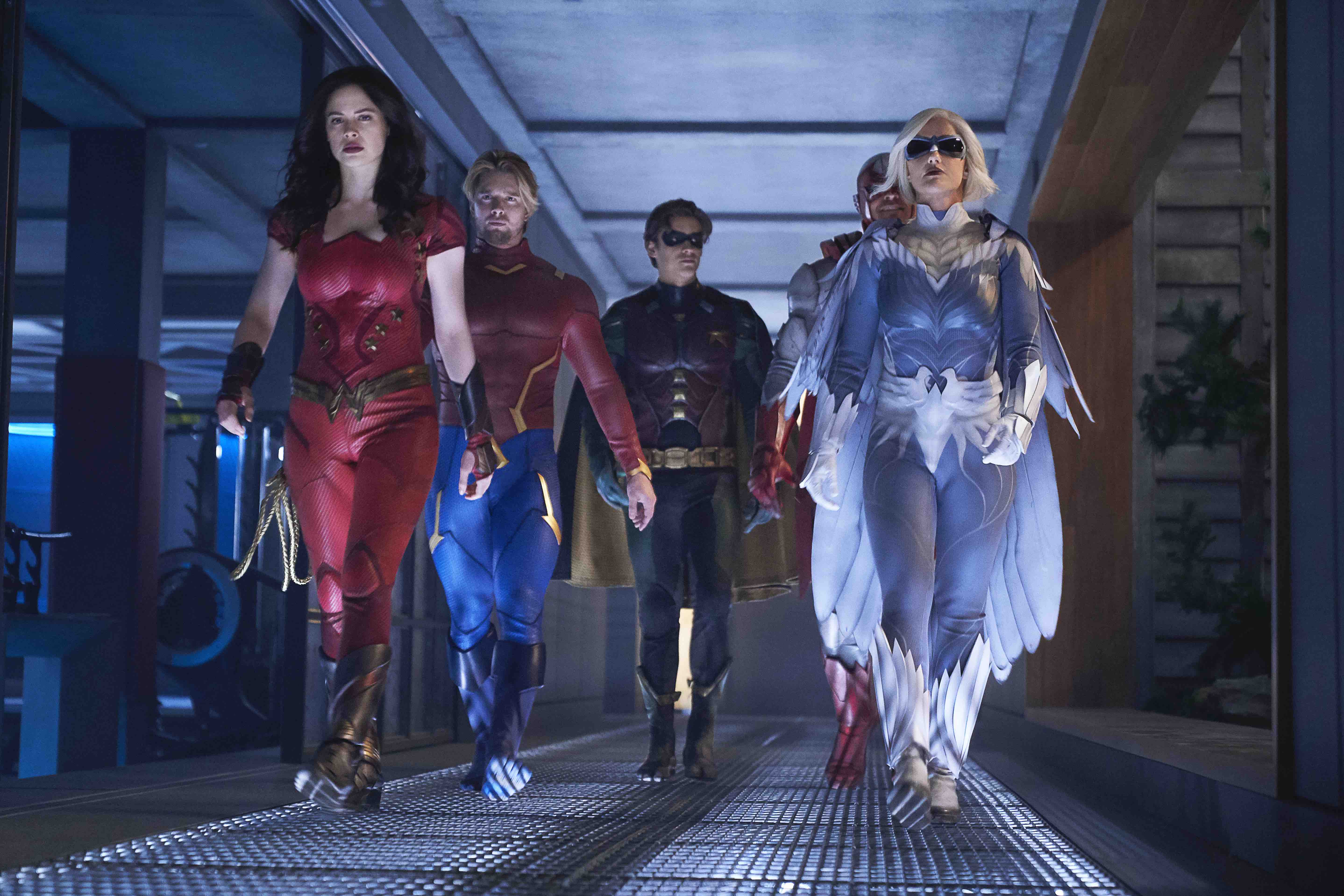
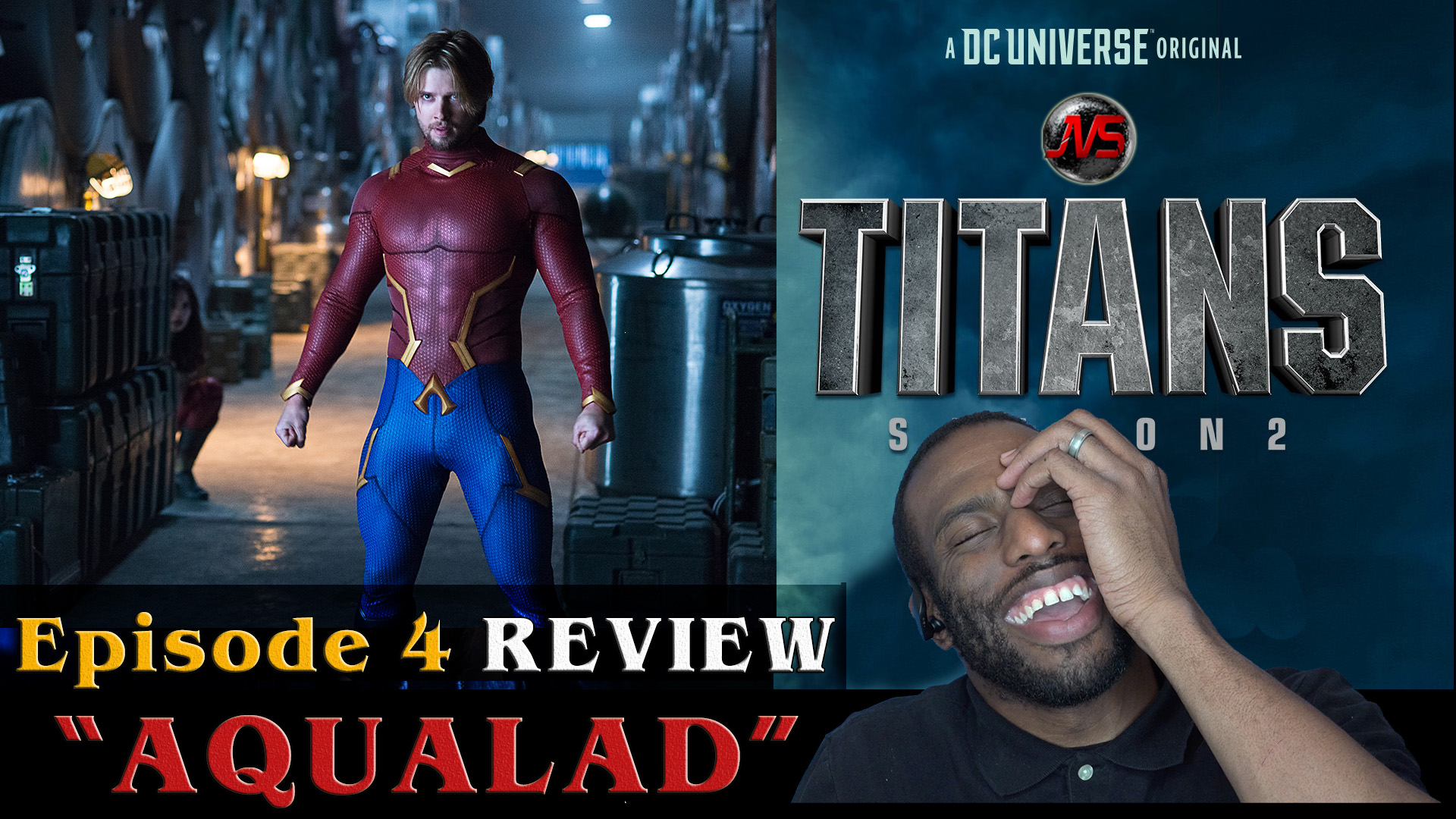
Within the narrative structure of Titans, Aqualad—portrayed by Drew Van Acker—is established as a founding member of the original Titans team. Unlike the modern iteration of the team that focuses on the younger heroes, the flashback sequences in season two allow viewers to see the group during their prime years. Garth is depicted not just as a sidekick to Aquaman, but as a fully realized hero operating within a professional team dynamic.
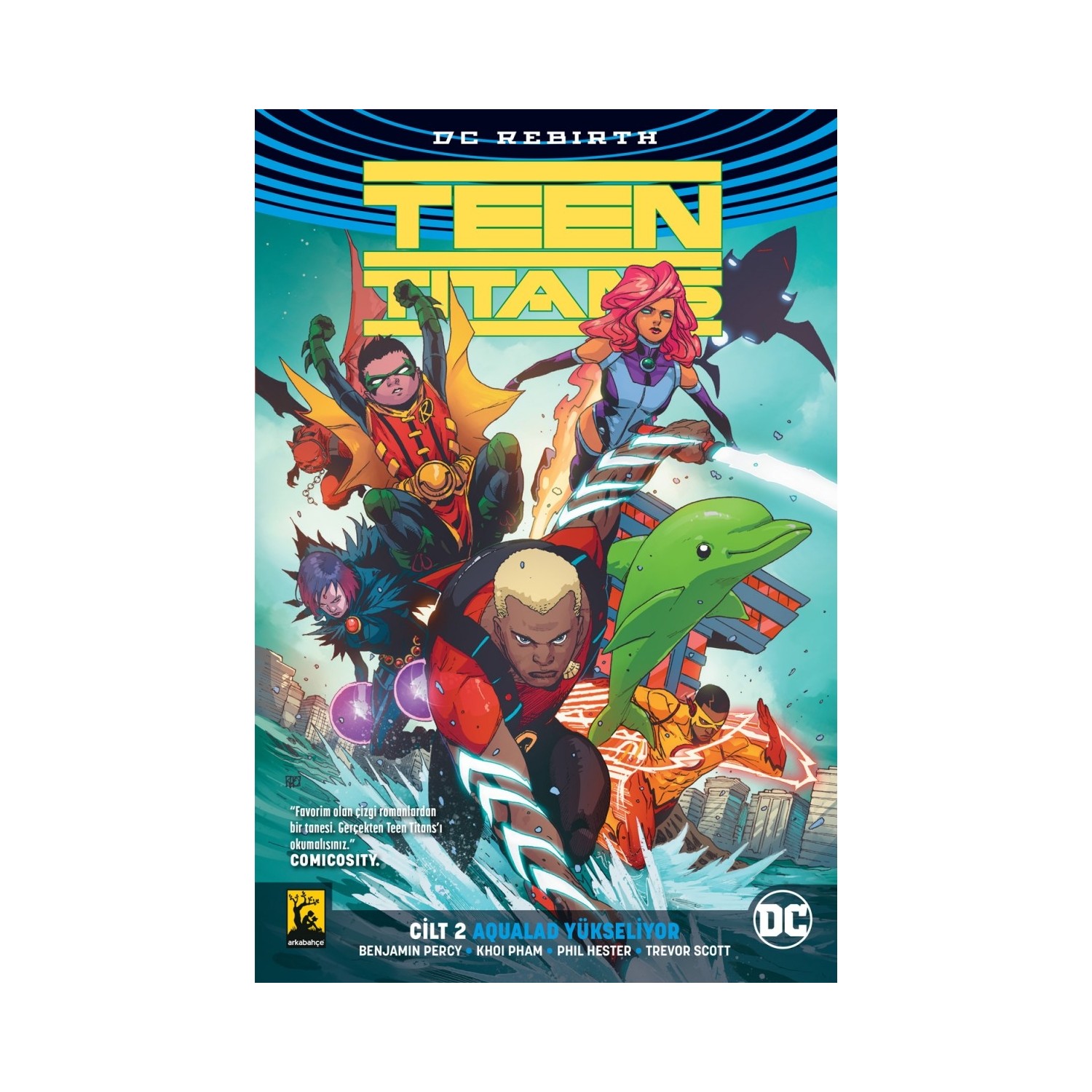
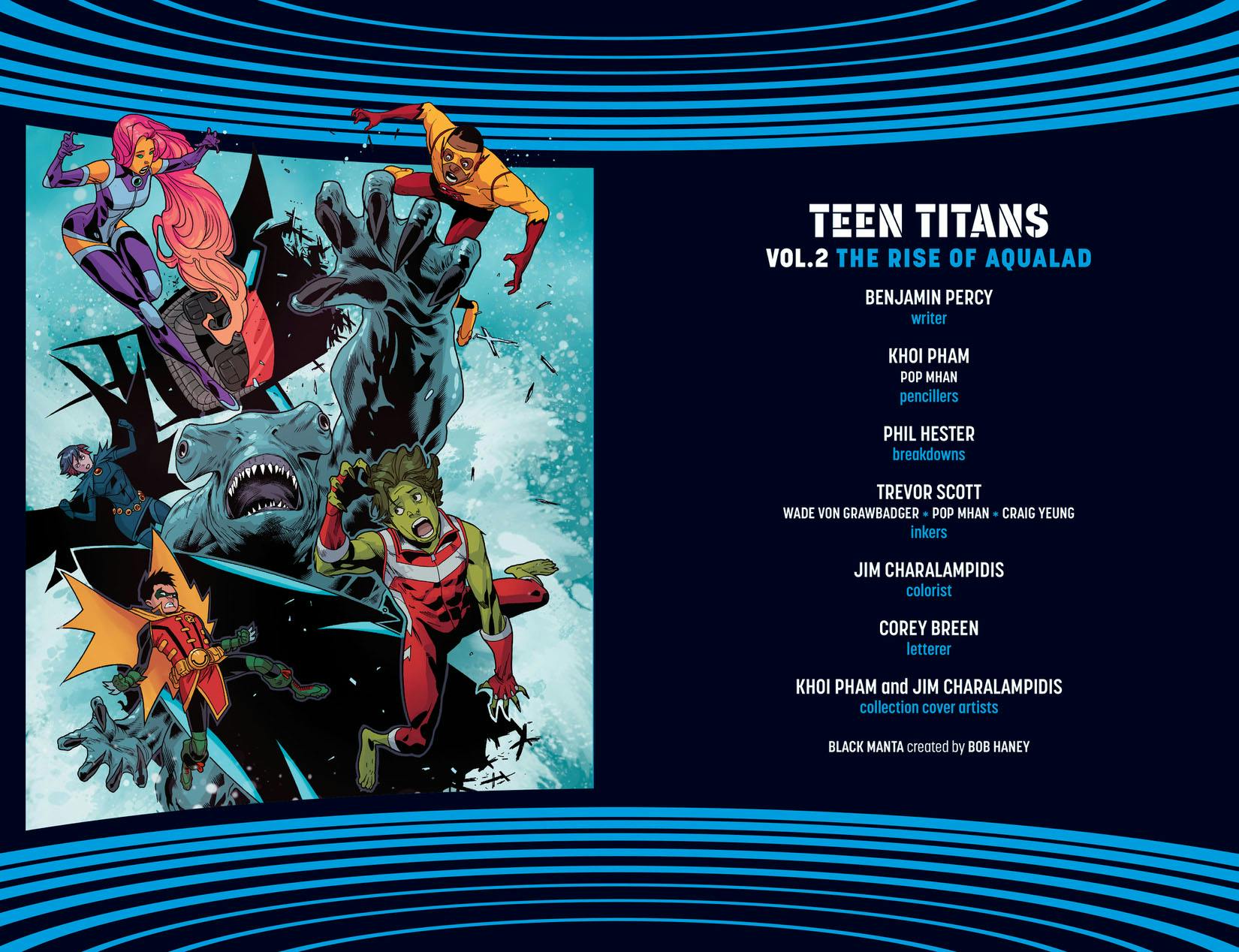
The decision to include Garth in the series was significant for long-time fans of DC Comics. In the source material, Garth is a legacy character with a complex history involving the underwater kingdom of Atlantis and his role as a founding member of the Teen Titans. By incorporating him into the Titans television canon, the writers were able to ground the "old guard" of the team in a specific set of relationships, most notably his romantic tension with Donna Troy (Wonder Girl). This backstory provides the necessary motivation for Donna's character arc throughout the second season, as the unresolved trauma of their shared past continues to haunt her in the present day.
The Narrative Role of Aqualad in Season 2
The second season of Titans is structured to contrast the dysfunction of the current team with the perceived stability of the original roster. Aqualad functions as the heartbeat of this past team. His personality is portrayed as charming, grounded, and deeply committed to his teammates. This characterization is crucial because it makes his sudden and violent death—a major plot twist in the fourth episode, "Aqualad"—the definitive turning point for the original Titans.
When Garth is killed, the event is not merely an action sequence; it serves as a catalyst for the dissolution of the entire team. His death at the hands of Deathstroke (Slade Wilson) acts as a cautionary tale within the show. It forces characters like Dick Grayson to reconsider the morality of their vigilante lifestyle and the danger they pose to those they care about. The grief and subsequent guilt experienced by Donna Troy, in particular, shape her trajectory, driving her to distance herself from her former allies and seek a life outside of the hero archetype, at least initially.
The Conflict with Deathstroke
The antagonism between Aqualad and Deathstroke is a masterclass in tension-building. Because viewers are aware of Deathstroke’s reputation as the world's greatest assassin, the inclusion of Aqualad in his crosshairs creates an immediate sense of impending tragedy. The specific circumstances surrounding Garth’s death—occurring while he is protecting those he loves—underscore the show’s commitment to a darker, more realistic tone compared to traditional superhero media. It reinforces the idea that in the Titans universe, powers do not equate to invulnerability.
Production and Technical Execution
From a production standpoint, bringing Aqualad to life required a balance of practical effects and post-production artistry. As an Atlantean, his movements and capabilities differ from those of the terrestrial heroes. The show’s stunt coordinators and visual effects teams utilized a mix of wirework and hydro-inspired combat choreography to reflect his aquatic heritage.
The casting of Drew Van Acker was frequently highlighted by production staff as a deliberate choice to capture the "Golden Boy" aesthetic of the character. By casting an actor who embodied the classic heroic archetype, the show was able to maximize the shock value of his death. If the audience perceives the character as the "perfect" hero, his loss feels significantly more impactful, which is a common narrative technique in ensemble dramas to ensure that a character's departure has lasting repercussions on the surviving cast.
Comparative Overview of Titans Teams
To understand the importance of Aqualad's inclusion, it is helpful to compare the two distinct eras of the Titans depicted in the show.
| Feature | The Original Titans (Flashbacks) | The Modern Titans (Present Day) |
|---|---|---|
| Primary Goal | Maintaining legacy and team unity | Identity formation and survival |
| Aqualad's Role | Cohesion and moral anchor | Absent / The catalyst for trauma |
| Tone | Optimistic but professional | Cynical, gritty, and reactive |
| Main Adversary | Dr. Light / Deathstroke | Various personal and external threats |
This comparison highlights why the second season is often regarded as the most character-driven installment of the series. By focusing on the "lost" era, the writers successfully built a foundation of emotional history that makes the actions of characters in the modern day much more understandable.
Understanding the "Titans" Universe Lore
One common point of confusion for casual viewers is the timeline of Aqualad's existence within the series. It is important to note that Titans does not attempt to adapt every aspect of the DC Comics Aqualad history. Instead, it extracts the essential components—his relationship with Donna Troy, his ties to Atlantis, and his role as a peer to the original Titans—to serve the specific needs of the season two plot.
Viewers should interpret the character as he appears in Titans as a self-contained iteration. Attempting to map every comic book story beat to the television show often leads to frustration, as the series prioritizes the psychological development of its main cast over strict adherence to print canon. The "Aqualad" of season two is a structural device, a symbol of a lost, more hopeful time that the modern characters are struggling to regain.
Common Questions Regarding Aqualad’s Appearance
Was Aqualad a main character in Titans Season 2?
While he appears in several critical flashback episodes, Aqualad is not a series regular. His role is that of a pivotal guest character whose story is central to the season’s central conflict, particularly regarding the past rivalry between the original Titans and Deathstroke.
Does Aqualad return after his death in the show?
Following his death, Aqualad’s impact persists through memory and narrative influence. He does not undergo a "superhero resurrection" in the later episodes of season two, as his permanent absence is what defines the long-term character arcs for Donna Troy and the rest of the team.
Is this the same Aqualad as in the animated series?
No. The Titans version of Aqualad (Garth) is a live-action adaptation that draws inspiration from the comics but operates within the specific, gritty stylistic framework of the Titans television production. It is distinct from the character portrayals found in animated projects like Young Justice.
Why was Aqualad killed off so early in the season?
His death was a narrative necessity. The writers required a "point of no return" for the original team to explain why they disbanded. Killing a beloved, foundational member like Aqualad provided the necessary emotional weight to justify why the team would go their separate ways and harbor deep-seated resentment toward one another years later.
How does his death affect the modern team's dynamic?
The death of Aqualad serves as the "ghost" at the feast for the current Titans. Whenever the modern characters attempt to reform the team or act as a unit, the fear of losing another member—influenced by the tragedy of their predecessor—constantly hinders their progress and creates interpersonal friction.
Next Actions for Fans
For those interested in exploring the character's roots, the most effective next step is to examine the classic Teen Titans comic runs from the late 1960s and 70s, where Garth’s history as a founding member is established. Additionally, reviewing the episodes of Titans season two, specifically "Aqualad," provides the most comprehensive look at how the production team translated this legacy into the show's dark, grounded aesthetic. By focusing on the specific episodes centered on the original team's history, viewers can better grasp the nuances of the season's overarching themes regarding legacy, loss, and the heavy price of heroism.