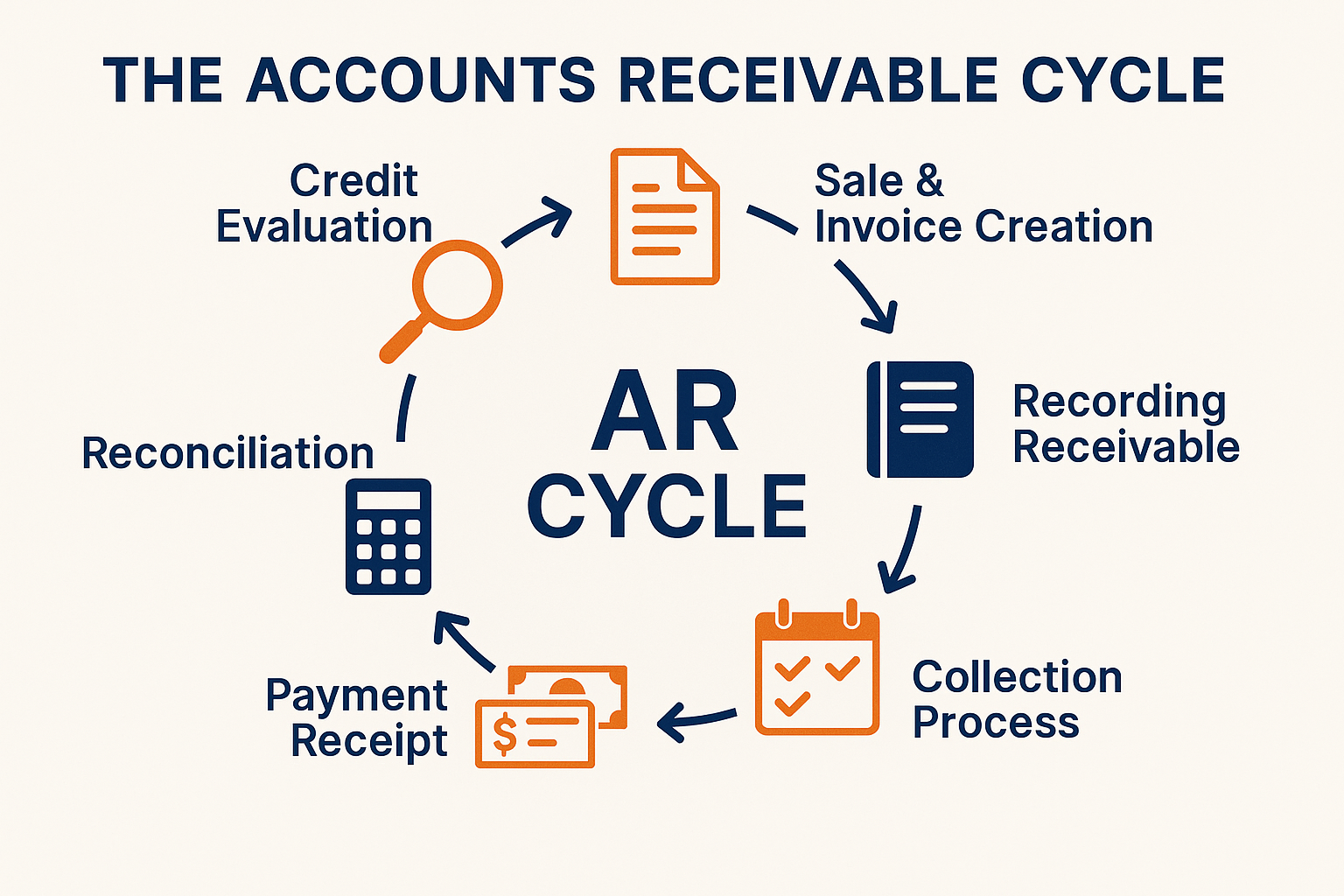
In the context of financial accounting and business operations, "AR" stands for accounts receivable. It represents the legally enforceable claim for payment held by a business for goods supplied or services rendered to customers who have ordered them but have not yet paid. Essentially, it is money owed to your company by its clients.
Defining Accounts Receivable (AR)
Accounts receivable is a vital component of a company’s balance sheet, classified as a current asset. It signifies that a business has extended credit to its customers, allowing them to pay for products or services at a later, contractually agreed-upon date.
Unlike cash sales, where the transaction is completed the moment payment is received, AR involves a time gap between the delivery of the good or service and the actual inflow of cash. This practice is standard in B2B (business-to-business) commerce, where companies often provide "Net 30," "Net 60," or "Net 90" payment terms. By allowing this credit window, businesses often secure larger sales volumes and foster stronger commercial relationships, though they accept the inherent risk that the customer may default on the payment.
The Role of AR in Financial Reporting
For accountants and financial controllers, AR is more than just a list of outstanding invoices. It is a critical metric for assessing liquidity and operational efficiency. When a sale is made on credit, the accountant records the revenue on the income statement (following accrual accounting principles) and simultaneously records the value in the AR account on the balance sheet.
The health of a company’s AR is monitored through several key processes:
- Invoicing: Generating accurate, timely bills that detail the goods, services, and payment terms.
- Aging Reports: Categorizing outstanding receivables by the length of time they have remained unpaid (e.g., 0–30 days, 31–60 days, 61–90 days, and 90+ days).
- Collection: Proactive communication with clients to ensure payment is made according to the agreed schedule.
AR vs. Accounts Payable (AP)
It is common to confuse AR with Accounts Payable (AP), as both terms frequently appear in financial discussions. However, they represent opposite sides of the financial coin.
| Feature | Accounts Receivable (AR) | Accounts Payable (AP) |
|---|---|---|
| Definition | Money owed to your business | Money your business owes to others |
| Role | Asset (Current Asset) | Liability (Current Liability) |
| Origin | Sales made on credit | Purchases made on credit |
| Direction | Cash inflow expected | Cash outflow expected |
| Management | Focus on collection efficiency | Focus on payment timing/terms |
The Impact of Accounts Receivable on Cash Flow
While AR increases a company's reported revenue, it does not immediately increase the company's cash balance. This is a common pitfall for new business owners who see high sales figures but lack the liquidity to cover immediate operational expenses, such as payroll or rent.
Effective AR management is necessary to bridge this gap. If a business allows customers too much time to pay, or if it fails to pursue late payments, its "Days Sales Outstanding" (DSO) will climb. A high DSO indicates that a company is essentially acting as an interest-free lender to its customers, which can stifle growth and limit the capital available for reinvestment.
Managing Risks: Bad Debt and Provisions
One of the most significant risks associated with AR is the possibility that a customer will never pay. This is referred to as "bad debt." To maintain accurate financial statements, businesses must prepare for this contingency using an "Allowance for Doubtful Accounts."
This is a contra-asset account that reduces the total value of AR reported on the balance sheet to represent the amount the company realistically expects to collect. Accountants estimate this amount based on historical trends, current economic conditions, and specific knowledge regarding high-risk customers. If a debt is determined to be truly uncollectible, it is "written off," removing it from the AR balance and recognizing it as a loss on the income statement.
Best Practices for AR Optimization
To maintain a healthy cash flow, finance departments should implement robust internal controls:
- Credit Policies: Establish clear criteria for which customers are eligible for credit and set individual credit limits.
- Automated Invoicing: Use digital accounting software to send invoices immediately upon the completion of a service to reduce administrative delays.
- Clear Terms: Ensure every contract or purchase order clearly states the payment deadline and the consequences of late payment, such as interest charges.
- Regular Reconciliation: Match payments received against open invoices weekly to ensure the AR ledger is always current.
- Proactive Communication: Send payment reminders shortly before the due date to ensure the client is not simply forgetting the obligation.
Frequently Asked Questions
Is accounts receivable considered cash? No. Accounts receivable is considered a liquid asset, but it is not "cash on hand." It is a promise of future payment. You cannot use it to pay employees or utility bills until the customer actually remits the funds.
What happens if a customer never pays their AR invoice? If a customer defaults, the balance is moved from Accounts Receivable to "Bad Debt Expense." This reduces the company’s net income. In some cases, businesses may hire third-party collection agencies or pursue legal action to recover the funds.
How does AR affect my credit score as a business? AR itself does not directly impact your credit score. However, how well you manage your cash flow—which is influenced by how quickly you collect your AR—affects your ability to pay your own debts on time. Consistent, timely payments on your own obligations improve your creditworthiness.
Can I sell my accounts receivable? Yes. This is called "invoice factoring." You can sell your outstanding invoices to a third-party financial company (a factor) at a discount. The factor provides you with immediate cash, usually 70% to 90% of the invoice value, and takes over the responsibility of collecting the payment from your customer.
What is the difference between AR and unearned revenue? Unearned revenue (or deferred revenue) occurs when you receive cash from a customer before you have delivered the good or service. Conversely, AR is recognized after the service is delivered but before the cash is received.
Next Steps for Financial Management
If you are struggling to manage your AR, start by reviewing your current "Aging Report." Identifying which customers consistently pay late is the first step toward correcting the issue. You may find that you need to shorten payment terms, implement late fees, or require a deposit upfront for new clients. If your organization is growing rapidly, consider transitioning from manual tracking to an integrated enterprise resource planning (ERP) system that automates billing and dunning processes to keep your cash flow moving efficiently.