Aquto, historically known as a mobile data monetization platform, is frequently confused by consumers searching for insurance services due to its presence in digital lead generation and advertising networks. When users search for "Aquto quote life insurance how it works," they are typically attempting to navigate the complex digital funnel that connects consumer data with life insurance underwriters. While Aquto itself does not issue insurance policies, it functions as a digital intermediary that facilitates the collection and distribution of consumer leads to insurance carriers and brokerage platforms.
The Role of Aquto in the Insurance Ecosystem
In the landscape of digital finance, lead generation is a multi-layered process. Aquto’s historical focus on mobile engagement and reward-based advertising has intersected with the insurance industry by providing platforms where consumers interact with promotional content. When you encounter a request for a life insurance quote associated with a platform like Aquto, you are engaging with a lead acquisition channel.
The "how it works" aspect is grounded in performance marketing. Consumers typically click on an advertisement or an offer—often incentivized by mobile data rewards or value-added services—which directs them to a third-party landing page. This landing page acts as a data capture portal. Once the user inputs their personal information, such as age, location, smoking status, and desired coverage amount, that data is processed and sold to insurance carriers or independent agents who then attempt to provide a quote.
Navigating the Digital Quote Process
To obtain a life insurance quote through platforms integrated with advertising networks like those involving Aquto, you must follow a structured, though often indirect, path. Understanding this sequence is vital for protecting your data and ensuring you receive accurate, actionable information.
1. Identification and Initial Input
The process begins when you click on a lead magnet or promotional banner. You will be prompted to provide "top-of-funnel" information. This includes your gender, date of birth, and sometimes your state of residence. These variables are the primary drivers of life insurance underwriting and are used to sort applicants into broad risk categories.
2. The Data Aggregation Phase
After your initial entry, the platform does not typically provide an instant, binding price. Instead, your information is routed through an aggregation engine. This engine matches your profile with specific insurance carriers that operate within your geographic jurisdiction and cater to your specific risk profile. This is why you may receive follow-up contact from multiple different agencies or companies shortly after submitting your request.
3. Formal Underwriting and Quotes
The final "quote" you receive is a product of the insurance carrier's proprietary underwriting algorithm. These carriers use the data provided to calculate your mortality risk. By the time you receive a formal offer, the platform that initially collected your data (like a site associated with Aquto) has likely been compensated by the insurance carrier for the lead.
Key Factors Influencing Your Life Insurance Quote
Regardless of the platform you use to initiate your search, the final premium offered to you is determined by actuarial science, not the marketing platform. Insurance companies in 2026 continue to prioritize specific medical and lifestyle metrics to assess risk.
- Age and Health History: Younger applicants generally receive lower premiums because the statistical likelihood of a claim during the policy term is lower. Chronic conditions, such as diabetes or heart disease, will significantly increase your risk classification.
- Tobacco and Nicotine Use: Most insurers maintain a strict binary approach to tobacco. Whether you smoke cigarettes, use vapes, or utilize nicotine replacement therapy, you will almost always be quoted at a "smoker" rate, which is substantially higher than "non-smoker" rates.
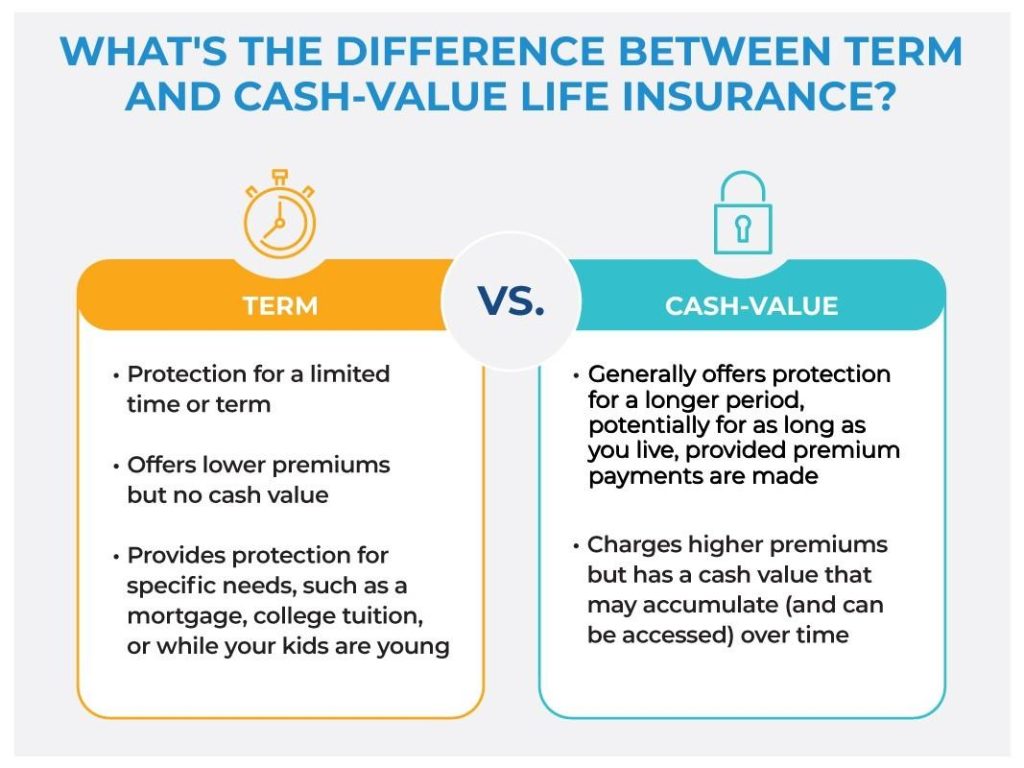
- Coverage Type and Duration: Term life insurance, which covers a set period (e.g., 10, 20, or 30 years), is significantly cheaper than permanent life insurance (such as Whole or Universal life). The amount of the death benefit (the face value of the policy) will directly impact the monthly or annual premium.
- Lifestyle and Occupations: High-risk hobbies (such as skydiving or rock climbing) or dangerous professions (such as commercial fishing or active-duty military service in certain zones) can lead to higher premiums or the inclusion of exclusions in your policy.
Comparison of Insurance Acquisition Channels
Choosing how to secure a quote depends on your preference for digital convenience versus personalized advice.
| Channel Type | Lead Generation (e.g., Aquto-linked) | Captive Agent | Independent Broker |
|---|---|---|---|
| Primary Benefit | Speed and immediate comparison | Deep brand knowledge | Comparison across many brands |
| Data Privacy | Moderate-Low (data shared) | High (direct to company) | High (direct to expert) |
| Suitability | Best for simple, quick quotes | Best for brand loyalists | Best for complex, tailored needs |
| Cost | Market competitive | Fixed to carrier pricing | Market competitive |
Troubleshooting Common Issues with Online Quote Portals
Users occasionally face challenges when using digital platforms to request life insurance quotes. Being aware of these common pitfalls can help you manage your expectations.
Frequent Discrepancies in Quoted Prices You may find that a quote generated on an initial lead-generation site is significantly lower than the final quote provided by the insurance company. This is known as "price optimization." Initial quotes are often "teaser" rates based on perfect health. Once the underwriter verifies your actual medical records and prescription history, the premium may be adjusted upward.
Unsolicited Follow-ups When you provide your contact information to a lead aggregation site, your data is often shared with multiple agents. You may experience a high volume of phone calls or emails. To mitigate this, look for opt-out checkboxes at the bottom of the data-entry form, though be aware that many free quote services require consent to be contacted as a condition of use.
Data Security Considerations When using platforms that utilize lead-generation models, verify that the site has a secure, encrypted connection (look for "HTTPS" in the URL). Always review the privacy policy to see if the site shares your data with third-party marketing partners, which is common in the lead-generation industry.
Professional Advice and Regulatory Limitations
It is important to remember that neither advertising platforms nor digital lead-capture portals are licensed financial advisors. While they can facilitate the "how it works" process of getting a quote, they do not provide fiduciary advice regarding the type of policy that is best for your specific family needs or tax situation.
Insurance is regulated at the state level in the United States. In 2026, insurance commissions remain the primary authority for ensuring that companies are solvent and that policies are sold ethically. If a platform promises "guaranteed approval" or "no medical exam" at impossible price points, it is often a red flag. Always verify the status of the insurance agent or agency through your state’s Department of Insurance website.
Frequently Asked Questions
Does Aquto provide life insurance directly? No. Aquto is not an insurance carrier. If you are interacting with a site associated with Aquto for insurance purposes, you are using a third-party lead generation tool that connects you to insurance companies or brokers.
Why did my insurance quote increase after I submitted my application? The initial quote you received was likely an estimate. Once the insurance carrier completes their formal medical underwriting—which includes reviewing your Medical Information Bureau (MIB) report and your prescription history—they adjust the rate based on your verified risk profile.
How can I stop receiving calls after requesting a quote? Most platforms have a link to manage your communication preferences or to opt out of the lead database. Additionally, you can register your number with the National Do Not Call Registry; however, be aware that by submitting a form on many insurance websites, you provide "express written consent" to be contacted, which may override general Do Not Call protections for a limited period.
Is it better to get a quote from a single carrier or a lead-gen site? Lead-generation sites are excellent for getting a broad overview of the market quickly. However, for a complex policy—such as one involving significant assets or health conditions—working directly with a licensed independent insurance broker is usually more beneficial. An independent broker can explain the nuances of different policy riders and exclusions that a automated site might skip.
What documentation do I need to finalize a life insurance policy? Once you have moved past the initial quote stage, you will typically need a government-issued photo ID, proof of income (in some cases), and detailed information regarding your medical history. If you are applying for a policy with a medical exam, you will need to coordinate a time for a nurse to collect blood and urine samples.
Next Steps for Your Insurance Journey
If you have already initiated a request for a quote through a digital platform, your next step is to evaluate the legitimacy of the agency or carrier that contacts you. Do not feel pressured to accept the first offer you receive. Request a copy of the "specimen policy" for any offer you are considering. This document outlines the exact terms, exclusions, and conditions of the coverage.
Before signing, perform a quick search for the carrier on your state’s insurance commissioner website to confirm they are licensed to operate in your jurisdiction. If you are uncertain about the policy structure—such as whether a Universal life policy is appropriate for your long-term wealth goals—seek a consultation with a fee-only financial planner who has no affiliation with the insurance products you are evaluating. This ensures the advice you receive is aligned strictly with your financial health rather than a commission-based sale.