An API rider in life insurance refers either to an Automatic Policy Increase (API) rider—a policy endorsement that systematically increases death benefit coverage annually to match inflation without health requalification—or to an Application Programming Interface (API) used by modern digital insurers to programmatically attach optional policy add-ons during online underwriting and checkout.
Understanding the Dual Meaning of "API Rider"
In life insurance, the term "API rider" appears in two distinct contexts: financial product structure and insurance technology (InsurTech). Understanding both definitions ensures policyholders, financial advisors, and developers navigate policy documents and software systems accurately.
- API Rider Contexts
- Insurance Policy Option (Automatic Policy Increase)
- Auto-adjusts death benefit
- Offsets inflation impact
- No medical re-examination
- Compounds coverage over time
- Digital System Integration (Application Programming API)
- Connects policy cores to third-party underwriting
- Enables real-time rider quoting & attachment
- Insurance Policy Option (Automatic Policy Increase)
1. The Insurance Product Definition: Automatic Policy Increase Rider
As a policy feature, an Automatic Policy Increase (API) rider (also referred to as an automatic benefit increase or cost-of-living adjustment rider) is an amendment attached to a term, whole, or universal life insurance contract. It automatically raises the total face amount of the policy by a fixed percentage (typically 3% to 5%) or by a benchmark tied to the Consumer Price Index (CPI) at scheduled annual intervals.
The primary advantage of an API rider is that coverage increases without requiring the insured individual to provide updated medical records, submit to blood work, or complete new health questionnaires.
2. The InsurTech Definition: Application Programming Interface for Policy Riders
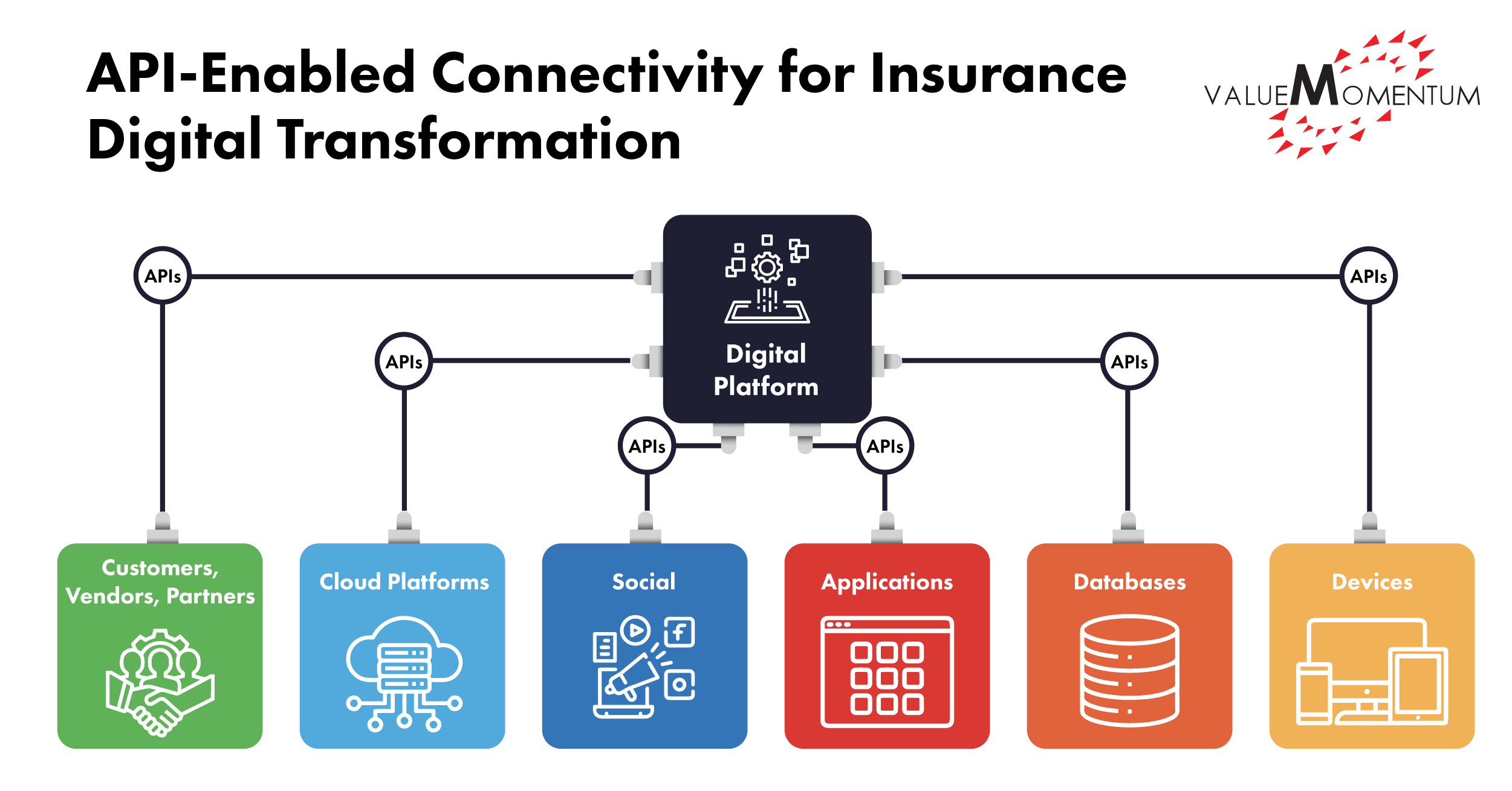
In software architecture and embedded insurance, an API rider refers to the RESTful or GraphQL web service endpoints that allow digital platforms, comparison portals, and fintech applications to query available policy riders, calculate dynamic rider premiums, and bind endorsements directly to a base policy programmatically.
Insurance platforms rely on APIs to communicate between underwriting engines, customer-facing frontends, and policy administration systems (PAS) to add features like accelerated death benefits or waiver of premium riders seamlessly during digital application flows.
How the Automatic Policy Increase (API) Rider Works
When selected during policy inception, an Automatic Policy Increase rider follows a structured schedule to expand policy coverage over time.
Coverage Schedule and Compounding
When an API rider is active, the insurer recalculates the death benefit annually on the policy anniversary date. Depending on the contract terms, the increase applies either as simple interest (calculated strictly off the original base face amount) or compound interest (calculated off the prior year's increased face amount).
For example, on a $500,000 base life insurance policy with a 5% simple annual API rider:
- Year 1: $500,000 total death benefit
- Year 2: $525,000 total death benefit (+$25,000)
- Year 3: $550,000 total death benefit (+$25,000)
- Year 6: $625,000 total death benefit (+$125,000 cumulative increase)
Premium Adjustments
While evidence of insurability is waived for the increased coverage amount, the premium charged for the additional benefit is not free. The insurer calculates the additional premium required for the new incremental coverage based on the policyholder’s attained age at the time of the increase, using the original risk classification assigned when the base policy was issued.
As a result, total premium payments increase annually. Policyholders receive an annual schedule detailing the upcoming coverage step-up alongside the adjusted premium amount.
Opt-Out Rights and Lapse Rules
Most life insurance contracts containing an API rider allow the policyholder to decline a scheduled annual increase. However, insurance carriers typically impose strict rules regarding consecutive refusals:
- Single Refusal: If a policyholder declines an increase in Year 3, coverage remains capped at the Year 2 level for that term.
- Consecutive Refusals: Refusing the increase for two or three consecutive years frequently triggers an automatic termination of the API rider entirely. Reinstating the rider later usually requires full underwriting and medical evidence.
Technical Architecture: Insurance Rider APIs in InsurTech
From an enterprise software perspective, implementing policy riders requires robust API integrations. Modern insurance APIs standardise how base products ingest optional endorsements, such as accidental death, waiver of premium, or automatic increase provisions.
- Client Application / Web Portal
- Transmits JSON Request containing Policy ID and Selected Rider Codes
- API Gateway / Management Layer
- Validates Authentication & Payload
- Insurance Underwriting Engine (Communicates via REST with Policy Admin System)
- Validates Rider Rules
- Recalculates Combined Premium
- Policy Admin System (PAS)
- Updates Policy Ledger
API Data Flow for Rider Attachment
When a policyholder or agent adds a rider to a policy digitally, the core API infrastructure processes the request through several distinct microservices:
- Rider Eligibility Endpoint: Accepts the insured’s profile data (age, base product ID, state jurisdiction) and returns an array of permissible riders with operational parameters and age limits.
- Dynamic Premium Calculation Endpoint: Calculates the incremental premium delta by applying underwriting matrix rules to the base rate.
- Policy Binding Endpoint: Appends the validated rider contract structure to the core policy record within the carrier's Policy Administration System (PAS).
Example JSON Payload: Rider Addition Request
Below is a representative API request structure for attaching an Automatic Increase Rider to an existing life policy:
{ "transactionHeader": { "requestId": "req-2026-99482A", "timestamp": "2026-03-29T10:15:30Z", "environment": "production" }, "policyReference": { "policyNumber": "POL-8830192-X", "carrierCode": "LIFE-CORP-US" }, "riderSelection": { "riderCode": "API_AUTO_INC_5PCT", "riderName": "Automatic Policy Increase Rider", "effectiveDate": "2026-04-01", "parameters": { "annualIncreaseRate": 0.05, "increaseMechanism": "COMPOUND", "maxCoverageCap": 1500000.00, "stopAge": 65 } } }
Standardised insurance API specifications are often developed around guidelines published by organizations such as ACORD, which sets global data standards for the financial services and insurance industries.
Common Types of Life Insurance Riders Managed via APIs
Whether managed manually or integrated into digital sales journeys via APIs, policy riders customize standard life insurance contracts to address specific risk exposures.
| Rider Type | Primary Function | Automatic Underwriting Suitability via API | Typical Cost Impact |
|---|---|---|---|
| Automatic Policy Increase (API) | Increases death benefit annually to offset inflation without medical exams. | High (Rules-based age & product limits) | Moderate (Premiums rise alongside annual coverage increases) |
| Accelerated Death Benefit (ADB) | Pays a portion of the death benefit early upon diagnosis of a terminal illness. | High (Standard inclusion on many base digital products) | Very Low / Included free in core contracts |
| Waiver of Premium | Excuses premium payments if the insured becomes total disabled. | Medium (Requires health/occupation verification) | Moderate (Typically 5%–10% of base premium) |
| Accidental Death Benefit (ADB/AD&D) | Doubles or triples the payout if death results directly from a qualifying accident. | High (Instant rating based on age and occupation) | Low |
| Guaranteed Insurability Option (GIO) | Grants rights to purchase specified amounts of extra coverage at set future ages. | High (Pre-calculated rate tables) | Low to Moderate |
| Child Term Rider | Provides modest term life coverage for current and future dependent children. | High (Basic demographic data entry) | Flat annual fee |
Comparing Policy Growth Strategies
Policyholders seeking long-term coverage expansion have several mechanisms available. Evaluating the API rider against alternative policy growth strategies helps determine the optimal approach for long-term planning.
- Long-Term Coverage Strategies
- Automatic Increase (API) Rider
- Annual compounding
- Fixed rate (3-5%)
- No medical re-qualification
- Guaranteed Insurability
- Specific age tranches
- Life event triggers
- New Underwritten Policy
- Full medical exam required
- Rates based on current health
- Automatic Increase (API) Rider
API Rider vs. Guaranteed Insurability Option (GIO)
While both options waive future medical underwriting, an API rider functions continuously on an annual schedule. In contrast, a Guaranteed Insurability Option (GIO) restricts coverage purchases to specific life milestones (such as marriage or the birth of a child) or fixed age intervals (such as ages 25, 28, 31, 34, 37, and 40).
If predictable, inflation-aligned growth is required, the API rider provides smooth, annual compounding. If coverage expansion is intended to coincide strictly with major life events, a GIO rider offers targeted adjustments.
API Rider vs. Purchasing Separate Policies
Buying a new, standalone life insurance policy every 5 to 10 years to scale coverage forces the applicant to undergo complete underwriting each time. If the policyholder develops medical conditions (such as elevated blood pressure, diabetes, or cancer), new coverage may become expensive or unobtainable. The API rider locks in the original underwriting health class regardless of subsequent health changes.
Financial Implications and Cost Calculations
To evaluate whether an Automatic Policy Increase rider fits a long-term financial strategy, policyholders must examine how incremental cost additions impact their budget over time.
Attained-Age Pricing Mechanics
Under an API rider, additional benefit increments are priced based on the policyholder's age when each increment takes effect.
Because life insurance mortality rates increase with age, each additional $25,000 unit of coverage acquired at age 45 costs more per month than the previous $25,000 unit acquired at age 35.
- Age 30 (Policy Inception): $500,000 base coverage — Premium: $40/mo
- Age 35 (API Step 5): $575,000 total coverage — Premium: $58/mo ($40 base + $18 step-ups)
- Age 40 (API Step 10): $650,000 total coverage — Premium: $85/mo ($40 base + $45 step-ups)
When an API Rider Is Most Advantageous
- Younger Applicants in Long-Term Term or Permanent Policies: Locking in health status at age 25 or 30 allows coverage to grow automatically through peak family-building years.
- High Inflation Environments: When purchasing power declines rapidly, fixed death benefits risk becoming insufficient for mortgage liabilities and income replacement.
- Families with Medical Histories: Individuals with a family history of late-onset conditions (such as heart disease or diabetes) protect their future insurability against health changes.
When to Decline or Exercise Caution
- Fixed Budgets: If household income cannot accommodate annual premium increases, the rider risks causing a policy lapse if payments become unaffordable.
- Decreasing Financial Liabilities: If primary debts (such as a 30-year mortgage) are decreasing and children are becoming financially independent, increasing life insurance coverage may be unnecessary.
Practical Guide: Adding and Managing an API Rider
For policyholders navigating existing insurance contracts or consumers shopping on modern digital portals, managing an API rider involves specific procedural steps.
Step 1: Verify Policy Eligibility and Terms
Review the policy contract or digital portal to confirm whether the carrier offers an Automatic Policy Increase rider. Key contract parameters to inspect include:
- Increase Percentage: Fixed rate (e.g., 3%, 5%) versus CPI-linked indexing.
- Age Ceiling: Many carriers stop automatic annual increases when the insured reaches age 60 or 65.
- Maximum Benefit Cap: Insurers typically establish a maximum dollar ceiling (e.g., $1,500,000 total face value) beyond which automatic increases cease.
Step 2: Review the Annual Notice Statement
Each year, roughly 30 to 60 days before the policy anniversary, the insurance carrier sends an annual adjustment statement. This document outlines:
- Current death benefit face amount.
- New death benefit face amount for the upcoming policy year.
- Premium cost for the base policy versus the incremental rider additions.
- Deadline to opt out of the upcoming increase.
Step 3: Exercise Opt-Out Options When Necessary
If the additional coverage is not needed for the upcoming year, submit an opt-out notification before the written deadline. Most modern insurers allow policyholders to execute this choice through their online customer portal, via API-driven mobile applications, or by returning a signed notification form.
Regulatory Standards and Consumer Protections
Insurance products and their optional riders are strictly regulated by state and national insurance authorities to protect consumers from misleading practices or unexpected cancellations.
In the United States, policy riders must comply with standards outlined by state insurance departments and model laws established by the National Association of Insurance Commissioners (NAIC). Regulatory protections regarding increase riders include:
- Clear Disclosure Rules: Insurers must provide explicit illustrations demonstrating how premiums increase alongside face amounts over time.
- Grace Periods: If an increase in premium causes an auto-pay failure, carriers must provide a mandatory grace period (typically 30 to 31 days) before any coverage lapses.
- Non-Forfeiture Provisions: Increases acquired prior to rider termination remain permanent additions to the policy base, provided the corresponding premiums continue to be paid.
Frequently Asked Questions
Can an API rider be added to an existing life insurance policy after it has been issued?
In most cases, an Automatic Policy Increase (API) rider must be selected during initial application and underwriting. Adding it to an existing policy mid-term usually requires approval from the insurer and may require updated medical evidence.
What happens if I opt out of an annual coverage increase one year?
Opting out of a single annual increase stops your coverage and premium from rising for that specific year. However, declining increases for two or more consecutive years often automatically cancels the rider permanently under standard carrier policy rules.
Does an API rider increase premiums on the base policy?
The premium rate for your original base coverage stays fixed based on your issue age and risk class. The premium increases apply strictly to the incremental additions of coverage, calculated using your age at the time each annual increase takes effect.
Is an API rider the same as a Cost of Living Adjustment (COLA) rider?
Yes, in life and disability insurance, "Automatic Policy Increase" and "Cost of Living Adjustment" (COLA) are often used interchangeably. Both systematically raise benefit amounts over time to keep pace with economic inflation without requiring medical requalification.
How do modern InsurTech platforms process rider selections via APIs?
InsurTech platforms use RESTful web APIs to connect the front-end user interface with backend policy administration systems. When an applicant selects a rider online, an API call passes the rider ID, calculates the updated premium in real-time via an underwriting API, and attaches the endorsement to the digital policy contract.
Key Recommendations and Next Actions
- Evaluate Long-Term Coverage Needs: Determine whether your financial obligations (mortgage, child education, income replacement) will rise over time or stay flat. An API rider is suitable if coverage needs are expected to grow alongside inflation.
- Review Premium Growth Projections: Before accepting an API rider, request a full policy illustration. Confirm that your projected future budget can absorb annual premium increases as you age.
- Monitor Annual Anniversary Statements: Set a calendar reminder 45 days prior to your policy anniversary to review the carrier's annual adjustment notice. Deciding whether to accept or decline the incremental increase prevents unintended rider cancellation.
- Consult a Qualified Professional: Work with an independent financial advisor or licensed insurance broker to determine whether an API rider aligns with your broader risk management and estate planning objectives.
Disclaimer: This article is provided for informational and educational purposes only and does not constitute formal financial, legal, or insurance advice. Life insurance policy provisions, rider availability, underwriting rules, and premium rates vary by carrier and jurisdiction. Consult a licensed life insurance professional or certified financial planner before making policy purchasing decisions.