Netflix offers an extensive library of animal-focused content, ranging from high-budget natural history documentaries like Our Planet to educational children’s programming such as Wild Babies. Viewers can access these via specific categories or "secret codes" like 6839 (Nature & Wildlife), providing high-definition insights into global biodiversity, conservation efforts, and the secret lives of creatures across the globe.
The Evolution of Netflix’s Natural History Unit
For many years, the gold standard of nature documentaries was synonymous with legacy broadcasters like the BBC or National Geographic. However, by 2026, Netflix has firmly established itself as a premier destination for high-end wildlife filmmaking. This shift began in earnest with the formation of its dedicated Natural History unit and strategic partnerships with production companies like Silverback Films.
The platform's strategy has been to move beyond merely licensing third-party content to producing original, visually stunning epics that utilize the latest in cinematography. This includes 8K resolution filming (downsampled for 4K streaming), advanced drone technology, and remote camera traps that capture behaviors never before seen by human eyes. By owning the content, Netflix ensures that these "Animal Originals" remain a permanent fixture of their library, available to a global audience without the fluctuating availability common with licensed BBC Earth titles.
The "Netflix style" of animal documentary often blends traditional observation with a strong narrative arc. Instead of just showing a sequence of interesting facts, series are structured around themes like survival, parenting, or the interconnectedness of ecosystems. This storytelling approach has proved successful in retaining audiences who might not typically consider themselves "nature buffs."
Landmark Series: Must-Watch Animal Content
When searching for animals on Netflix, several tentpole series stand out as essential viewing. These productions represent the pinnacle of current wildlife filmmaking technology and storytelling.
Our Planet and the Legacy of David Attenborough
Originally released in 2019, with sequels and expansions continuing through the mid-2020s, Our Planet remains the cornerstone of Netflix’s nature library. Narrated by Sir David Attenborough, the series was a collaboration with the World Wildlife Fund (WWF). It broke new ground by not only showing the beauty of the natural world but also explicitly addressing the impact of climate change on specific species.
The production of Our Planet was a massive undertaking, involving over 600 crew members and four years of filming in 50 countries. This series set the tone for all subsequent Netflix animal content by prioritizing "impact production"—using the footage to drive real-world conservation efforts. The imagery of walruses in the Russian Arctic or the complex mating dances of birds-of-paradise has become iconic, demonstrating the platform’s commitment to high-production value.
Life on Our Planet: A Prehistoric Perspective
Released in late 2023 and continuing to be a top-performing title in 2026, Life on Our Planet (narrated by Morgan Freeman) takes a different approach. It blends modern wildlife footage with high-end CGI to tell the story of animal evolution over billions of years. This series is unique because it connects the animals we see today—such as the great white shark or the African elephant—to their prehistoric ancestors.
By using the same visual language for both live-action and digital recreations, the series provides a seamless look at how animal traits have evolved as a response to the Earth’s five major mass extinction events. For viewers interested in biology and paleontology, this is the most comprehensive animal series on the platform.
Specialized Niches: Apex Predators and Nocturnal Life
Beyond the broad environmental surveys, Netflix has invested in series that focus on specific behaviors or biological niches. These shows often use specialized camera gear to reveal aspects of animal life that are invisible to the naked eye.
Night on Earth: Seeing the Invisible
Night on Earth utilized breakthrough low-light camera technology to film animals in total darkness without the use of artificial lights that might disturb their behavior. Using thermal imaging and ultra-sensitive "moonlight" cameras, the series reveals the frantic activity that occurs after the sun goes down.
From lions hunting in the pitch black of the African savanna to the bioluminescent displays of deep-sea creatures, this series redefined what was possible in wildlife cinematography. In 2026, it remains a favorite for tech enthusiasts who want to see the limits of modern camera sensors and Dolby Vision HDR.
Predators and the Strategy of Survival
Narrated by Tom Hardy, the Predators series focuses on the tactical brilliance of the world's most successful hunters. Rather than focusing on the "blood and guts" of the hunt, the series examines the high-stakes strategy involved. It covers various environments, such as the Serengeti (lions), the Arctic (polar bears), and the ocean (cheetahs and wild dogs in coastal regions).
The series is particularly effective at humanizing—or rather, "individualizing"—these animals, showing the immense failure rates predators face and the intelligence required to secure a meal. It serves as a reminder that being at the top of the food chain is a constant struggle for survival, not a position of leisure.
Educational and Family-Oriented Animal Content
Netflix also caters to younger audiences and families with content that is both entertaining and educational. These shows often focus on the "cute" factor while delivering scientifically accurate information.
Wild Babies: A Look at Development
Wild Babies, narrated by Helena Bonham Carter, follows the first years of various animals, from baby elephants to tiny marmosets. The series is designed to be highly empathetic, focusing on the bond between parents and offspring. It serves as an excellent entry point for children to learn about different habitats and the universal challenges of growing up in the wild.
Interactive Animal Adventures
The platform has experimented with interactive formats, such as You vs. Wild (starring Bear Grylls) and various "Trivia Quest" specials. While these are more adventure-focused, they often feature close encounters with animals and require the viewer to make choices based on animal behavior facts. This gamified approach to nature education has become increasingly popular in 2026 as a way to engage "digital native" students.
Technical Specifications and Streaming Quality
To truly appreciate the animal content on Netflix, viewers should be aware of the technical requirements. Most original nature series are mastered in 4K Ultra HD and support High Dynamic Range (HDR), specifically Dolby Vision.
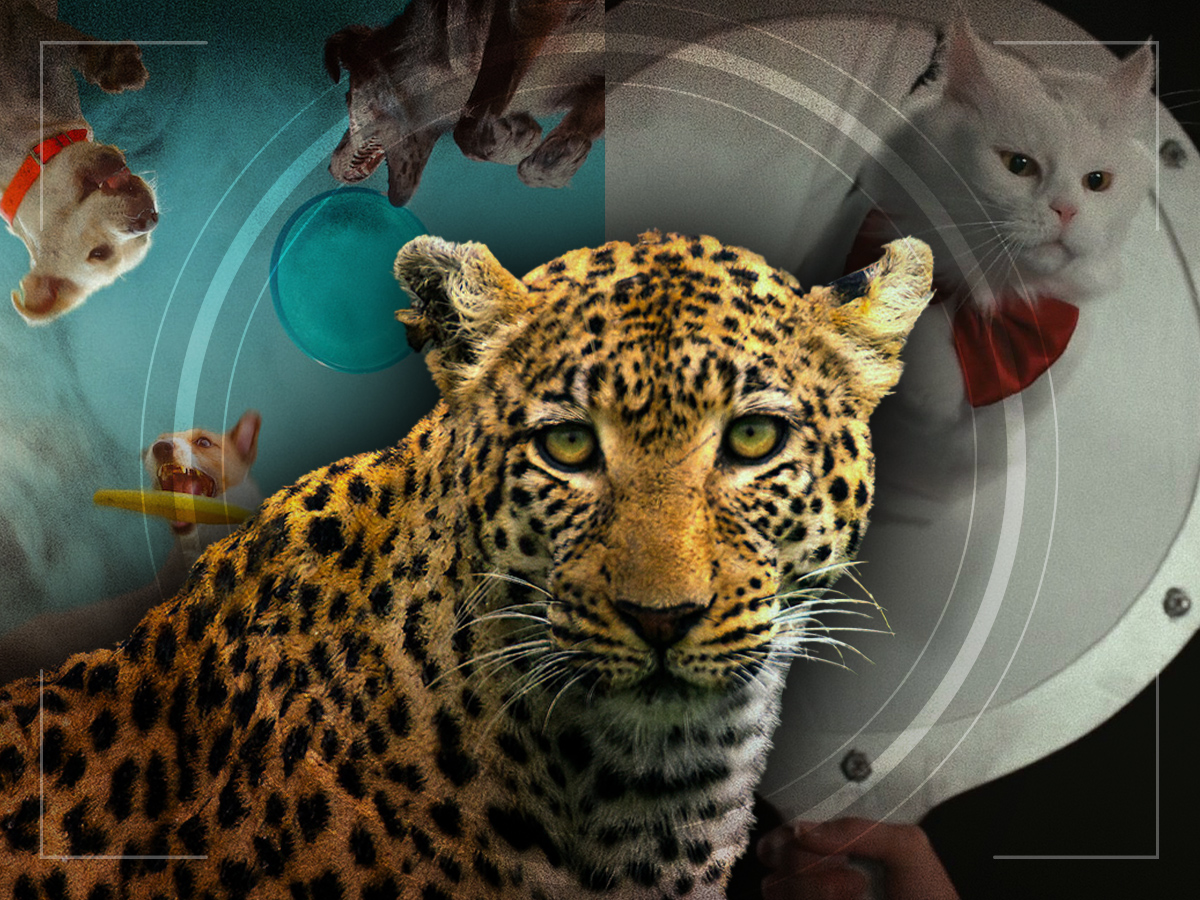
- Visuals: HDR is particularly important for nature documentaries because it captures the extreme contrast found in the wild—the bright sun reflecting off snow or the subtle textures of a leopard’s fur in the shade.
- Audio: Many of these titles feature Dolby Atmos soundtracks. This spatial audio technology places the viewer in the center of the environment, with the sounds of the jungle or the ocean swirling around the room.
- Data Usage: Streaming in 4K can consume up to 7GB of data per hour. Viewers on limited data plans should adjust their playback settings or use the "Download" feature on mobile devices to watch while offline.
Navigating the Netflix Animal Catalog
With thousands of titles available, finding specific animal content can be difficult using the standard interface. Netflix uses a tagging system that categorizes content far more deeply than the "Documentaries" tab suggests.
Using Secret Search Codes
One of the most efficient ways to find animals on Netflix is by using "secret codes." By entering a specific string of numbers into the search bar (or adding it to the end of the URL www.netflix.com/browse/genre/[CODE]), you can bypass the algorithm and see everything in a specific sub-genre.
| Category Name | Secret Code | What You’ll Find |
|---|---|---|
| Nature & Wildlife | 6839 | The main hub for all documentaries and series. |
| Science & Nature TV | 52780 | Broad series that include biology and ecology. |
| Animal Tales | 5507 | Heartwarming stories and family-friendly animal films. |
| Biographies of Animals | 125 | Focuses on specific legendary animals or species history. |
| Education for Kids | 10659 | Often contains animal-themed learning shows. |
Comparing Netflix to Other Platforms
While Netflix is a leader in original nature content, it exists in a competitive landscape alongside Disney+ (which hosts National Geographic) and Discovery+.
Netflix's primary advantage in 2026 is its "all-in-one" value proposition. While National Geographic offers more "raw" scientific data and traditional exploration, Netflix focuses on cinematic "event" television. Netflix productions often feel more like movies than traditional TV shows. However, Disney+ remains the home for most legacy Disney Nature films and the vast National Geographic archive, making it a strong secondary choice for animal lovers.
Frequently Asked Questions
Does Netflix have live animal cameras?
No, Netflix does not currently offer live-streamed animal feeds (like zoo cams). All content is pre-recorded and edited for a narrative experience. However, they do offer "ambient" content, such as Moving Art, which features long, uninterrupted shots of wildlife and nature designed to be played in the background.
Are Netflix animal documentaries staged?
The wildlife filmmaking industry follows strict ethical guidelines. While editors may use "creative geography" (combining shots of the same species from different locations to tell a story) or sound effects added in post-production (foley), reputable productions like Our Planet do not stage animal behavior. Netflix works with organizations like the WWF to ensure their presence does not disturb the animals being filmed.
Why do some animal shows leave Netflix?
If a show is not a "Netflix Original," it is likely licensed from a distributor like the BBC or Discovery. These licenses have expiration dates. When a license ends, the show may move to a different streaming service. In 2026, most high-profile animal content on the platform is "Original," meaning it will likely never leave the service.
Can I watch these shows in a classroom setting?
Yes, Netflix allows for one-time educational screenings of many of its original documentaries. This is a specific exception to their standard Terms of Use, recognizing the educational value of series like Our Planet. You should check the "Educational Screenings" section on the Netflix Media Center website for the most current list of permitted titles and guidelines.
What is the best animal show for toddlers?
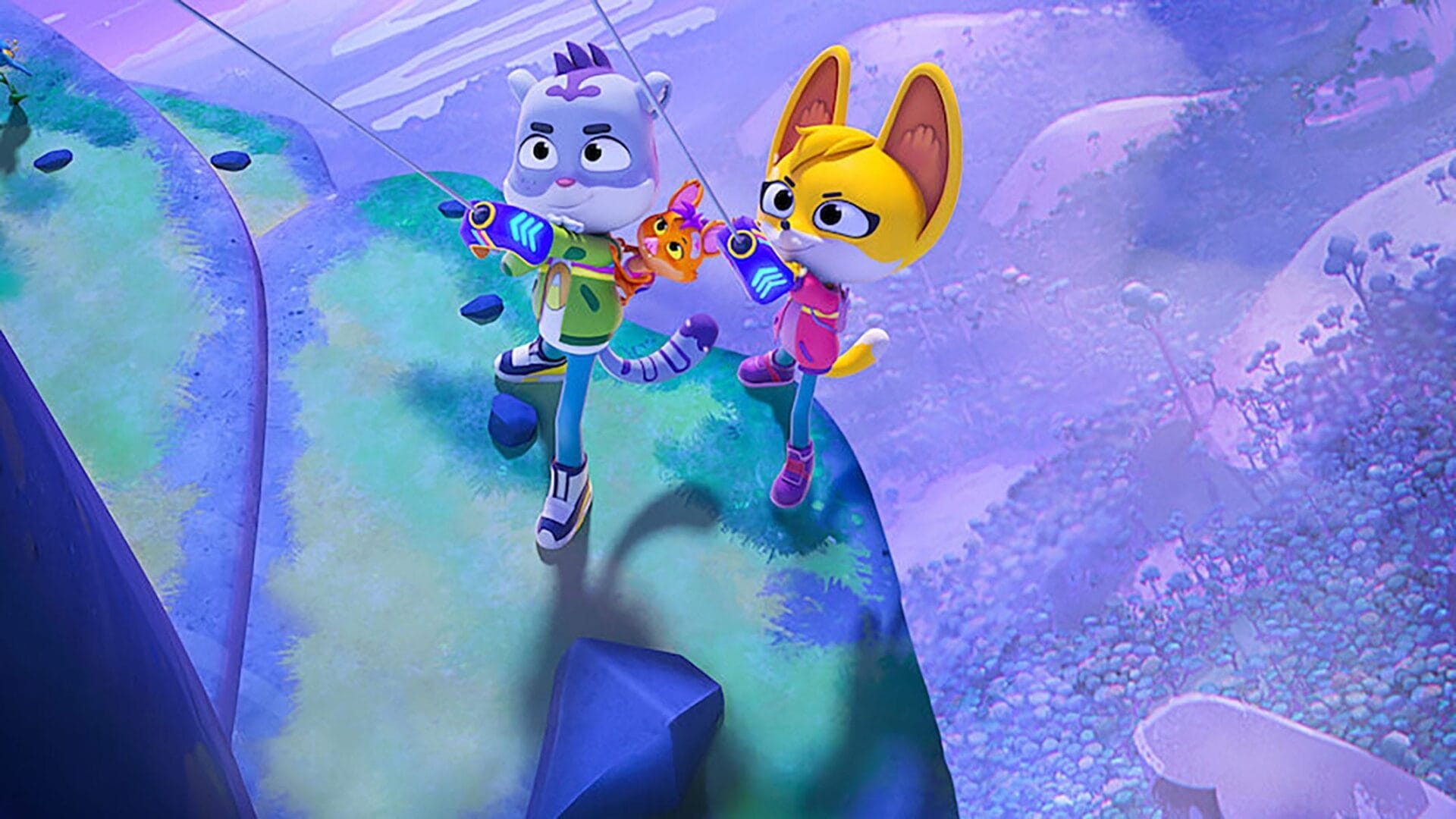
For very young children, Wild Babies is excellent because of its gentle narration and focus on family bonds. For animated animal content, Spirit Riding Free or The Creature Cases provide educational facts wrapped in a fictional narrative that holds a toddler's attention better than traditional documentaries.
Recommendations for Your Next Watch
If you are looking for a place to start, your choice should depend on your specific interest:
- For the ultimate visual experience: Watch Our Planet II or the latest 2026 nature specials in 4K HDR.
- For a "binge-worthy" narrative: Try Predators. Each episode feels like a thriller.
- For something educational to watch with children: Start with Wild Babies or Our Great National Parks.
- For background ambiance: Play Moving Art by Louie Schwartzberg, which offers stunning visuals of nature without narration.
To maximize your experience, ensure your Netflix plan supports Ultra HD and that your "Playback Settings" are set to "High" or "Auto" to ensure you are receiving the highest bitrate possible for these visually demanding shows.