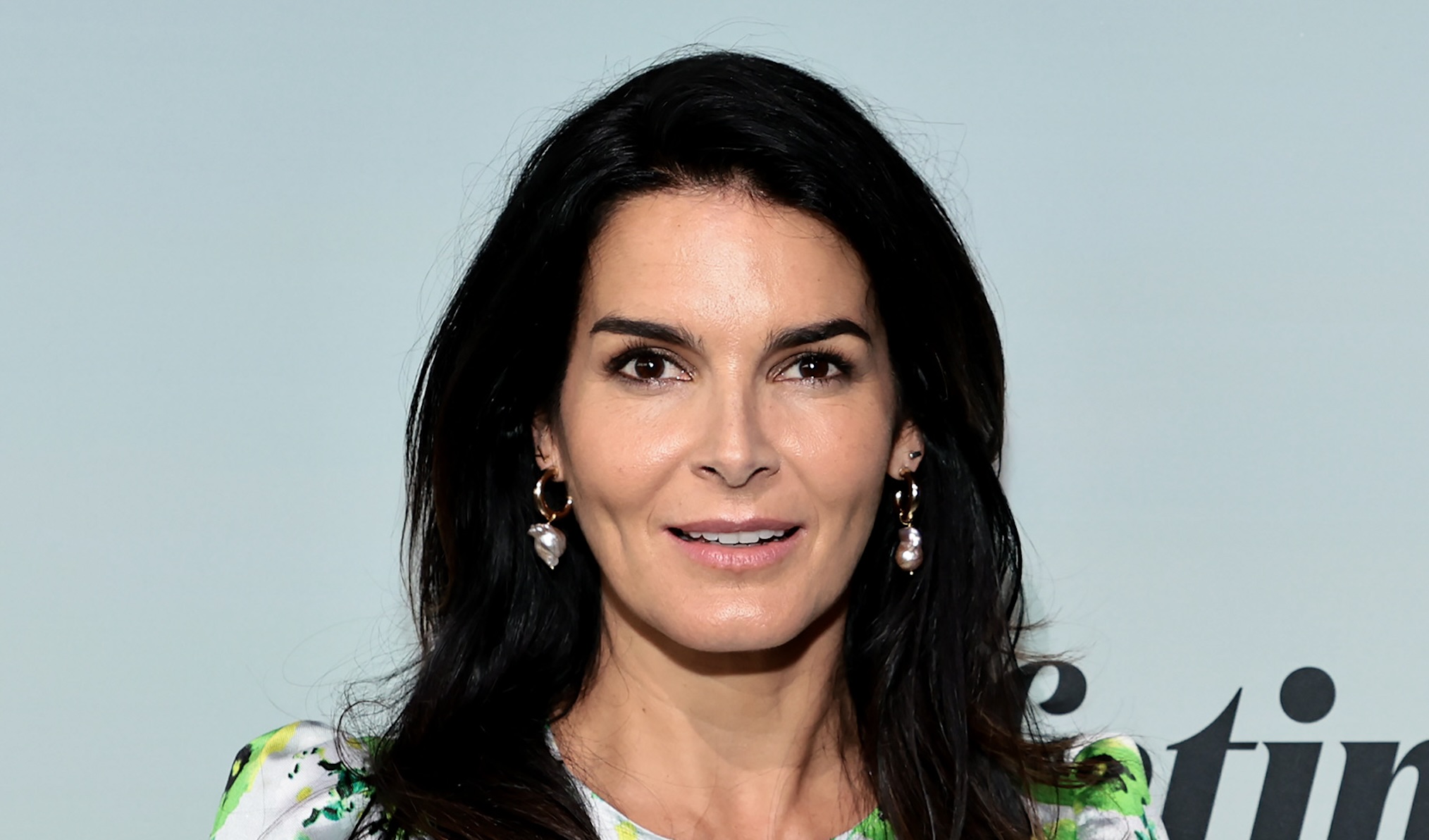
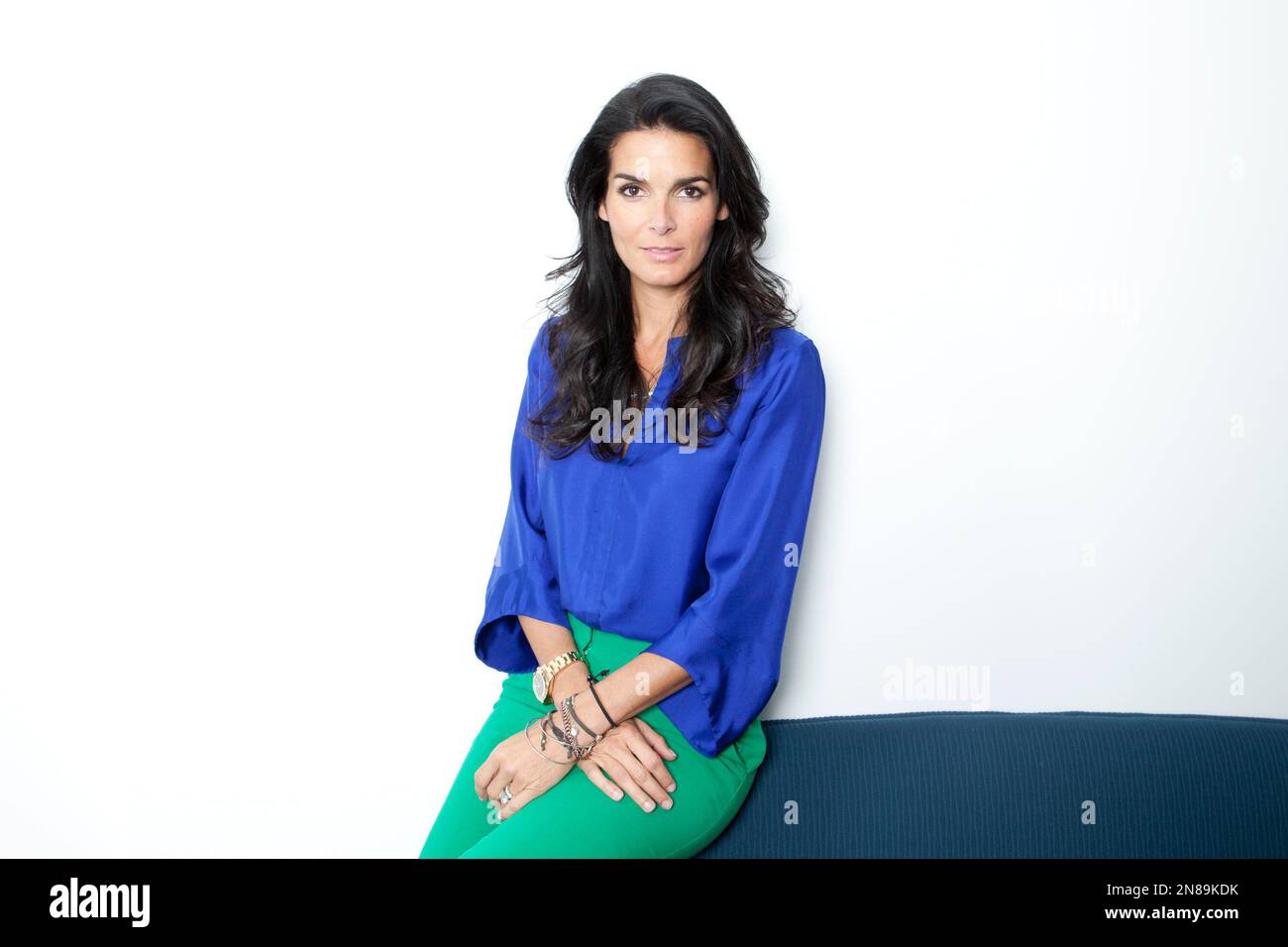
Angie Harmon’s career path is a masterclass in professional evolution, transitioning from a world-class fashion model to one of the most recognizable faces in American police procedurals. Known for her distinctive raspy voice and commanding screen presence, she has successfully shifted from network television stardom to influential roles in directing and executive producing as of 2026.
From the Runway to the Screen: The Formative Years
Before she was a fixture of primetime television, Angie Harmon was a dominant force in the international modeling industry. Born in Highland Park, Texas, her career began after winning a modeling contest for Seventeen magazine in 1987. This initial spark led to a high-profile career that saw her walking runways for legendary designers like Giorgio Armani, Donna Karan, and Gianni Versace.
The transition from modeling to acting is a path many have attempted, but few have navigated with the longevity Harmon achieved. Her first major break came not through traditional auditions, but through a chance meeting with David Hasselhoff on a plane. This led to her casting in Baywatch Nights (1995–1997). While the show was a spin-off of the massive Baywatch franchise, it served as a critical training ground where Harmon could sharpen her dramatic timing and learn the mechanics of a television set.
During this period, Harmon faced the industry-wide "model-turned-actress" stigma. Critics often dismissed models entering the acting world as "eye candy." However, Harmon’s choice of roles—often focusing on characters with professional authority rather than just aesthetic appeal—began to shift that narrative. Her portrayal of Ryan McBride on Baywatch Nights demonstrated a groundedness that would later become her signature.
The NBC Era: Defining Abbie Carmichael
The true turning point in Angie Harmon’s evolving career path occurred in 1998 when she joined the cast of Law & Order as Assistant District Attorney Abbie Carmichael. Replacing Carey Lowell’s Jamie Ross, Harmon brought a conservative, "tough-on-crime" edge to the series that contrasted sharply with the more liberal views of Sam Waterston’s Jack McCoy.
The Impact of the Procedural Format
The role of Abbie Carmichael was foundational for several reasons:
- Genre Specialization: It established Harmon as a credible "authority figure" in the procedural genre.
- Vocal Identity: Her deep, gravelly voice became an asset, conveying a sense of veteran gravitas that made her character’s courtroom arguments more persuasive.
- Longevity: Appearing in over 70 episodes, she became a face of the "Golden Age" of the Law & Order franchise, even crossing over into the early seasons of Law & Order: Special Victims Unit.
Harmon’s departure from the series in 2001 was a calculated move to explore film and personal projects, but the "tough prosecutor" archetype she helped build remained a blueprint for many future female leads in legal dramas.
Navigating the Film Industry and Voice Work
Following her departure from network television, Harmon sought to diversify her portfolio. Her film career included roles in Agent Cody Banks (2003), where she played a handler for a teen spy, and the 2005 remake of Fun with Dick and Jane. While her filmography proved she could handle action and comedy, the silver screen often struggled to provide the same depth of character that television offered her.
Interestingly, one of the most overlooked aspects of her career evolution is her work as a voice actress. In the animated series Batman Beyond (1999–2000), she provided the voice for Commissioner Barbara Gordon. This role was significant because it allowed her to play a legacy character in a major franchise, further cementing her association with strong, authoritative female roles without relying on her physical appearance.
The Rizzoli & Isles Phenomenon: Redefining Female Partnerships
In 2010, Harmon began what many consider the definitive chapter of her career: Rizzoli & Isles. Portraying Boston Homicide Detective Jane Rizzoli, Harmon moved from the courtroom back to the streets. The show, which ran for seven seasons on TNT, became one of the highest-rated programs in basic cable history.
The Chemistry of Success
The evolution of her career during this time was marked by a shift in how female relationships were portrayed on television. Unlike many procedurals that pitted women against each other, Rizzoli & Isles focused on the deep platonic bond between Harmon’s character and Dr. Maura Isles (played by Sasha Alexander).
Harmon’s Jane Rizzoli was a departure from the polished Abbie Carmichael. Rizzoli was tomboyish, impulsive, and deeply protective of her family. This role allowed Harmon to show more emotional range, moving from high-stakes action to moments of vulnerability and comedic timing. The success of the show proved that Harmon could carry a series as the primary lead, not just as part of an ensemble cast.
The Shift to Creative Control: Directing and Producing
As the television landscape changed with the rise of streaming services, Harmon’s career path evolved toward creative control behind the scenes. In recent years, and leading into 2026, she has focused significantly on executive production and directing.
Her multi-picture deal with Lifetime, announced in the early 2020s, was a strategic pivot. It allowed her to develop projects that she felt were missing from the market—specifically stories about women in mid-life facing extraordinary circumstances. The film Buried in Barstow (2022) served as a proof of concept for this new era. In it, she played Hazel King, a single mother with a violent past she can't quite outrun.
The Producer's Lens
By taking on executive producer roles, Harmon has been able to influence:
- Casting Decisions: Prioritizing veteran actors and diverse perspectives.
- Narrative Tone: Moving away from the "victim" trope often found in cable movies toward "survivor" and "avenger" archetypes.
- Directorial Style: Harmon made her directorial debut during Rizzoli & Isles, and she has continued to hone this craft, bringing a "performer-first" perspective to the director’s chair.
| Career Phase | Major Project | Primary Role | Evolution Milestone |
|---|---|---|---|
| Modeling (1987-1994) | Seventeen, Versace | Fashion Model | Established international recognition and public image. |
| Early TV (1995-1997) | Baywatch Nights | Actress (Ryan McBride) | Transitioned from runway to scripted dramatic work. |
| The Breakthrough (1998-2001) | Law & Order | Actress (Abbie Carmichael) | Cemented status as a dramatic powerhouse in procedurals. |
| Leading Lady (2010-2016) | Rizzoli & Isles | Actress (Jane Rizzoli) | Proved ability to lead a high-rating, long-running cable series. |
| The Creative (2022-2026) | Buried in Barstow | Director / Executive Producer | Shifted focus to content creation and narrative ownership. |
Examining the Harmon Archetype
To understand Angie Harmon’s career path, one must analyze the "Harmon Archetype." Throughout her four-decades-long career, she has consistently gravitated toward characters who possess a specific blend of steel and soul.
The "Strong Woman" Evolution
In the late 90s, a "strong woman" in Hollywood was often written as cold or emotionless to fit into male-dominated spaces (like the DA’s office). Harmon’s Abbie Carmichael occasionally fell into this trap. However, by the time she reached Rizzoli & Isles, the definition of strength had evolved to include emotional intelligence, community ties, and flawed humanity.
In 2026, we see the culmination of this evolution. Harmon is no longer just playing these characters; she is the architect of their stories. Her current projects often focus on the "unseen woman"—characters who are mothers or professionals who have been underestimated by society.
Challenges and Resilience in the Industry
No career evolution is without its hurdles. Harmon has been vocal about the difficulties of maintaining a career while raising a family, a struggle many of her fans resonate with. Furthermore, the shift from network dominance to a fragmented streaming market required a tactical change in how projects are selected.
She has also navigated the physical demands of her roles. Having performed many of her own stunts in the past, Harmon’s later work shows a shift toward psychological thrillers where the tension is built through atmosphere and dialogue rather than just physical altercations. This transition ensures longevity, allowing her to remain a central figure in the industry even as the physical requirements of "action" roles change with age.
The Legacy of Angie Harmon in 2026
As of 2026, Angie Harmon stands as a veteran of the screen who has successfully avoided being pigeonholed. She is one of the few actresses who can boast a successful career in three distinct fields: high-fashion modeling, network dramatic acting, and executive production.
Her influence is visible in the current crop of procedural leads who cite her portrayal of Rizzoli or Carmichael as inspiration. More importantly, her move into production has opened doors for more authentic storytelling in the "woman-in-peril" genre, transforming it into a "woman-in-power" genre.
Key Industry Contributions
- Advocacy for Procedural Quality: She maintained high standards for dialogue and character consistency in long-running series.
- Mentorship: Through her directing roles, she has become a mentor to younger actresses entering the TV landscape.
- Brand Longevity: She has maintained a consistent brand of "approachable authority" that makes her a valuable asset for both advertisers and networks.
Frequently Asked Questions
Why did Angie Harmon leave Law & Order?
Angie Harmon left Law & Order in 2001 to pursue a career in film and to expand her acting range beyond the courtroom. She had completed three seasons as Abbie Carmichael and felt that the character had reached a natural conclusion. Her departure was amicable, and her character was written out as having accepted a position at the U.S. Attorney's office.
Is Angie Harmon still acting in 2026?
Yes, as of 2026, Angie Harmon remains active in the entertainment industry. While she has shifted much of her focus toward executive producing and directing under her development deals, she continues to take on lead roles in select television movies and limited series, particularly those that she produces herself.
What is Angie Harmon's most famous role?
While she is widely recognized for her work on Law & Order, most fans and industry analysts consider Jane Rizzoli in Rizzoli & Isles to be her most famous and impactful role. The show’s global syndication and the character’s cultural resonance as a strong female lead have made it her most enduring legacy.
Has Angie Harmon won any awards for her acting?
Angie Harmon has received several nominations and awards throughout her career. Notably, she won the Gracie Allen Award for Outstanding Female Actor in a Leading Role in a Drama Series for Rizzoli & Isles. She also shared several Screen Actors Guild Award nominations with the ensemble cast of Law & Order.
Does Angie Harmon direct her own projects?
Yes, Harmon began directing during the later seasons of Rizzoli & Isles and has since made directing a core part of her professional identity. In her recent partnership with Lifetime and other production entities, she frequently serves as both the lead actress and a director or executive producer.
Recommendations for Viewers and Aspiring Professionals
For those looking to appreciate the full breadth of Angie Harmon’s evolving career path, a chronological viewing is recommended. Start with her guest appearances in the mid-90s to see her raw talent, then move to Law & Order Season 9 to see her professional refinement. Following this with Rizzoli & Isles provides a look at her peak as a television lead.
For aspiring actors and creators, Harmon’s career serves as a template for strategic diversification. Her move from in front of the camera to behind it is a vital lesson in taking ownership of one’s narrative in an industry that often tries to limit performers based on their early successes. By 2026, the lesson of Angie Harmon is clear: longevity in Hollywood requires not just talent, but the willingness to evolve and the courage to take creative control.