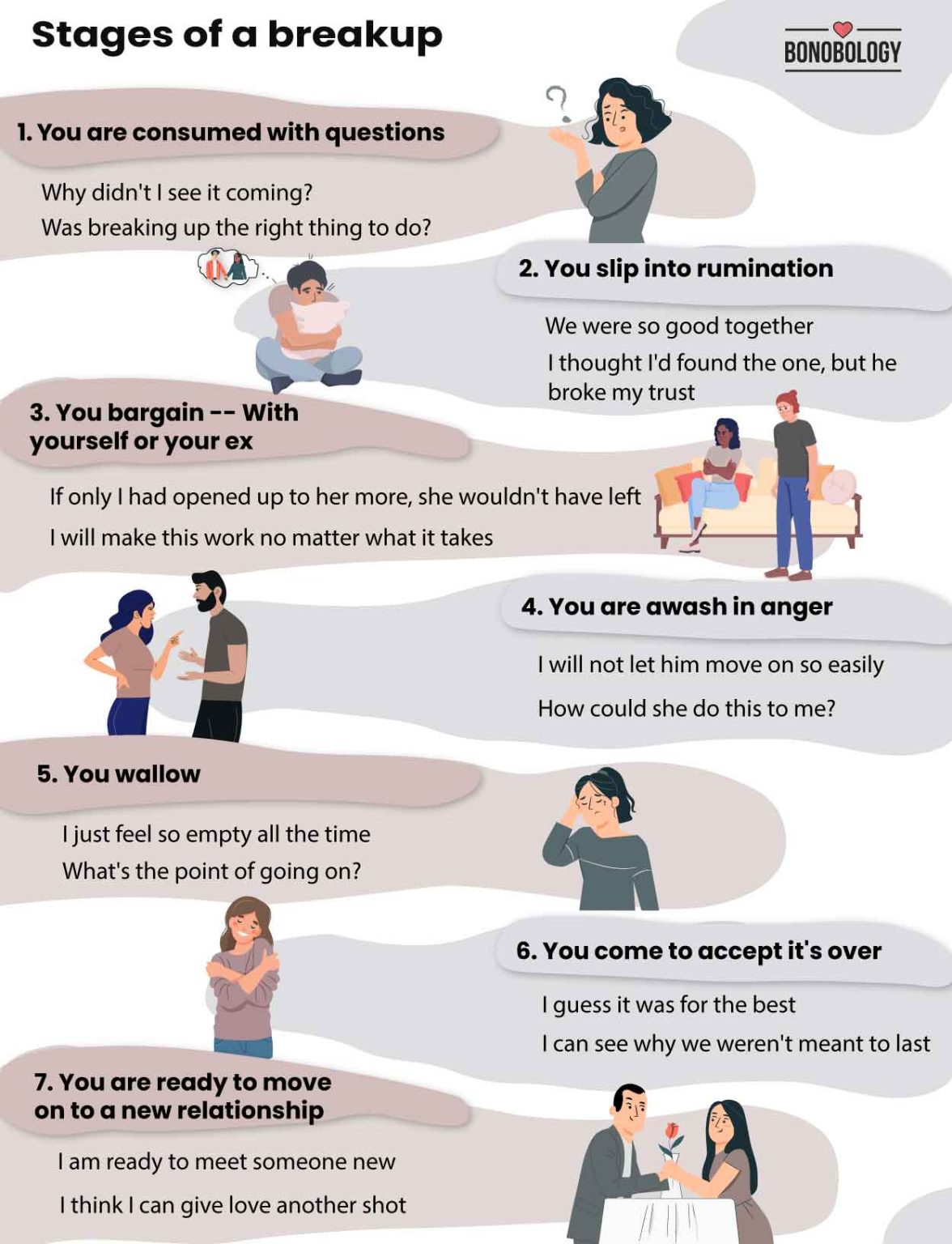
Anger after a breakup is a natural and necessary physiological response to the loss of a significant attachment. It serves as a protective mechanism that helps individuals detach from their former partner by highlighting perceived injustices and re-establishing a sense of self-worth. Understanding this anger is essential for moving through the grieving process effectively.
The Psychological Mechanics of Post-Breakup Anger
To navigate the intensity of anger following a relationship’s end, one must first understand that this emotion rarely exists in a vacuum. In the landscape of 2026 clinical psychology, anger is frequently categorized as a secondary emotion. While it feels primary and overwhelming, it often acts as a protective "shield" for more vulnerable primary emotions, such as deep-seated sadness, fear of abandonment, or feelings of inadequacy.
When a relationship dissolves, the brain’s attachment system is thrown into a state of alarm. The loss of a partner triggers the same neural pathways associated with physical pain. As the brain attempts to process this "injury," the amygdala—the center for emotional processing—often triggers a fight-or-flight response. Since you cannot "fight" the fact of the breakup or "flee" the emotional pain, the energy often manifests as chronic irritability or acute rage toward the former partner.
Furthermore, anger provides a temporary sense of empowerment. In the wake of a breakup, especially one that was not your choice, you may feel powerless. Anger restores a semblance of control. By focusing on the partner’s flaws, betrayals, or mistakes, you shift from a position of "victimhood" to one of "judgment," which can feel safer in the short term. However, remaining in this state for too long can stall the healing process, keeping you tethered to the very person you are trying to move on from.
Why Anger is a Vital Stage of the Grieving Process
The Kübler-Ross model identifies anger as one of the five stages of grief. In the context of a breakup, this stage is often the most misunderstood. Many people fear their anger, worrying that it makes them "bitter" or "unstable." On the contrary, anger is often the first sign that you are moving out of the denial phase.
Anger acts as a catalyst for detachment. During the "honeymoon" or "denial" phases of a breakup, we tend to put our ex-partners on a pedestal, remembering only the good times. Anger forces a more critical re-evaluation of the relationship. It allows you to acknowledge the ways your needs were not met, the times your boundaries were crossed, and the fundamental incompatibilities that existed. This "de-idealization" is a prerequisite for moving toward acceptance.
Without this stage, individuals may remain stuck in a loop of longing and false hope. By feeling the heat of anger, you are effectively burning the bridge that leads back to a situation that no longer serves you. It is the fuel that allows you to assert, "I deserve better than this," which is the foundational realization needed for true emotional recovery.
Common Triggers for Post-Breakup Rage
While the end of a relationship is a general catalyst, specific triggers often exacerbate anger after a breakup. Identifying these triggers can help you manage your reactions and understand the root of your distress.
1. Perceived Unfairness and Injustice
One of the most potent drivers of anger is the feeling that the breakup was "unfair." This occurs when one partner feels they invested more time, effort, or financial resources into the relationship, only to be "discarded." In 2026, as digital lives become more transparent, seeing an ex-partner seemingly "win" the breakup—perhaps by moving on quickly or maintaining the majority of a shared social circle—can trigger intense feelings of resentment.
2. Betrayal and Infidelity
If the relationship ended due to cheating or a significant breach of trust, the anger is compounded by betrayal trauma. This is not just anger at the loss of a partner, but anger at the violation of a sacred agreement. This type of rage often involves a high degree of rumination, where the brain obsessively replays the details of the betrayal in an attempt to make sense of the cognitive dissonance.
3. The Loss of a Shared Future
Breakups do not just end a present reality; they kill a projected future. Anger often stems from the frustration of having to rebuild a life from scratch. The anger is directed at the partner for "robbing" you of the plans, vacations, family goals, or financial stability you had envisioned together.
Distinguishing Between Healthy and Maladaptive Anger
Not all anger is created equal. Understanding the difference between anger that facilitates growth and anger that creates a "toxic loop" is critical for long-term mental health.
| Feature | Healthy Anger | Maladaptive (Toxic) Anger |
|---|---|---|
| Duration | Experienced in waves; intensity decreases over time. | Persistent and unchanging; feels like a permanent state. |
| Focus | Focused on setting boundaries and self-protection. | Focused on revenge, "getting even," or obsession. |
| Social Impact | You can talk about it with friends but also discuss other topics. | Dominates every conversation; alienates support systems. |
| Action | Leads to "No Contact" and self-improvement. | Leads to "Stalking" (physical or digital) and harassment. |
| Internal Effect | Serves as a bridge to sadness and eventually peace. | Serves as a wall that prevents any other emotion from surfacing. |
| Self-Perception | "I am angry because I was mistreated." | "I am a victim, and my life is over because of them." |
Healthy anger is transformative. It motivates you to delete their number, move out of a shared apartment, or finally sign up for that class you always wanted to take. Maladaptive anger, however, keeps the ex-partner at the center of your universe. If you are spending hours every day checking their social media or plotting how to make them jealous, the anger is no longer protecting you; it is imprisoning you.
Practical Strategies for Managing Post-Breakup Rage
Managing anger requires a multi-pronged approach that addresses both the physical energy of the emotion and the cognitive patterns that keep it alive.
Somatic and Physical Release
Anger is a high-energy emotion that manifests physically as increased heart rate, muscle tension, and shallow breathing. If this energy is not "moved" through the body, it can lead to physical exhaustion or outbursts. High-intensity interval training (HIIT), boxing, or even vigorous cleaning can provide an outlet for this physiological charge. In 2026, many therapists also recommend Somatic Experiencing techniques, which involve focusing on where you feel the anger in your body (e.g., your chest or jaw) and using intentional movement to release that tension.
The Power of "No Contact"
The single most effective way to lower the "temperature" of post-breakup anger is to implement a strict "No Contact" rule. Every time you interact with your ex or view their digital footprint, you re-traumatize the attachment system and restart the anger cycle. By removing the stimulus, you allow your nervous system to return to a state of baseline calm. This is not about being "petty"; it is about creating a vacuum in which you can heal without interference.
Cognitive Reframing and Journaling
Anger is sustained by the stories we tell ourselves. If your internal monologue is, "They ruined my life," your anger will remain white-hot. Cognitive reframing involves shifting that narrative to something more balanced, such as, "This relationship was a chapter of my life that taught me what I don't want in a partner."
Journaling is a vital tool here. Specifically, "unsent letters" can be incredibly cathartic. Write down every venomous, angry, and "irrational" thought you have toward your ex. Be as detailed as possible. Then, instead of sending it, destroy it. This process externalizes the anger, taking it out of your mind and putting it on paper, allowing you to witness the emotion without being consumed by it.
Professional Intervention
If your anger is leading to thoughts of self-harm, harm to others, or if it is preventing you from functioning in your daily life for more than a few months, seeking professional help is essential. Cognitive Behavioral Therapy (CBT) and Dialectical Behavior Therapy (DBT) are highly effective in providing tools for emotional regulation and distress tolerance.
Moving Toward Indifference: The Final Goal
Many people believe the opposite of love is hate. In reality, the opposite of love is indifference. Anger is still a form of intense emotional connection; it requires a significant amount of your energy to maintain. The goal of the healing process is not necessarily to "forgive" the person—especially if they were abusive or deeply dishonest—but to reach a point where their actions no longer have the power to disrupt your emotional state.
Forgiveness is often misunderstood as "excusing" the behavior. In a psychological sense, forgiveness is simply the decision to stop carrying the burden of resentment. It is something you do for yourself, not for the other person. As you process your anger, you will find that it naturally dissipates, replaced by a quiet realization that you are okay on your own.
Frequently Asked Questions
Is it normal to feel angry months after the breakup?
Yes, grief is not linear. You may feel fine for several weeks and then suddenly experience a surge of rage after seeing a photo or hearing a song. This is often called a "grief burst." As long as the overall trend is toward less frequent and less intense episodes, you are likely on the right track. However, if the anger is as intense as day one after six months, it may be helpful to consult a therapist.
Why do I feel angry even though I was the one who ended the relationship?
The "dumper" also experiences grief and anger. You may be angry at the circumstances that forced you to end the relationship, angry that your partner didn't change despite your efforts, or angry at yourself for staying as long as you did. Initiating the breakup doesn't invalidate your right to feel the loss.
How do I deal with "righteous anger" when they actually did something terrible?
Righteous anger is valid, but it is also heavy. When someone has truly wronged you, the anger serves to remind you of your worth. The key is to use that anger to fuel your own boundaries (like blocking them) rather than using it to try and change or punish them. Your "revenge" is living a full, happy life that they are no longer a part of.
Can anger after a breakup lead to depression?
Yes. There is a psychological theory that "depression is anger turned inward." If you feel you aren't "allowed" to be angry, or if you turn that anger on yourself (self-blame), it can manifest as depressive symptoms, such as lethargy, hopelessness, and low self-esteem. Externalizing the anger through healthy channels can often prevent this shift.
What if my ex is trying to make me angry on purpose?
This is a common tactic used by people who cannot handle the silence of "No Contact." They may post provocative things on social media or send "breadcrumb" texts. They do this because your anger is still a form of attention and validation. The most powerful response to intentional provocation is no response at all.
Final Recommendations for 2026
If you are currently struggling with intense anger after a breakup, your immediate priority should be self-containment and radical self-care. Avoid making major life decisions or communicating with your ex while in a state of high emotional arousal. Focus on stabilizing your physical health—sleep, nutrition, and movement—as a stable body is better equipped to handle a turbulent mind.
Remember that your anger is a sign of your humanity and your capacity to value yourself. It is a temporary bridge to a more peaceful version of your life. Do not rush the process, but do not let the anger become your new identity. Allow it to speak its truth, then slowly, when you are ready, let it go.