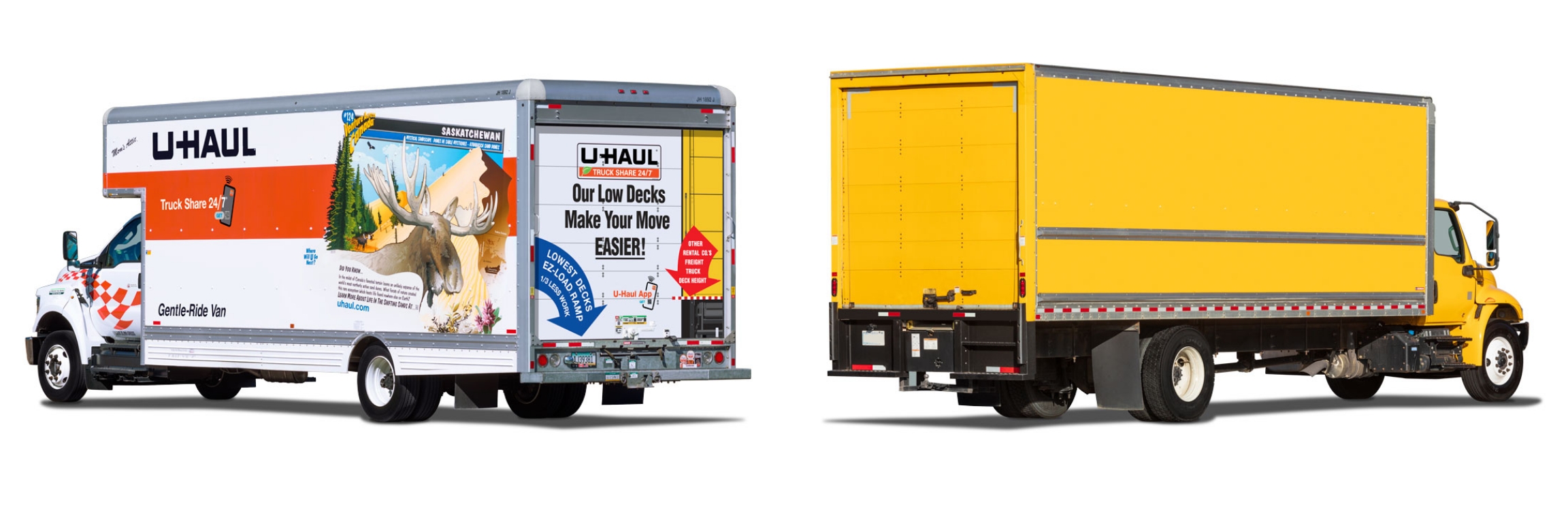
When renting a U-Haul truck for a move, most personal auto insurance policies, including those from Amica, generally do not extend full coverage to commercial-sized rental vehicles. While your standard Amica policy provides liability and physical damage protection for your personal vehicle and occasionally smaller rental cars, heavy-duty moving trucks often fall outside the scope of "private passenger auto" coverage, making the purchase of U-Haul’s own insurance products a critical consideration for your rental agreement.
The Scope of Personal Auto Insurance
To understand why your Amica policy may not cover a U-Haul, you must first look at the language of standard personal auto insurance contracts. Most policies are designed to cover private passenger automobiles, such as sedans, SUVs, and light-duty pickup trucks used for personal travel.
A U-Haul moving truck—especially those with a gross vehicle weight (GVW) exceeding common thresholds—is classified as a commercial vehicle or a large rental truck. Insurance providers typically impose exclusions on vehicles that do not fit the definition of a "covered auto." Because these trucks are significantly larger, harder to maneuver, and carry higher risks for property damage and bodily injury, personal insurance carriers often explicitly exclude them from the definition of a "temporary substitute" or "non-owned" vehicle.
Defining "Covered Auto"
Your policy declaration page usually defines what qualifies as a "covered auto." If you are unsure whether your specific policy includes non-owned rental coverage, you must check your policy documents or contact an Amica representative directly. Even if your policy covers smaller rental cars (like those from Enterprise or Hertz), the transition to a box truck or a cargo van often triggers a different classification. Relying on an assumption of coverage can lead to significant out-of-pocket expenses if an accident occurs, as your policy may legally decline any claim related to a commercial-sized rental.
Why U-Haul Insurance Is Often Required
U-Haul operates as a commercial rental entity, and their rental contracts are structured to protect their assets through their own insurance offerings. When you rent a U-Haul, the rental office will present you with several protection packages. These are not merely up-sells; they are primary insurance products designed specifically for the risks associated with moving equipment.
Available U-Haul Protection Plans
- Safemove: This is the most common package, covering damage to the truck, up to a specified limit for your cargo, and medical/life coverage for the driver and passenger.
- Safemove Plus: This is a more comprehensive upgrade that often includes a "damage waiver" which covers accidental damage to the truck, even if it was caused by driver error, and generally provides higher liability protection.
- Safetow: If you are renting a trailer or a tow dolly behind your personal vehicle, Safetow is specifically designed to cover the towed equipment, as many personal policies also exclude coverage for trailers not listed on your declaration page.
Evaluating the Risks of Declining Rental Protection
If you decide to rely on your own insurance because you believe it covers the rental, you are assuming the role of the insurer. If an accident occurs and your personal policy denies the claim due to vehicle size or classification, you will be personally liable for:
- Repair Costs: The cost to repair the body, lift gate, or mechanical components of a large truck is significantly higher than that of a standard passenger vehicle.
- Loss of Use: Rental companies will charge you for the daily revenue they lose while the truck is in the shop for repairs.
- Diminished Value: You may be responsible for the difference in the truck’s market value before and after the accident.
- Liability Claims: If you are found at fault for property damage (such as hitting a building or another vehicle) or bodily injury, your personal liability limits may be insufficient or completely ineligible for the claim, putting your personal assets at risk.
Comparing Coverage Options
| Feature | Personal Auto Policy (Amica) | U-Haul Rental Protection |
|---|---|---|
| Primary Coverage | Designed for private passenger cars | Specifically for large rental trucks |
| Vehicle Eligibility | Usually excludes commercial/moving trucks | Covers all U-Haul fleet vehicles |
| Deductibles | Standard policy deductibles apply | Often no deductible (depending on plan) |
| Loss of Use | Usually not covered | Generally included |
| Ease of Claim | Involves standard insurance process | Handled directly by U-Haul/Republic Western |
Steps to Determine Your Coverage Status
Before finalizing your rental, follow these steps to ensure you are adequately protected:
- Review Your Declarations Page: Log in to your Amica account portal or review your paper policy documents. Look for the "Non-Owned Vehicle" section. If you see specific weight limits or vehicle type exclusions, you have your answer.
- Call Your Agent: Call Amica directly and ask, "Does my policy provide collision and liability coverage for a commercial-style rental moving truck over 10,000 lbs GVW?" Do not rely on general assumptions.
- Verify the Rental Unit: When booking the U-Haul, note the specific type of truck. A cargo van might be viewed differently than a 26-foot moving truck.
- Check Credit Card Benefits: Some premium credit cards offer "primary" or "secondary" rental car insurance. However, nearly all credit card policies specifically exclude moving trucks, trailers, and cargo vans. Do not rely on credit card coverage for a U-Haul.
Common Pitfalls for Moving Rentals
Many renters fall into the trap of believing that because they have "full coverage" insurance, they are immune to risk. Here are the most common mistakes:
Overestimating "Full Coverage"
"Full coverage" is a colloquial term, not a legal one. It usually refers to having both liability and comprehensive/collision coverage on a personal vehicle. It does not mean "coverage for every vehicle I ever drive." Insurance contracts are highly specific regarding vehicle classification.
Ignoring the "Commercial" Exclusion
Moving trucks are frequently used for commercial purposes. Many personal policies contain a "business use" exclusion. Even if you are moving your own household goods, the vehicle itself is often classified as commercial by the rental company, which can trigger an exclusion in your policy even if the size of the truck is not an issue.
Relying on Outdated Advice
Rules regarding rental coverage change. Financial regulations and underwriting guidelines are updated regularly. If you found information online from five years ago, it is likely irrelevant to your current policy or the current rental contract terms. Always rely on the latest version of your specific policy document.
Frequently Asked Questions
Will Amica cover the cargo I am moving in the U-Haul?
Generally, no. Your standard auto insurance policy does not cover your personal belongings during a move. If your items are damaged in a fire, theft, or accident, you would need to look toward your homeowners or renters insurance, or a dedicated moving insurance policy. U-Haul does offer limited cargo protection packages that may cover items in the event of an accident to the truck, but it is not a replacement for comprehensive moving insurance.
Is there a difference between renting a trailer and a truck?
Yes. Many personal policies exclude coverage for trailers entirely. Renting a trailer or a tow dolly creates a "towed unit" scenario that is often excluded from the definition of a covered auto. Always clarify with your insurance agent if your policy covers towed equipment.
Should I pay for the U-Haul Safemove even if my insurance says it might cover me?
Many experts recommend purchasing the rental company’s insurance. Because the rental company's insurance is primary, it handles claims immediately. If you rely on your own insurance, you may be forced to pay for damages out-of-pocket upfront while your insurance company investigates the claim, which can take weeks or months.
Can I add a rental endorsement to my Amica policy?
Generally, no. Amica does not typically offer "one-off" endorsements for specific large-vehicle rentals. You should focus your risk management strategy on the products offered at the U-Haul rental counter.
Final Recommendation
Given that the vast majority of personal auto policies—including those from premium carriers like Amica—do not cover heavy-duty moving trucks, the safest and most efficient path is to accept the coverage offered by U-Haul at the time of rental. Treat this expense as a necessary cost of your move.
Before you pick up the keys:
- Verify the policy: Call Amica to get a definitive "Yes" or "No" regarding your specific rental. If they say no, you have your answer.
- Budget for protection: Add the cost of the U-Haul protection package to your moving budget.
- Inspect the vehicle: Regardless of insurance, perform a thorough walk-around inspection of the truck and document any pre-existing scratches or dents with photos before you leave the lot. This prevents "damage disputes" later.
By choosing the rental company's coverage, you simplify the claims process in the event of an incident and protect your personal auto insurance rates from potential surcharges associated with an accident involving a commercial-sized vehicle.