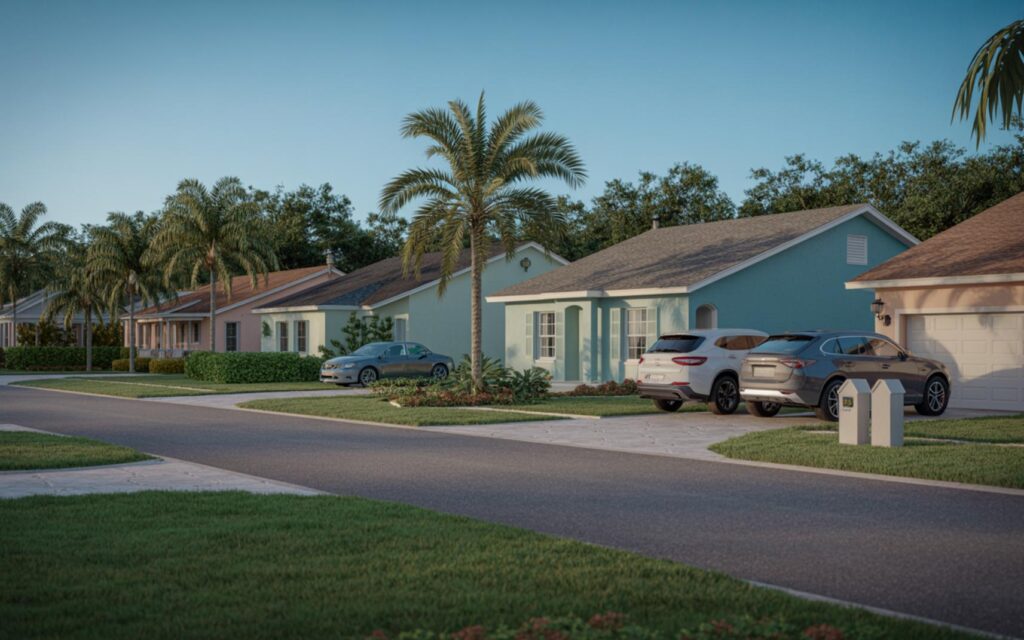
Amica Mutual Insurance offers homeowners insurance coverage in Florida, providing policyholders with protection against perils such as windstorms, fire, and theft. Because Florida is a high-risk market for weather-related events, homeowners seeking policies through Amica must meet specific underwriting criteria and navigate state-regulated insurance requirements to ensure their property remains adequately covered under current 2026 standards.
Understanding the Florida Insurance Landscape
Florida presents a unique and challenging environment for property insurers. Due to the state’s long coastline and history of significant hurricane activity, insurers are subject to stringent oversight by the Florida Office of Insurance Regulation (OIR). When evaluating homeowners insurance, companies like Amica must balance the actuarial risk of catastrophic loss against the need for competitive premium pricing.
For the homeowner, this means that insurance availability can fluctuate based on location, the age of the property, and the specific mitigation features installed to combat storm damage. Understanding that Amica operates in this environment requires an appreciation of the balance between traditional insurance service models and the realities of the Florida real estate market.
Core Coverage Provided by Amica
Amica’s homeowners insurance policies in Florida typically follow standard industry structures, though they are tailored to address regional risks. The core of these policies centers on three primary areas of protection:
- Dwelling Coverage: This protects the physical structure of your home, including attached garages, plumbing, heating, and electrical systems. In Florida, dwelling coverage is critical, as it must be sufficient to cover the cost of rebuilding your home to current code standards following a covered peril.
- Personal Property Coverage: This covers the contents of your home, such as furniture, electronics, and clothing, regardless of whether they are damaged on or off the premises.
- Liability Protection: This provides coverage if you are found legally responsible for bodily injury or property damage to others. Given the litigious nature of the Florida insurance market, this component is often a high priority for homeowners.
The Role of Wind Mitigation in Florida
In Florida, "wind-only" coverage or specific windstorm deductibles are commonplace. Because hurricanes and tropical storms are the primary threats, Amica, like other insurers, relies heavily on wind mitigation inspections. These inspections verify the structural integrity of your home against wind-borne debris and high-velocity gusts.
To maximize your eligibility and potentially lower your premiums, you should ensure your home is equipped with:
- Hurricane-rated shingles or roof coverings: These must be installed according to the Florida Building Code.
- Impact-resistant windows and doors: These significantly reduce the risk of structural failure during a pressure change caused by a broken window.
- Roof-to-wall attachments: Clips or straps that secure your roof to the frame of the house are a major factor in underwriting assessments.
Comparing Amica to Other Carriers
When considering Amica alongside other providers in Florida, it is important to differentiate based on service philosophy and underwriting appetite. Many residents in Florida have turned to the state-backed "insurer of last resort," Citizens Property Insurance Corporation, due to private market withdrawals. Amica represents a traditional private-market option that maintains its own proprietary underwriting guidelines.
| Feature | Amica (Standard Market) | Citizens (State-Backed) |
|---|---|---|
| Availability | Subject to strict eligibility | Universal eligibility for residents |
| Pricing | Based on risk and credit | Regulated by state actuarial limits |
| Service Model | Customer-centric/Direct | Public administration |
| Underwriting | Selective/Competitive | Mandatory/Legislated |
The primary advantage of a company like Amica is the potential for better customer service and claims handling experiences compared to the public-sector alternative. However, the trade-off is that they are not required to provide coverage to every homeowner, particularly those in high-flood-risk zones or properties with outdated electrical or plumbing systems.
Assessing Your Property’s Eligibility
Before applying for a policy, you should verify if your property meets Amica’s current requirements. Amica often looks at the "Age of Home" and "Condition of Systems." If your home is over 40 years old, you may be required to provide proof of recent updates to the roof, plumbing, and electrical systems (the "four-point inspection").
A four-point inspection is a vital document in Florida that summarizes the condition of:
- HVAC: The age and condition of the heating and air conditioning units.
- Roof: The remaining lifespan and material type.
- Plumbing: The material of the pipes (e.g., cast iron, PVC, or PEX) and evidence of leaks.
- Electrical: The type of wiring (e.g., copper vs. aluminum) and the panel manufacturer.
The Claims Process in the Florida Market
Filing a claim in Florida can be more complex than in other states due to the prevalence of assignment of benefits (AOB) issues and public adjuster involvement. When you hold a policy with Amica, it is essential to follow their specific reporting procedures immediately after a loss.
- Document Everything: Before moving any debris (unless necessary for safety), take high-resolution photos and videos of the damage.
- Mitigate Further Damage: You have an obligation to prevent further harm to your property, such as tarping a hole in the roof. Keep all receipts for these emergency supplies, as they are generally reimbursable.
- Contact the Claims Department: Utilize the official Amica claims portal or their dedicated 24/7 phone line. Avoid hiring an outside public adjuster before speaking with your insurer, as this can introduce unnecessary friction into the process.
Common Pitfalls for Florida Homeowners
Many homeowners in Florida fail to distinguish between different types of water damage. It is a common misconception that all water damage is covered. In reality, damage resulting from a storm surge or rising floodwaters is almost never covered by a standard homeowners policy. You must purchase a separate National Flood Insurance Program (NFIP) policy or a private flood insurance policy to protect against water entering from the ground up.
Another frequent mistake is failing to update your policy limits after major home renovations. If you add a pool, a lanai, or a kitchen expansion, your "Coverage A" (Dwelling) limit may become insufficient. Always notify your agent of significant structural changes to ensure your coverage-to-value ratio remains accurate.
Next Steps for Prospective Policyholders
If you are currently researching homeowners insurance in Florida, your next step should be gathering your property’s documentation. Locate your most recent wind mitigation report and, if your home is older, schedule a four-point inspection. Once you have these documents, reach out to Amica for a customized quote.
Remember that insurance is a contract of indemnity. Its goal is to return you to the financial position you occupied prior to the loss, not to provide a profit. By maintaining your property according to the guidelines set forth by your insurer and the state of Florida, you can secure the best available terms and ensure your peace of mind throughout the hurricane season.
Frequently Asked Questions
Does Amica offer flood insurance in Florida? Standard homeowners insurance policies provided by Amica do not cover flood damage. While they may help you facilitate a separate flood policy, flood coverage is typically provided through the National Flood Insurance Program (NFIP) or private flood carriers to ensure specific, dedicated protection for water-rising events.
What is the minimum documentation required to get a quote from Amica? To receive an accurate quote, you will need your property’s address, square footage, year of construction, and details on any recent renovations. Having a wind mitigation report and a four-point inspection on hand will significantly expedite the process and lead to a more accurate premium assessment.
How does Amica handle windstorm deductibles? In Florida, windstorm deductibles are often expressed as a percentage of your total dwelling coverage (e.g., 2%, 5%, or 10%) rather than a flat dollar amount. You should review your policy declaration page to understand exactly what your percentage is, as this determines your out-of-pocket cost during a named hurricane event.
Can Amica deny coverage based on the age of my roof? Yes. In the current Florida insurance environment, carriers have become increasingly strict regarding the age and condition of roofs. If your roof is beyond its expected useful life, Amica may require you to replace it before they will bind a new policy or renew an existing one.
Is it better to bundle auto and home insurance with Amica in Florida? Bundling policies often results in a multi-policy discount, which can lead to significant annual savings. Beyond the cost benefit, having all your insurance with one carrier simplifies your billing and point-of-contact for customer service, which can be an advantage when managing your household finances.