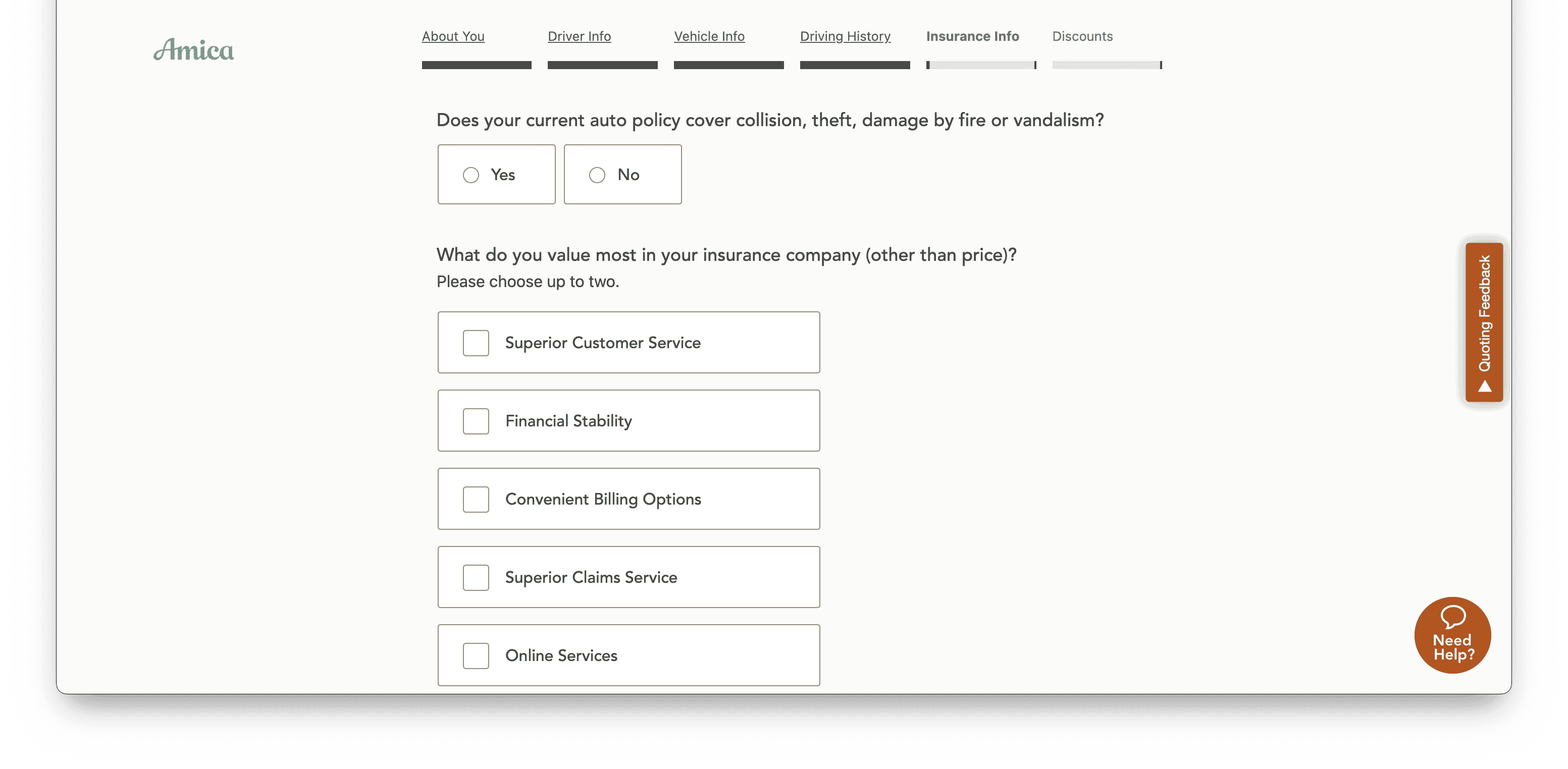
Amica Mutual Insurance consistently ranks at the top of auto insurance industry surveys due to its focus on high-touch customer service, transparent claims handling, and financial stability. By prioritizing the policyholder experience during the vulnerable period following an accident, the company minimizes common points of friction, resulting in industry-leading satisfaction scores and high retention rates among its long-term customer base.
The Anatomy of Insurance Claims Excellence
When consumers search for the best auto insurance, they often focus on premiums. However, the true value of an insurance policy is revealed only when a claim is filed. The claims process is the product’s moment of truth. Amica has built a reputation for excellence by investing heavily in its claims department, treating the interaction as an opportunity to build trust rather than a cost-containment exercise.
Industry rankings, such as those published annually by J.D. Power, measure insurance performance across several key pillars: the first notice of loss (FNOL), the investigation process, the repair process, the settlement, and the overall communication quality. Amica’s lead in these rankings is rarely the result of a single feature; rather, it is the result of a cohesive ecosystem that manages expectations and maintains consistent communication throughout the recovery cycle.
Communication and Transparency as Core Pillars
The primary reason for Amica’s strong standing is its emphasis on proactive communication. In the insurance industry, anxiety often stems from a lack of information. Policyholders want to know the status of their vehicle repair, the coverage limits of their policy, and the timeline for a settlement.
Amica’s claims representatives are trained to provide frequent updates, reducing the need for customers to follow up. This transparency extends to the explanation of coverage. When a claim is filed, the policyholder receives a clear breakdown of what is covered, what might be excluded, and how the deductible applies. By removing the guesswork, Amica fosters a sense of security that is often absent in the lower-tier, low-cost insurance market.
Financial Stability and Claims Handling
Beyond customer service, the ability to pay claims promptly is non-negotiable. Amica is a mutual company, meaning it is owned by its policyholders rather than public shareholders. This structural difference allows the company to focus on long-term stability and service quality rather than quarterly profit spikes.
From a technical standpoint, this allows for a more flexible and robust claims-handling budget. When a major weather event occurs or a high volume of auto accidents hits a specific region, Amica is positioned to expedite repairs and settlements without compromising its financial ratings. This stability gives claimants confidence that their settlement, however large or complex, will be funded without unnecessary delays or litigation.
Comparison of Claims Satisfaction Factors
To understand why Amica consistently leads these rankings, it is helpful to look at how specific components of the claims journey are evaluated by independent analysts. The following table highlights the critical areas where high-ranking insurers differentiate themselves.
| Feature | The Amica Approach | Industry Standard Performance |
|---|---|---|
| First Notice of Loss | Multi-channel, 24/7 access with dedicated agents | Mixed; often automated or limited hours |
| Repair Network | High standards for authorized repair shops | Varying shop quality and oversight |
| Settlement Speed | Faster average turnaround on standard claims | Longer processing times due to bureaucracy |
| Transparency | Proactive status alerts and policy explanations | Reactive, usually requiring customer inquiry |
| Customer Retention | High, driven by satisfaction and dividends | Moderate, often driven by price fluctuations |
The Role of Technology in the Claims Process
In 2026, technology serves as an enabler for human interaction rather than a replacement. While many insurers have transitioned to fully automated, "touchless" claims apps, Amica utilizes a hybrid model. Customers have access to modern digital portals that allow them to upload photos of vehicle damage, track repair progress, and communicate with adjusters, but the company retains a human-centric support structure.
This hybrid approach addresses the complexity of modern vehicle repairs. Today’s vehicles feature advanced driver-assistance systems (ADAS) and complex sensors. Assessing damage to these vehicles requires more than a simple photo review; it requires technical expertise and oversight. By integrating digital submission with expert human review, Amica ensures that repairs are performed correctly the first time, preventing safety issues and secondary claims that often arise from improper or rushed repairs.
Prerequisites for Filing a Successful Claim
While Amica’s processes are designed to be efficient, the claimant plays a critical role in the speed and accuracy of the resolution. To ensure a smooth experience when filing a claim, policyholders should prepare the following:
- Documentation of the Incident: At the scene of the accident, capture photos from multiple angles, document the location, and gather contact details of all involved parties.
- Review of Policy Details: Before reporting, a quick check of your declarations page confirms your collision, comprehensive, and rental reimbursement limits.
- Communication History: Keep a log of all interactions with the insurance company, including names of adjusters, claim numbers, and dates of correspondence.
- Repair Estimates: While the insurance company will provide their own estimate, having a baseline understanding of local repair costs helps in evaluating the adjuster’s assessment.
Common Pitfalls in Auto Insurance Claims
Even with a top-rated insurer like Amica, challenges can arise. Recognizing these potential issues allows for better management of expectations and faster resolutions.
Misunderstanding Coverage Limits
Many policyholders assume "full coverage" is an industry-standard term, but it is not. It is a colloquialism for a combination of liability, comprehensive, and collision coverage. Problems often occur when a policyholder assumes rental coverage or OEM (Original Equipment Manufacturer) parts are included when they are not. Reviewing these add-ons during policy renewal, rather than during a claim, is essential for avoiding financial gaps.
The "Total Loss" Calculation
When repair costs reach a significant percentage of the vehicle’s actual cash value (ACV), the insurance company may classify the vehicle as a total loss. This can be distressing for the owner, particularly if they are still making payments on a car loan. Understanding that the insurer owes the market value of the vehicle—not necessarily the remaining balance on the loan—is a common point of friction. Utilizing GAP insurance is the primary solution for this specific risk.
Delays in Parts Procurement
While an insurer can settle a claim quickly, the actual repair timeline is often dependent on the supply chain. In 2026, the availability of specialized parts for certain vehicle models continues to influence repair times. A top-rated insurer like Amica can assist by facilitating communication with preferred shops to expedite parts sourcing, but some delays are an industry-wide reality that even the best carriers cannot entirely bypass.
Navigating the Claims Journey: Expert Guidance
For those currently or potentially navigating a claim with Amica, the following steps are recommended to maintain control and ensure satisfaction.
First, always leverage the digital portal for the initial claim submission. This creates an immediate digital record and timestamps your notice of loss, which is essential for tracking progress. Second, if you have any questions regarding the repair process, do not hesitate to ask for a detailed explanation of the estimate. If the repair shop is suggesting a deviation from the insurer’s plan, notify your adjuster immediately to seek a consensus before work begins.
Finally, remember that the claims adjuster is your primary point of contact. While it is natural to feel frustrated after an accident, maintaining a professional and organized line of communication with the adjuster will almost always lead to a faster and more favorable result. Amica’s systems are built to reward detailed and transparent communication from the policyholder.
Frequently Asked Questions (FAQ)
Why does Amica rank higher than large national carriers in claim satisfaction?
Amica focuses on service quality and policyholder retention rather than aggressive price-cutting or automation-only models. By maintaining a more stable staff of adjusters and offering a more personalized claims experience, they avoid the "claims denial" reputation that often plagues large, high-volume carriers.
Does Amica’s high ranking lead to higher premiums?
While Amica’s premiums are generally competitive, they are not always the "cheapest" option on the market. The cost reflects the company's commitment to high service standards and financial solvency. For many, the slightly higher premium is viewed as a premium paid for a smoother, less stressful claims experience.
What should I do if I disagree with Amica’s damage assessment?
If you disagree with the repair estimate or the total loss valuation, you are entitled to request a re-inspection or provide your own competitive estimates from independent repair shops. Communication is key; simply presenting additional evidence often allows the adjuster to review the assessment without formal disputes.
Can I choose my own repair shop with an Amica policy?
Yes, you have the right to choose your repair facility. However, using a shop within Amica’s preferred network often streamlines the process, as these shops are pre-vetted and have established workflows for billing and photo-sharing with the insurance company, which often results in faster turnarounds.
Does Amica offer specialized coverage for high-value or vintage vehicles?
Amica provides various coverage tiers and, through its broader offerings, can cater to specific needs. For high-value, exotic, or vintage vehicles, it is advisable to discuss specific valuation endorsements (such as Agreed Value coverage) with an agent to ensure that a total loss settlement reflects the true market value of the asset.
How does Amica handle claims involving underinsured drivers?
If you are involved in an accident with an underinsured or uninsured driver, your Underinsured Motorist (UIM) or Uninsured Motorist (UM) coverage kicks in. Amica’s handling of these claims remains subject to the same high service standards as at-fault claims, though the legal timeline may vary depending on state-specific insurance regulations.
Conclusion and Next Actions
Amica’s consistent leadership in auto insurance claims rankings is a testament to the effectiveness of a customer-first approach. By prioritizing clear communication, maintaining financial strength, and balancing technology with human expertise, they provide a level of service that eases the burden on policyholders during stressful times.
If you are a policyholder, ensure your coverage is up to date and that you have the latest version of the Amica mobile app installed. Being prepared, documenting incidents thoroughly, and maintaining open lines of communication with your adjuster will ensure that you maximize the benefits of their highly-rated claims service should the need arise. For those shopping for a new policy, request a quote and specifically ask about their claims process, as the true value of your investment will be realized in how the company supports you after an incident.