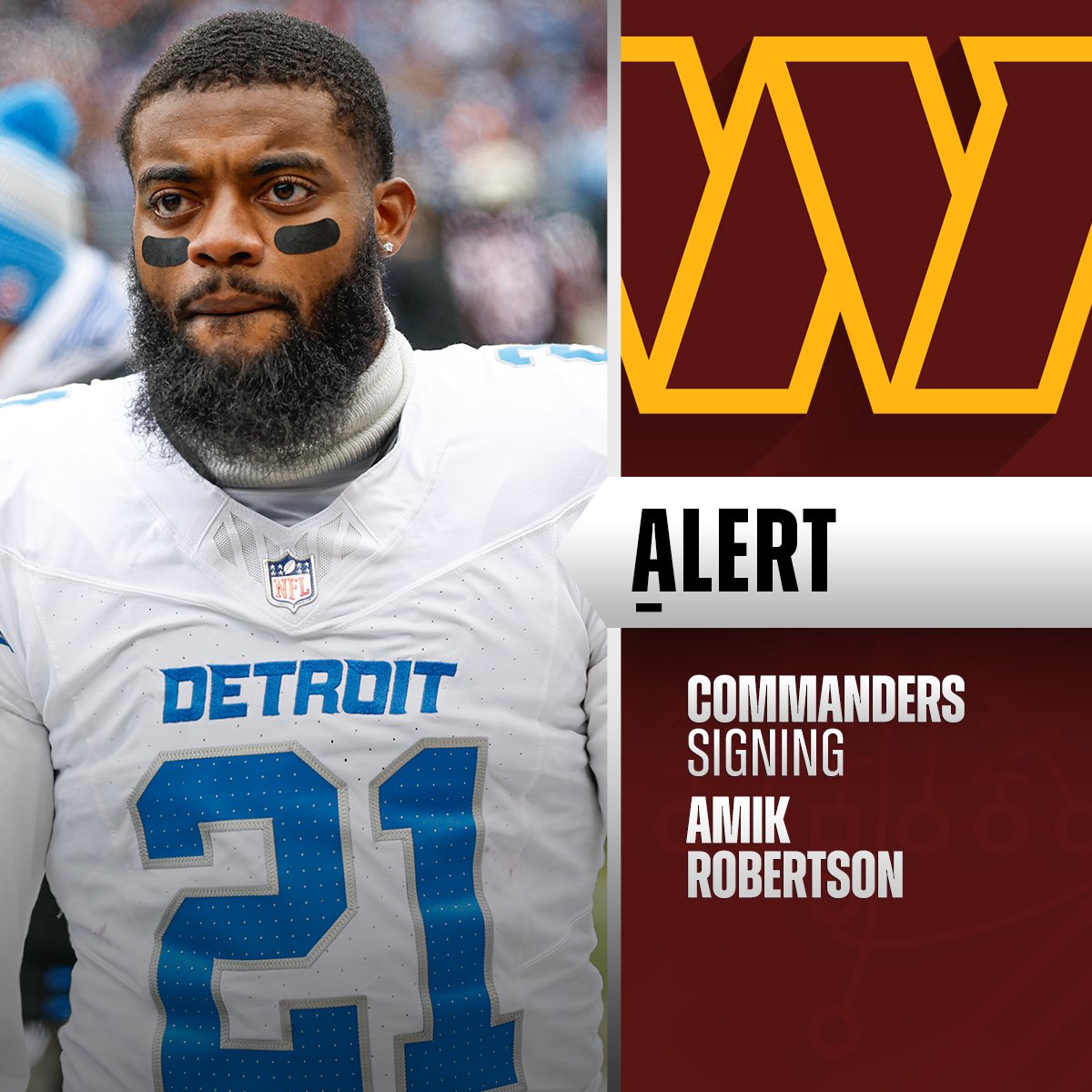
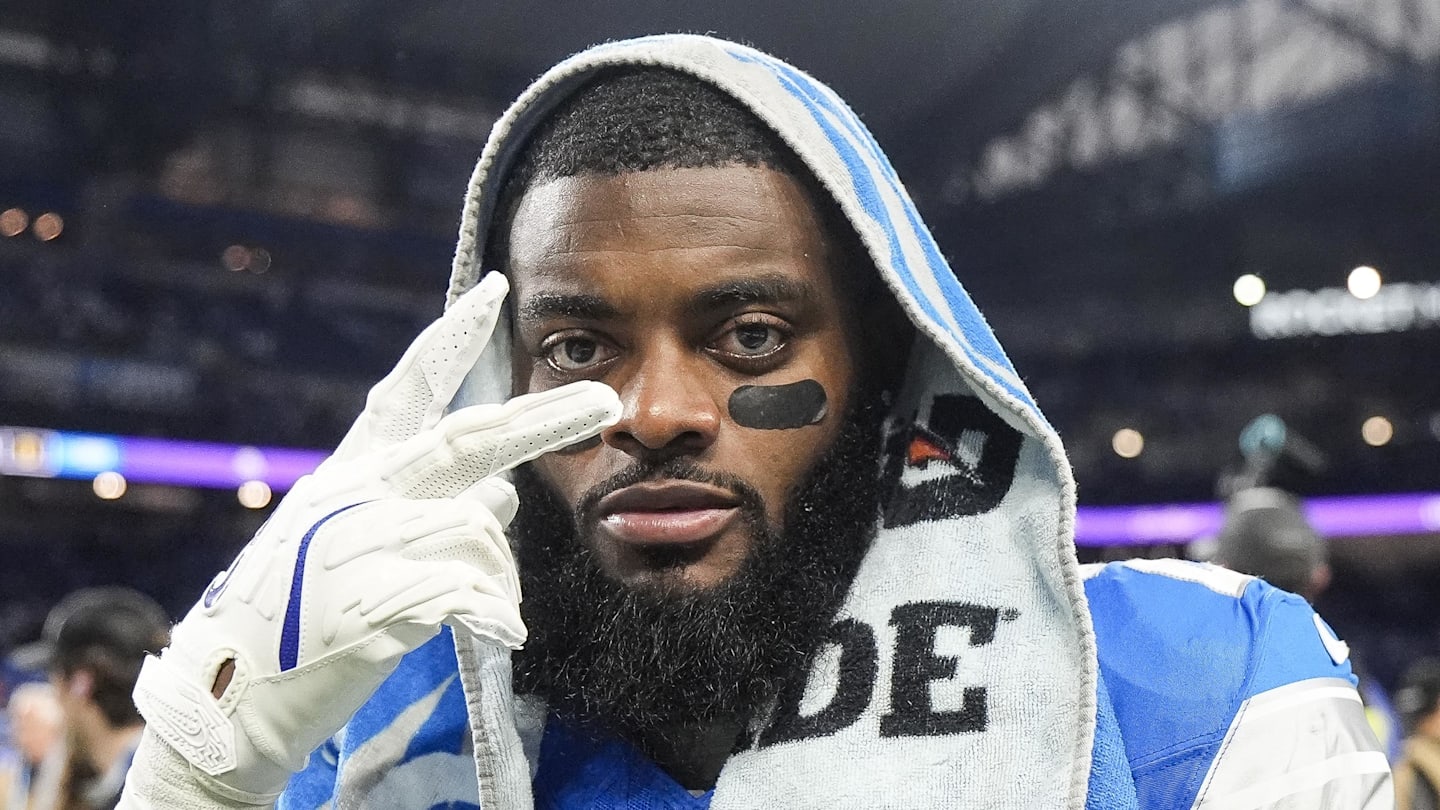
As of 2026, Amik Robertson’s estimated net worth is primarily derived from his professional career as a defensive back in the National Football League (NFL). Having signed multi-year contracts during his tenure with both the Las Vegas Raiders and the Detroit Lions, his wealth accumulation is tied to his NFL salary, signing bonuses, and performance-based incentives standard for professional athletes of his stature and experience.
The Professional Evolution of Amik Robertson
Amik Robertson entered the NFL following a productive collegiate career at Louisiana Tech University. His transition to the professional level began when he was selected in the fourth round of the 2020 NFL Draft by the Las Vegas Raiders with the 139th overall pick. This draft position established the baseline for his initial earnings and set the stage for his subsequent financial growth as he demonstrated his utility as a cornerback in the professional ranks.
Athletes in the NFL, particularly those drafted in the middle rounds, operate under a structured compensation framework defined by the Collective Bargaining Agreement (CBA). Robertson’s four-year rookie contract provided a stable foundation, allowing him to navigate the early years of his professional life while adjusting to the high demands and competitive environment of the league. His performance during his time with the Raiders, characterized by his ability to play both inside and outside positions, eventually led to increased market value when he entered free agency.
Contractual Details and Earnings Structure
The financial profile of an NFL player like Amik Robertson is best understood through the mechanics of league contracts. When Robertson signed with the Detroit Lions following his departure from the Raiders, he moved into a new bracket of professional valuation. NFL contracts are typically composed of three distinct financial pillars: the base salary, signing bonuses, and per-game active roster bonuses.
Components of NFL Compensation
- Base Salary: This represents the guaranteed portion of the compensation paid over the course of the NFL season. It is prorated across the 18-week regular season.
- Signing Bonus: Paid at the time of contract execution, this amount is often amortized across the life of the contract for salary cap purposes, but provides the player with immediate liquidity.
- Performance Incentives: These are conditional payments tied to individual metrics—such as interceptions, pass breakups, or total tackles—or team success, such as playoff appearances or division titles.
For a player at Robertson’s position, financial security is often predicated on the length of the deal and the amount of "guaranteed money"—the portion of the contract that the player receives even if they are released due to injury or performance decline. As of 2026, his cumulative earnings reflect several seasons of consistent play, where durability and specialized defensive skills have served as his primary leverage in contract negotiations.
Financial Management for Professional Athletes
Managing the wealth generated during a relatively short professional window is a critical challenge for NFL players. The transition from an amateur student-athlete to a professional earning significant annual income requires the implementation of tax strategies, investment portfolios, and long-term financial planning.
Athletes typically utilize a team of advisors, including financial planners, tax professionals, and legal counsel, to mitigate the risks associated with high-income, high-turnover careers. The "net worth" of a player is not merely the sum of their NFL paychecks; it is their assets minus their liabilities. This includes real estate holdings, investment accounts, and endorsements, balanced against expenses such as taxes, agent commissions, and the costs of maintaining a professional training regimen.
Comparative Salary Benchmarks
To understand the context of Robertson's financial standing, one must look at the standard market rates for defensive backs with comparable service time.
| Role | Contract Tier (Est. Annual Value) | Typical Structure |
|---|---|---|
| Depth/Specialist | $1.5M - $3M | One-year deals, minimal guarantee |
| Mid-Tier Starter | $4M - $8M | Multi-year, split guarantees |
| Elite Cornerback | $12M+ | Long-term, high guaranteed base |
Amik Robertson’s career trajectory fits within the competitive mid-tier range, where players leverage their versatility to secure recurring multi-year agreements. The sustainability of this wealth is contingent on the length of his professional career and his ability to remain a productive contributor on the field.
Tax Considerations and Operational Costs
A substantial portion of an NFL player's gross income is impacted by tax liabilities. Players are subject to "jock taxes"—state income taxes levied by the jurisdictions where games are played. Because the NFL schedule involves travel across various states, each with different tax laws, a player’s net income after tax is significantly lower than their nominal salary.
Furthermore, professional athletes must account for several mandatory and voluntary deductions:
- Agent Fees: Standard NFL agent fees are capped by the NFL Players Association (NFLPA), typically ranging from 1% to 3% of the player's compensation.
- League Dues and Insurance: Deductions for health benefits, pension contributions, and union dues are standard for all active roster players.
- Training and Development: Many players invest significant capital into private trainers, nutritionists, and recovery technology (such as cryotherapy or specialized soft-tissue work) to prolong their careers. These are significant out-of-pocket expenses that impact the "net" aspect of their personal balance sheet.
The Role of Endorsements and Off-Field Income
While salary represents the bulk of his earnings, many players at Robertson’s level also explore commercial partnerships. These may include local endorsements, appearance fees, or social media partnerships. In 2026, the landscape for athlete branding has expanded significantly, allowing players to build personal brands that generate revenue independent of their team contracts.
However, for defensive players who do not occupy "marquee" positions like quarterback or edge rusher, endorsement income is typically secondary to contract earnings. The primary focus remains on performance, as contract extensions are the most reliable path to long-term financial stability.
Frequently Asked Questions
What constitutes the largest portion of Amik Robertson's net worth?
The vast majority of his wealth comes from his NFL playing contracts. This includes the signing bonuses provided during his rookie contract with the Raiders and subsequent agreements with the Detroit Lions, combined with his cumulative base salaries earned throughout his tenure in the league.
Does Amik Robertson’s net worth fluctuate significantly year-to-year?
Yes. Like most professional athletes, his net worth is subject to the volatility of the NFL market, tax obligations, and the expiration of contract terms. His reported wealth in 2026 is an aggregate of his career earnings, which is influenced by his total active service time and the specific guarantees built into his most recent contracts.
How do agent fees affect an NFL player’s take-home pay?
Agent fees are deducted from the gross contract value. The NFLPA sets limits on these fees, ensuring that agents cannot charge excessive percentages. This reduction is a standard operational cost for players, effectively lowering the actual cash that enters their personal investment accounts.
Are performance incentives guaranteed in NFL contracts?
No. Performance incentives are generally categorized as "likely to be earned" (LTBE) or "not likely to be earned" (NLTBE). While LTBE incentives are counted against the team's salary cap, they are only paid out to the player if they meet specific statistical benchmarks during the season. If the player does not reach those milestones, the bonus is not paid.
Why is an athlete's net worth difficult to pinpoint exactly?
Net worth is a snapshot that accounts for assets and liabilities. Because privacy regarding private real estate investments, individual stock portfolios, and debt obligations (such as mortgages or private loans) is maintained by the individual, public estimates are often based on gross career earnings rather than actual liquid net worth.
Recommendations for Further Financial Literacy
For those interested in the financial structures of professional athletes, the most reliable information is found through the NFLPA’s public salary cap reports and official team transaction logs. These records provide transparency regarding contract structures, which are the primary drivers of wealth for players such as Amik Robertson. Players and their representatives often look toward long-term wealth management strategies that prioritize post-career security, emphasizing that the playing career is a finite period in a much longer financial lifecycle.