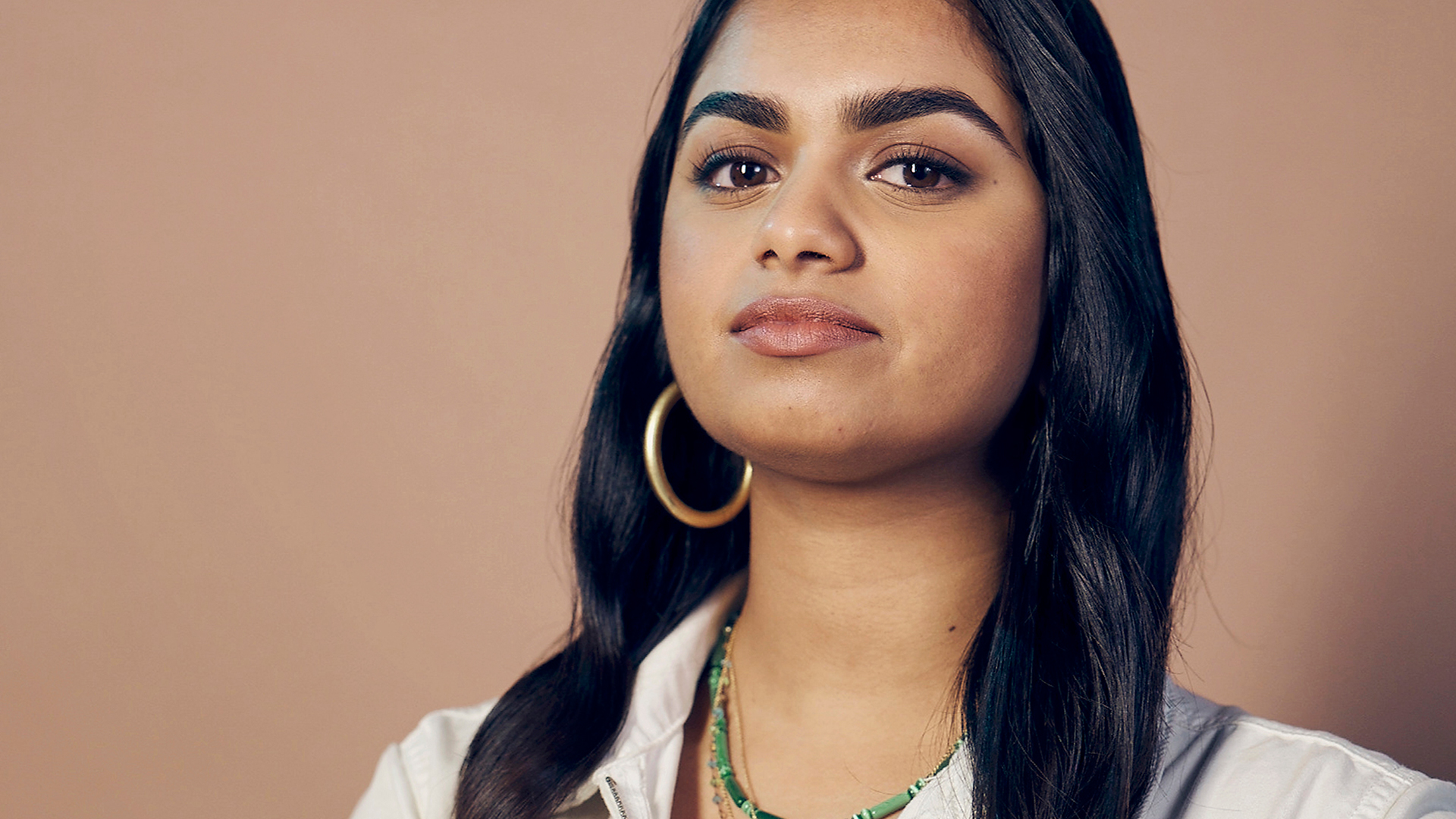
Amika George is a British activist and campaigner who successfully led a national movement to end period poverty in the United Kingdom. By founding the Free Periods organization, she pressured the government to provide free menstrual products in all English state schools and colleges, fundamentally altering national policy and expanding access to essential hygiene resources for millions of students.
The Origins of the Free Periods Campaign
The journey of Amika George into the public eye began in 2017 when she was just a student. After reading reports that girls in the United Kingdom were missing school because they could not afford menstrual products, she was struck by the systemic inequality inherent in the situation. At the time, period poverty was a hidden crisis, often characterized by social stigma and a lack of public discourse.
George’s response was immediate and focused. Using her digital footprint, she launched a petition on Change.org calling on the UK government to provide free sanitary products to children from low-income families in schools. The campaign, which she branded "Free Periods," gained rapid momentum. It transformed from an online petition into a tangible movement, culminating in a protest outside Downing Street in December 2017, where thousands of supporters gathered, many dressed in red, to demand legislative change.
The Problem: Period Poverty in the UK
Period poverty is defined as the lack of access to sanitary products, menstrual hygiene education, toilets, hand-washing facilities, and, or waste management. For students, the implications of this lack of access are profound. When young people cannot manage their periods with dignity, they are forced to choose between hygiene and education. They may remain at home to avoid the risk of leaking or the shame of not having access to supplies, leading to a direct decline in academic performance and a loss of educational opportunity.
Before George’s campaign, menstrual products were subject to high costs and limited support systems within educational institutions. Many schools lacked the budget or the policy framework to provide these items, leaving the burden of care entirely on the students and their families.
Legislative Impact and Government Policy
The success of the Free Periods campaign is a rare example of grassroots activism directly influencing national government policy in a short timeframe. In March 2019, the UK government announced that it would fund period products in all primary and secondary schools in England. This policy, which went into effect at the start of 2020, required schools to provide sanitary products to any student who needed them, regardless of their financial background.
This was a major victory, as it removed the stigma of "means-testing"—a requirement that previously suggested students had to prove they were poor to receive help. By making products universally available in schools, the policy normalized the existence of periods as a basic biological reality rather than a private, shameful issue.
Comparison of Period Equity Policies
The following table outlines the key aspects of the policy landscape regarding period equity in the UK, highlighting the shift from a reliance on charity to institutionalized government support.
| Feature | Pre-Campaign Landscape (Pre-2019) | Post-Campaign Landscape (Post-2020) |
|---|---|---|
| Availability | Dependent on school budget or charity | Universal in English state schools |
| Means-Testing | Often required proof of poverty | None; universal access for all students |
| Cost to Student | Prohibitive for low-income families | Free at the point of use |
| Awareness | Taboo; limited public discussion | Mainstream; policy-backed initiative |
| Government Role | Minimal involvement | Dedicated funding and distribution |
Advocacy and the Power of Digital Organizing
Amika George’s efficacy as an activist stems largely from her mastery of modern, digital-first communication. By leveraging social media platforms, she mobilized a generation of young activists who felt disconnected from traditional lobbying processes. Her ability to translate a complex sociological issue into a clear, actionable demand was instrumental in garnering media attention and, eventually, political buy-in.
Her work highlights several critical components of effective modern activism:
- Clear Objectives: The demand was not vague—it was a specific request for government funding for products in schools.
- Coalition Building: She partnered with organizations like the Red Box Project and the Pink Protest, broadening her influence and logistics capabilities.
- Storytelling: By highlighting the personal stories of students missing school, she humanized the data, making it impossible for policymakers to dismiss the issue as merely economic.
The Role of Education in Activism
George has consistently argued that period poverty is an educational issue. She maintains that if a student is unable to attend class because of their period, the education system is failing them. Her campaign forced schools to acknowledge that student welfare is intrinsically linked to their physiological needs. This shift in perspective has encouraged a broader conversation about health education, including the need to remove the shame associated with puberty and menstruation in the classroom.
Beyond the UK: The Global Context
While the Free Periods campaign focused primarily on the United Kingdom, the issue of period poverty is a global concern. In many developing nations, the lack of private bathrooms and access to water for washing, combined with the cost of products, prevents girls from attending school for several days every month.
George has used her platform to draw attention to these global disparities, noting that while the UK policy is a successful model, the fight for equity is far from over. Issues such as the environmental impact of disposable period products and the ongoing stigma in professional workplaces remain at the forefront of her advocacy work.
Challenges and Future Considerations
Even with universal provision in schools, challenges persist. Simply providing products is not enough if the environment is not supportive. This includes the need for:
- Private Disposal: Ensuring schools have adequate bins in toilet stalls so that students can dispose of products without embarrassment.
- Education Programs: Moving beyond just supplying products to ensuring that comprehensive puberty and sexual health education is provided to all students, including boys, to dismantle the stigma.
- Sustainability: Addressing the push for more sustainable, reusable options like menstrual cups or period underwear, which provide a long-term solution for students but require initial education and training.
Frequently Asked Questions (FAQ)
What is the primary goal of the Free Periods organization?
The organization's primary goal was to ensure that no student in the UK is held back from their education due to the lack of access to menstrual products. By securing government funding, they shifted the responsibility from individuals and charities to the state.
Was the Free Periods campaign only for low-income students?
No. The campaign pushed for universal access in schools to remove the stigma associated with receiving support. By making products available to all students, the policy avoids labeling or singling out those from low-income families, making it easier for students to access help without fear of judgment.
How did Amika George use digital tools to influence government?
She utilized social media to create a viral, youth-led movement. By combining online petitions with organized protests and strategic media engagement, she created a high level of public pressure that forced government ministers to acknowledge the issue and allocate funding.
Does the policy apply to all UK schools?
The government policy implemented in 2020 specifically covered state-maintained schools and colleges in England. Similar initiatives were introduced in Scotland, where the Period Products (Free Provision) (Scotland) Act 2021 made the provision of free period products a legal requirement for all, going even further than the English policy.
What is the "Red Tax" or "Tampon Tax" in this context?
While often discussed alongside period poverty, the "Tampon Tax" refers to the VAT (Value Added Tax) that was applied to menstrual products. Amika George’s advocacy contributed to the broader cultural push that eventually led the UK government to remove VAT on sanitary products entirely in 2021.
Next Actions for Advocates
If you are interested in supporting period equity in your local community, start by identifying the current policies within your own school district or local government. Often, the transition from "emergency supply" to "standard provision" requires ongoing advocacy and budget oversight. Contact your local representatives to ask whether menstrual products are being provided consistently and whether there is funding allocated specifically for this purpose in the current budget cycle. Additionally, support local charities that work on the ground to provide hygiene products to those in need, as institutional policy often takes time to reach the most vulnerable and marginalized groups.