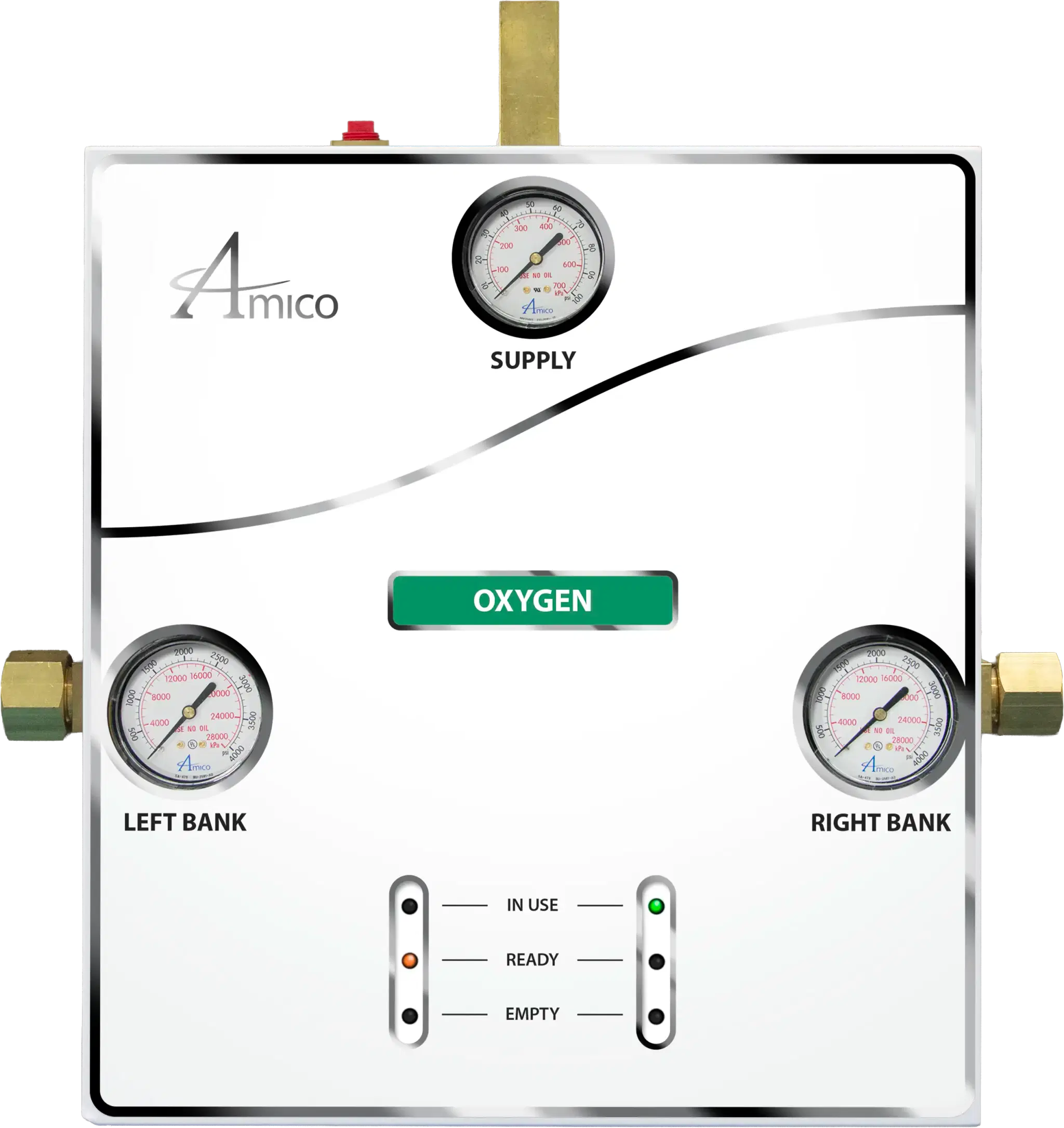
Amico Corporation stands as a significant global entity in the healthcare infrastructure sector, specializing in the design, manufacturing, and distribution of medical equipment intended for acute care environments. The company provides a vertically integrated suite of products ranging from clinical gas delivery systems and surgical lighting to architectural headwalls and patient monitoring solutions, serving hospitals and surgical centers worldwide with a focus on modular, standardized engineering.
Historical Evolution and Organizational Scope
Founded in the mid-1970s, Amico has transitioned from a niche provider of medical gas components to a diversified manufacturer with extensive facilities across North America. Unlike many healthcare suppliers that act solely as distributors, Amico maintains control over a significant portion of its manufacturing process. This vertical integration is a core element of their operational strategy, allowing the organization to oversee the quality control of critical infrastructure components that must adhere to stringent medical device standards.
The company operates through several distinct divisions, each addressing a specific pain point within the hospital ecosystem. By managing these divisions under one corporate umbrella, Amico facilitates a "system-level" approach for healthcare planners and architects. This enables the integration of multiple product lines—such as medical gas outlets, power distribution, and equipment management systems—into cohesive unit designs, which minimizes compatibility issues during facility construction and renovation.
Core Product Divisions and Technical Infrastructure
Amico’s catalog is categorized into several primary divisions. Understanding these segments is essential for facility managers and procurement officers tasked with upgrading hospital infrastructure.
Medical Gas Systems
The medical gas division is perhaps the most critical segment of Amico’s operations. It includes high-pressure manifolds, alarm systems, zone valve boxes, and terminal units. Because medical gas delivery is a life-critical application, these products must comply with national and international standards, such as NFPA 99 (National Fire Protection Association) in the United States and various CSA (Canadian Standards Association) requirements. The company emphasizes modularity, ensuring that outlets and valves can be serviced or upgraded without requiring complete wall reconstruction.
Architectural Headwalls and Patient Service Consoles
Amico is widely recognized for its patient-room solutions. Architectural headwalls represent a shift from traditional, rigid piping structures to modular, aesthetically integrated systems that house medical gas outlets, electrical receptacles, nurse call integration, and data ports. These units are designed to be "future-proof," featuring removable panels that allow technicians to add or modify services as medical technology evolves.
Surgical Lighting and Booms
The company provides a range of surgical and examination lighting, as well as equipment management systems (booms). These products are designed to address the ergonomic and spatial requirements of the modern operating room. By mounting equipment—such as endoscopic monitors, surgical lights, and infusion pumps—on ceiling-mounted booms, Amico enables a cleaner, safer surgical floor by removing cables and hardware from the path of medical personnel.
Clinical Solutions and Patient Monitoring
Expanding beyond physical infrastructure, the clinical division covers patient monitoring hardware and software. This includes vital signs monitors and diagnostic tools designed for integration into the broader hospital network. The focus here is on interoperability, ensuring that physiological data can be collected at the bedside and transmitted securely to electronic health records (EHR) or centralized monitoring stations.
Comparative Overview of Amico Infrastructure Solutions
| Product Category | Primary Function | Key Technical Requirement |
|---|---|---|
| Medical Gas Systems | Supply of O2, N2O, Air, Vacuum | NFPA 99 Compliance |
| Architectural Headwalls | Point-of-care utility delivery | Modularity & Tool-less access |
| Surgical Booms | Ergonomic equipment support | Weight capacity & range of motion |
| LED Surgical Lighting | Optimized clinical illumination | Shadow reduction & color rendering |
| Power Management | Safe electrical distribution | Isolated power compliance |
Engineering Philosophy: Integration and Modularity
A defining characteristic of Amico’s business model is the preference for "all-in-one" engineering. In the context of hospital construction, this simplifies the procurement process for general contractors and clinical engineers. By sourcing the gas outlets, the electrical wiring, and the physical mounting structure from a single manufacturer, the burden of ensuring that these components fit together is reduced.
The engineering team focuses on "tool-less" maintenance. In busy hospital environments, time is a critical factor. Amico’s products are often designed so that internal components, such as gas check valves or electrical circuit breakers, can be accessed by clinical engineering staff without needing specialized, proprietary tools or extensive demolition of the wall paneling. This design choice directly addresses the high operational costs associated with facility maintenance.
Regulatory Compliance and Safety Standards
Because Amico’s products are utilized in high-risk environments, they are subject to rigorous regulatory oversight. The company operates under ISO 13485 certification, the international standard for quality management systems in the medical device industry.
For clinical users, the primary concern is the reliability of gas delivery and the safety of electrical environments. Amico products undergo third-party testing to ensure they meet the criteria set by organizations like the FDA (Food and Drug Administration) in the U.S. and Health Canada. When selecting equipment from the Amico catalog, procurement teams must ensure that the specific model requested meets the current jurisdictional requirements of the facility’s location, as local fire codes and building regulations can vary significantly.
Common Challenges and Considerations for Procurement
While the company provides an extensive range of integrated solutions, potential users should be aware of several operational considerations:
- Lead Times: Due to the custom nature of architectural headwalls and booms, which are often manufactured to match the specific dimensions and utility needs of a room, lead times can be substantial. Early engagement with the manufacturer during the planning phase of a hospital build is necessary.
- System Compatibility: While Amico equipment is designed for compatibility, legacy systems in older hospitals may require adapters or specific interface plates. Verification of existing infrastructure is a prerequisite for any retrofitting project.
- Site Planning: Installing heavy-duty equipment like surgical booms requires significant structural support in the ceiling grid. Architects and structural engineers must review the weight specifications of the specific boom model during the design phase.
Frequently Asked Questions
What are the main sectors Amico serves?
Amico primarily serves the acute care market, including hospitals, surgical centers, and trauma clinics. Their solutions are used in intensive care units (ICUs), emergency departments, operating rooms, and general inpatient wards.
Are Amico products compatible with other manufacturers’ systems?
In many cases, yes, particularly regarding medical gas terminal units which are often designed to be interoperable with standard probes. However, for structural components like headwalls or booms, proprietary mounting systems are standard. Always verify compatibility if mixing brands in the same room.
How does Amico handle maintenance for its equipment?
The company emphasizes modularity, meaning many routine repairs—such as replacing an outlet faceplate or an electrical receptacle—can be performed by hospital-based clinical engineering departments using standard tools. Complex repairs may require manufacturer-specific parts.
Where is Amico’s manufacturing located?
Amico maintains significant manufacturing facilities in North America. This geographic positioning is intended to streamline logistics and ensure adherence to North American safety standards during the fabrication process.
Is professional installation required for Amico medical equipment?
Yes. Given the critical nature of these systems, installation must be performed by certified contractors who are familiar with medical-grade electrical codes and high-pressure gas piping standards (e.g., ASSE 6000 series certifications for medical gas installers).
How can a facility verify the correct model for their specific needs?
Facilities should consult the technical submittal packages provided by Amico representatives. These documents contain the necessary specifications, dimensions, and utility requirements to ensure the equipment meets the specific clinical workflow of the department being serviced.
Recommendation for Next Actions
For facilities managers or procurement teams currently evaluating Amico for a new project or an infrastructure upgrade, the recommended next step is to request a site-specific "Technical Submittal Package." This document serves as the baseline for your engineers to verify that the equipment fits within the planned spatial constraints and complies with local building codes.
Avoid making assumptions about "standard" configurations, as medical infrastructure is rarely one-size-fits-all. Begin by mapping out the specific utility requirements (number of gas outlets, type of electrical receptacles, and data port density) required for each room type. Once these requirements are quantified, work with a regional Amico representative to cross-reference these needs against their current product specifications. Ensure that all installation plans are reviewed by a licensed engineer to confirm that the hospital’s current structural and utility supply lines are rated to support the new equipment.