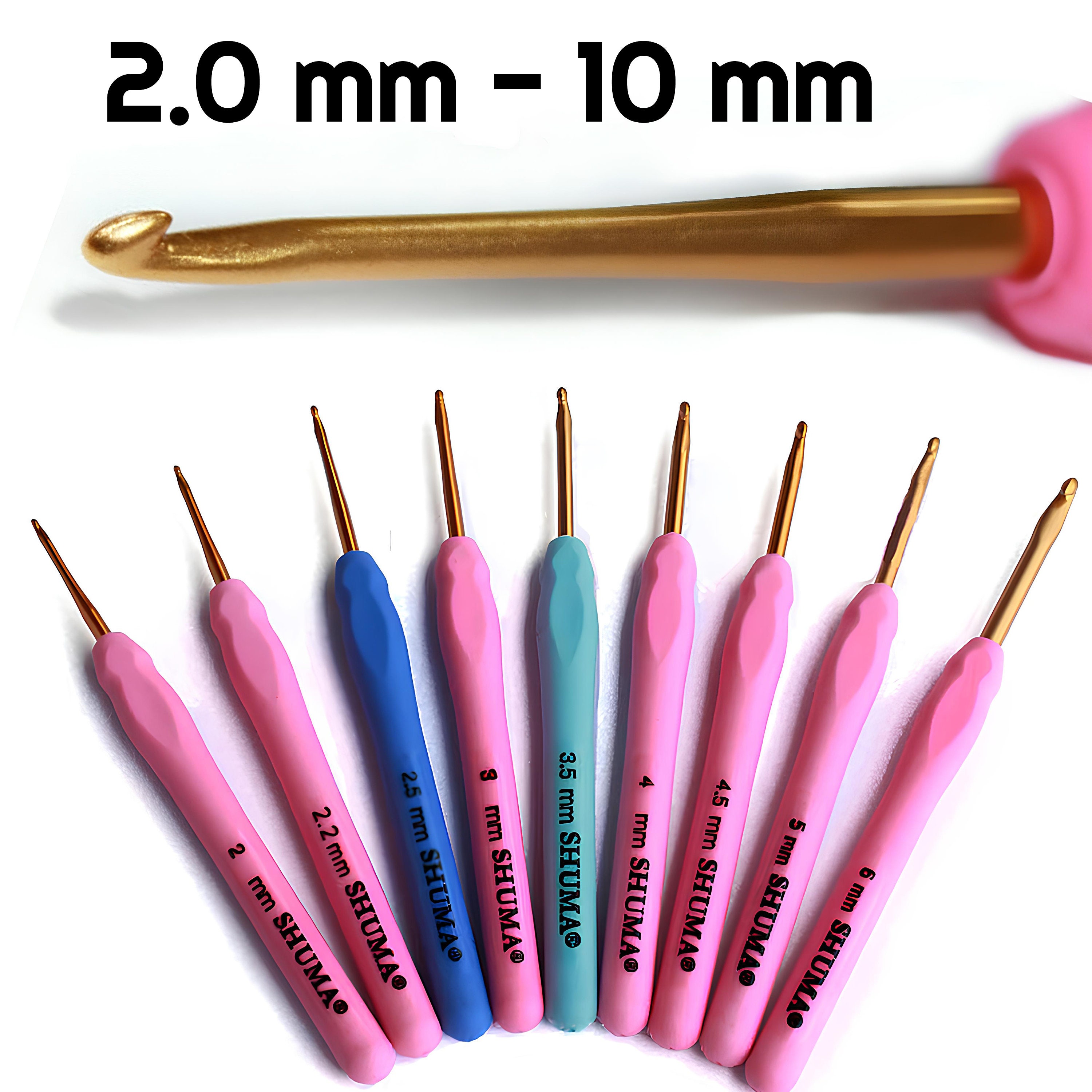
Selecting the correct crochet hook for amigurumi is the single most significant technical decision a crafter makes, as it dictates the density, structural integrity, and aesthetic outcome of three-dimensional plush figures. Unlike traditional garment crochet, which often prizes drape and flexibility, amigurumi requires a tight, non-porous fabric that prevents fiberfill stuffing from escaping. The amigurumi hook size chart acts as a translation layer between yarn weight and the physical necessity of creating a dense, "no-gap" stitch pattern, ensuring that tension remains consistent throughout the assembly of complex toy parts.
The Relationship Between Yarn Weight and Hook Size
In standard crochet projects like scarves or blankets, designers often recommend hook sizes that provide a soft, flowing texture. For amigurumi, however, the industry standard is to utilize a hook significantly smaller than the one recommended on the yarn’s ball band. This "downsizing" strategy is the fundamental mechanic behind successful amigurumi construction.
When you purchase a skein of yarn, the manufacturer’s suggested hook size is optimized for a balance of speed and comfort for standard fabric. For 3D stuffed toys, this recommendation is almost always too large. Using the recommended size results in "gaping"—the phenomenon where the stitches are loose enough for the white polyester stuffing to show through between the loops of yarn. To achieve the signature solid look of professional-quality amigurumi, makers must select a hook that forces the yarn to crowd into the stitch space, creating a dense, opaque barrier.
Navigating the Amigurumi Hook Size Chart
While there is no single "universal" chart mandated by law, the crochet community relies on a consistent set of industry-standard pairings for amigurumi. These pairings focus on minimizing the hook’s diameter relative to the yarn’s thickness to maximize stitch tension.
The following table illustrates the typical progression of yarn weights used in amigurumi and the corresponding hook sizes used to achieve the necessary density.
| Yarn Weight Category | Typical Yarn Type | Standard Hook Size (Amigurumi) |
|---|---|---|
| Lace / #0 | Thread / Fine Cotton | 1.25mm – 1.75mm |
| Fingering / #1 | Sock Yarn | 2.00mm – 2.25mm |
| Sport / #2 | Fine Acrylic/Cotton | 2.50mm – 3.00mm |
| DK / #3 | Light Worsted | 3.00mm – 3.50mm |
| Worsted / #4 | Standard Acrylic | 3.50mm – 4.00mm |
It is important to note that these ranges are starting points. Your personal tension—how tightly or loosely you naturally hold the yarn—will dictate which end of the range you inhabit.
Technical Factors Influencing Hook Selection
Beyond the simple weight of the yarn, several technical variables influence your choice of hook. Failing to account for these can lead to distorted shapes or frustration during assembly.
The Role of Material Friction
Crochet hooks are manufactured from various materials, including aluminum, steel, bamboo, and plastic. Aluminum is the gold standard for most amigurumi because it offers a smooth surface that allows yarn to slide easily while maintaining the rigid structure required for tight stitches. Bamboo, while comfortable, can increase friction, which may cause your hands to fatigue faster when working the tight tension required for plushies.
Ergonomics and Hand Fatigue
Amigurumi involves repetitive, high-tension movements that can strain the small muscles of the hand and wrist. Many modern hook manufacturers produce ergonomic handles that allow for a lighter grip. Even if your preferred size is small, utilizing a hook with a cushioned, ergonomic grip can significantly extend your crafting sessions without causing discomfort. If you suffer from joint pain, prioritize handles that allow you to maintain a loose grip while still maintaining the tension necessary for your stitches.
Head Shape and Throat Depth
The "throat" and "head" of the hook—the area where the yarn is caught and pulled through the loop—vary by manufacturer. "Inline" hooks, where the head is vertically aligned with the shaft, are often preferred by amigurumi makers because they provide more consistent stitch height. "Tapered" hooks, which have a more rounded, traditional shape, may lead to slight variations in stitch size, which can affect the symmetry of your toy pieces.
Troubleshooting Common Tension Issues
Even with the correct chart as a guide, you may encounter challenges where the final product does not meet your expectations. Troubleshooting these issues is a standard part of the amigurumi process.
The "Gaping" Problem
If you are using the correct hook size but can still see the stuffing, your tension may be naturally loose. Instead of abandoning the project, try dropping down one half-millimeter in hook size. For example, if you are using a 3.5mm hook with worsted weight yarn, switch to a 3.0mm hook. This small adjustment often provides the necessary structural resistance to eliminate gaps completely.
The "Hard Fabric" Paradox
Conversely, if your fabric feels too rigid, brittle, or difficult to work into, you may have gone too far in the other direction. While density is the goal, the fabric should still retain enough flexibility to be stuffed and manipulated. If your hands are cramping or your wrists are aching, it is a sign that your hook size is too small for your specific yarn and tension combination. Always prioritize your physical comfort; if a size feels impossible to work with, move up by 0.25mm.
Practical Steps to Verify Your Hook Size
Before committing to a long-term project, especially one requiring multiple skeins of yarn, perform a "gauge swatch" specifically for amigurumi.
- Create a small circle: Chain two, and work six single crochet stitches into the second chain from the hook.
- Work two rounds: Continue to increase in the second round to 12 stitches.
- Assess the fabric: Pull firmly on the circle. If you can easily see the stuffing through the holes, the hook is too large. If you struggle to insert the hook into the previous round’s stitches, the hook is likely too small.
- Compare results: Try the same process with one hook size up and one size down. The smallest hook that allows you to work without significant hand pain while keeping the stuffing hidden is your ideal match.
Historical and Technical Consistency
As of 2026, the global standardization of crochet hooks generally follows the millimeter (mm) sizing system. This is the most reliable metric for international crafters. While some regions still utilize letter or number systems (such as US "G" or UK "4"), these can be inconsistent between brands. Always check the millimeter measurement embossed on the handle of your hook to ensure accuracy. If you are working from a pattern published in a different country, do not rely on the letter-based sizing code; convert the requirement to millimeters first.
Frequently Asked Questions
Why do some amigurumi patterns recommend a different hook size than my chart suggests?
Designers often specify a hook size based on their personal tension. If a designer is a "loose" crocheter, they may recommend a smaller hook than the average person needs. Use their recommendation as a starting point, but always test the density of your own work before proceeding.
Does the fiber content of the yarn affect which hook I should use?
Yes. Cotton yarn has very little "give" and maintains tight stitches well, often allowing for a slightly larger hook. Acrylic yarn is more elastic; as it stretches, it can cause gaps to open up. You may find that you need to use a smaller hook for acrylic yarns to achieve the same visual density as you would with cotton.
Should I use the same hook for all parts of a single character?
Yes. Changing hook sizes mid-project will change the gauge of your stitches. This will lead to pieces that do not fit together correctly during assembly, or parts that appear larger or smaller than intended. Consistency is the most critical element of professional-looking amigurumi.
Can I use a metal hook for all amigurumi weights?
Aluminum metal hooks are versatile and generally work well across all yarn weights used in amigurumi, from lace weight to worsted. Their rigidity helps in keeping the tension tight. As long as the hook is smooth and free of burrs that could snag the yarn, it is an appropriate tool for any project.
Why is the hook size on the yarn label useless for amigurumi?
The yarn label provides a recommendation for creating a fabric that is meant to be drapey, comfortable, or wearable. Amigurumi requires a structural, dense fabric that resists deformation. The label’s recommendation would result in a toy that looks "holy" and loses its shape quickly once stuffed.
Next Steps for Success
To master the amigurumi hook size chart, treat your hook selection as an ongoing experiment rather than a static rule. Start your next project by creating a small test circle using the hook size suggested in the pattern, then adjust by 0.25mm in either direction if your tension does not produce a dense, gap-free fabric. By prioritizing the structural density of your stitches over the theoretical "ideal" hook size, you will produce finished plush items that are professional in appearance and durable enough for years of enjoyment.