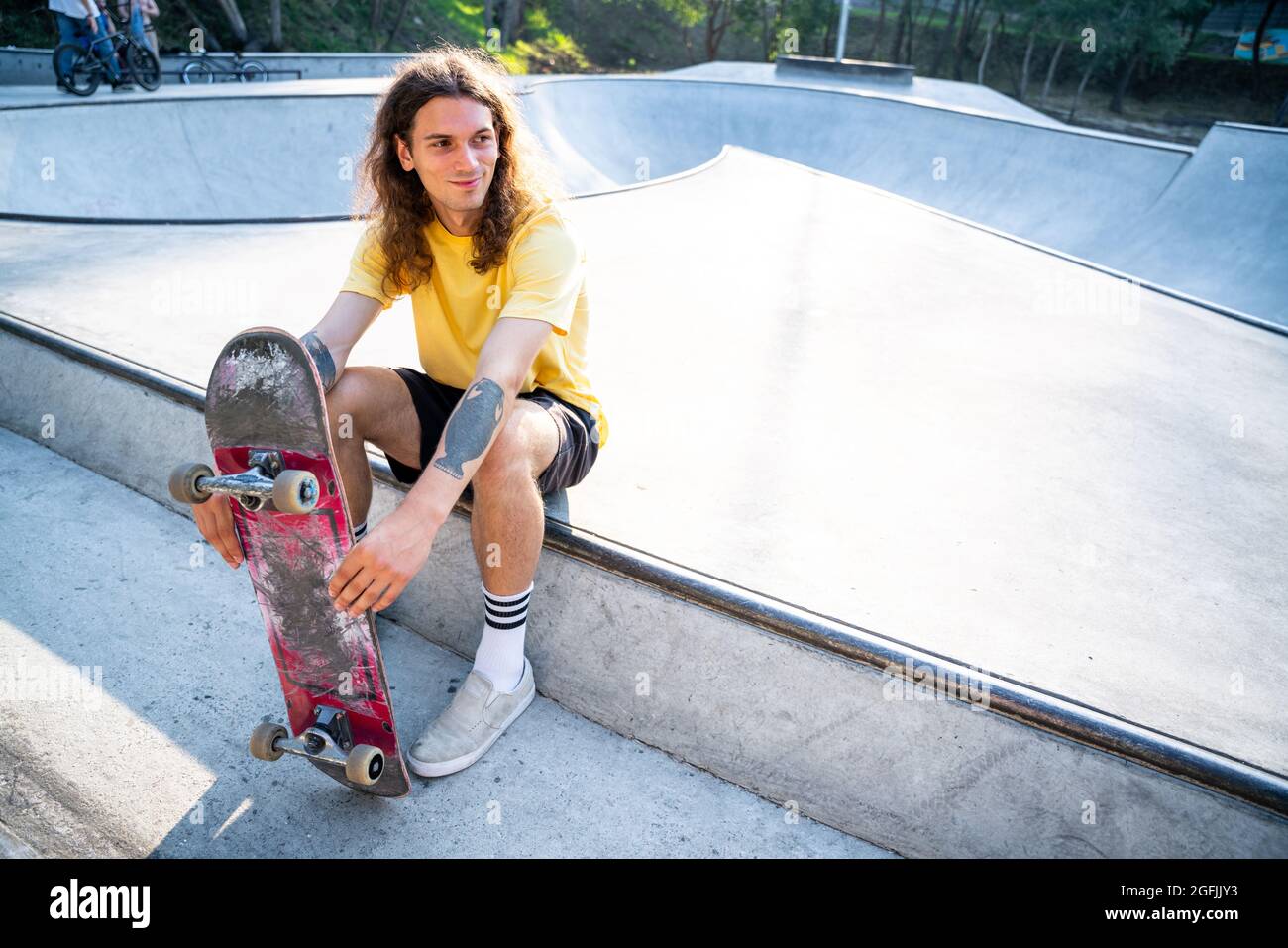
Aspiring and established American skateboarders navigate a complex ecosystem involving professional sponsorship, competitive circuit participation, and digital content creation. Success in this field requires mastering technical board control, cultivating a distinct personal brand, and understanding the legal and contractual obligations inherent in professional sports and brand partnerships.
The Evolution of the American Skateboarding Industry
Skateboarding in the United States has transitioned from a subcultural pastime rooted in Southern California’s surfing scene to a highly structured professional sport. As of 2026, the industry is defined by a synthesis of traditional street skating, park competition, and the influence of social media monetization. For the modern American skateboarder, the transition from amateur to professional is no longer solely dependent on appearing in physical magazines or legacy video parts; it is now heavily influenced by an athlete's ability to engage digital audiences and perform within sanctioned competitive frameworks.
The current landscape requires skateboarders to function as independent contractors. Unlike traditional team sports, professional skateboarding rarely involves a collective bargaining agreement or a singular league structure. Instead, individual athletes build portfolios through a mixture of video parts, social media presence, and competitive rankings. Understanding this shift is the first prerequisite for any skater looking to turn professional in the modern era.
Prerequisites for Professional Consideration
The path to becoming a recognized professional skateboarder in the United States involves several tangible milestones. While local recognition is essential, national and international viability depends on measurable performance indicators.
- Brand Alignment: Securing an amateur spot on a reputable board or shoe brand is usually the first step. This requires a consistent "video part"—a curated collection of high-difficulty tricks filmed in diverse street environments.
- Competitive Ranking: Participation in domestic series such as the Street League Skateboarding (SLS) or events sanctioned by World Skate provides a verified performance record. Rankings in these events are often used by sponsors to evaluate an athlete's consistency under pressure.
- Legal and Contractual Literacy: Because most skateboarders operate as independent entities, they must manage their own intellectual property. This includes understanding licensing agreements, brand exclusivity clauses, and the tax implications of prize money versus sponsorship income.
- Content Production Capabilities: In 2026, the expectation for a professional skater includes the ability to collaborate with videographers and editors to maintain a consistent output of high-quality digital content that satisfies contractual "deliverables" for sponsors.
Comparing Sponsorship and Revenue Streams
A critical challenge for American skateboarders is the diversification of income. Relying on a single salary from a primary board sponsor is rarely sustainable. Most professionals utilize a hybrid model to ensure financial stability.
| Income Source | Requirements | Reliability |
|---|---|---|
| Sponsorship Salaries | Monthly retainer based on contract | Moderate |
| Performance Bonuses | High placement in major competitions | Low to Moderate |
| Signature Products | Sales royalties from shoes/decks | High (for top tier) |
| Digital Monetization | Ad revenue from social platforms | Highly Variable |
| Brand Partnerships | Endorsements outside of core industry | Moderate |
Legal and Safety Considerations
Professional skateboarding involves significant physical risk and complex liability issues. Athletes should be aware of the following legal and practical realities:
- Insurance Coverage: Many professional skateboarders carry specialized sports liability and injury insurance. Standard health insurance often excludes "extreme sports" or contains high deductibles for injuries sustained during professional training. It is common for high-level athletes to employ legal counsel to negotiate injury clauses in sponsorship contracts, ensuring that payments are not terminated during periods of medically mandated recovery.
- Property Access: Street skating often occurs in public or private spaces where access is restricted. Familiarity with local ordinances is a professional necessity. Trespassing citations or civil liability for damage to property can significantly impede a career, leading many professionals to prioritize authorized, permitted, or private skate park usage to protect their professional standing.
Strategic Career Development
For an American skateboarder aiming for longevity, the transition from a "stunt-focused" skater to a "brand-focused" athlete is essential. This involves building a reputation for reliability, professionalism, and community engagement.
The Importance of Mentorship and Networking
Many successful American skaters attribute their longevity to networking within the industry. This does not merely mean "knowing the right people," but rather building relationships with team managers, brand owners, and event organizers. These individuals often act as gatekeepers for sponsorship opportunities and contract renewals.
Troubleshooting Career Stagnation
If a skater finds their progress stalled, the primary issue is often a lack of diversification. If a skater is known only for street skating, they may find it difficult to compete in the broader market that now demands versatility across transition and park terrains. Expanding one’s skill set is the most common technical fix for stagnant career growth. Furthermore, failing to track analytics and engagement metrics on digital platforms can result in lost opportunities with brands that prioritize data-driven marketing.
Essential Steps for Professional Growth
- Develop a Professional Portfolio: Compile your best footage into a concise, high-quality reel. Keep the content updated to reflect your current skill level.
- Engage with Local Events: Before aiming for national competitions, dominate the local and regional circuits to build a track record.
- Seek Legal Advice: Prior to signing any professional contract, have an attorney review the terms. Ensure you understand the length of the commitment, exclusivity requirements, and "morality clauses" that could impact your pay.
- Prioritize Physical Maintenance: Invest in physical therapy and injury prevention as part of your operational costs. A career in skateboarding is inherently limited by physical health; proactive management is a business strategy, not just a personal health choice.
Frequently Asked Questions
How do professional skateboarders handle taxes in the U.S.? Most professional skateboarders are classified as independent contractors (1099 workers). They are responsible for withholding their own taxes and must track expenses related to travel, equipment, and medical costs to deduct them against their income. Consulting with a CPA experienced in the sports and entertainment industry is standard practice.
Is it necessary to have a degree to be a professional skateboarder? No, a formal academic degree is not required. However, financial literacy, communication skills, and an understanding of marketing—often taught in business or media programs—are highly beneficial for managing a career that functions as a small business.
How does one get invited to major competitions like the X Games or SLS? Invitations are typically based on current world rankings, historical performance, and wildcard selections by event organizers. Skaters must participate in lower-tier qualifier events to earn enough points to qualify for major, televised competitions.
What is the most common reason for a sponsorship to be terminated? Beyond poor performance, breach of contract—such as wearing competing brand products during public appearances or failing to meet social media content quotas—is the most common reason for contract termination. Maintaining professional communication with team managers is critical.
Can skateboarders get health insurance that covers their career? Yes, though it is often expensive. Many professional skateboarders utilize private insurance brokers who specialize in high-risk sports. These policies are designed to cover professional athletes who are not covered by traditional employer-provided group health plans.
Final Recommendation
The most effective next step for any serious American skateboarder is to conduct an audit of their current professional infrastructure. Treat your skateboarding not as a hobby, but as a business entity. Update your portfolio, review your current contracts with a legal professional, and ensure you have a sustainable injury management plan in place. For those looking to ascend, focus on consistent performance in ranked events while simultaneously building a digital presence that provides value to your sponsors.