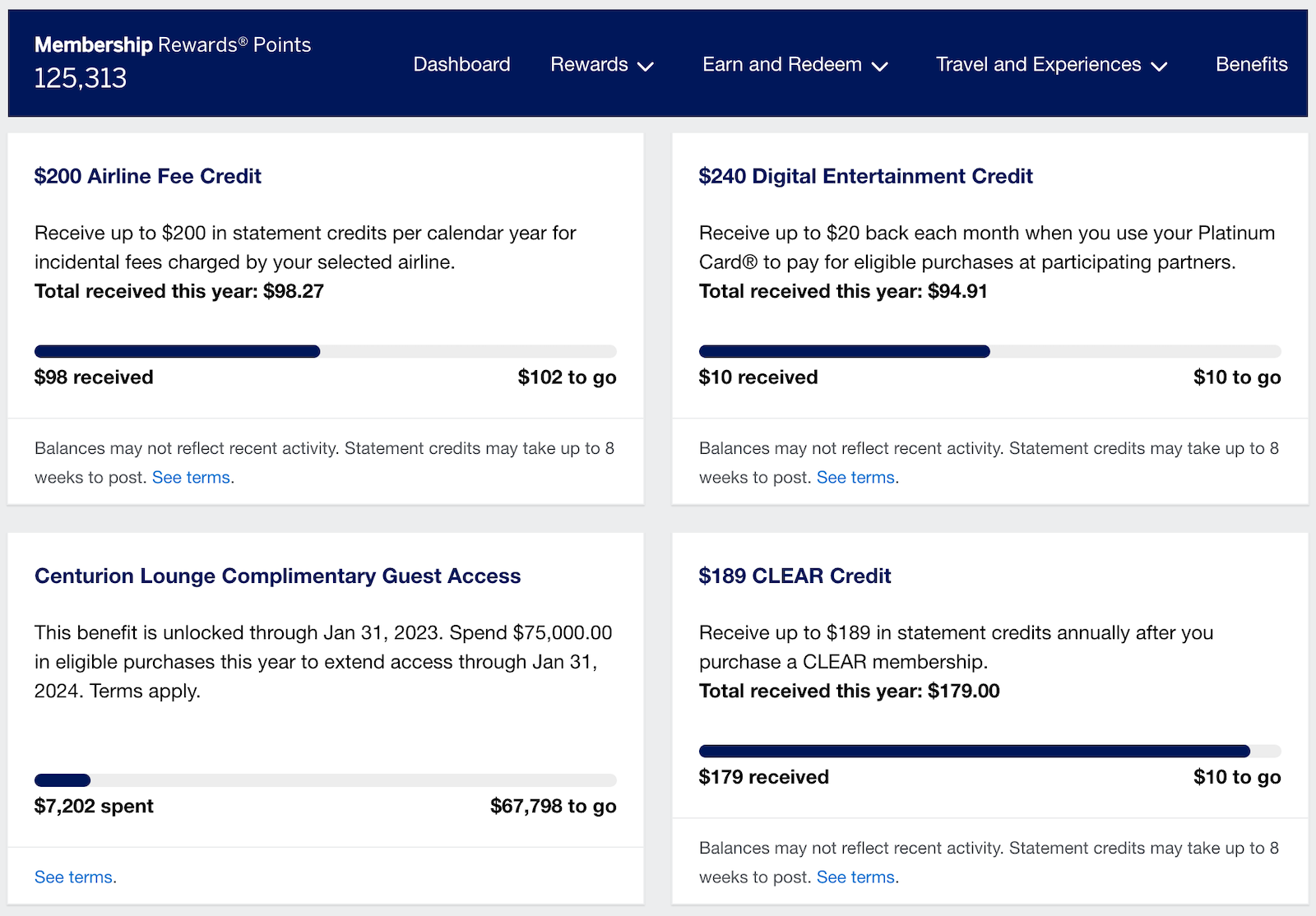
American Express Membership Rewards points function as one of the most flexible and valuable credit card currency ecosystems available. Earned through eligible spending on consumer and business cards, these points can be redeemed for travel bookings, statement credits, gift cards, or transferred directly to a wide portfolio of airline and hotel loyalty programs to maximize their monetary worth.
Understanding the American Express Membership Rewards Ecosystem
The American Express (Amex) Membership Rewards program is a proprietary loyalty system tied to specific American Express credit and charge cards. Unlike fixed-value cash-back programs, Membership Rewards points operate on a variable-value model. This means that the purchasing power of a single point depends heavily on how and where you choose to redeem it.
At its core, the ecosystem is designed to reward cardholders based on their spending habits across categories such as dining, travel, groceries, and business expenses. Cards that participate in this program—such as the American Express® Gold Card or The Platinum Card® from American Express—accrue points rather than direct cash rebates. These points pool into a central account linked to the cardholder, remaining active indefinitely as long as at least one eligible card remains open and in good standing.
The primary appeal of the ecosystem lies in its flexibility. While beginners often view points as a simple mechanism for statement credits or merchandise, experienced travelers leverage transfer partners to unlock outsized value. Understanding how these points are earned, valued, and deployed is essential for anyone looking to extract a high return on their annual fees and everyday spending.
How Points Are Earned: Multipliers and Welcome Offers
Earning American Express Membership Rewards points revolves around two main drivers: welcome bonuses for new cardholders and category-specific spending multipliers on daily purchases.
Welcome Offers and Minimum Spend Requirements
The fastest way to accumulate a substantial balance of Membership Rewards points is through introductory sign-up bonuses. When you open a new eligible Amex card, you are typically required to meet a minimum spending threshold within a specific timeframe (usually three to six months from account opening). Upon fulfilling this requirement, a lump sum of bonus points is deposited into your account. Because these bonuses often range from 60,000 to over 150,000 points depending on the card and current public or targeted offers, they represent the cornerstone of points accumulation strategies.
Category Multipliers
Beyond welcome bonuses, ongoing point accumulation depends on the specific card you hold. Amex structures its cards with targeted multipliers:
- Dining and Supermarkets: Cards like the Amex Gold Card offer elevated multipliers (e.g., 4x points) on worldwide dining, takeout, and U.S. supermarket purchases up to specified annual caps.
- Travel Bookings: The Platinum Card awards elevated multipliers (e.g., 5x points) on flights booked directly with airlines or through American Express Travel, as well as eligible prepaid hotels.
- Business Expenses: Business-focused cards offer high multipliers on shipping, advertising, office supplies, and computer hardware.
- Base Rate: All other unbonused purchases typically earn 1 point per dollar spent.
It is important to note that authorized user spending also contributes points to the primary cardholder's account, though authorized users generally do not receive their own distinct point balances.
The Spectrum of Redemption Options
Not all redemption methods are created equal. The value you receive per point varies drastically depending on the avenue you select.
1. Transferring to Airline and Hotel Partners (Highest Potential Value)
The most lucrative feature of Membership Rewards is the ability to transfer points at a 1:1 ratio (with minor exceptions for airline excise fee offsets) to participating airline frequent flyer programs and hotel loyalty programs.
- Airline Partners: Include carriers like Air Canada Aeroplan, British Airways Executive Club, Delta Air Lines SkyMiles, Air France/KLM Flying Blue, and Singapore Airlines KrisFlyer.
- Hotel Partners: Include Marriott Bonvoy and Hilton Honors (though transfer ratios to hotels are generally less favorable than to airlines).
When you transfer points to an airline partner and book premium cabin international flights, the cash value of those tickets can yield valuations exceeding 2 cents per point—and sometimes significantly more.
2. American Express Travel Portal
Cardholders can use their points to pay for flights, hotels, car rentals, and cruises directly through the Amex Travel portal. Points generally yield a fixed value of 1 cent each when used this way. For example, Platinum cardholders may receive certain rebates or perks when booking through this portal, but the baseline redemption rate remains fixed.
3. Statement Credits and Gift Cards
Points can be redeemed directly for statement credits against your card balance or traded for retail gift cards. However, this is generally discouraged by points experts because the redemption value drops significantly—often to 0.6 cents to 0.7 cents per point. Redeeming points for statement credits means leaving substantial financial value on the table.
4. Shopping with Points (Amazon, PayPal, Retailers)
While Amex allows you to use points directly at checkout on retail platforms like Amazon or checkout services like PayPal, the conversion rate is notoriously poor (frequently 0.7 cents per point or lower). It is almost always financially disadvantageous to use points for direct merchandise purchases.
| Redemption Option | Typical Value Per Point | Flexibility / Difficulty | Best For |
|---|---|---|---|
| Transfer Partners | 1.5 to 3.0+ cents | Moderate to Advanced | International business class flights, luxury hotel stays |
| Amex Travel Portal | 1.0 cent | Low (Very Easy) | Domestic flights, straightforward travel bookings |
| Gift Cards | 0.7 to 1.0 cent | Low (Very Easy) | Individuals who strictly avoid travel |
| Statement Credits | 0.6 cents | Low (Very Easy) | Emergency cash-out (not recommended) |
Managing, Pooling, and Protecting Your Points
Accumulating points is only half the battle; managing them effectively ensures you do not lose your balance due to administrative oversight or account closures.
Point Pooling and Family Transfers
Membership Rewards points are tied strictly to the individual card account or the master account of a single cardholder. If you hold multiple Amex cards that earn Membership Rewards (e.g., an Amex Gold and an Everyday card), your points automatically pool into a single balance.
However, you generally cannot freely transfer your personal points to another person's separate Amex account. The exception is authorized users: points earned from spending on an authorized user card go to the primary account holder. You can, however, link your loyalty program accounts (like Delta SkyMiles or Air Canada Aeroplan) to transfer Amex points directly into an authorized user's matching loyalty account with certain programs, provided names align or specific linking rules are met.
Protecting Against Account Closure
The golden rule of travel rewards is to never hoard points indefinitely without a redemption plan, as program devaluation is a constant risk. Furthermore, if you decide to close a specific American Express card, you must ensure you have at least one other active card that earns Membership Rewards. If you close your last remaining Membership Rewards-earning card without opening another or cashing out, your accumulated point balance will be permanently forfeited after a brief grace period (typically 30 days to reinstate).
Maximizing Value: Strategic Approaches
To get the most out of your American Express Membership Rewards points, adopt a deliberate strategy rather than redeeming impulsively.
- Speculate Only When Necessary: Avoid moving points from Amex to an airline partner speculatively. Once points are transferred to an airline or hotel partner, the transfer is irreversible. Keep points in your flexible Amex account until you find an award space and are ready to book.
- Watch for Transfer Bonuses: Periodically, American Express runs promotional transfer bonuses where you receive 15% to 40% more miles when transferring points to specific partners (e.g., transferring to Air France Flying Blue with a 20% bonus). These promotions significantly increase your redemption value.
- Evaluate Annual Fees: Premium cards that earn high multipliers often come with substantial annual fees. Calculate whether the category spend multipliers, welcome bonuses, and statement credits (such as airline fee credits, Uber cash, or dining credits) outweigh the yearly cost of holding the card.
Frequently Asked Questions
Do American Express Membership Rewards points expire?
No, Membership Rewards points do not expire as long as your account remains open and in good standing. If you close your only card associated with the program without transferring or redeeming your points, you generally have a short window (typically 30 days) to reinstate them by opening another eligible card or calling customer service, but unrecovered points are ultimately lost.
Can I transfer my Amex points to someone else's airline account?
Generally, American Express only allows transfers to airline and hotel loyalty accounts that match the name of the primary cardholder. While some partner programs allow household pooling or flexible ticketing once the miles are in the airline account, transferring directly from an Amex account to a third party's separate frequent flyer account is restricted.
What is the difference between cash back cards and Membership Rewards cards?
Cash back cards (such as the American Express® Cash4Life or Blue Cash Everyday®) earn straightforward cash rebates that can be applied as statement credits at a fixed 1:1 ratio (1 point = 1 cent). Membership Rewards cards earn points that fluctuate in value. While cash back offers simplicity and guaranteed baseline worth, Membership Rewards offer significantly higher potential value if you utilize transfer partners for travel.
Are there fees associated with transferring points to airlines?
Yes. When transferring Membership Rewards points to U.S. airline frequent flyer programs (most notably Delta Air Lines), American Express charges a U.S. excise tax offset fee of $0.0006 per point (capped at $99) to cover federal excise taxes. Transfers to non-U.S. carriers (like Air Canada Aeroplan or Air France Flying Blue) do not incur this specific domestic excise fee, though standard partner program rules apply.
What happens to my points if I downgrade my Amex card?
If you downgrade your card to another card within the same product family that also earns Membership Rewards (or if you hold another eligible card), your points remain safe in your account. However, if you downgrade from a Membership Rewards-earning card to a cash-back card, you must redeem or transfer your existing points before the product change takes effect, or risk forfeiting them.