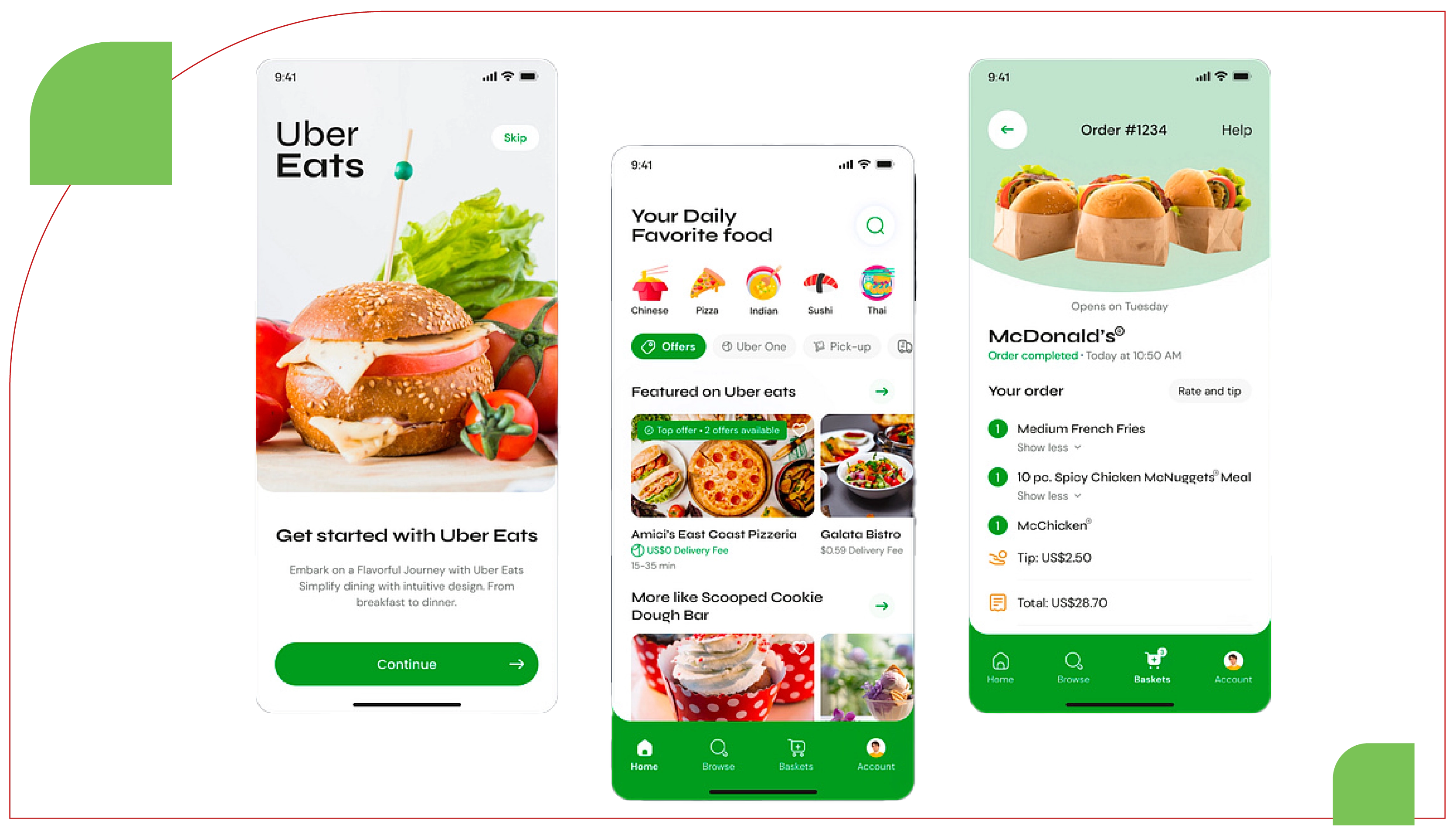
While Uber Eats remains a dominant force in the global food delivery market, the best alternatives in 2026 include DoorDash for its massive geographic reach, Grubhub for its seamless integration with Amazon Prime, and ChowNow for users seeking to support local restaurants without high commission fees. For international users, Deliveroo and Just Eat Takeaway provide superior density across Europe and Asia-Pacific regions.
The food delivery landscape has evolved significantly by 2026. What was once a simple convenience has transformed into a complex ecosystem of logistics, subscription models, and direct-to-consumer platforms. While Uber Eats offers a massive selection, it is often criticized for high service fees, menu markups, and its impact on small business margins. Consumers and restaurant owners alike are increasingly looking toward competitors that offer better value, more ethical business models, or specialized services that Uber Eats does not prioritize.
The Major Market Rivals: DoorDash and Grubhub
In the North American market, the primary alternatives to Uber Eats are its two largest competitors. These platforms operate on a similar marketplace model but differ in their membership perks and regional strengths.
DoorDash: The Logistics Powerhouse
By 2026, DoorDash has solidified its position as the market leader in the United States. Its primary advantage lies in its logistics network, which extends far beyond urban centers into suburban and even semi-rural areas where Uber Eats often lacks density.
DoorDash’s subscription service, DashPass, has become the industry benchmark for loyalty programs. For a monthly fee, users receive $0 delivery fees and reduced service fees on eligible orders. In 2026, DashPass has expanded to include "DoubleDash," allowing users to add items from a nearby convenience store or grocery store to their restaurant order without an additional delivery charge. This level of logistical synchronization makes it a formidable alternative for families and heavy users who want a one-stop-shop for all their immediate delivery needs.
Grubhub: The Amazon Integration
Grubhub (and its sister brand Seamless) has maintained a strong foothold, particularly in dense urban markets like New York City and Chicago. Its most significant competitive advantage in 2026 is its deep integration with Amazon Prime.
For years, Amazon has offered a free year of Grubhub+ to its Prime members, a partnership that has become a permanent fixture by 2026. This allows millions of households to bypass the monthly subscription fee that Uber Eats (Uber One) requires. If you are already paying for an Amazon Prime subscription, Grubhub is almost certainly your most cost-effective alternative to Uber Eats, as the $0 delivery fee benefit is built into a service you likely already own.
The Ethical and Local Choice: ChowNow
One of the most common complaints about Uber Eats is the high commission it charges restaurants—often between 15% and 30% per order. This has led to the rise of ChowNow, which operates on a fundamentally different business model.
Commission-Free Ordering
Unlike Uber Eats, ChowNow does not charge restaurants a commission on every order. Instead, restaurants pay a flat monthly subscription fee to use the platform's technology. For the consumer, this often results in:
- Lower Menu Prices: Because the restaurant isn't losing 30% of the sale to the platform, they often list their items at the same price as their in-house menu.
- Direct Support: More of your money goes directly to the kitchen and the staff who prepared the food.
- Transparent Fees: ChowNow’s service fees are typically lower and more transparent than the fluctuating "marketplace fees" found on larger apps.
By 2026, ChowNow has integrated heavily with Google Maps and Instagram, allowing users to order directly through search results or social media profiles. If your goal is to support the local culinary scene while keeping your own costs down, checking if a restaurant is on ChowNow is a superior strategy to using a massive aggregator.
Specialized and Niche Alternatives
Sometimes, the best alternative to a generalist like Uber Eats is a specialist that focuses on a specific type of food or a specific neighborhood dynamic.
Slice: For the Pizza Purist
If you are ordering pizza, Slice is the gold standard alternative. Slice focuses exclusively on independent pizzerias. By providing local shops with the technology they need to compete with big chains like Domino’s, Slice ensures that consumers get high-quality, authentic pizza without the high fees of Uber Eats. Their "Slice Rewards" program is specifically designed for the frequent pizza eater, offering "Pizza Points" that lead to free pies much faster than generic reward programs.
Ritual: The Office and Pickup Specialist
For the working professional in 2026, Ritual is the primary alternative for lunch. Unlike Uber Eats, which focuses on delivery, Ritual is designed for pickup. It allows coworkers to "piggyback" on each other's orders, creating a social ordering experience where one person can pick up lunch for the whole team, earning points for everyone involved. By focusing on pickup, Ritual eliminates the delivery and driver fees entirely, making it the most economical way to "order out" during the workweek.
International Alternatives to Uber Eats
The delivery market is highly regional. If you are traveling or living outside North America in 2026, your best alternatives are often local champions that have built better infrastructure than Uber’s global platform.
Deliveroo (Europe, UAE, and Asia)
Deliveroo is the primary rival to Uber Eats across the United Kingdom and much of Europe. In 2026, Deliveroo is known for its "Plus" subscription and its innovative use of "Editions"—delivery-only ghost kitchens that bring high-end restaurant brands to neighborhoods where they don't have a physical presence. Their delivery radius and speed in high-density cities like London, Paris, and Hong Kong often outperform Uber Eats.
Just Eat Takeaway (Global)
Operating as Just Eat in the UK and Europe, Menulog in Australia, and SkipTheDishes in Canada, this conglomerate is one of the world's largest food delivery networks. Their strategy relies on having the widest possible selection of local takeaway spots, often including smaller "mom-and-pop" shops that find Uber’s interface too complex or its fees too high.
Direct Ordering: The Growing Trend of 2026
The most significant "alternative" to Uber Eats in 2026 isn't actually another app—it's the restaurant's own website. With the maturation of white-label ordering platforms like Toast Tab and Olo, most restaurants now have sophisticated online ordering systems of their own.
Why Ordering Direct Wins
- Lower Costs: Restaurants often offer "direct-only" discounts or lower menu prices on their own sites.
- Accuracy: Orders placed directly through the restaurant’s Point of Sale (POS) system are less likely to have errors than those relayed through a third-party tablet.
- Loyalty Points: Many restaurants have moved their most lucrative rewards programs to their own apps, reserving the best perks for their direct customers rather than Uber Eats users.
| Platform | Best For | Membership | Key Advantage in 2026 |
|---|---|---|---|
| DoorDash | General Variety | DashPass ($9.99/mo) | Widest suburban and rural coverage. |
| Grubhub | Amazon Users | Grubhub+ (Free w/ Prime) | Best value for existing Amazon Prime members. |
| ChowNow | Ethical/Value | None (for users) | Commission-free for restaurants; lower menu prices. |
| Slice | Pizza | Slice Rewards | Supports independent pizzerias with lower fees. |
| Deliveroo | European Cities | Deliveroo Plus | High-end selection and specialized ghost kitchens. |
| Toast TakeOut | Direct Ordering | Varies by Restaurant | Most money goes to the restaurant; no app markups. |
Comparing Costs: Delivery, Service, and Hidden Fees
When looking for an alternative to Uber Eats, it is essential to understand the three-tier pricing structure that dominates the industry in 2026. Comparing a "delivery fee" alone is often misleading.
1. The Delivery Fee
This is the flat fee paid to the driver for the trip. While many apps advertise "$0 Delivery," this is usually contingent on a subscription or a minimum order amount (typically $12 to $15).
2. The Service Fee
This is where platforms like Uber Eats make their profit. It is usually a percentage of the order total. Alternatives like ChowNow and direct ordering through Toast often have significantly lower service fees because they aren't trying to subsidize a massive global marketing budget.
3. The Menu Markup
Many users don't realize that the prices on Uber Eats are often 10-20% higher than the prices in the restaurant. This is how restaurants recoup the commissions charged by the app. Apps like Slice and ChowNow explicitly discourage or forbid these markups, meaning you save money before you even get to the checkout screen.
Common Mistakes When Switching Apps
When moving away from Uber Eats, many users fall into traps that negate the benefits of the alternative services.
- Ignoring the Minimum Order: Most alternatives require a $12-$15 minimum to trigger the benefits of their membership programs. Ordering a single small item can lead to "small basket fees" that make the alternative more expensive than Uber Eats.
- Forgetting to Check for Direct Links: Many restaurants include a "Order Here" link on their Google Business Profile. Often, clicking this leads to their direct, lower-fee site, while searching for them within an aggregator app leads to the higher-priced version.
- Neglecting the Driver's Tip: Even on "ethical" apps like ChowNow, the delivery is often still handled by a third-party gig worker or a local courier. The delivery fee you see does not go entirely to the driver; tipping remains a critical part of the gig economy ecosystem in 2026 to ensure timely and professional service.
FAQ
Which food delivery app is the cheapest in 2026?
There is no single "cheapest" app, as pricing depends on your location and order size. However, Grubhub is often the cheapest for Amazon Prime members due to the free subscription. For those without a subscription, ChowNow or ordering direct from the restaurant’s website typically offers the lowest total cost because they avoid the 20-30% menu markups found on Uber Eats.
Is DoorDash better than Uber Eats in suburban areas?
Generally, yes. By 2026, DoorDash has built a more robust infrastructure in suburban and rural markets. They often have more "Dashers" available in these zones, leading to faster delivery times and a wider selection of available restaurants compared to Uber Eats, which tends to concentrate its best service in high-density urban cores.
Can I get grocery delivery on these alternatives?
Yes. Most major alternatives have expanded into the "everything delivery" space. DoorDash and Uber Eats are the leaders here, but Grubhub has also expanded its grocery selection via a partnership with local regional chains. For dedicated grocery delivery, Instacart remains the primary alternative, offering more specialized "personal shopper" services than the standard food delivery apps.
How do I know if a restaurant prefers a specific app?
Most restaurants will promote their preferred ordering method on their official website or social media. If you see a "Order Direct" button, that is almost always the method that allows the restaurant to keep the most profit. Additionally, platforms like ChowNow are generally preferred by small business owners over Uber Eats or DoorDash due to the lack of per-order commissions.
Do these alternatives offer drone or robot delivery?
As of 2026, autonomous delivery is available in select urban centers and college campuses through DoorDash and Grubhub. Uber Eats also has autonomous partnerships, but the availability depends heavily on local municipal regulations. If you are in a tech-forward city like Austin, San Francisco, or London, you are more likely to see these "Last Mile" robots regardless of which major app you choose.
Recommendation for Next Steps
To find the best Uber Eats alternative for your specific needs, begin by checking your existing subscriptions. If you are an Amazon Prime member, your first step should be activating your free Grubhub+ account. This provides the most immediate value without an additional monthly layout.
If you are a frequent diner who wants to support local businesses, download the ChowNow app or visit the websites of your three favorite local restaurants. Check if they offer direct ordering via Toast or Olo. By moving even half of your monthly orders to a direct or commission-free platform, you can save a significant amount in service fees while ensuring that your local favorites remain profitable and open for years to come.