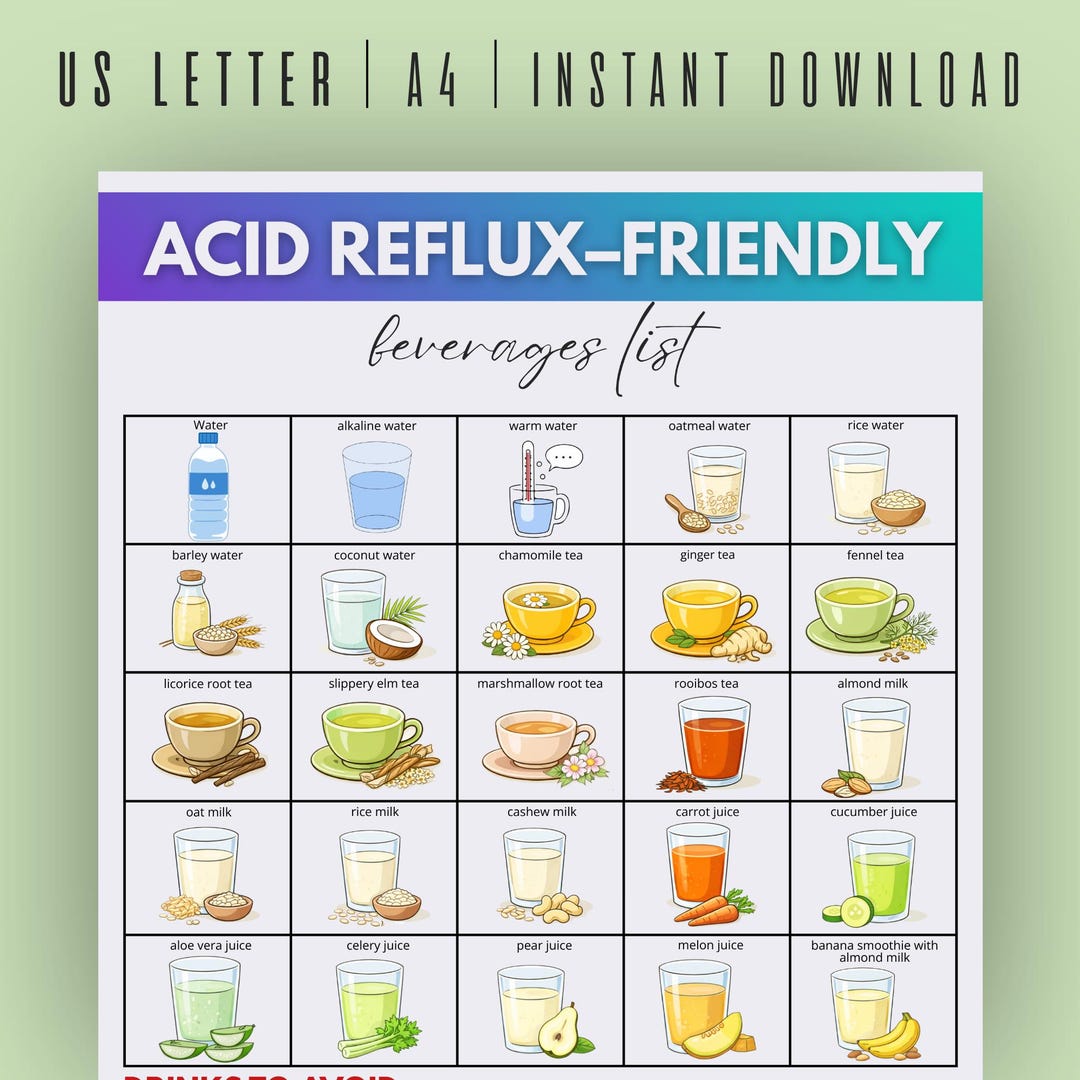
Alkaline drinks for heartburn, such as alkaline water, almond milk, and certain herbal teas, provide relief by neutralizing stomach acid and soothing the esophageal lining. These beverages typically have a pH level above 7.0, helping to counteract the low-pH hydrochloric acid that causes the burning sensation associated with acid reflux and GERD.
Heartburn remains one of the most common digestive complaints in 2026, affecting millions of adults daily. While pharmaceutical interventions like proton pump inhibitors (PPIs) and H2 blockers are widely used, many individuals seek dietary interventions to manage symptoms or supplement their treatment plans. Understanding the chemistry of alkaline drinks and how they interact with gastric juices is essential for anyone looking to find relief through natural means.
The Chemistry of Heartburn and Alkalinity
To understand why alkaline drinks work, one must first understand the mechanism of heartburn. Heartburn, or gastroesophageal reflux, occurs when the lower esophageal sphincter (LES)—the muscle that acts as a valve between the esophagus and the stomach—weakens or relaxes inappropriately. This allows stomach acid, which has a very low pH of 1.5 to 3.5, to rise into the esophagus. The lining of the esophagus is far more sensitive than the stomach lining; when acid touches it, it causes inflammation and the characteristic "burning" sensation.
The pH scale ranges from 0 to 14, with 7 being neutral. Anything below 7 is acidic, and anything above 7 is alkaline (or basic). Alkaline drinks serve two primary functions in the context of reflux:
- Direct Neutralization: By introducing a high-pH liquid into the stomach, you can slightly raise the overall pH of the gastric contents, making them less caustic if they do reflux.
- Pepsin Inactivation: Research, including a landmark study published in the Annals of Otology, Rhinology & Laryngology, has shown that alkaline water with a pH of 8.8 can permanently inactivate pepsin. Pepsin is a digestive enzyme that remains active in acidic environments and is responsible for much of the tissue damage seen in laryngeal reflux.
Top Alkaline Drinks for Managing Heartburn
Choosing the right beverage requires looking beyond just the pH level. It also involves considering the nutrient density and the presence of potential triggers like caffeine or high fat content.
Alkaline Water (pH 8.0–9.5)
Natural alkaline water is sourced from springs or wells that pass through mineral-rich rocks, picking up calcium, magnesium, and potassium. Alternatively, ionized alkaline water is produced through electrolysis. In 2026, many consumers use home ionization systems or purchase bottled alkaline water specifically for digestive health.
The primary benefit of alkaline water is its high acid-buffering capacity. Unlike regular tap water (which is usually neutral at pH 7.0), alkaline water reacts immediately with hydrochloric acid in the stomach. For those with silent reflux (LPR), drinking alkaline water may be more effective than standard treatments because it targets pepsin residue in the throat that medications cannot reach.
Plant-Based Milks (Almond and Soy)
While cow's milk was once a traditional remedy for heartburn, many find that the fat content in whole milk actually triggers more acid production later (a "rebound" effect). Plant-based milks, particularly almond milk, offer a superior alternative.
- Almond Milk: Naturally alkaline-forming, almond milk is low in fat and contains minerals that help soothe the esophagus. It has a creamy consistency that can coat the esophageal lining, providing a physical barrier against acid.
- Soy Milk: Soy milk is generally less acidic than dairy, though its impact can vary by brand. It is important to choose "unsweetened" versions, as added sugars can ferment in the gut and contribute to bloating and pressure on the LES.
Herbal Teas: Chamomile and Licorice
Not all teas are created equal. Black, green, and peppermint teas are known triggers for many because of their caffeine or ability to relax the LES. However, specific herbal infusions are highly beneficial.
- Chamomile Tea: Known for its anti-inflammatory properties, chamomile helps reduce inflammation in the digestive tract. It is also a natural sedative, which is helpful since stress is a significant contributor to reflux episodes.
- Deglycyrrhizinated Licorice (DGL): While not a "drink" in the traditional sense, licorice root tea (specifically DGL) is widely used to increase the mucous production of the esophageal lining. This extra layer of mucus acts as a natural shield against gastric acid.
Fresh Vegetable Juices
While fruit juices are often too acidic (citrus, pineapple), certain vegetable juices are highly alkaline and soothing.
- Cucumber Juice: With a pH that is naturally high and a high water content, cucumber juice is one of the most hydrating and neutralizing drinks available.
- Carrot Juice: Carrots contain natural alkaline components that help balance gastric acidity. When juiced, they provide a nutrient-dense way to settle the stomach.
- Aloe Vera Juice: Specifically processed for internal use, aloe vera juice acts as a potent anti-inflammatory agent for the digestive tract. It is essential to ensure the juice is "aloin-free" to avoid a laxative effect.
Comparison of Common Beverages for Heartburn Relief
The following table compares various drinks based on their pH levels and their typical impact on heartburn symptoms.
| Beverage | Approximate pH | Benefit for Heartburn | Recommended Usage |
|---|---|---|---|
| Alkaline Water | 8.8 - 9.5 | Inactivates pepsin; neutralizes acid | Drink throughout the day, especially after meals. |
| Almond Milk | 7.0 - 8.0 | Alkaline-forming; low fat; soothing | Use as a dairy substitute or drink a small glass at night. |
| Ginger Tea | 6.0 - 7.0 | Anti-inflammatory; prevents gastric reflux | Sip slowly to reduce nausea and improve digestion. |
| Chamomile Tea | 6.0 - 7.0 | Reduces inflammation and stress | Best consumed 30 minutes before sleep. |
| Cucumber Juice | 6.5 - 7.5 | Highly hydrating; cooling effect | Drink fresh on an empty stomach or with snacks. |
| Baking Soda Solution | 8.3 - 9.0 | Immediate neutralization of acid | Emergency use only; 1/2 tsp in 4oz of water. |
| Coconut Water | 5.0 - 5.5 | Electrolyte balance; mildly acidic but soothing | Good for mild cases; avoid if very sensitive. |
Implementation and Timing: When to Drink
The effectiveness of alkaline drinks depends heavily on timing. Drinking a large volume of any liquid during a meal can distend the stomach, increasing pressure on the LES and potentially forcing acid upward.
Recommended Strategy for 2026:
- The "Sip and Wait" Rule: Instead of gulping down a glass of alkaline water during a meal, take small sips. Save the majority of your fluid intake for 30 to 60 minutes after eating.
- Morning Neutralization: Starting the day with a glass of room-temperature alkaline water or a mild ginger infusion can help clear any acid that may have refluxed during sleep.
- Nighttime Management: If you suffer from nocturnal reflux, drinking a small amount of almond milk or chamomile tea an hour before bed can help settle the stomach. Avoid drinking large quantities immediately before lying flat, as gravity will no longer help keep the liquid down.
Safety Considerations and Potential Risks
While alkaline drinks are generally safe, there are nuances that users should be aware of. Over-alkalizing the body (alkalosis) is extremely rare through diet alone, but specific drink ingredients carry risks.
- Sodium Content in Baking Soda: Sodium bicarbonate (baking soda) is a classic alkaline remedy. However, it is very high in sodium. People with hypertension, kidney disease, or those on a low-sodium diet should avoid this method. Excessive use can also cause "acid rebound," where the stomach produces even more acid to compensate for the sudden rise in pH.
- Sugar and Additives: Many commercial "alkaline" smoothies or bottled drinks contain added sugars or artificial sweeteners. These can trigger fermentation and gas, which increases intra-abdominal pressure and worsens heartburn. Always read labels for hidden triggers.
- Interactions with Medications: Raising the pH of the stomach can affect how certain medications are absorbed. If you are taking prescription drugs, particularly those for heart health or fungal infections, consult a pharmacist before significantly increasing your intake of high-pH alkaline water.
Lifestyle Synergies
Alkaline drinks are most effective when part of a broader lifestyle strategy. In 2026, the clinical consensus remains that "mechanical" fixes are just as important as chemical ones. This includes:
- Elevation: Using a wedge pillow to keep the head and torso elevated at a 15-degree angle.
- Portion Control: Smaller, more frequent meals prevent the stomach from becoming overly full.
- Trigger Identification: While alkaline drinks help, they cannot fully counteract the effects of highly acidic triggers like spicy foods, chocolate, alcohol, and tobacco.
Frequently Asked Questions
Does lemon water help with heartburn since it becomes alkaline in the body?
While lemon juice has an "alkalizing" effect on the body's systemic pH after metabolism, it is highly acidic (pH ~2.0) upon contact. For someone with an already inflamed esophagus or active heartburn, the initial acidity of lemon water can cause significant pain. It is generally better to stick to drinks that are alkaline before ingestion.
Can alkaline water replace my PPI or H2 blocker?
Alkaline water is a management tool, not a cure for chronic GERD. While it can reduce the need for occasional antacids, you should never discontinue prescription medication without a doctor's supervision. In 2026, many gastroenterologists suggest alkaline water as a complementary therapy rather than a replacement.
Is coffee okay if I add alkaline milk to it?
Adding almond milk to coffee can slightly reduce its acidity, but coffee itself is problematic for two reasons: its low pH and its caffeine content. Caffeine relaxes the LES. For best results, switch to a low-acid coffee variety or, ideally, an herbal substitute like chicory or roasted barley.
How much alkaline water should I drink daily for reflux?
There is no one-size-fits-all volume, but replacing your standard drinking water with alkaline water (pH 8.8) is common for those with active symptoms. Most people find benefit in drinking 2 to 3 liters throughout the day, focusing on the windows between meals.
Can children drink alkaline beverages for heartburn?
While natural drinks like almond milk and diluted ginger tea are generally safe for children, alkaline water and baking soda solutions should only be given under pediatric guidance. Children’s electrolyte balances are more sensitive than adults’, and the underlying cause of pediatric reflux may require different treatment.
Final Recommendations for Relief
If you are struggling with frequent heartburn, start by replacing one or two of your daily beverages with an alkaline alternative. Alkaline water with a pH of 8.8 or higher is the most evidence-supported liquid for neutralizing pepsin and providing immediate comfort. Complement this with soothing plant milks or herbal infusions like chamomile. Always prioritize consistency over quantity; sipping these drinks regularly throughout the day provides more stable relief than consuming them in large, infrequent doses. If symptoms persist for more than two weeks despite these changes, seek a professional medical evaluation to rule out more serious conditions like Barrett's esophagus or severe erosive esophagitis.