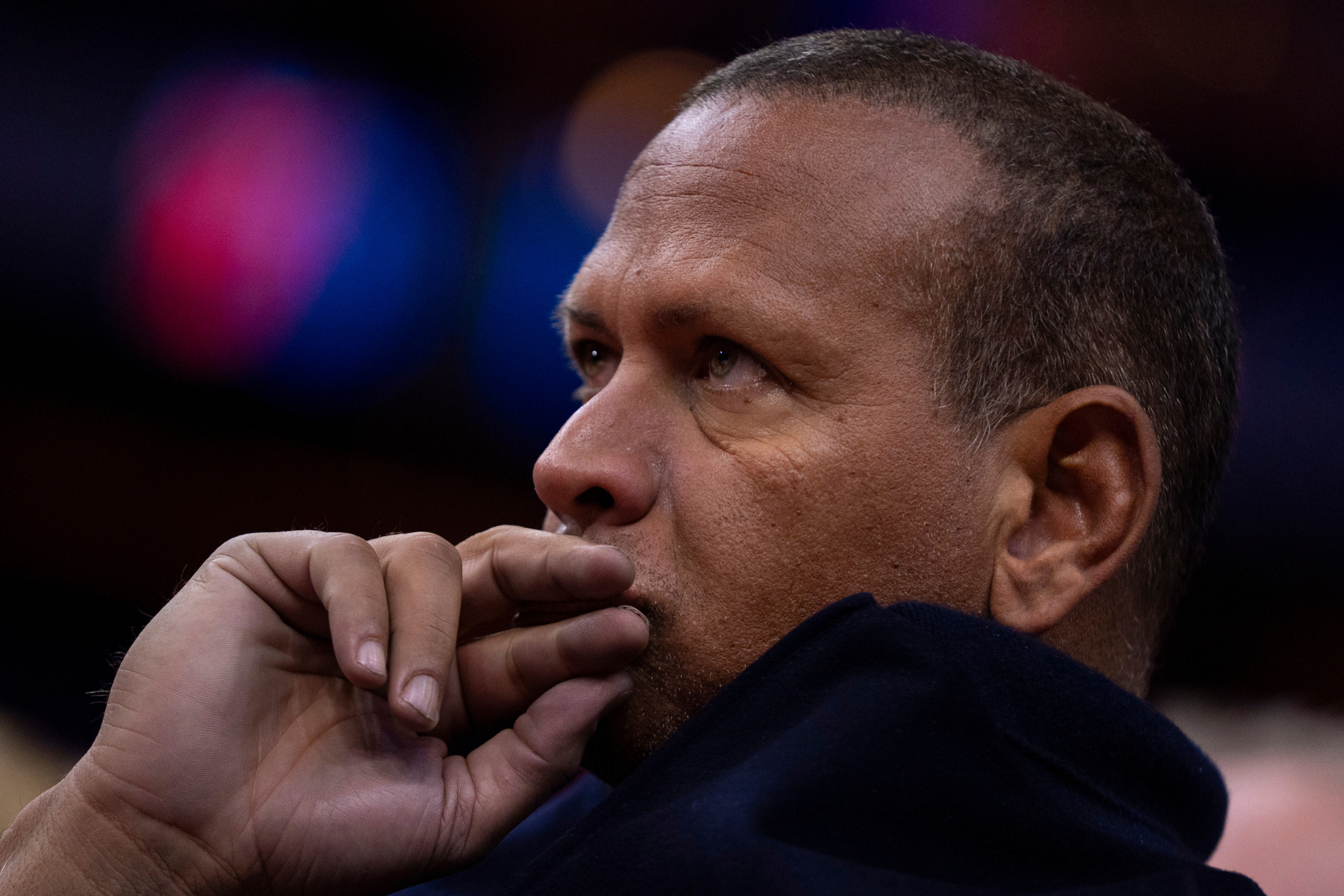
Alex Rodriguez is of Dominican descent, born to parents Victor Rodriguez and Lourdes Navarro, who immigrated to New York from the Dominican Republic. Although born in the United States, Rodriguez spent several formative years in Santo Domingo as a child, a period that deeply influenced his cultural identity, linguistic fluency, and professional baseball career.
Throughout his tenure in Major League Baseball (MLB) and his subsequent transition into a global business mogul, Alex Rodriguez—widely known as A-Rod—has navigated a complex relationship with his heritage. As of 2026, his legacy is defined as much by his Dominican roots as by his statistical achievements on the diamond. Understanding his background requires looking beyond his birthplace in Washington Heights to the streets of Santo Domingo and the cultural expectations placed upon one of the greatest athletes of the modern era.
The Foundation: Washington Heights and the Move to Santo Domingo
Alex Rodriguez was born on July 27, 1975, in Washington Heights, Manhattan. This neighborhood has long served as the epicenter of the Dominican diaspora in the United States. For Rodriguez, the sights, sounds, and smells of Dominican culture were not an elective interest but the very fabric of his early environment. His parents, Victor and Lourdes, sought the American Dream, but like many immigrants of their generation, they maintained a dual existence, keeping one foot firmly planted in their homeland.
In a move that would fundamentally shape his identity, the Rodriguez family returned to the Dominican Republic when Alex was just four years old. They settled in Santo Domingo, the nation’s capital. For the next four years, Rodriguez was immersed in the "cradle of baseball." In the Dominican Republic, baseball is not merely a sport; it is a national passion and, for many, a perceived path to economic mobility.
During these years, Rodriguez learned the nuances of the game in an environment where resources were often scarce but talent was abundant. He played in local "ligas," honing the hand-eye coordination that would eventually lead to 696 career home runs. More importantly, he solidified his Spanish language skills and absorbed the cultural values of hard work and family loyalty that are hallmarks of Dominican society. This period provided the "revealed" foundation of his identity—he was not just a kid from New York who happened to have Dominican parents; he was a child of the Island.
The Return to Miami and the Impact of the Father Figure
When Alex was eight, the family moved back to the United States, settling in Miami, Florida. Shortly thereafter, his father, Victor, left the family. This departure is a critical juncture in the Rodriguez narrative. Victor had been a professional baseball player in the Dominican Republic, and much of Alex’s early drive was fueled by a desire to emulate and, perhaps, eventually reconnect with his father through the sport they both loved.
Lourdes Navarro became the primary influence in his life, working two jobs to support Alex and his siblings. The Dominican matriarchal strength displayed by Lourdes is a recurring theme in Rodriguez’s interviews. He often credits her resilience as the blueprint for his own work ethic. In Miami’s vibrant Latino community, Rodriguez continued to develop his skills at Westminster Christian High School, but he remained culturally tethered to his Dominican roots through his mother’s kitchen, his language, and his social circles.
The World Baseball Classic: A Defining Moment for Dominican Identity
One of the most significant public "reveals" of Rodriguez’s Dominican roots occurred during the lead-up to the 2006 and 2009 World Baseball Classics (WBC). As a dual citizen, Rodriguez faced a choice that many Dominican-Americans encounter: which nation do you represent when both claim a piece of your heart?
In 2006, Rodriguez initially wavered before choosing to play for Team USA. This decision was met with mixed emotions in the Dominican Republic, where fans hoped their most famous son would wear the "Dominicana" jersey. However, by 2009, Rodriguez made a definitive statement about his heritage. He announced his intention to play for the Dominican Republic, stating that he wanted to honor his mother and his heritage.
Although a hip injury ultimately prevented him from competing in the 2009 tournament, the gesture was a watershed moment. It signaled to the world—and to the Dominican community—that he viewed himself as a Dominican man. This decision helped bridge the gap between Rodriguez and the fans in the DR, who had sometimes viewed him as "too Americanized." It reinforced the concept of the "transnational" athlete, someone who can be a product of the U.S. system while remaining ethnically and emotionally loyal to their ancestral home.
Business and Philanthropy in the Dominican Republic
By 2026, Alex Rodriguez’s connection to the Dominican Republic has evolved from sports to significant economic and philanthropic investment. Through A-Rod Corp, his multi-faceted investment firm, Rodriguez has funneled capital into various sectors within the DR, including real estate and fitness.
His business approach in the Caribbean is often described as "sophisticated homecoming." He doesn't just donate; he builds infrastructure. His philanthropic efforts have focused on:
- Education: Funding computer labs and scholarship programs for youth in Santo Domingo.
- Youth Sports: Renovating baseball fields in underserved communities to ensure the next generation has the facilities he once lacked.
- Health: Supporting clinics that provide medical care to families in rural areas of the country.
These actions serve as a practical revelation of his roots. He has consistently used his platform to highlight the talent and potential within the Dominican Republic, moving beyond the stereotype of the island as merely a "player factory" for MLB and instead treating it as a viable hub for international business and development.
Cultural Identity: The "Ni de Aquí, Ni de Allá" Paradigm
Rodriguez’s life reflects the "Ni de aquí, ni de allá" (Not from here, nor from there) experience common among second-generation immigrants. In the United States, he was often seen as the face of the "Latino explosion" in baseball, yet in the Dominican Republic, he was sometimes scrutinized for his accent or his upbringing in Miami.
The revelation of his roots is not a single event but a career-long process of reconciling these two worlds. In his later years and into his retirement, Rodriguez has leaned heavily into his identity as a Dominican-American leader. He has been vocal about the challenges faced by Latino players in the league, including language barriers and the transition to life in the U.S. By doing so, he has positioned himself as an elder statesman for the Dominican community in professional sports.
Key Facts: Alex Rodriguez’s Heritage and Cultural Milestones
The following table summarizes the pivotal moments and facts that define Alex Rodriguez’s connection to his Dominican roots.
| Category | Detail | Significance |
|---|---|---|
| Birthplace | Washington Heights, New York City | The heart of the Dominican diaspora in the US. |
| Early Childhood | Lived in Santo Domingo (Ages 4–8) | Formative years spent immersed in Dominican culture and baseball. |
| Parents | Victor Rodriguez & Lourdes Navarro | Both born in the Dominican Republic; primary source of his cultural identity. |
| Linguistic Skills | Fluent in Spanish | Allows him to communicate directly with Dominican media and fans. |
| WBC Participation | Committed to Team DR in 2009 | A public affirmation of his Dominican identity over his US birthplace. |
| Philanthropy | A-Rod Family Foundation | Heavy focus on Dominican youth and educational infrastructure. |
| Business Ties | A-Rod Corp Investments | Active real estate and fitness ventures within the Dominican Republic. |
The Influence of Dominican Legends on A-Rod’s Career
To understand Rodriguez’s roots, one must also look at the Dominican players who preceded him and those he mentored. Rodriguez grew up idolizing players like Juan Marichal, the first Dominican inducted into the Hall of Fame. As his own career progressed, he developed close ties with contemporaries like Pedro Martinez, David Ortiz, and Albert Pujols.
These relationships were more than just professional courtesies; they were a brotherhood based on shared heritage. When Rodriguez faced controversies, including his suspension related to performance-enhancing drugs, his support system often included these Dominican icons who understood the unique pressures of being a Latino superstar. The "reveal" here is that Rodriguez’s support network has always been deeply rooted in the Dominican baseball community, highlighting a cultural solidarity that transcends individual team loyalties.
Legacy in 2026: A Bridge Between Two Nations
As we look at Alex Rodriguez in 2026, he stands as a bridge between the American sports establishment and the Dominican Republic. His success as a broadcaster and team owner (Minnesota Timberwolves/Lynx) provides a roadmap for other Dominican players to transition into executive roles.
He has successfully navigated the shift from being a "Dominican-American shortstop" to a "Global Entrepreneur of Dominican Descent." This distinction is important. It shows an evolution from an identity defined by where he played to one defined by what he builds. His roots are no longer just a biographical footnote; they are the primary lens through which he views his social responsibility and his legacy.
Frequently Asked Questions
Was Alex Rodriguez born in the Dominican Republic?
No, Alex Rodriguez was born in Washington Heights, Manhattan, New York. However, he moved to the Dominican Republic at age four and lived there for approximately four years before returning to the United States and eventually settling in Miami.
Does Alex Rodriguez speak Spanish?
Yes, Alex Rodriguez is fluent in Spanish. He frequently conducts interviews in Spanish and has credited his early childhood years in Santo Domingo for his ability to maintain his native tongue, which has helped him connect with fans and players across Latin America.
Why did Alex Rodriguez choose to play for the Dominican Republic in the WBC?
After playing for Team USA in 2006, Rodriguez announced he would play for the Dominican Republic in 2009 to honor his heritage and his mother’s birthplace. He stated that he felt a deep calling to represent the colors of his ancestors, although a hip injury ultimately kept him off the field.
What has Alex Rodriguez done for the Dominican Republic recently?
As of 2026, Rodriguez has expanded his business and philanthropic footprint in the DR. This includes investing in local real estate projects through A-Rod Corp and supporting various youth initiatives focused on education, technology, and baseball through his family foundation.
Who were Alex Rodriguez's Dominican parents?
His father was Victor Rodriguez, who owned a shoeshine business and played professional baseball in the Dominican Republic. His mother was Lourdes Navarro, who worked as a waitress and in an automobile plant. They both emigrated from the Dominican Republic to New York in the early 1970s.
How did growing up in the Dominican Republic affect his baseball style?
Rodriguez has often mentioned that playing in the DR as a young boy instilled in him a "raw" love for the game. The high level of competition and the cultural emphasis on "pelota" (baseball) as a way of life helped develop his discipline and fundamental skills at an early age.
Summary of Next Actions for Fans and Researchers
To gain a deeper understanding of the cultural impact of Alex Rodriguez’s Dominican roots, individuals should explore the history of the Dominican diaspora in New York during the 1970s. This provides the necessary context for the environment in which he was raised. Additionally, reviewing his various interviews with Spanish-language media outlets (such as ESPN Deportes or Univision) offers a more personal perspective on his identity that is often missed in English-language coverage.
For those interested in his current impact, following the developments of the A-Rod Family Foundation and its specific projects within Santo Domingo provides a clear view of how he continues to honor his heritage through action rather than just words. As Rodriguez continues his career as a businessman and media personality in 2026, his story remains a powerful example of the enduring influence of one's roots in shaping a global legacy.