The discography of Bob Marley encompasses a transformative journey from Jamaican ska and rocksteady to the global explosion of roots reggae. His primary body of work includes thirteen studio albums—nine recorded with The Wailers and four as a solo artist backed by the band—alongside several definitive live recordings and the diamond-selling posthumous compilation, Legend. These albums serves as the foundational texts of reggae music, blending spiritual Rastafarian themes with sharp political commentary and universal messages of love.
The Evolution of the Wailers: The Early Studio One Era
Before Bob Marley became a global icon, he was a member of a vocal group known as The Teenagers, later The Wailing Rudeboys, and eventually The Wailers. This early period, primarily occurring in the mid-1960s at Clement "Coxsone" Dodd’s Studio One, laid the groundwork for everything that followed.
During this era, the core trio consisted of Bob Marley, Peter Tosh, and Bunny Wailer. Their debut studio album, The Wailing Wailers (1965), is a collection of their early singles rather than a conceptually unified album. At this stage, the music was predominantly ska—a high-tempo, horn-driven precursor to reggae. Tracks like "Simmer Down" addressed the "rude boy" culture of Kingston’s ghettos, establishing Marley as a voice for the disenfranchised.
The transition from ska to rocksteady occurred as the tempos slowed down, allowing for more complex vocal harmonies and a more prominent role for the bass guitar. While many of these recordings were released as singles on 7-inch vinyl, they are essential for understanding the vocal chemistry between Marley, Tosh, and Livingston (Bunny Wailer). This period was defined by a heavy influence of American R&B and doo-wop, which the trio filtered through the unique rhythmic sensibilities of Jamaica.
The Lee "Scratch" Perry Collaborations
In the late 1960s and early 1970s, The Wailers began working with the eccentric and visionary producer Lee "Scratch" Perry and his studio band, The Upsetters. This partnership resulted in two pivotal albums: Soul Rebels (1970) and Soul Revolution (1971).
These albums represent a massive leap forward in the "albums by Bob Marley" catalog. Perry stripped away the polish of the Studio One days, introducing a darker, more "dread" sound characterized by heavy basslines and sparse, psychedelic production. It was during these sessions that the Barrett brothers—Aston "Family Man" Barrett (bass) and Carlton Barrett (drums)—joined forces with The Wailers. Their "one-drop" rhythm became the heartbeat of reggae.
Soul Rebels was the first album to be released outside of Jamaica (in the UK), signaling the band's potential for international reach. The lyrics moved toward militant Rastafarianism and social rebellion, a trend that would define Marley’s mid-70s output.
The Island Records Breakthrough: Catch a Fire and Burnin'
The most significant turning point in Marley’s career came in 1972 when he signed with Chris Blackwell’s Island Records. Blackwell envisioned Marley as a "black rock star" who could appeal to Western audiences without sacrificing his Jamaican roots.
Catch a Fire (1973)
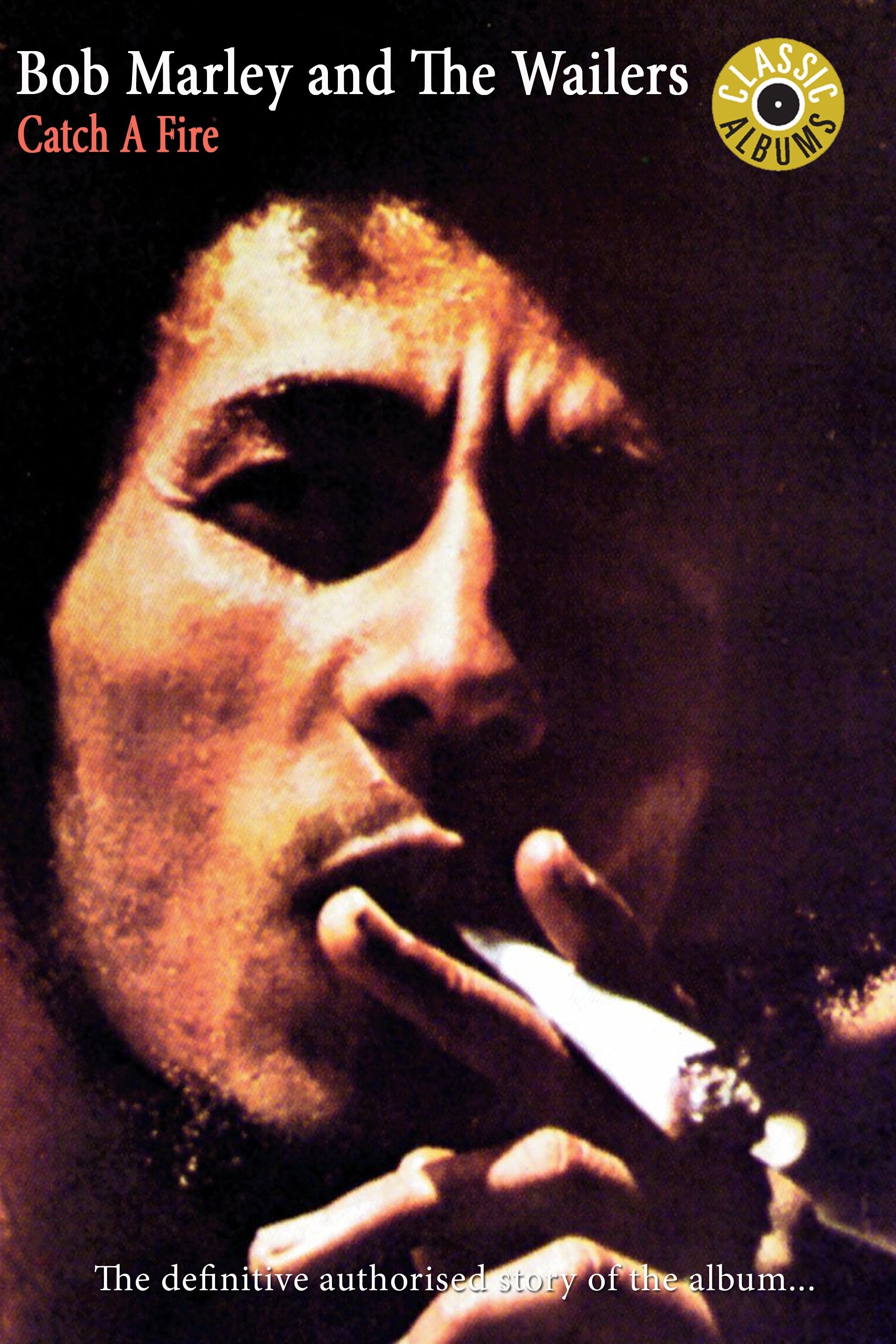
Catch a Fire was the first Wailers album to receive the marketing budget and production values of a major rock release. Blackwell took the original Jamaican masters and added overdubs, including rock-style guitar leads and synthesizers, to make the sound more accessible to ears accustomed to Eric Clapton or The Rolling Stones. The original vinyl release featured a famous "Zippo lighter" sleeve that opened on a hinge. Tracks like "Concrete Jungle" and "Slave Driver" offered a gritty, sophisticated look at poverty and history.
Burnin' (1973)
Released later that same year, Burnin' leaned back into the band's more militant, roots-oriented sound. It contained the iconic "Get Up, Stand Up" and "I Shot the Sheriff." The latter became a massive international hit when covered by Eric Clapton, indirectly propelling Marley to superstardom. Burnin' was the final album to feature the original trio; Peter Tosh and Bunny Wailer left shortly after its release to pursue solo careers, citing frustrations with the focus being placed primarily on Marley.
The Rise of Bob Marley & The Wailers
Following the departure of Tosh and Livingston, the group was rebranded as Bob Marley & The Wailers. To fill the vocal void, Marley brought in the I-Threes (Rita Marley, Marcia Griffiths, and Judy Mowatt) as backing vocalists. This lineup change ushered in the "Golden Era" of reggae.
Natty Dread (1974)
Natty Dread was the first album under the new configuration. It is often cited by critics as one of the greatest reggae albums ever made. It features "No Woman, No Cry," a song that would become a global anthem of resilience. The album's production was crisp and modern, yet it remained deeply rooted in the Rastafarian faith, as seen in tracks like "The Heathen" and "Revolution."
Rastaman Vibration (1976)
This album was Marley's breakthrough in the United States, reaching the Top 10 on the Billboard 200. Rastaman Vibration is notable for its direct political engagement. The track "War" famously set a 1963 speech by Ethiopian Emperor Haile Selassie I to music, creating a timeless manifesto against racism and colonialism.
The London Exile and Exodus
In December 1976, an assassination attempt was made on Marley’s life in Kingston. Following the shooting, he went into self-imposed exile in London. This period of turmoil and reflection produced his most celebrated work.
Exodus (1977)
Recorded at Island’s Basing Street Studios in London, Exodus stayed on the UK charts for 56 consecutive weeks. The album is split into two halves: the first side is political and religious ("Exodus," "The Heathen," "Guiltiness"), while the second side focuses on themes of love and peace ("Jamming," "Waiting in Vain," "Three Little Birds," "One Love/People Get Ready"). In 1999, Time magazine named Exodus the Best Album of the 20th Century, cementing its status as a masterpiece of modern music.
Kaya (1978)
Released quickly after Exodus, Kaya was a more relaxed, sun-drenched album. It focused on themes of love and the spiritual use of cannabis (Kaya). While some critics at the time felt it was "soft" compared to his previous political fire, it contained enduring hits like "Is This Love" and "Satisfy My Soul."
Final Statements: Survival and Uprising
As the 1970s drew to a close, Marley’s music became increasingly focused on Pan-Africanism and the struggle against oppression.
Survival (1979)
Survival is arguably Marley's most defiant and politically charged album. The cover features the flags of African nations, and the songs—such as "Zimbabwe," "Africa Unite," and "Wake Up and Live"—called for the unification and liberation of the African continent. Marley performed at the independence celebrations of Zimbabwe in 1980, a testament to the album's real-world impact.
Uprising (1980)
Uprising was the final studio album released during Marley's lifetime. It is a deeply spiritual record, reflecting his awareness of his declining health (he had been diagnosed with cancer). The album concludes with "Redemption Song," a stark, acoustic track that remains one of the most powerful compositions in the history of folk and protest music. The lyrics "Emancipate yourselves from mental slavery; none but ourselves can free our minds" serve as his final philosophical testament.
Posthumous Releases and the Impact of "Legend"
Following Marley's death in May 1981, his estate and Island Records continued to release material to satisfy the massive global demand.
Confrontation (1983)
This posthumous album was compiled from unreleased tracks and singles recorded during various sessions. It featured the hit "Buffalo Soldier," which became one of his most recognizable songs, chronicling the history of Black cavalry regiments in the US.
Legend (1984)
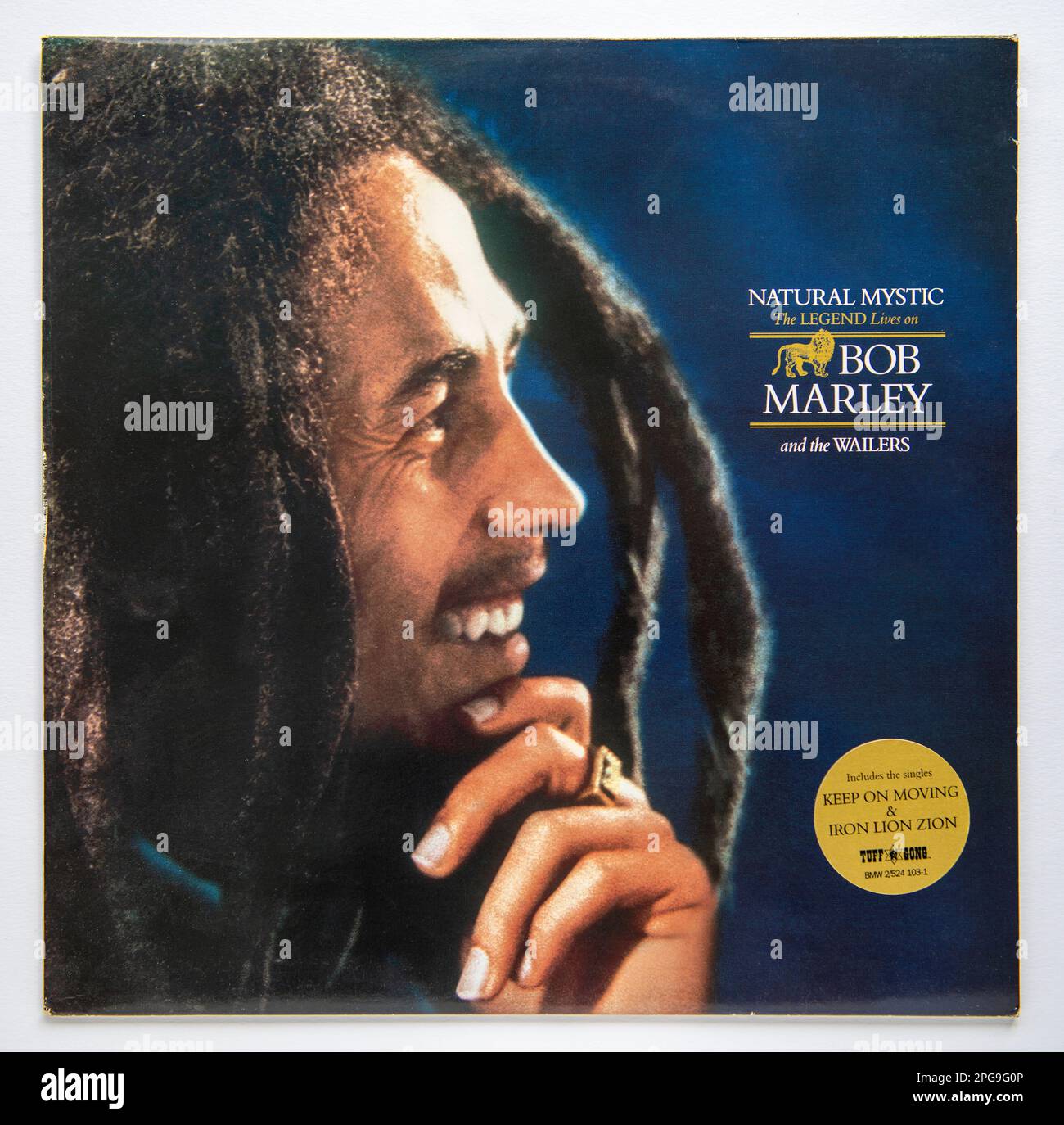
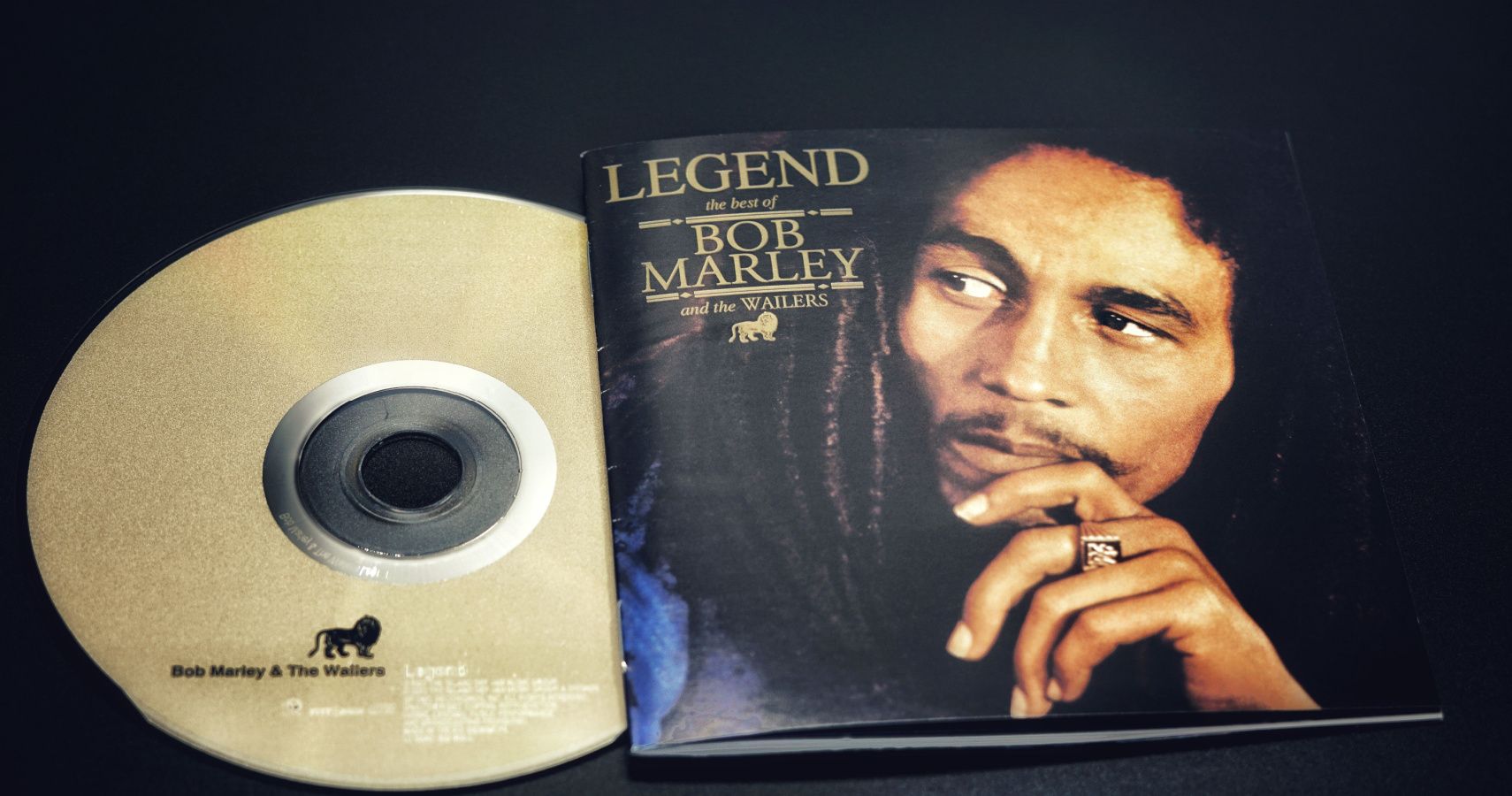
No discussion of albums by Bob Marley is complete without Legend. This "Best Of" compilation was designed to introduce Marley’s music to a wider, mainstream audience. It succeeded beyond all expectations, becoming the best-selling reggae album of all time. As of 2026, it continues to sell thousands of copies weekly across vinyl and streaming platforms. While purists argue it ignores his more militant work, it remains the primary gateway through which most listeners discover his genius.
Comparison of Major Studio Albums
The following table provides a reference for the core studio albums released during the Island Records era, which represents the height of Marley's global influence.
| Album Title | Year | Primary Label | Key Tracks |
|---|---|---|---|
| Catch a Fire | 1973 | Island/Tuff Gong | "Stir It Up", "Concrete Jungle" |
| Burnin' | 1973 | Island/Tuff Gong | "Get Up, Stand Up", "I Shot the Sheriff" |
| Natty Dread | 1974 | Island/Tuff Gong | "No Woman, No Cry", "Lively Up Yourself" |
| Rastaman Vibration | 1976 | Island/Tuff Gong | "War", "Positive Vibration" |
| Exodus | 1977 | Island/Tuff Gong | "Jamming", "One Love", "Three Little Birds" |
| Kaya | 1978 | Island/Tuff Gong | "Is This Love", "Satisfy My Soul" |
| Survival | 1979 | Island/Tuff Gong | "Zimbabwe", "Africa Unite" |
| Uprising | 1980 | Island/Tuff Gong | "Could You Be Loved", "Redemption Song" |
| Confrontation | 1983 | Island/Tuff Gong | "Buffalo Soldier", "Trench Town" |
Technical Aspects of Production and Tuff Gong Studios
The "sound" of Bob Marley’s albums was the result of a specific technical alchemy. Much of the later work was recorded or refined at Tuff Gong Studios in Kingston, which Marley founded.
The production style was characterized by:
- The "One-Drop" Rhythm: Unlike rock, which emphasizes the first beat, reggae emphasizes the third beat. Carlton Barrett’s drumming style, involving a simultaneous bass drum and snare hit on the third beat, became the standard.
- Bass-Heavy Mixing: In reggae, the bass guitar is often the lead melodic instrument. Aston "Family Man" Barrett’s Fender Jazz bass lines were mixed prominently, providing a deep, hypnotic foundation.
- Analog Warmth: The use of 2-inch tape and high-end outboard gear at Basing Street and Tuff Gong gave the albums a "round" and organic feel that modern digital recreations often struggle to replicate.
- Spatial Awareness: Influence from dub music (pioneered by Lee Perry and King Tubby) meant that Marley’s albums often used echo, reverb, and "space" as instruments in their own right.
Collecting Bob Marley Albums in 2026
For collectors in 2026, the market for Bob Marley albums has never been more vibrant. High-fidelity reissues and spatial audio mixes have introduced new ways to experience the music.
- Half-Speed Masters: Many of the Island-era albums have been reissued as half-speed masters at Abbey Road Studios. these provide superior dynamic range and are highly sought after by audiophiles.
- The Complete Island Years Box Set: This is the definitive collection for vinyl enthusiasts, featuring all the studio albums plus the two live albums (Live! and Babylon by Bus) in high-quality pressings.
- Spatial Audio / Dolby Atmos: On streaming platforms, many of Marley’s albums have been remixed in Dolby Atmos. This allows listeners to hear the intricate backing vocals of the I-Threes and the subtle percussion of Alvin "Seeco" Patterson in a three-dimensional soundstage.
- Posthumous "Deluxe" Editions: Albums like Exodus and Catch a Fire have received 40th and 50th-anniversary editions that include "un-overdubbed" Jamaican versions, providing a more raw look at the original sessions.
Frequently Asked Questions
Which Bob Marley album should I listen to first?
For beginners, the compilation Legend is the standard starting point as it contains his most famous hits. However, if you want a cohesive studio experience, Exodus is widely considered his magnum opus and offers a perfect balance of political and melodic tracks.
How many studio albums did Bob Marley record?
Bob Marley recorded 13 studio albums. This includes the early Wailers releases (The Wailing Wailers, Soul Rebels, Soul Revolution), the Island Records band albums (Catch a Fire, Burnin'), the "solo" era albums (Natty Dread through Uprising), and the posthumous Confrontation.
What is the best-selling Bob Marley album?
Legend is the best-selling album by Bob Marley, with over 25 million copies sold worldwide. Among his studio albums, Exodus and Rastaman Vibration are his highest-charting and most commercially successful original works.
Are there any live albums by Bob Marley worth owning?
Yes, his live albums are essential. Live! (1975), recorded at the Lyceum Theatre in London, contains the definitive version of "No Woman, No Cry." Babylon by Bus (1978) is also highly regarded for its high-energy performances and captures the band at the peak of their touring powers.
Who played on the Bob Marley albums?
The core band for the most famous albums included Aston "Family Man" Barrett (bass), Carlton Barrett (drums), Tyrone Downie (keyboards), Junior Marvin and Al Anderson (lead guitar), and Alvin "Seeco" Patterson (percussion), with the I-Threes on backing vocals.
Final Recommendation
To truly appreciate the depth of Bob Marley’s discography, listeners should move beyond the hits found on Legend. Start by listening to Exodus in its entirety to understand his peak creative period. Then, explore the raw, revolutionary energy of Catch a Fire. Finally, listen to Uprising to hear the spiritual culmination of his life’s work. By following this progression, you will gain a comprehensive understanding of why Marley remains the most influential figure in the history of Caribbean music.