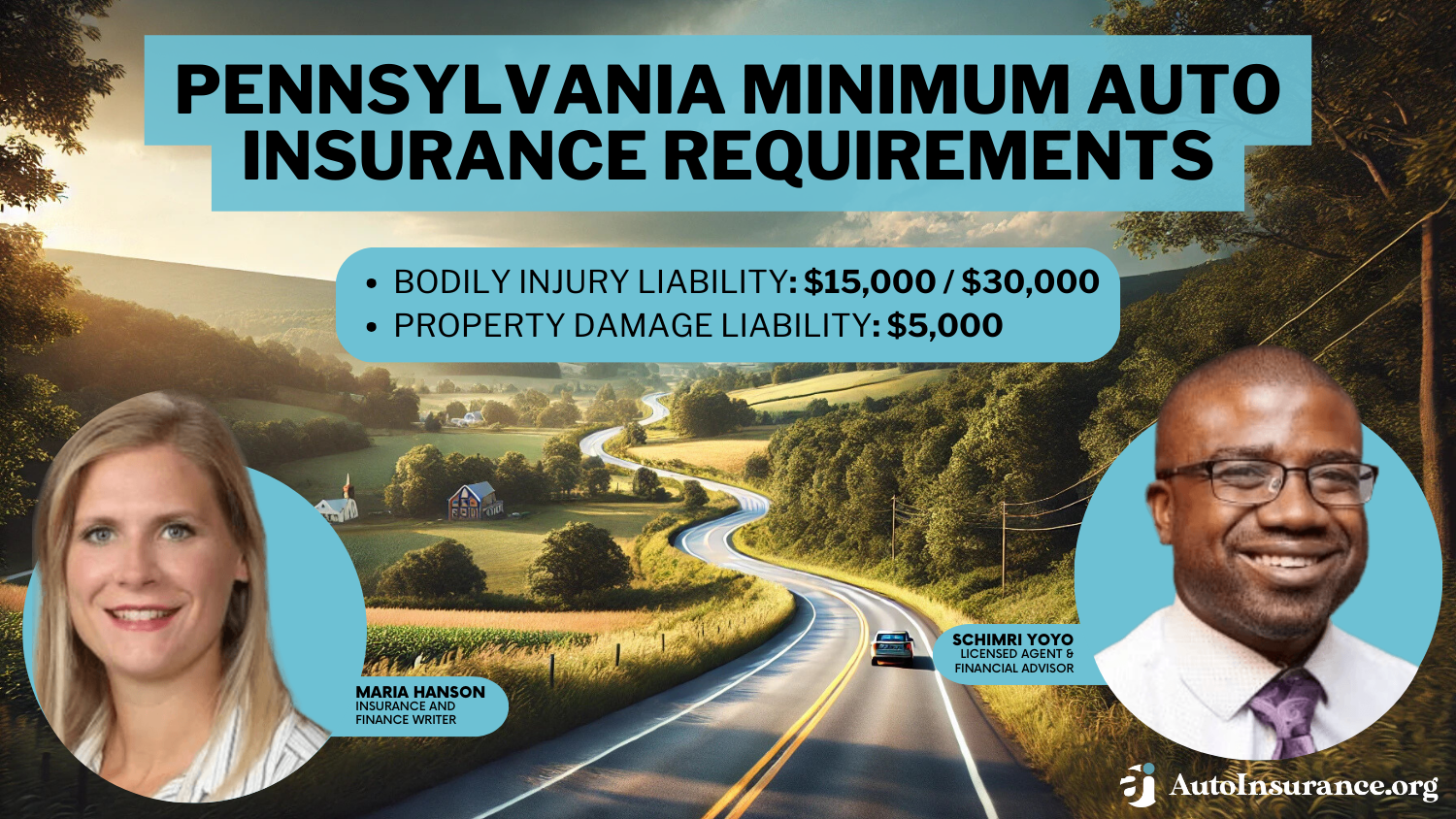
Under the Alabama Mandatory Liability Insurance Act, drivers in Alabama must carry minimum auto liability coverage of $25,000 for bodily injury per person, $50,000 for bodily injury per accident, and $25,000 for property damage (25/50/25). As rising accident repair and medical costs spark legislative discussions about increasing these statutory limits, maintaining adequate insurance is critical to prevent severe financial penalties and personal liability.
Understanding Alabama's Mandatory Liability Insurance (MLI) Standards
Alabama law requires every operator of a motor vehicle registered in the state to maintain minimum liability insurance coverage. Liability insurance does not pay for damage to your vehicle or injuries you sustain; rather, it pays for bodily injuries and property damage you cause to others in an automobile accident where you are at fault.
The statutory baseline for motor vehicle liability in Alabama, governed under Alabama Code § 32-7A-4, is structured using the standard split-limit format of 25/50/25:
- $25,000 Bodily Injury Limit per Person: The maximum amount your insurance company will pay for medical bills, lost wages, and pain and suffering experienced by a single individual injured in an accident you caused.
- $50,000 Bodily Injury Limit per Accident: The cumulative maximum limit your insurance policy will payout for bodily injuries across all individuals injured in a single collision event, regardless of the total number of victims.
- $25,000 Property Damage Limit per Accident: The total limit available to repair or replace vehicles, structural property, city infrastructure, or personal belongings damaged in a crash attributable to your negligence.
These minimum requirements apply to all personal passenger cars, light trucks, motorcycles, and commercial vehicles operating on public roads within Alabama. Evidence of insurance must be present in the vehicle at all times—either as a physical insurance card issued by an authorized insurance carrier or through an electronic image displayed on a smartphone.
Why Statutory Minimum Auto Liability Limits Are Under Scrutiny
Across the United States, auto insurance liability minimums have historically failed to keep pace with economic realties. In Alabama, the 25/50/25 limits established in past legislative updates face increasing scrutiny from consumer advocate groups, legal professionals, and regulatory authorities such as the Alabama Department of Insurance.
Factors Driving Liability Revision
| Factor | Economic / Practical Impact |
|---|---|
| Escalating Vehicle Replacement Cost | Average new vehicle price exceeds $47,000, making $25,000 property damage inadequate. |
| Severe Medical Care Inflation | Emergency treatment and surgical care easily surpass $25,000 per injured individual. |
| Multi-Vehicle Highway Collisions | A $50,000 cap per accident is quickly exhausted when multiple passengers sustain injuries. |
| Regional Statutory Harmonization | Surrounding states are modernizing limits to protect policyholders from civil judgments. |
The underlying drivers pushing lawmakers and policy experts to evaluate higher mandatory limits include:
1. Modern Vehicle Inflation and Advanced Technology
The average cost of a new passenger vehicle in North America has escalated significantly. Modern vehicles are equipped with complex sensor networks, advanced driver-assistance systems (ADAS), microprocessors, and specialized composite materials. Even minor fender-benders often require full recalibration of radar units and replacement of modular assemblies. A policy cap of $25,000 for property damage frequently falls short when a at-fault driver strikes a modern vehicle, creating an immediate coverage deficit.
2. Escalating Healthcare and Trauma Expenses
Medical transportation, emergency room care, diagnostic imaging (such as MRIs and CT scans), and outpatient rehabilitation costs have increased substantially. An emergency hospital stay following a highway collision can exceed $25,000 within hours. When multiple occupants in a single vehicle are injured, the aggregate bodily injury cap of $50,000 is rapidly exhausted, leaving the responsible driver personally liable for remaining medical bills.
3. Interstate Legislative Trends
Several states have recently passed legislation increasing their baseline split limits to 30/60/25, 50/100/25, or higher to reflect realistic post-accident losses. As regional insurers adjust underwriting models, Alabama policyholders are strongly advised by insurance specialists to carry limits well above the state legal minimum, regardless of whether statutory increases have taken full effect.
The Real Cost of Carrying Only Minimum Coverage in Alabama
Relying strictly on the minimum required legal coverage creates severe financial exposure for drivers in Alabama. When an accident occurs and damages exceed policy boundaries, the insurance company pays up to the legal policy limit and then exits the claim. The insured individual remains personally accountable for all excess amounts.
Alabama's Pure Contributory Negligence Rule
Understanding auto liability in Alabama requires recognizing the state's rare legal standard regarding personal injury litigation. Alabama is one of only five U.S. jurisdictions operating under the pure contributory negligence rule.
Under pure contributory negligence, if a claimant is found to have contributed even 1% to the cause of an accident, they are legally barred from recovering any monetary damages from the other party in a court of law. However, if you are determined to be 100% at fault for a collision, you bear total legal responsibility for all financial losses incurred by the injured parties.
Personal Asset Vulnerability
If an at-fault driver carrying 25/50/25 coverage causes an accident resulting in $75,000 in bodily injury to a single victim and $40,000 in total property damage, the financial shortfall is catastrophic:
- Bodily Injury Deficit: $75,000 (actual damage) − $25,000 (policy limit) = $50,000 out-of-pocket balance
- Property Damage Deficit: $40,000 (actual damage) − $25,000 (policy limit) = $15,000 out-of-pocket balance
- Total Personal Liability: $65,000
Under Alabama civil law, injured parties who obtain court judgments against an at-fault driver can enforce collection through:
- Wage Garnishment: A court-ordered deduction taken directly from an employee's paycheck until the debt is satisfied.
- Asset Seizure: Liquidation of personal bank accounts, non-exempt investments, and personal property.
- Real Estate Liens: Encumbrances placed on real property owned by the debtor, preventing sale or refinancing without settlement of the judgment.
Mandatory Verification and Penalties for Uninsured Driving
Alabama aggressively enforces its Mandatory Liability Insurance Act through an automated digital verification platform managed by the Alabama Department of Revenue (ALDOR) Motor Vehicle Division.
The Online Insurance Verification System (OIVS)
Alabama utilizes the Online Insurance Verification System (OIVS), which cross-references state vehicle registration records directly with national insurance databases. Insurers authorized to do business in Alabama are legally required to report policy activations, cancellations, lapses, and modifications to the OIVS.
ALDOR OIVS Enforcement Process
- State registration database queries insurer database via OIVS during registration, renewal, and random audits.
- Confirmation failure triggers automated Questionnaire mailed to registered owner (30-day response window).
- Failure to verify insurance yields mandatory suspension of vehicle registration & reinstatement fees.
When a vehicle owner registers a vehicle or renews license plates, county licensing officials execute an instant electronic verification check through OIVS. Additionally, ALDOR conducts random sampling audits throughout the registration year.
Statutory Penalties for Non-Compliance
Operating an uninsured vehicle or allowing a registration to remain active without valid liability insurance incurs significant penalties under Alabama law:
- First Offense:
- Vehicle registration suspension.
- Reinstatement fee of $500.
- Requirement to submit evidence of current, valid liability insurance (Form Mandatory Liability Insurance verification) before registration rights are restored.
- Second and Subsequent Offenses:
- Mandatory 4-month registration suspension.
- Reinstatement fee of $1,000.
- Requirement to maintain valid insurance and pay all applicable fees prior to reinstatement.
- Class C Misdemeanor Charges: Driving an uninsured vehicle can result in court fines up to $500 for a first offense and up to $1,000 plus driver's license suspension for subsequent offenses. Court costs and administrative processing fees are assessed separately.
- SR-22 Filing Requirement: Repeat offenders or drivers caught operating without insurance following an accident may be ordered to file an SR-22 certificate of financial responsibility. An SR-22 is a formal verification submitted by an insurer directly to the Alabama Department of Public Safety certifying that high-risk coverage is continuously maintained.
Comparing Liability Coverage Options: Minimums vs. High-Protection Limits
To determine the ideal protection level, drivers must compare mandatory state minimums against higher, commercially standard liability thresholds.
| Coverage Level | Split Limits (BI/BI Total/PD) | Annual Premium Impact (Est.) | Risk Protection Level | Target Demographic / Asset Profile |
|---|---|---|---|---|
| State Statutory Minimum | $25,000 / $50,000 / $25,000 | Baseline Low Cost | High Risk / Minimal Protection | Drivers with minimal personal assets or older vehicles |
| Moderate Protection | $50,000 / $100,000 / $50,000 | +15% to +25% over minimum | Moderate Protection | Vehicle owners seeking balanced protection against routine claims |
| Recommended Standard | $100,000 / $300,000 / $100,000 | +35% to +50% over minimum | High Financial Security | Homeowners, wage earners with modest savings, multi-car households |
| High Net-Worth Protection | $250,000 / $500,000 / $100,000 (+ $1M Umbrella) | +60% to +90% over minimum | Complete Asset Shielding | High-income earners, real estate owners, business owners |
Analyzing the Premium-to-Coverage Ratio
Increasing liability coverage from the mandatory 25/50/25 minimum to 100/300/100 does not quadruple your auto insurance premium. Because policy pricing is weighted heavily toward base administrative costs, risk factors, driver record, and physical damage coverages (comprehensive and collision), quadrupling your liability limit typically increases total policy premiums by only a fraction of the overall cost.
Essential Supplemental Coverages in Alabama
Relying solely on mandatory bodily injury and property damage liability leaves critical coverage gaps. Alabama drivers should consider several essential additions to construct a complete policy profile:
Uninsured / Underinsured Motorist (UM/UIM) Coverage
Alabama law (Code of Alabama § 32-7-23) requires auto insurance companies to include Uninsured/Underinsured Motorist (UM/UIM) coverage on every liability policy issued, with limits equal to the policy’s liability limits.
Although policyholders have the legal right to reject UM/UIM coverage in writing, doing so is highly risky. Alabama consistently ranks among the states with elevated rates of uninsured motorists. If an uninsured or hit-and-run driver injures you, or if an at-fault driver's policy limits are insufficient to cover your medical losses, UM/UIM steps in to pay for your bodily injuries, lost wages, and medical care.
Policy Stacking Rules in Alabama
Alabama allows policyholders to stack Uninsured Motorist benefits under specific conditions. If an individual insures multiple vehicles on a single policy or under separate policies within the same household, they may combine (stack) the UM limit per vehicle—up to a maximum of three vehicles per policy—to increase total available coverage following a serious collision.
Medical Payments (MedPay) Coverage
Medical Payments coverage is an optional add-on that pays for immediate medical and funeral expenses for you and your passengers following an accident, regardless of who was at fault. MedPay provides immediate liquidity to pay health insurance deductibles and copays without waiting for third-party liability investigations to conclude.
Physical Damage Coverages: Comprehensive and Collision
Third-party liability insurance never repairs your own automobile. To protect against physical loss to your vehicle, policies must incorporate:
- Collision Coverage: Pays to repair or replace your vehicle if it collides with another car, a tree, a guardrail, or experiences a rollover.
- Comprehensive Coverage: Pays for loss or damage resulting from events other than collisions, such as theft, vandalism, hail, falling trees, animal strikes (e.g., hitting a deer), or flooding.
Practical Strategies for Alabama Drivers to Manage Premium Costs
While increasing liability limits provides essential protection, higher limits do not have to result in unmanageable policy premiums. Drivers can employ several practical strategies to control insurance costs in Alabama:
Premium Management Checklist
- Request Multi-Policy Discounts (Bundle Auto with Homeowners or Renters)
- Enroll in Carrier Telematics / Driving Behavior Tracking Programs
- Select Higher Physical Damage Deductibles ($500 -> $1,000)
- Complete an Approved Defensive Driving / Accident Prevention Course
- Maintain Continuous Liability Insurance without Lapse Windows
- Periodically Compare Quotes Across Independent Insurance Agencies
1. Bundle Policies (Multi-Policy Discount)
Combining private passenger auto coverage with homeowners, condo, or renters insurance with the same carrier yields substantial savings. Policy bundling often yields discounts ranging from 10% to 20% across both policies.
2. Leverage Telematics and Defensive Driving
Most major carriers operating in Alabama offer voluntary telematics programs. By installing a smartphone app or OBD-II plug-in device that monitors braking, acceleration, speed, and night driving, safe drivers can earn significant policy discounts. Completing an Alabama-approved defensive driving course can also secure premium reductions for eligible drivers.
3. Adjust Physical Damage Deductibles
Increasing comprehensive and collision deductibles from $250 or $500 to $1,000 significantly lowers annual comprehensive and collision premiums. Ensure that you hold sufficient cash reserves in an emergency fund to cover the chosen deductible if a loss occurs.
4. Prevent Coverage Lapses
Maintaining continuous liability insurance is vital. Insurance carriers place drivers with policy lapses in high-risk rating tiers, causing rates to spike significantly upon re-application. If you plan to store a vehicle, maintain continuous liability or register the vehicle officially as stored according to ALDOR guidelines to preserve a clean insurance history.
Frequently Asked Questions (FAQs)
What are the mandatory minimum auto liability limits in Alabama?
Alabama law mandates minimum auto liability coverage of 25/50/25 ($25,000 for bodily injury per person, $50,000 for bodily injury total per accident, and $25,000 for property damage per accident). All motor vehicles registered and driven on public roadways in Alabama must maintain this coverage through an insurer licensed to conduct business in the state.
How does Alabama verify that drivers maintain valid auto insurance?
Alabama uses the electronic Online Insurance Verification System (OIVS) managed by the Department of Revenue. The system automatically cross-references vehicle registration files with insurance company records during registration renewals and random periodic audits. Insurance companies must report policy statuses directly to OIVS.
What happens if I am caught driving without mandatory auto liability insurance in Alabama?
Driving without insurance in Alabama results in vehicle registration suspension and mandatory reinstatement fees of $500 for a first offense or $1,000 for subsequent offenses, alongside a mandatory 4-month registration suspension for second and repeat violations. Additionally, drivers face court fines, court costs, and potential driver's license suspension.
Is $25,000 in property damage liability enough coverage in Alabama?
In most real-world collisions involving modern vehicles, $25,000 is insufficient. The average price of new vehicles often exceeds $45,000, and multi-vehicle collisions quickly cause total damages above $25,000. If repair or replacement costs exceed your policy limit, you are personally responsible for the remaining financial balance.
Can I stack Uninsured Motorist (UM) coverage in Alabama?
Yes, Alabama law allows policyholders to stack Uninsured Motorist (UM) coverage across multiple vehicles under qualifying circumstances. Up to three vehicles insured on a single policy (or across household policies) can generally be stacked, effectively multiplying your single-vehicle UM limit to cover serious personal injuries.
Does minimum liability coverage pay for repairs to my own car after an accident?
No, minimum auto liability insurance only covers bodily injury and property damage that you inflict on other parties in an accident where you are legally at fault. To cover damages to your own vehicle, you must add collision and comprehensive insurance coverages to your policy.
Strategic Next Steps for Policyholders
To ensure your vehicle remains legally compliant and your personal financial assets remain protected under Alabama law, complete the following actions:
- Audit Your Declarations Page: Review your policy's coverage limits. If your liability limits are set at the state minimum of 25/50/25, request quotes from your carrier to increase your limits to at least 100/300/100.
- Verify UM/UIM Coverage: Ensure you have not inadvertently waived Uninsured/Underinsured Motorist protection. Align your UM/UIM limits with your bodily injury liability limits.
- Confirm ALDOR OIVS Compliance: Ensure that the Name, Date of Birth, Vehicle Identification Number (VIN), and Policy Number on your insurance card match your Alabama vehicle registration records exactly to avoid automated OIVS audit mismatches.
- Explore Bundling and Discounts: Contact an independent insurance agent or your existing insurance representative to review available telematics, multi-policy, and paperless discounts to offset the cost of higher liability limits.
Disclaimer: This article is for informational purposes only and does not constitute formal legal or professional financial advice. Auto insurance laws, statutory requirements, and administrative procedures are subject to legislative change. For specific legal guidance regarding collision liability, contact a licensed attorney in Alabama; for policy adjustments, consult a licensed insurance broker.