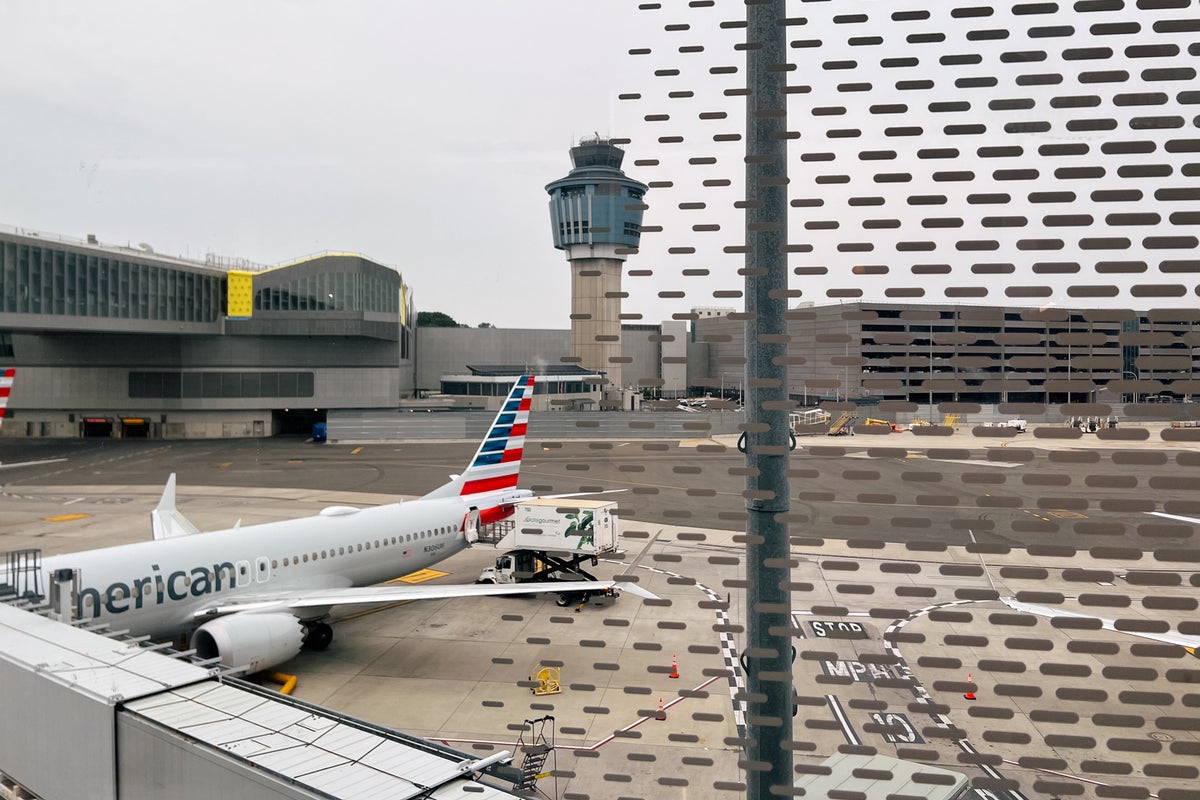
Navigating the expansive landscape of the "Treasure State" requires a clear understanding of its aviation network. As of 2026, Montana is served by a mix of major legacy carriers like Delta, United, and American Airlines, alongside low-cost giants like Southwest and Allegiant. Regional connectivity is further bolstered by Essential Air Service (EAS) providers such as Cape Air, ensuring that even the most remote communities maintain vital links to major metropolitan hubs.
The Landscape of Montana Aviation in 2026
Montana’s vast geography—covering over 147,000 square miles—makes air travel not just a luxury, but a logistical necessity for business, tourism, and healthcare. The state's aviation industry has seen significant transformation over the last decade, transitioning from a region served primarily by small turboprops to one that accommodates heavy narrow-body jet traffic from the nation's largest carriers.
In 2026, the primary gateways to Montana are centered around its "Big Seven" airports: Bozeman, Billings, Missoula, Kalispell, Great Falls, Helena, and Butte. While Bozeman Yellowstone International Airport (BZN) continues to hold its position as the busiest hub in the state, Billings Logan International (BIL) remains a critical secondary pillar for both passenger and cargo traffic. The entry of Southwest Airlines several years ago fundamentally shifted the pricing dynamics in the region, introducing competitive "Southwest Effect" pricing that has made flying into the Rockies more accessible than ever before.
Major Legacy Carriers and Their Hub Connections
The backbone of Montana’s air service is provided by the "Big Three" legacy carriers and Alaska Airlines. These airlines utilize a hub-and-spoke model, connecting Montana’s regional airports to major international gateways.
Delta Air Lines
Delta remains a dominant force in Montana, particularly through its heavy presence in Salt Lake City (SLC) and Minneapolis-St. Paul (MSP). For travelers in Southern and Western Montana, Delta often provides the most frequent daily frequencies.
- Key Routes: Non-stop service from Bozeman, Billings, Missoula, and Kalispell to SLC, MSP, and increasingly, Seattle-Tacoma (SEA).
- Operational Depth: Delta’s reliance on both mainline aircraft (like the Airbus A321) and regional partners (SkyWest operating as Delta Connection) allows it to scale capacity based on seasonal demand, which peaks during the summer and ski seasons.
United Airlines
United Airlines leverages its massive hubs in Denver (DEN) and Chicago (ORD) to funnel traffic into Montana. Denver serves as the primary "mountain hub," offering the shortest connection times for travelers coming from the West Coast or the Southwest.
- Key Routes: United provides year-round service to Denver from almost all major Montana airports. During peak seasons, it expands direct service to San Francisco (SFO), Houston (IAH), and Newark (EWR) to accommodate tourists visiting Yellowstone and Glacier National Parks.
American Airlines
American Airlines has significantly expanded its footprint in Montana to compete for the growing number of remote workers and luxury travelers moving to the state. By focusing on its Dallas/Fort Worth (DFW) and Phoenix (PHX) hubs, American provides essential North-South connectivity.
- Key Routes: Consistent daily service from Bozeman, Billings, and Kalispell to DFW and Chicago (ORD). Seasonal routes often include Charlotte (CLT) and Los Angeles (LAX).
Alaska Airlines
While technically a major carrier, Alaska Airlines operates with a focus on the Pacific Northwest. For Montanans, Alaska is the premier choice for reaching Seattle (SEA) and Portland (PDX).
- Regional Impact: Alaska’s "Horizon Air" subsidiary operates many of these routes using the Embraer 175, a jet praised for its lack of middle seats and comfortable regional configuration.
The Growth of Low-Cost and Ultra-Low-Cost Carriers (LCC/ULCC)
The arrival and expansion of low-cost carriers have been the most significant catalysts for lower airfares in Montana. These airlines typically offer point-to-point service rather than hub-based connections.
Southwest Airlines
Southwest’s entry into the Montana market (specifically Bozeman and Billings) changed the competitive landscape. By offering two free checked bags and no change fees, Southwest forced legacy carriers to lower their "Basic Economy" fares to stay competitive. In 2026, Southwest continues to serve Montana with multiple daily flights to Denver (DEN) and Las Vegas (LAS), with seasonal "sun" routes to places like Phoenix or California.
Allegiant Air
Allegiant specializes in "leisure-focused" travel. They often fly only two or three times a week to specific destinations, targeting vacationers rather than business travelers.
- Destinations: Allegiant connects Missoula, Billings, Bozeman, and Kalispell to secondary markets like Las Vegas (LAS), Phoenix-Mesa (AZA), and Los Angeles (LAX). Their low base fares are attractive, but travelers should be mindful of add-on fees for seats and baggage.
Sun Country and Frontier
Sun Country often provides seasonal service between Minneapolis (MSP) and Montana’s resort towns, while Frontier occasionally enters the market with hyper-low-cost seats to Denver, though their schedule in Montana remains more volatile compared to the legacy carriers.
Regional Connectivity: The Role of Cape Air
Montana's "Eastern Front" and its smaller rural communities rely heavily on Cape Air. Under the federal Essential Air Service (EAS) program, the government subsidizes flights to ensure that smaller towns remain connected to the national air transportation system.
Cape Air operates a fleet of twin-engine Cessna 402s and Tecnam P2012 Travellers. These aircraft are smaller, often seating only nine passengers, providing a unique "bush pilot" feel with professional, commercial-grade safety standards.
- Small Town Hubs: Cape Air connects towns like Sidney, Wolf Point, Glasgow, Havre, and Glendive to Billings Logan International.
- Connecting to the World: Through interline agreements with United and American, passengers can book a single ticket from a tiny airstrip in Eastern Montana all the way to an international destination, with baggage transferred automatically in Billings.
Major Montana Airports: Capabilities and Services
To understand the airlines, one must understand the ports they serve. Montana’s airports have undergone massive renovations to keep up with the 2026 passenger volumes.
| Airport Code | Airport Name | Primary City | Major Carriers | Key Hub Connections |
|---|---|---|---|---|
| BZN | Bozeman Yellowstone Intl | Bozeman / Belgrade | Delta, United, American, Southwest, Alaska, Allegiant | DEN, SLC, MSP, DFW, SEA, ORD |
| BIL | Billings Logan Intl | Billings | Delta, United, American, Southwest, Alaska, Cape Air | DEN, SLC, MSP, DFW, SEA |
| MSO | Missoula Montana Airport | Missoula | Delta, United, American, Alaska, Allegiant | SLC, DEN, MSP, DFW, SEA |
| FCA | Glacier Park Intl | Kalispell | Delta, United, American, Alaska, Allegiant, Sun Country | SEA, SLC, DEN, MSP, DFW |
| GTF | Great Falls Intl | Great Falls | Delta, United, Alaska, Allegiant | SLC, DEN, MSP, SEA |
| HLN | Helena Regional | Helena | Delta, United, Alaska | SLC, DEN, SEA |
| BTM | Bert Mooney Airport | Butte | Delta (SkyWest) | SLC |
Bozeman Yellowstone International (BZN)
BZN is the undisputed leader in Montana aviation. Located in Belgrade, it serves as the gateway to Yellowstone National Park’s north entrance and the Big Sky Resort. In 2026, the airport features a modern, lodge-style terminal with expanded gate capacity to handle the influx of Boeing 737 and Airbus A321 aircraft.
Billings Logan International (BIL)
Billings serves as the commercial hub for Eastern Montana and Northern Wyoming. Its unique location on "The Rims" (sandstone cliffs) provides a dramatic approach. BIL is particularly important for regional medical travel and acts as the primary hub for Cape Air’s EAS operations.
Glacier Park International (FCA)
Located in Kalispell, this airport sees massive seasonal swings. In the summer, it is one of the busiest airports for its size in the country as tourists flock to Glacier National Park. The airport completed a major terminal expansion in recent years to better manage the summer "crush" of passengers.
Seasonal Dynamics and Winter Operations
Flying in Montana requires an understanding of the state's rigorous climate. Airlines operating in Montana are experts in winter operations, but travelers must still account for the "Big Sky" weather.
The Impact of Winter Weather
Between November and April, de-icing operations are a standard part of every flight departure. Montana airports are equipped with advanced snow removal equipment, and it is rare for an airport to close entirely. However, high winds in places like Great Falls and Livingston, or heavy mountain snow in Kalispell, can lead to delays.
- Pro Tip: When booking winter travel, always opt for the first flight of the morning. These aircraft usually arrive the night before, meaning you aren't waiting for an inbound flight that might be delayed by weather elsewhere.
Summer Peak and Booking Windows
Tourism is Montana’s secondary economy. During the "Peak Summer" (July and August), flight prices can triple. To secure reasonable fares on airlines like Delta or Alaska during this window, it is often necessary to book at least four to six months in advance. Conversely, the "shoulder seasons" (May/June and September/October) offer the best balance of pleasant weather and lower airfares.
Cost Considerations and Fare Structures
Montana has historically been one of the most expensive states to fly into due to low competition and high operating costs. However, the 2026 landscape is more varied.
- Hub Premiums: Flying non-stop into a major hub like Bozeman often carries a premium. Sometimes, flying into a nearby airport like Butte or Helena and driving 90 minutes can save hundreds of dollars.
- Basic Economy vs. Main Cabin: Given the likelihood of winter weather delays, purchasing a "Main Cabin" fare (which allows for easier flight changes) is generally recommended over "Basic Economy" when traveling to Montana.
- Regional Jets vs. Mainline: Be aware that many flights into Montana are operated by regional partners (like SkyWest, Horizon, or Republic). These planes have smaller overhead bins; if you are carrying a full-sized "carry-on" suitcase, you will likely be required to "gate-check" it on smaller CRJ-700 or ERJ-175 aircraft.
Frequently Asked Questions
Which airline offers the most flights to Montana?
As of 2026, Delta Air Lines and United Airlines generally offer the highest frequency of daily flights, primarily because they serve almost all of the "Big Seven" airports in the state. Delta dominates the southern and eastern corridors via Salt Lake City and Minneapolis, while United dominates the central and western corridors via Denver.
Are there direct flights from the East Coast to Montana?
Yes, but many are seasonal. Direct flights from Newark (EWR), Charlotte (CLT), and New York (JFK) to Bozeman (BZN) and Kalispell (FCA) typically run during the peak summer and winter ski seasons. Year-round direct service from the East Coast is less common, usually requiring a connection in Chicago, Denver, or Minneapolis.
What is the cheapest airport to fly into in Montana?
Bozeman (BZN) and Billings (BIL) are typically the most affordable due to the presence of Southwest Airlines and Allegiant Air. The increased competition among carriers at these locations keeps prices lower than at smaller regional airports like Helena or Butte, where only one or two carriers operate.
Does Southwest fly to all Montana airports?
No. In 2026, Southwest Airlines primarily serves Bozeman (BZN) and Billings (BIL). While there is persistent interest in Missoula (MSO), the airline focuses its Montana resources on the state's two largest population and tourism centers.
How early should I arrive at Montana airports?
Despite their relatively small size, Montana airports can get extremely congested during peak tourist seasons. For a morning departure in July from Bozeman or Kalispell, arriving 2 hours before departure is recommended. During the off-season, 90 minutes is usually sufficient for most regional airports.
Practical Recommendation for Travelers
For the best experience flying in Montana in 2026, leverage Bozeman (BZN) as your primary search point but always check Billings (BIL) and Missoula (MSO) as alternatives if your destination is flexible. If you are traveling for a ski trip or a national park visit, book your flights and rental cars simultaneously; in Montana, rental car availability often evaporates faster than flight seats. Finally, if you are heading to a rural community in the eastern half of the state, don't overlook the reliability of Cape Air for a seamless connection from Billings.