In the United States, there is no single federal law dictating a minimum age to own a bank account, though most financial institutions require individuals to be at least 18 to open an account independently. Minors under 18 generally must open a joint account with a parent or legal guardian, who remains legally responsible for the funds and the account’s activity.
The Legal Framework of Banking for Minors
The landscape of banking for individuals under the age of 18 is governed by a combination of state laws regarding the capacity to enter into contracts and the internal policies of individual banking institutions. In general, a contract—including a bank account agreement—requires the participant to be a legal adult. This is why a minor cannot typically walk into a bank and open a checking or savings account solo.
Because minors generally lack the legal capacity to enter into binding financial contracts, banks require a co-signer or a joint account holder who has reached the age of majority. This individual is typically a parent or legal guardian. The role of the adult is to act as the legal owner of the account, ensuring that if the account accrues fees, suffers from overdrafts, or faces legal disputes, there is an adult legally tethered to the responsibility.
Types of Accounts Available by Age
As children and teenagers grow, financial institutions offer tiered products designed to match their level of financial maturity. Understanding these tiers is essential for parents looking to introduce their children to banking.
Custodial Accounts
Often established under the Uniform Gifts to Minors Act (UGMA) or the Uniform Transfers to Minors Act (UTMA), these are specialized accounts designed to hold assets for a minor. Unlike a standard joint savings account, a custodial account is technically owned by the minor, but managed by a custodian (the adult) until the child reaches a specific age—often 18 or 21, depending on the state. These are primarily for long-term savings or investment rather than daily spending.
Joint Student Accounts
For teenagers, banks often provide joint accounts that function like standard checking accounts but include parental oversight. These accounts are usually available once a child reaches the age of 13 or 14, depending on the bank. They allow the teenager to have their own debit card and mobile app access, while the parent maintains visibility into transactions and can set spending limits.
Solo Accounts for Adults
Once an individual turns 18, they reach the legal age of majority in almost all U.S. states. At this point, the individual can open a bank account entirely in their own name without the need for a co-signer. This is a significant milestone in financial independence, granting the individual full control over their assets and legal liability for the account.
Documentation Requirements for Opening an Account
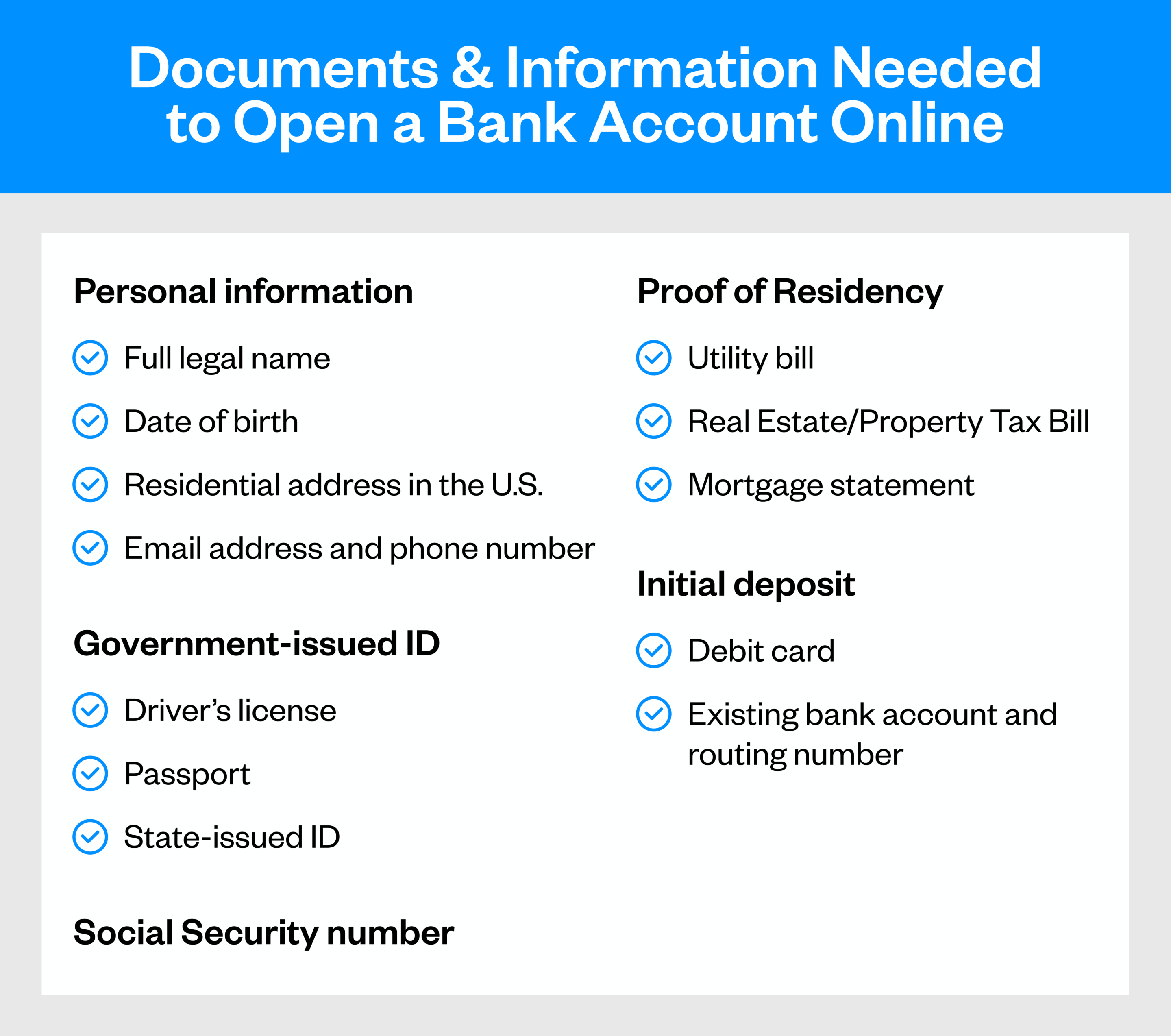
Regardless of the age of the account holder, banks are bound by the USA PATRIOT Act. This legislation mandates that financial institutions verify the identity of every person who opens an account. When opening an account for a minor, the documentation requirements are more stringent because both the child and the adult must be verified.
- Proof of Identity for the Adult: A government-issued photo ID, such as a driver’s license, state ID card, or passport.
- Proof of Identity for the Minor: A Social Security card or birth certificate is typically required. In some cases, a student ID may be accepted, but this varies by institution.
- Proof of Residency: Utility bills or other official documents showing the address of the joint account holder.
- Tax Identification: The Social Security Number (SSN) of both the primary and joint account holder.
It is advisable to check with the specific branch or online portal beforehand, as internal requirements can vary significantly between traditional brick-and-mortar banks, credit unions, and digital-only neo-banks.
Comparing Banking Options for Minors
| Account Type | Minimum Age | Ownership Structure | Primary Purpose |
|---|---|---|---|
| Joint Savings | 0+ (with parent) | Shared | Basic savings, goal setting |
| Student Checking | 13–16 | Joint | Daily spending, debit card use |
| Custodial (UGMA/UTMA) | 0+ (with custodian) | Minor (managed) | Long-term asset holding |
| Individual Account | 18 | Individual | Full financial autonomy |
Navigating the Transition to Independence
The process of moving from a joint account to an individual account is not always automatic. When a teenager turns 18, many banks do not automatically convert a joint student account into a standard individual account. In most cases, the account holder must contact the bank upon reaching their 18th birthday to remove the parent or guardian from the account.
This transition period is an ideal time for parents and young adults to review the account features. Many student-oriented accounts have different fee structures than adult accounts. An account that was free of monthly maintenance fees for a teenager might incur costs once the account holder is no longer classified as a student or a minor. Transitioning to an individual account allows the young adult to choose a banking product that better fits their post-high school needs, whether that involves a high-yield savings account or an account with a robust mobile banking suite for college expenses.
Common Pitfalls and Troubleshooting
One of the most frequent challenges parents encounter is the inability to link a minor’s account to their own existing bank accounts for seamless transfers. While many institutions allow this, some have restrictive policies regarding cross-account transfers.
Overdraft Issues: If a teenager uses a debit card, they may inadvertently spend more than the available balance. While the Consumer Financial Protection Bureau (CFPB) has encouraged banks to limit overdraft fees for young account holders, it is essential to discuss the mechanics of "available balance" versus "current balance" with a teenager to prevent them from incurring fees that fall under the adult co-signer's responsibility.
Forgotten Documents: Attempting to open an account without an original Social Security card or birth certificate often leads to a failed application. Always carry original documents rather than photocopies when visiting a branch, as bank compliance officers are rarely authorized to accept uncertified copies.
Digital Accessibility: Many modern digital banks offer accounts for minors but may restrict the functionality of the mobile app. Before choosing a provider, determine whether the child will have full access to features like Peer-to-Peer (P2P) payments or mobile check deposits, as these are sometimes disabled for minors to prevent unauthorized financial activity.
Frequently Asked Questions
Can a 16-year-old open a bank account alone? Generally, no. Because a 16-year-old is a minor in most jurisdictions, they cannot enter into a legal contract independently. They must have a parent or guardian open the account as a joint holder.
What happens to a custodial account when the child turns 18? The assets officially transfer to the child's control once they reach the age of majority specified by the state (often 18 or 21). At this point, the custodian no longer has legal authority over the funds, and the child can decide how to use or move the money.
Are there fees for opening a minor's bank account? Many banks offer "student" or "minor" accounts that have no monthly maintenance fees and no minimum balance requirements. However, it is essential to review the specific fee schedule of the institution, as some may charge fees for inactivity or if the account transitions to a standard adult product.
Do I need to be a U.S. citizen to open a bank account for my child? Not necessarily, but you must generally have a valid taxpayer identification number (such as an SSN or ITIN) and a physical address in the United States. Many banks also require a passport or another form of government-issued identification to satisfy "Know Your Customer" (KYC) regulations.
Can I open an account for my child online? Yes, many banks now allow for the digital opening of custodial or joint accounts. You will typically be required to upload photos of the necessary identification documents and complete the verification process through the bank’s secure portal or mobile application.
Recommended Next Steps
If you are looking to open an account for a minor, start by assessing your family’s specific goals. If the objective is to teach basic budgeting, a joint student checking account is the most practical choice. If the goal is long-term wealth building, consult with a financial advisor about the tax implications of custodial accounts (UGMA/UTMA) versus 529 education savings plans.
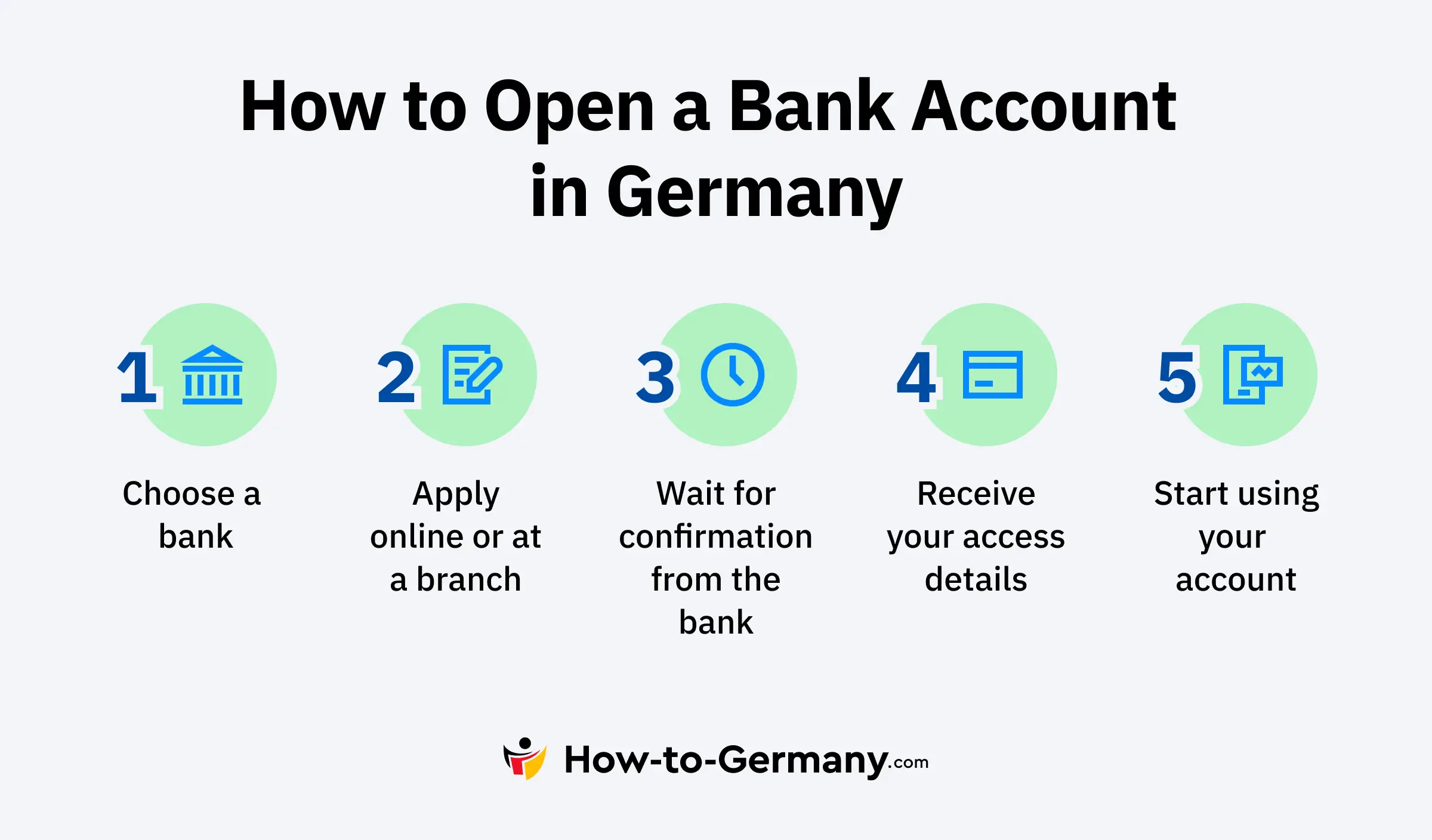
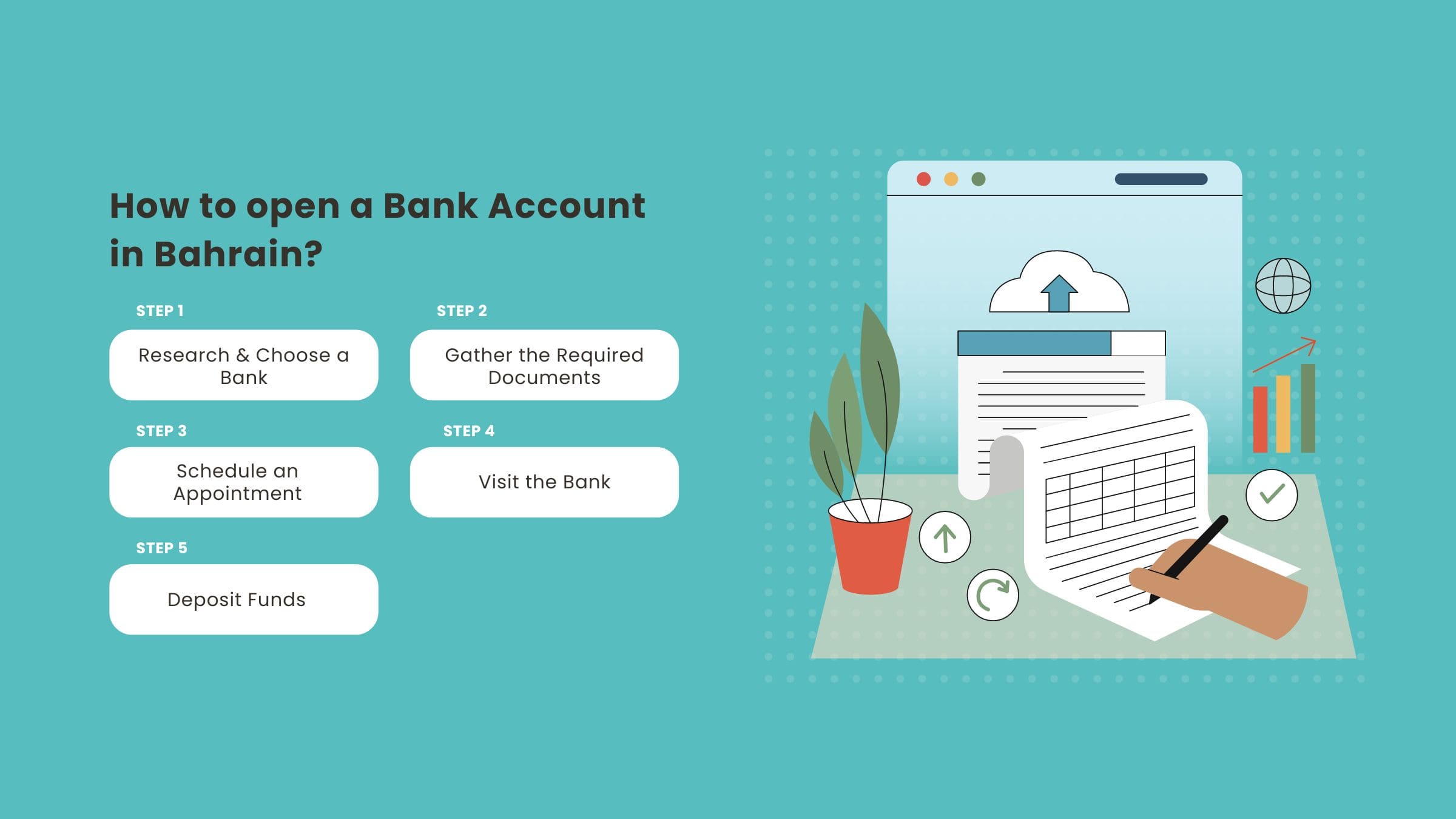
Once you have identified the type of account, visit the websites of three different banks or credit unions to compare their fee schedules and digital tools. Prioritize institutions that offer "educational" interfaces or robust parental controls. Finally, schedule an appointment at the nearest branch or prepare your documentation for an online application, ensuring both the parent and the minor are present or have their identities verified during the process.