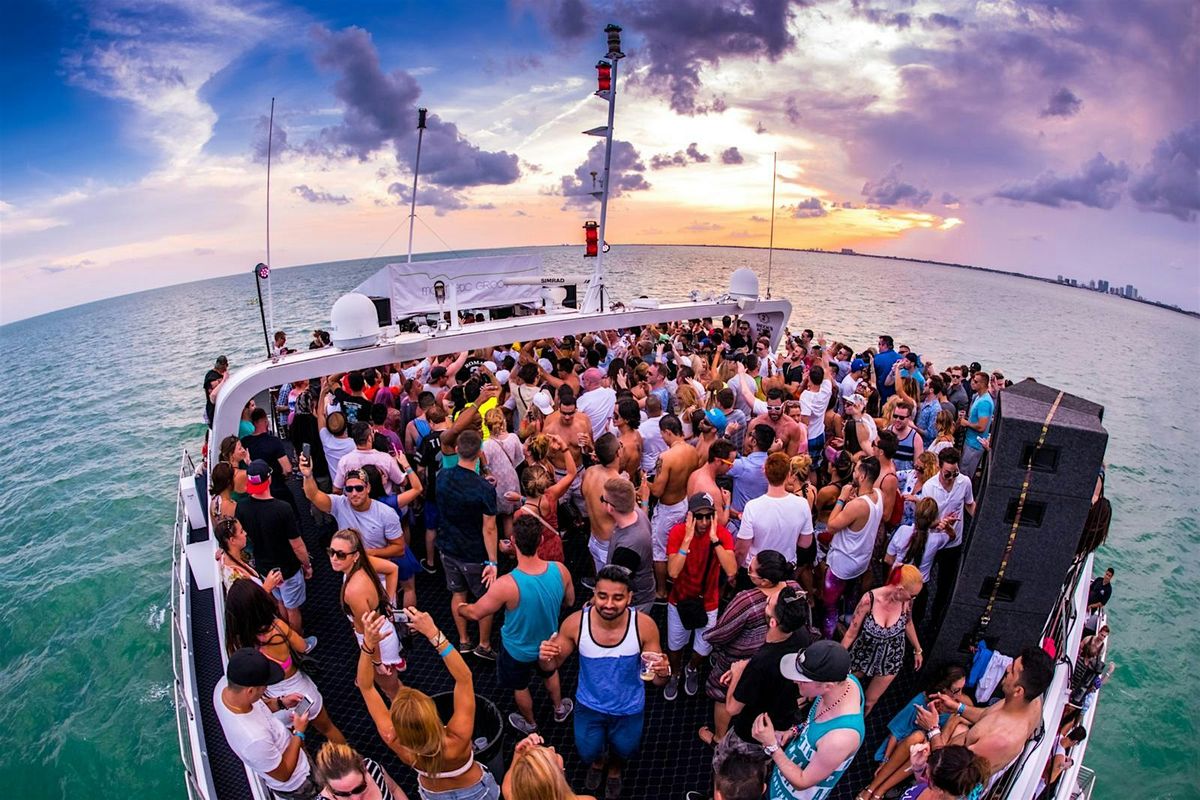
Miami’s nightlife is a global cultural phenomenon defined by open-air terraces, world-class DJs, theatrical production value, and distinct neighborhood identities that range from the neon-lit art deco glamour of South Beach to the industrial warehouse energy of Wynwood and the high-rolling sophistication of Brickell. Choosing where to spend an evening in Florida’s magic city requires understanding that venues are rarely one-size-fits-all; door policies, musical curation, dress codes, and operational hours vary dramatically depending on the venue's specific geographic pocket.
Evaluating the top nightlife destinations in Miami involves looking past the marketing hype to examine acoustic profiles, crowd dynamics, entry logistics, and structural layouts. Whether you are seeking a sprawling mega-club with festival-tier production or an intimate, high-energy lounge focused on deep house and disco, navigating the city's premier nocturnal landscape demands a strategic approach to reservations, timing, and venue etiquette.
Understanding Miami’s Nightlife Ecosystem
Before diving into specific venues, it is vital to understand how Miami's nightlife functions structurally. The city operates under two primary nightlife hubs: Miami Beach (specifically South Beach) and the Miami mainland (Downtown, Wynwood, and Brickell).
Miami Beach venues generally lean heavily into high-fashion aesthetics, bottle-service culture, and commercial or open-format dance music, though underground pockets certainly exist. On the mainland, the scene shifts toward industrial conversions, massive multi-room warehouse complexes, and rooftop lounges catering to locals, international jet-setters, and electronic music purpurists.
Door Policies and Dress Codes
Securing entry into top-tier Miami venues is notoriously competitive. Door staff evaluate patrons based on dress codes that lean upscale-chic or strict resort-casual.
- For Men: Collared shirts, designer jeans or tailored trousers, and clean, high-end fashion sneakers or dress shoes are standard. Beachwear, athletic shorts, flip-flops, and overly baggy streetwear will result in immediate denial at most premiere locations.
- For Women: Upscale nightlife attire, cocktail dresses, and fashionable footwear are heavily favored.
Reservations and advance table bookings dramatically streamline entry, though general admission (GA) lines remain viable if patrons arrive early (typically before 11:00 PM) or purchase advance tickets for ticketed DJ events.
The 7 Best Nightlife Venues in Miami
The following selection highlights the definitive institutions and contemporary heavyweights shaping Miami's evening and late-night culture.
| Venue Name | Primary Location | Musical Focus | Vibe / Atmosphere |
|---|---|---|---|
| E11EVEN Miami | Downtown | Open-Format / EDM | 24/7 Ultra-Club |
| LIV Nightclub | Miami Beach | Commercial / EDM / Hip-Hop | Iconic VIP Glitz |
| Space (Club Space) | Downtown | Techno / House | Legendary Marathon |
| Floyd | Downtown | Indie / Deep House / Live | Intimate Speakeasy |
| Do Not Sit On The Furn | South Beach | Underground House | Bohemian & Deep |
| MAD Club Miami | Wynwood | Hip-Hop / Reggaeton | High-Energy Surreal |
| Treehouse | South Beach | Underground Tech-House | Warehouse Intimacy |
1. E11EVEN Miami
Operating as a hybrid ultra-club, cabaret, and 24/7 entertainment facility, E11EVEN Miami has dominated Downtown’s nocturnal landscape since its opening. It is famously one of the few venues in the world licensed to sell alcohol around the clock, though standard club programming peaks between midnight and the early morning hours.
- Atmosphere and Production: The venue boasts state-of-the-art Meyer Sound systems, immersive LED video walls, aerialists, contortionists, and theatrical stage performers integrated directly into the dance party.
- Crowd and Logistics: Expect a high-spending, high-energy crowd ranging from celebrities and athletes to bachelor parties and tourists. Table service is the primary operational focus, meaning general admission lines can experience significant wait times during peak hours (1:00 AM to 3:00 AM).
2. LIV Nightclub
Located inside the historic Fontainebleau Miami Beach, LIV is arguably the most famous nightclub in South Florida. Originally conceptualized by Miami nightlife impresario Dave Grutman, LIV merges the architectural grandeur of a luxury hotel with the high-octane energy of a Las Vegas mega-club.
- Layout and Design: The venue features a sweeping dome ceiling, massive custom kinetic light fixtures, private VIP skyboxes, and a circular central dance floor flanked by VIP tables.
- Music and Talent: LIV books the world's highest-paid resident and guest DJs, alongside live hip-hop performances by major recording artists. Because of its legendary status, competition for tables is fierce, and door staff enforce strict guest-list and dress-code criteria.
3. Club Space
For electronic music purpurists, Club Space in Downtown’s Park West district is a sacred institution. Known globally for pioneering marathon day-to-night parties, Space is where clubgoers transition from Saturday night dancing into Sunday afternoon rooftop sessions under the Miami sun.
- The Experience: The venue is split into multiple distinct zones: the sprawling indoor Terrace (where the legendary sunrise sets occur), the ground-floor Ground control room, and the outdoor Loft.
- Musical Curation: Space focuses almost exclusively on world-class underground house and techno. International headliners frequently play extended sets lasting four to eight hours. Dress code here is notably more relaxed and fashion-forward/creative compared to South Beach, prioritizing comfort for endurance dancing.
4. Floyd Miami
Situated directly adjacent to Club Space, Floyd serves as its sophisticated, intimate counterpart. While Space delivers high-volume warehouse energy, Floyd channels the vibe of a bohemian listening room and vintage cocktail lounge.
- Ambiance: Decorated with rich leather booth seating, antique rugs, and warm amber lighting, Floyd offers patrons a place to decompress without escaping the music.
- Programming: The venue hosts local and touring indie bands, jazz ensembles, deep house DJs, and vinyl-only listening sessions. It also features an exceptional craft cocktail program curated by veteran mixologists, making it an ideal starting or ending point for a night out in Downtown.
5. Do Not Sit On The Furniture
Tucked away on Lincoln Road in South Beach, Do Not Sit On The Furniture rejects the glitzy, high-table-minimum culture of its immediate surroundings in favor of an intimate, community-driven underground house music haven.
- Concept: Founded by producer and DJ Beto Pires, the venue's ethos centers on art, comfort, and deep emotional connection through music. The interior is decorated with plush bohemian seating, hanging plants, and psychedelic art installations.
- Audience: This is a true local favorite and a sanctuary for dedicated house music enthusiasts. The venue maintains a strict "no VIP table" policy on the floor, ensuring that the focus remains entirely on the music and the collective dance floor experience.
6. MAD Club Miami
Located in the heart of the Wynwood Arts District, MAD Club Miami brings a surreal, high-fashion, European-inspired nightlife concept to the mainland. Styled after the aesthetic of Alice in Wonderland mixed with modern industrial chic, it delivers a distinctly different flavor from Beach venues.
- Vibe: The club is known for its avant-garde decor, vibrant neon lighting, and playful, theatrical bottle presentations.
- Music: Unlike the techno-heavy Downtown venues or the EDM-focused South Beach spots, MAD Club heavily leans into open-format sets, hip-hop, reggaeton, and commercial dance hits, drawing a fashionable, trendsetting crowd of locals and visitors.
7. Treehouse Miami
Situated just blocks away from the beach in South Beach, Treehouse offers an unpretentious, hedonistic escape for electronic music lovers who want to avoid the corporate feel of mega-clubs.
- Design: True to its name, the venue features wood-heavy patio spaces, intimate indoor dancing areas, and an organic, earthy aesthetic that contrasts sharply with standard chrome-and-LED beach clubs.
- Music and Culture: Treehouse is a staple for local tech-house and minimal techno heads. It fosters a tight-knit community feel, welcoming international underground DJs who prefer playing smaller, high-interaction rooms.
Practical Tips for Navigating Miami Nightlife
Maximizing a night out in Miami requires tactical planning to avoid common financial and logistical pitfalls.
- Book Tables Early: If your group intends to purchase bottle service, contact promoters or venue reservations teams weeks in advance, especially during peak tourism windows like Miami Music Week, Art Basel, or major holiday weekends.
- Understand Service Gratuities: In Miami, standard bar tabs and bottle service bills automatically include a 20% to 22% service charge, plus local sales tax. Review your bill carefully before adding additional tips.
- Transportation Strategy: Ride-sharing apps like Uber and Lyft surge dramatically between 1:00 AM and 5:00 AM. Designating a sober driver, utilizing pre-booked private car services, or staying within walking distance of your target venue (such as staying in Brickell if visiting Downtown clubs) will save you both time and money.
- Mind the Cover Charges: General admission tickets for major headliners at venues like LIV or Space can range from $40 to over $150 depending on the artist and tier. Always purchase tickets directly through verified platforms (such as Resident Advisor or the venue's official website) to avoid counterfeit passes.
Frequently Asked Questions
What is the legal drinking age in Miami?
The legal drinking age in Florida and throughout the United States is 21. Nightlife venues enforce strict ID checks at the door using physical government-issued identification (driver's licenses or passports). Foreign visitors must bring their physical passports, as paper copies or international driver's licenses without photographic verification are frequently rejected by security staff.
Do I need to buy tickets in advance for Miami clubs?
Yes. For high-profile venues hosting internationally recognized DJs, purchasing advance tickets is strongly recommended. Buying ahead guarantees entry (subject to dress code and behavioral compliance) and protects you against rising door prices or venue sell-outs.
What time do Miami nightclubs close?
Most standard bars and lounges close between 2:00 AM and 3:00 AM. However, premier nightclubs typically remain open until 5:00 AM. Select venues like E11EVEN operate 24 hours, while Club Space regularly keeps its terrace open well into Sunday afternoon or evening following major events.
How strict are the dress codes at Miami nightclubs?
Dress codes vary significantly by neighborhood. South Beach venues (like LIV) enforce strict upscale-chic attire where athletic wear, shorts, and flip-flops are strictly prohibited. Mainland venues (like Space or Floyd) are generally more relaxed, though clean presentation and fashion-forward footwear are still expected.
Conclusion
Miami's nightlife landscape offers an unmatched spectrum of sensory experiences, from the 24-hour decadence of Downtown's ultra-clubs to the bohemian warmth of South Beach's underground listening rooms. By matching your musical preferences and social expectations with the right neighborhood and venue, you ensure an unforgettable evening. Plan your logistics ahead of time, respect venue dress codes, and immerse yourself fully in the rhythm of America's nocturnal capital.