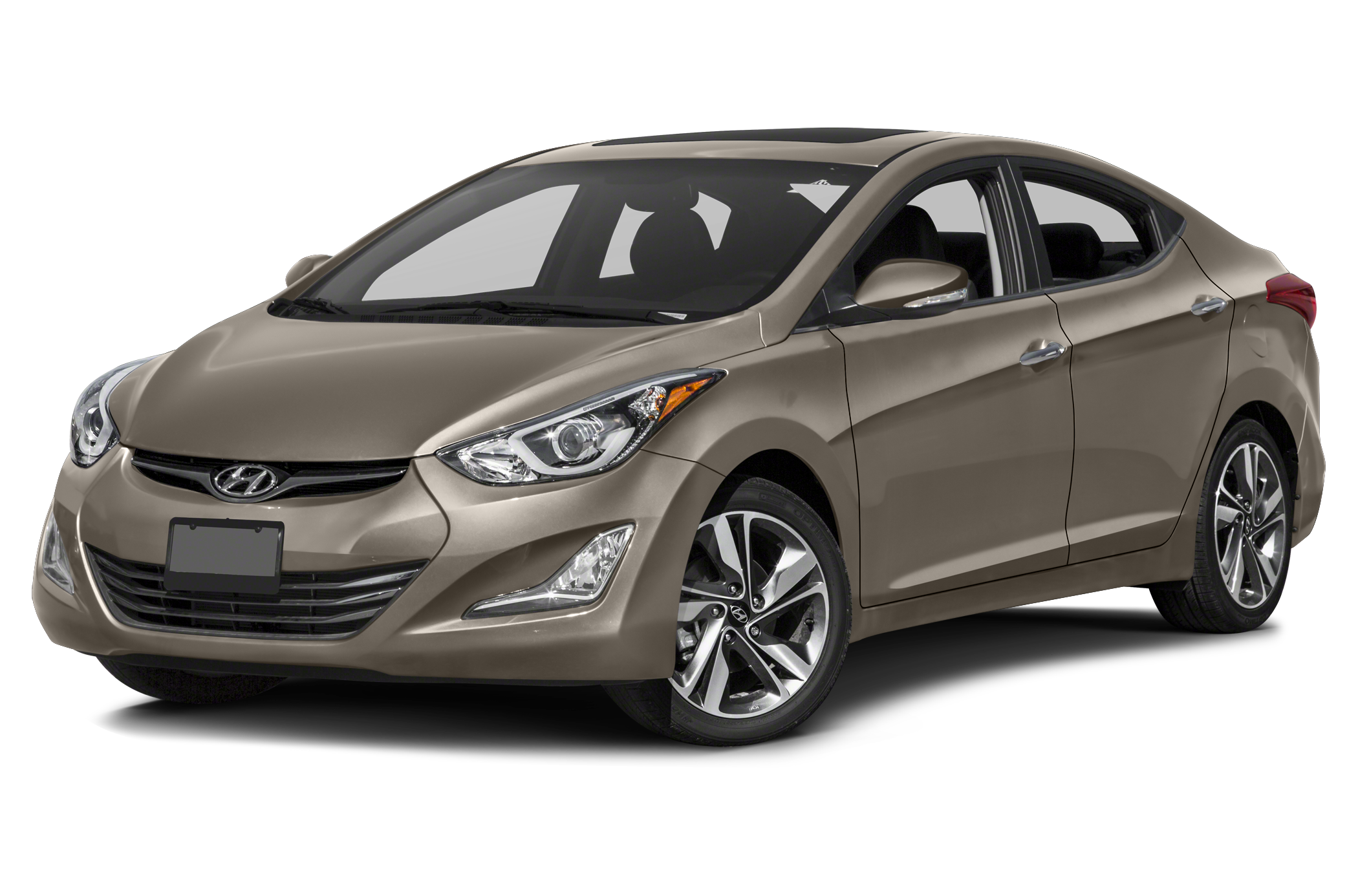
In 2026, the 2016 Hyundai Elantra SE Sedan 4D remains a staple of the secondary automotive market, prized for its balanced fuel economy and straightforward mechanical design. While it lacks the advanced hybridization of newer models, its status as a decade-old vehicle makes it an accessible entry point for students and commuters seeking a reliable, low-cost transport solution.
The 2016 model year represented the final iteration of the Elantra's fifth generation (internally designated as the MD series). By this point, Hyundai had refined many of the platform’s early quirks, resulting in a vehicle that, even a decade later, feels remarkably modern in terms of aesthetics and ergonomics. However, as these vehicles approach the 100,000 to 150,000-mile mark in 2026, potential owners must navigate specific mechanical considerations, particularly regarding the 1.8L powertrain and long-term suspension wear.
Understanding the 2016 Hyundai Elantra SE Trim
The SE trim serves as the entry-level configuration for the 2016 Elantra lineup, but it is rarely "bare bones." During its initial release, Hyundai aggressively equipped the SE to compete with the Honda Civic LX and Toyota Corolla L. Consequently, many SE models found on the market today include the "Popular Equipment Package," which added features that were considered premium at the time, such as a 4.3-inch touchscreen, a rearview camera, and automatic headlights.
As a four-door sedan, the Elantra SE focuses on passenger utility. The cabin volume was class-leading in 2016, technically qualifying it as a midsize car by EPA standards despite its compact exterior footprint. This translates to 2026 as a vehicle that still feels spacious enough for a small family or a carpool, providing more rear-seat legroom than many of its contemporaries.
Powertrain and Performance Specifications
The heart of the 2016 Elantra SE is the 1.8-liter "Nu" four-cylinder engine. This naturally aspirated power plant was designed with weight reduction in mind, utilizing an aluminum block and head. In 2026, the absence of a turbocharger is often viewed as a benefit by used car buyers, as it eliminates a common high-mileage failure point found in more complex modern engines.
Engine Dynamics and Output
The 1.8L engine produces approximately 145 horsepower and 130 lb-ft of torque. While these figures are modest by today’s standards, the engine is tuned for efficiency rather than spirited driving. In real-world 2026 conditions, the Elantra SE provides adequate power for highway merging, though it may struggle under full passenger loads or on steep inclines. The engine utilizes a timing chain rather than a belt, which significantly reduces long-term maintenance costs, provided oil changes have been performed consistently.
Transmission Options
The 2016 SE was available with either a six-speed manual or a six-speed automatic transmission. In the current market, the automatic variant is far more common. This Shiftronic automatic is known for smooth, if somewhat leisurely, gear transitions. It includes an "Active ECO" mode, which adjusts engine and transmission response to maximize fuel efficiency. For buyers in 2026, verifying the health of the transmission fluid is paramount, as many of these units are reaching the age where "lifetime" fluid claims should be ignored in favor of a preventative drain and fill.
Long-Term Reliability and Common Concerns
With a decade of data now available, the reliability profile of the 2016 Hyundai Elantra SE is well-documented. While generally dependable, there are specific "watch items" that any prospective buyer or current owner should monitor to ensure the vehicle reaches the 200,000-mile milestone.
The 1.8L Engine "Ticking" (Piston Slap)
The most significant concern for the 1.8L Nu engine is a phenomenon known as piston slap, which manifests as a rhythmic metallic ticking sound, particularly when the engine is cold. This is often caused by the piston skirts wearing against the cylinder walls due to insufficient lubrication or design clearances. In 2026, if you are inspecting an Elantra SE and hear a loud, persistent knock that does not go away once the engine warms up, it may indicate internal engine wear that could lead to premature failure. Regular use of high-quality synthetic oil and OEM Hyundai oil filters (which contain a specific bypass valve) is the best defense against this issue.
Steering and Suspension Longevity
A common wear item in the fifth-generation Elantra is the steering column's flexible coupler. This small rubber component can degrade over time, leading to a "clunking" sensation or play in the steering wheel. Fortunately, this is a relatively inexpensive part to replace, though the labor involves dropping the steering column. Additionally, the rear suspension uses a torsion beam setup, which is durable but can lead to a "skittish" feeling over bumps if the rear shocks are worn out—a common occurrence in vehicles with over 80,000 miles.
Maintenance and Operational Costs in 2026
Operating a 2016 Elantra SE in 2026 is exceptionally cost-effective. Parts are widely available in the aftermarket, and the engine bay is spacious enough for DIY enthusiasts to perform basic tasks like spark plug replacements, air filter changes, and battery swaps.
| Component | Maintenance Interval (Estimated) | 2026 Cost Estimate (Parts/Labor) |
|---|---|---|
| Engine Oil & Filter | Every 5,000 - 7,500 miles | $60 - $90 |
| Engine Air Filter | Every 15,000 miles | $20 - $40 |
| Transmission Fluid | Every 60,000 - 100,000 miles | $150 - $250 |
| Spark Plugs (Iridium) | Every 100,000 miles | $120 - $200 |
| Brake Pads & Rotors | Every 40,000 - 60,000 miles | $350 - $500 per axle |
| Coolant Flush | Every 5 years / 60,000 miles | $100 - $150 |
Fuel economy remains a strong suit. The 2016 SE is rated at approximately 28 MPG in the city and 37 MPG on the highway. Even with the slight degradation in efficiency expected over ten years of use, owners can realistically expect a combined 30-31 MPG, making it competitive with many newer non-hybrid subcompacts.
Interior Utility and Technology Integration
The 2016 Elantra SE's interior was praised at launch for its "Fluidic Sculpture" design language, which featured flowing lines and a symmetrical dashboard. In 2026, the interior holds up surprisingly well, provided the plastics have been protected from UV damage.
Infotainment and Connectivity
The standard SE audio system includes AM/FM/SiriusXM and CD capabilities, along with USB and auxiliary inputs. While it lacks native Apple CarPlay or Android Auto (which were just beginning to appear in 2016), the double-DIN radio design makes it incredibly easy to install a modern aftermarket head unit. For many 2026 owners, spending $300-$500 on a modern touchscreen upgrade transforms the vehicle’s interface to match 2026 standards, adding wireless smartphone integration and enhanced navigation.
Cargo and Comfort
The trunk offers 14.8 cubic feet of space, which is generous for the compact segment. The 60/40 split-folding rear seats allow for the transport of longer items like flat-pack furniture or sporting goods. While the SE features cloth upholstery rather than the leather found in the Limited trim, the material is durable and generally resists staining well over long periods.
Safety Ratings and Critical Recalls
Safety remains a priority for any vehicle used as a daily driver. The 2016 Elantra earned a 5-star overall rating from the NHTSA and performed well in IIHS testing, though it predates the more stringent "small overlap" front crash tests that became standard later.
Essential Recalls to Verify
As of 2026, several critical recalls should have been addressed by previous owners. The most notable involves the Anti-lock Brake System (ABS) module, which could potentially short-circuit and cause an engine compartment fire, even when the vehicle is turned off. Prospective buyers must check the VIN on the NHTSA website to ensure the "HECU" (Hydraulic Electronic Control Unit) recall has been completed. Another common recall involved the brake light switch, which could fail and prevent the brake lights from illuminating or prevent the driver from shifting out of "Park."
Comparing the Elantra SE to its 2016 Rivals
When shopping for a 2016 Elantra SE in the current market, it is helpful to understand how it stacks up against its primary competitors from the same era: the Toyota Corolla and the Honda Civic.
- Vs. Toyota Corolla (2016): The Corolla generally commands a higher resale price in 2026 due to its legendary reputation for reliability. However, the Elantra SE often offers a more stylish interior and a quieter highway ride at a significantly lower purchase price.
- Vs. Honda Civic (2016): The 2016 Civic was the first year of a new generation (the 10th). While the Civic is more technologically advanced, the early 2016 models suffered from "first-year" glitches and AC compressor failures. The 2016 Elantra, being the final year of its generation, is often considered more "proven" and mechanically settled.
- Vs. Mazda3 (2016): The Mazda3 offers a much better driving experience and sharper handling, but the Elantra SE provides more interior volume and a more comfortable, softer suspension for daily commuting.
Final Verdict and Recommendations
The 2016 Hyundai Elantra SE Sedan 4D is an excellent "value" play in 2026. It occupies the "sweet spot" of the used car market: it is old enough to have depreciated significantly but new enough to offer modern safety features like electronic stability control and multiple airbags.
For those looking to purchase one today, the recommendation is to prioritize vehicles with a documented service history. Specifically, look for evidence of oil changes every 5,000 miles to mitigate the risk of the "Nu" engine ticking. If the vehicle passes a cold-start inspection without any knocking sounds and the ABS recall has been performed, it represents one of the most logical and economical transportation choices for the mid-2020s.
Frequently Asked Questions
Does the 2016 Elantra SE have a backup camera?
The backup camera was not standard on the base SE trim for 2016. However, it was included in the "Popular Equipment Package." Many SE models found on the used market will have this feature, but it is important to check the center console for the 4.3-inch screen to confirm its presence.
Is the 2016 Elantra SE good on gas?
Yes, the 2016 Elantra SE is very efficient for a non-hybrid vehicle. It is EPA-rated at 37 MPG on the highway. In 2026, with aging components, most owners report a consistent average of 29-32 MPG in mixed driving conditions.
What is the most common problem with the 2016 Elantra?
The most frequently reported mechanical issue is a ticking or knocking noise from the engine (piston slap) and the failure of the steering column coupler. Both issues are well-known to mechanics and can be diagnosed easily during a pre-purchase inspection.
Does it have Bluetooth connectivity?
Bluetooth for hands-free calling and audio streaming was part of the Popular Equipment Package. If the vehicle has the base radio (with a small monochrome screen), it may not have Bluetooth unless an aftermarket kit was installed. Most SE models in circulation today, however, were equipped with the package that includes Bluetooth.
Is the 2016 Elantra SE a good car for a first-time driver?
In 2026, this is one of the top recommendations for first-time drivers. It is easy to park, has good visibility, is relatively inexpensive to insure, and provides enough safety protection to satisfy concerned parents while remaining affordable to maintain.