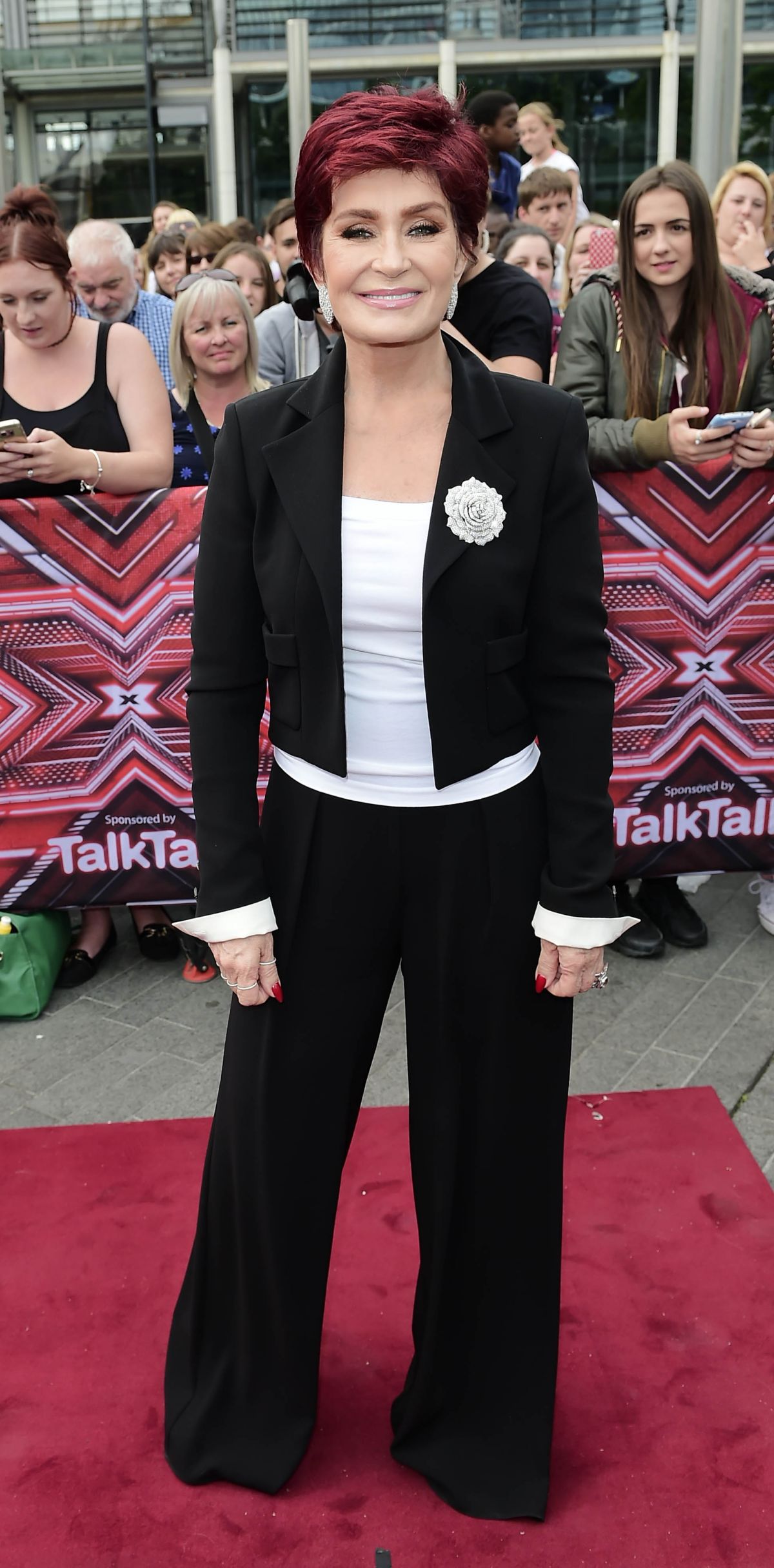
The 2016 iteration of The X Factor UK marked a pivotal season characterized by the triumphant return of its original judging panel, a recalibrated audition format designed to maximize emotional resonance, and a rigorous multi-stage talent filtration process that ultimately shaped that year's pop music landscape.
Evolution of the 2016 Audition Mechanics
Understanding the 2016 audition process requires looking closely at how producers structured the journey from initial sign-up to the live shows. Unlike subsequent television seasons that streamlined production phases, the 2016 format retained a distinct three-tier filtration structure: the mobile/open auditions, the producer callbacks, and the televised judges' room or arena auditions.
The primary intent behind this structure was twofold: to maintain high television drama while ensuring that only performers capable of withstanding the intense pressure of a commercial recording career advanced. The production team utilized mobile audition vans to scour towns and cities across the United Kingdom and Ireland that were often overlooked by traditional arena tours. This grassroots approach democratized initial access, allowing undiscovered vocalists, street performers, and amateur musicians to secure a spot without paying costly travel expenses to major metropolitan centers.
The Three-Tier Audition Structure
- Mobile and Open Auditions (Early Spring): Aspiring acts performed in front of show producers. Successful candidates at this stage bypassed the public queue lines for the televised rounds.
- Producer Callbacks (Mid-Spring): Acts that showed vocal promise or unique commercial viability were invited back to perform for senior executive producers in private studio settings.
- Televised Auditions (Late Spring to Early Summer): The surviving acts performed in front of the celebrity judging panel, initially in intimate room settings and later moving to large-scale arena audiences if they secured enough "Yes" votes.
The 2016 Judging Panel and Dynamic
One of the most defining aspects of the 2016 series was the reunion of the classic judging lineup: Simon Cowell, Sharon Osbourne, Louis Walsh, and Nicole Scherzinger. This specific combination brought an established chemistry, distinct mentoring philosophies, and sharp comedic timing that directly influenced the audition room atmosphere.
The panel's dynamic created a high-stakes environment where contestants had to satisfy four distinct tastes within the British and global pop music markets.
- Simon Cowell: Acted as the primary arbiter of commercial viability and chart potential, frequently interrupting performances that lacked originality or contemporary edge.
- Sharon Osbourne: Focused heavily on emotional connection, raw authenticity, and stage presence, often championing eccentric or underdog acts.
- Louis Walsh: Prioritized traditional pop appeal, boy bands, girl groups, and novelty acts that could engage a mainstream Saturday night family audience.
- Nicole Scherzinger: Emphasized vocal precision, pitch accuracy, performance stamina, and artistic versatility, often providing granular technical critiques to aspiring vocalists.
This diverse set of criteria meant that an auditioning act needed either unanimous appeal or a passionate champion on the panel to survive a deadlock vote.
Key Stages of the Televised Auditions
The 2016 televised process bifurcated the audition experience into two distinct psychological environments: the intimate Judges' Rooms and the high-capacity Arena Auditions. Each environment served a specific structural purpose for both the narrative of the television broadcast and the psychological evaluation of the talent.
The Judges' Room Phase
Introduced as a return to the format's roots, the Judges' Rooms stripped away the distraction of thousands of screaming audience members. Acts stood mere feet away from Cowell, Osbourne, Walsh, and Scherzinger. This stripped-back setup favored vulnerable singer-songwriters and acoustic performers whose delicate vocal textures might otherwise have been drowned out in a cavernous arena.
However, it also exposed vocal instability, nervous tremors, and lack of performance resilience. Acts needed at least three "Yes" votes from the four judges to progress to the next round, transforming every minor pitch error into a fatal flaw.
The Arena Audition Phase
For acts that survived the room auditions, the arena phase tested their ability to command a large crowd. Performed in front of thousands of spectators at venues like the SSE Arena, Wembley, this stage measured an artist's charisma, star power, and crowd-control capabilities.
A strong vocal performance was no longer sufficient on its own; contestants had to generate palpable arena-wide energy. The addition of the arena audiences also introduced external pressure, as judges frequently factored audience reactions into their final voting decisions.
Comparative Overview of The X Factor 2016 Audition Stages
| Audition Stage | Venue Type | Evaluators | Primary Objective | Elimination Rate |
|---|---|---|---|---|
| Mobile Auditions | Pop-up vans / Community centers | Show Producers | Grassroots talent discovery and initial screening | Extremely High (~90%+) |
| Producer Callbacks | Closed TV Production Studios | Executive Producers | Selecting viable candidates for television broadcast | High |
| Judges' Rooms | Intimate Indoor Rooms | Celebrity Panel | Testing vocal intimacy, nerve, and raw talent | Moderate to High |
| Arena Auditions | Large Entertainment Arenas | Panel & Live Audience | Testing stage presence, charisma, and mass appeal | Moderate |
Standout Discoveries and Notable Auditions
The 2016 audition tour unearthed several contestants who would go on to define that season and establish enduring careers in the entertainment industry. The most notable example from this class was Matt Terry, whose emotive audition of Ben E. King's "Stand by Me" instantly established him as a frontrunner. His journey highlighted the show's preference for contemporary male pop vocalists with high emotional range.
Similarly, alternative pop artist Saara Aalto initially faced skepticism during her room audition due to theatrical delivery, yet she evolved into one of the season's most technically accomplished vocalists, ultimately finishing as the runner-up. Girl group 5 After Midnight (originally formed as Montgomerystone) also emerged from the 2016 audition process, demonstrating how the judges utilized the early stages to spot individual talent and reconfigure them into cohesive commercial groups.
Common Challenges and Pitfalls for Auditionees
Analyzing the patterns of rejections throughout the 2016 series reveals several recurring pitfalls that prevented contestants from advancing past the initial audition rounds:
- Song Choice Misalignment: Selecting over-sung power ballads that exceeded the vocalist's technical range, or performing dated tracks that failed to connect with contemporary radio standards.
- Lack of Originality: Relying too heavily on imitation of original artists rather than injecting a unique vocal stamp or arrangement into the cover song.
- Poor Nervous Control: Allowing stage fright to compromise breath support, pitch stability, and lyrical delivery during the crucial first thirty seconds of the performance.
- Resistance to Constructive Feedback: Arguing with the panel or displaying defensive body language when judges requested an a cappella performance or suggested an alternative song choice.
Frequently Asked Questions
What were the age limits for entering The X Factor 2016 auditions?
The 2016 series lowered the minimum age requirement to 14 years old, allowing solo artists and groups to audition as long as they met this threshold by a specific date set by producers. There was no upper age limit, ensuring a diverse demographic mix from teenagers to senior citizens.
Did contestants need a backing track or instrumental accompaniment?
Auditionees could bring acoustic instruments such as guitars or keyboards, sing a cappella, or use official backing tracks supplied to the production team. Producers strongly recommended songs that allowed the contestant's natural vocal timbre to stand out without heavy electronic processing.
How did the judges decide who progressed from the room auditions?
Each judge had one vote. An act required a simple majority—three or more "Yes" votes—to move forward to the next stage of the competition. A tie or a majority of "No" votes resulted in immediate elimination from the televised rounds.
What happened after the arena auditions in 2016?
Contestants who successfully passed both the room and arena auditions advanced to the Six Chair Challenge. This notoriously cutthroat phase required judges to allocate a limited number of seats to acts they wished to take through to the Judges' Houses stage, preceding the live shows.
Can international acts audition for The X Factor UK?
While the show primarily targeted residents of the United Kingdom and the Republic of Ireland, international applicants with valid legal status to live, work, or study in the UK were permitted to enter, provided they could travel independently to audition locations on designated filming dates.
Practical Recommendations for Aspirants
For musicians studying historical television talent formats like the 2016 season of The X Factor, the primary takeaway is the absolute necessity of preparation and adaptability. Success in a high-pressure audition environment relies on mastering a signature song that showcases vocal identity within the first thirty seconds, maintaining composure under intense scrutiny from industry veterans, and remaining flexible enough to pivot song choices or performance styles on a moment's notice when requested by production executives.