Oregon auto insurance rates have historically trended slightly above the national average, though they remain competitive compared to coastal neighbors like California or Washington. Your actual premium is dictated by a complex interplay of state-mandated coverage requirements, regional risk factors, your personal driving history, and the specific underwriting guidelines of your chosen provider.
To determine if you are paying a "high" rate, it is essential to look beyond raw numbers and understand the structural factors that influence the Oregon insurance market. Premiums are not arbitrary; they reflect the statistical probability of claims in your specific area, the cost of medical care, and the frequency of vehicle theft or property damage reported within the state.
Understanding the Oregon Insurance Landscape
The Oregon Department of Consumer and Business Services (DCBS) oversees the insurance market, ensuring that carriers are financially solvent and that rate filings are justified. In 2026, the cost of insurance in Oregon is influenced by both broad economic trends and localized variables.
Unlike states with "no-fault" insurance systems, Oregon operates under a "tort" or "at-fault" liability system. This means that if you are responsible for an accident, your insurance carrier is responsible for paying for the injuries and property damage of the other party, up to your policy limits. Because liability claims can escalate into high-dollar litigation or significant medical bills, insurance companies in Oregon prioritize high liability coverage, which directly impacts the base cost of your policy.
Mandatory Coverage Requirements
To legally operate a vehicle on Oregon roads, you must carry minimum liability coverage. As of 2026, the state minimum requirements include:
- Bodily Injury and Property Damage Liability: $25,000 per person / $50,000 per accident for bodily injury; $20,000 per accident for property damage.
- Personal Injury Protection (PIP): $15,000 in benefits. This covers medical expenses and lost wages for you and your passengers, regardless of who caused the accident.
- Uninsured Motorist Coverage: $25,000 per person / $50,000 per accident for bodily injury.
While these are the legal minimums, many financial advisors and insurance experts recommend higher limits. Carrying only the state minimum often results in lower monthly premiums, but it leaves you financially vulnerable to a lawsuit if you are involved in a major collision.
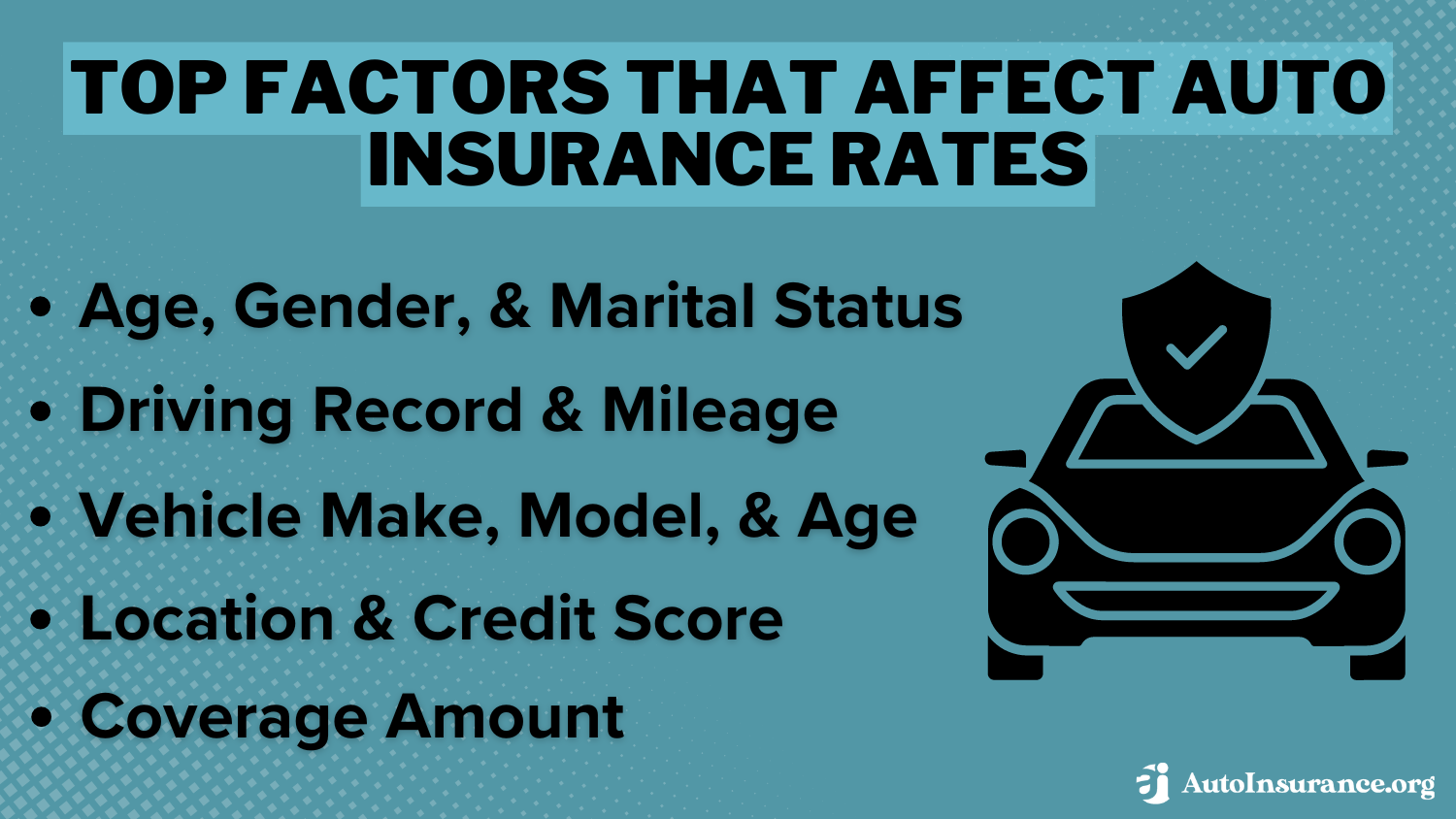
Key Factors That Influence Your Premium
When you receive a quote for auto insurance, the carrier is performing a risk assessment. This process involves analyzing several static and dynamic factors to determine the likelihood of you filing a claim.
Geographic and Demographic Risks
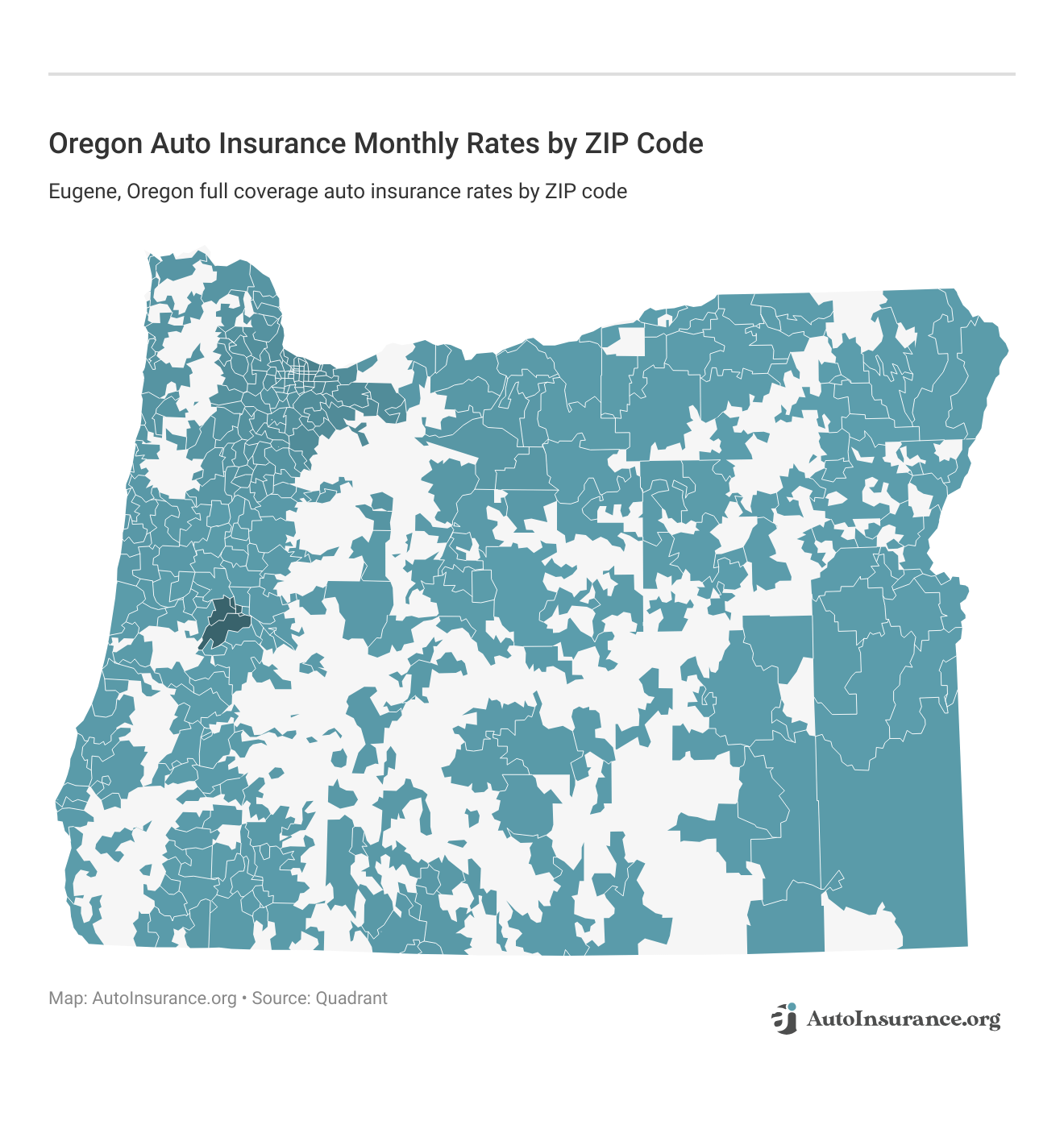
Where you live matters. An urban driver in Portland or Eugene may face higher rates than a rural driver in Harney County. This is largely due to the increased density of vehicles, higher rates of localized traffic congestion, and a higher statistical probability of both minor collisions and vehicle theft in densely populated areas. Insurance companies track "zip code loss data," which summarizes the total payouts for claims within a specific area. If your neighborhood has a high frequency of claims, your rates will adjust accordingly.
Vehicle Characteristics
The vehicle you drive is a primary cost driver. A vehicle with advanced safety features, such as automatic emergency braking, lane-keep assist, and high-quality crash-test ratings, often commands lower premiums because it is less likely to be involved in an accident or result in catastrophic injury. Conversely, high-performance vehicles or models with expensive, specialized parts are costlier to repair, which drives up collision and comprehensive insurance premiums.
Personal Driving History
Your history is perhaps the most significant variable under your control. A clean driving record—free of accidents, moving violations, or DUIs—is the fastest way to secure competitive rates. Conversely, a single "at-fault" accident or a speeding ticket can lead to a significant surcharge that persists for three to five years, depending on the carrier’s specific policy.
Comparing Oregon Rates to National Trends
Determining if rates are "high" requires a comparative lens. While Oregon’s costs are often higher than states in the Midwest or the South, they are significantly more stable than those in states prone to frequent catastrophic weather events (like hurricanes or severe hail) or those with complex litigation environments.
The following table summarizes the typical components of an auto insurance policy and how they contribute to your overall premium:
| Coverage Type | Purpose | Impact on Premium |
|---|---|---|
| Liability | Covers injuries/damage you cause to others | High (Mandatory) |
| PIP | Covers your medical/lost wages | Moderate (Mandatory) |
| Collision | Repairs your car after a crash | High (Optional/Loan req) |
| Comprehensive | Covers theft, vandalism, weather | Moderate (Optional/Loan req) |
| Uninsured/Underinsured | Protects you from uninsured drivers | Moderate (Mandatory) |
Strategies for Lowering Your Insurance Costs
If you find that your current quotes in Oregon are higher than you expected, there are several methodical steps you can take to lower your costs without compromising your financial security.
1. Increase Your Deductible
The deductible is the amount you pay out-of-pocket before your insurance kicks in. Choosing a higher deductible—for example, increasing it from $500 to $1,000—can significantly lower your monthly premium. Before doing this, ensure you have the cash on hand to cover that $1,000 in the event of an accident.
2. Bundle Your Policies
Most major insurers offer significant discounts for "bundling." If you have homeowners or renters insurance, placing your auto policy with the same carrier can result in a discount of 10% to 25%. This is often the simplest way to reduce costs without changing your coverage levels.
3. Review Usage-Based Programs
In 2026, many carriers offer telematics programs. These involve using a mobile app or a device plugged into your car's OBD-II port to track your driving habits. If you drive during safe hours, maintain steady speeds, and avoid harsh braking, you can qualify for "good driver" discounts. However, ensure you read the terms carefully, as some programs can increase rates if they track unsafe habits.
4. Improve Your Credit-Based Insurance Score
In Oregon, insurance companies are permitted to use credit-based insurance scores to calculate premiums. A higher score typically correlates with a lower risk of filing claims. Regularly monitoring your credit report and ensuring that errors are corrected can improve your score over time, potentially leading to lower insurance premiums during your next renewal cycle.
Common Misconceptions About Oregon Auto Insurance
A frequent point of confusion for Oregon drivers is the role of "full coverage." There is no single insurance product labeled "full coverage." Instead, it is a term used to describe a policy that includes liability, collision, and comprehensive coverage. Many drivers believe they need "full coverage" regardless of their car's actual cash value. If you drive an older vehicle worth less than $3,000–$5,000, paying for collision and comprehensive coverage might not be cost-effective. If the annual premium for those features exceeds 10% of your car's total value, it is often mathematically wiser to drop that coverage and put the money into a savings account for future repairs or a replacement vehicle.
Another misconception involves "accident forgiveness." While some carriers market this feature, it is important to understand that it is often restricted to your first minor incident. It does not mean you can drive recklessly with impunity. Always verify the specifics of an accident forgiveness rider before selecting a policy, as it often carries a higher base premium.
Frequently Asked Questions
Why does my location change my insurance quote so drastically?
Insurance is based on risk pooling. If your specific zip code has a higher frequency of vehicle theft or higher costs for medical services following accidents, the insurer must charge more to cover the expected losses. You are essentially paying for the average risk of your neighbors.
Can I cancel my insurance if I am not driving for a few months?
While you may be tempted to cancel your policy if you are going on a long trip or storing your car, it is generally advised against. A lapse in insurance coverage can lead to higher rates when you eventually re-enroll, as insurers view "uninsured" periods as a high-risk indicator. Instead, ask your provider about a "storage" or "non-owner" policy.
How often should I shop for new insurance?
You should review your insurance premiums at least once every year, or whenever you experience a life change, such as moving to a new address, getting married, or adding a new driver to your policy. Loyal customers are often penalized with "loyalty creep," where rates slowly increase over time; shopping around forces carriers to compete for your business.
Are older drivers paying more in Oregon?
Risk profiles shift as drivers age. While teenagers pay the highest rates due to lack of experience, drivers over the age of 70 may see their rates slowly increase again. This is typically attributed to statistical changes in reaction times and visual acuity, which insurance companies factor into their actuarial models.
Does Oregon require proof of insurance in my vehicle?
Yes. You must carry proof of insurance in your vehicle at all times and be prepared to show it to law enforcement upon request. Digital proof is generally accepted in Oregon, so saving a copy of your insurance card on your smartphone is an effective way to stay compliant.
Moving Forward: Next Actions
If you are concerned about your current auto insurance rates, do not wait for your next renewal statement to take action. Start by requesting a "dec page" (declarations page) from your current insurer, which outlines exactly what you are paying for. Compare this against quotes from at least three different carriers—including both large national insurers and regional mutual insurance companies that may have specific expertise in the Oregon market.
Focus your research on policies that meet your specific risk tolerance rather than simply seeking the cheapest monthly premium. A policy that leaves you underinsured can be far more expensive in the long run than paying a slightly higher monthly premium for robust coverage.