Applying the Principle of Least Privilege (PoLP) in modern systems involves restricting users, processes, and devices to the absolute minimum permissions required to perform their specific functions. In 2026, this requires moving beyond static roles to dynamic, context-aware access controls integrated with Zero Trust architectures to effectively mitigate lateral movement and reduce the overall attack surface.
The Evolution of Least Privilege in the 2020s
The concept of "Least Privilege" is not new, but its application has undergone a radical transformation. Traditionally, PoLP was often managed through static groups in local directories, where a user was granted "Admin" or "User" status that persisted indefinitely. In the decentralized environment of 2026, where cloud-native infrastructure and remote-first workforces are the standard, this binary approach is no longer sufficient.
Modern systems are defined by their fluidity. Microservices spin up and down in seconds, ephemeral workloads handle sensitive data in serverless environments, and the "perimeter" has shifted entirely to the individual identity. Consequently, applying least privilege now means managing thousands of granular permissions across heterogeneous environments. The goal is to ensure that if a single identity—whether human or machine—is compromised, the blast radius is contained within a negligible segment of the network.
In 2026, security teams view PoLP as a foundational pillar of Zero Trust Architecture (ZTA). According to the NIST Zero Trust Maturity Model, trust is never assumed based on location or ownership. Instead, every access request must be explicitly verified, and the permissions granted must be the narrowest possible for the shortest duration necessary.
Core Pillars of Modern Implementation
Successfully applying least privilege in a modern enterprise requires a shift from "Who has access?" to "Why, when, and how is access being used?" This transition is supported by three primary pillars: Identity, Context, and Duration.
Identity-Centric Security
In a cloud-first world, identity is the new control plane. Applying least privilege starts with a robust Identity and Access Management (IAM) strategy. This involves the consolidation of disparate identities—employees, contractors, and non-human entities like APIs and bots—into a single source of truth. By using Attribute-Based Access Control (ABAC) rather than just Role-Based Access Control (RBAC), organizations can create policies that look at specific attributes, such as department, project, and certification level, to determine access dynamically.
Contextual Awareness
Static permissions are dangerous because they do not account for environmental changes. Modern PoLP implementation utilizes contextual signals to adjust permissions in real-time. This includes the security posture of the device being used, the geographical location of the request, and the time of day. For instance, a developer might have read-access to a production database during standard working hours but require multi-factor authentication (MFA) and a secondary approval for write-access during an emergency off-hours deployment.
Temporal Access (Just-In-Time)
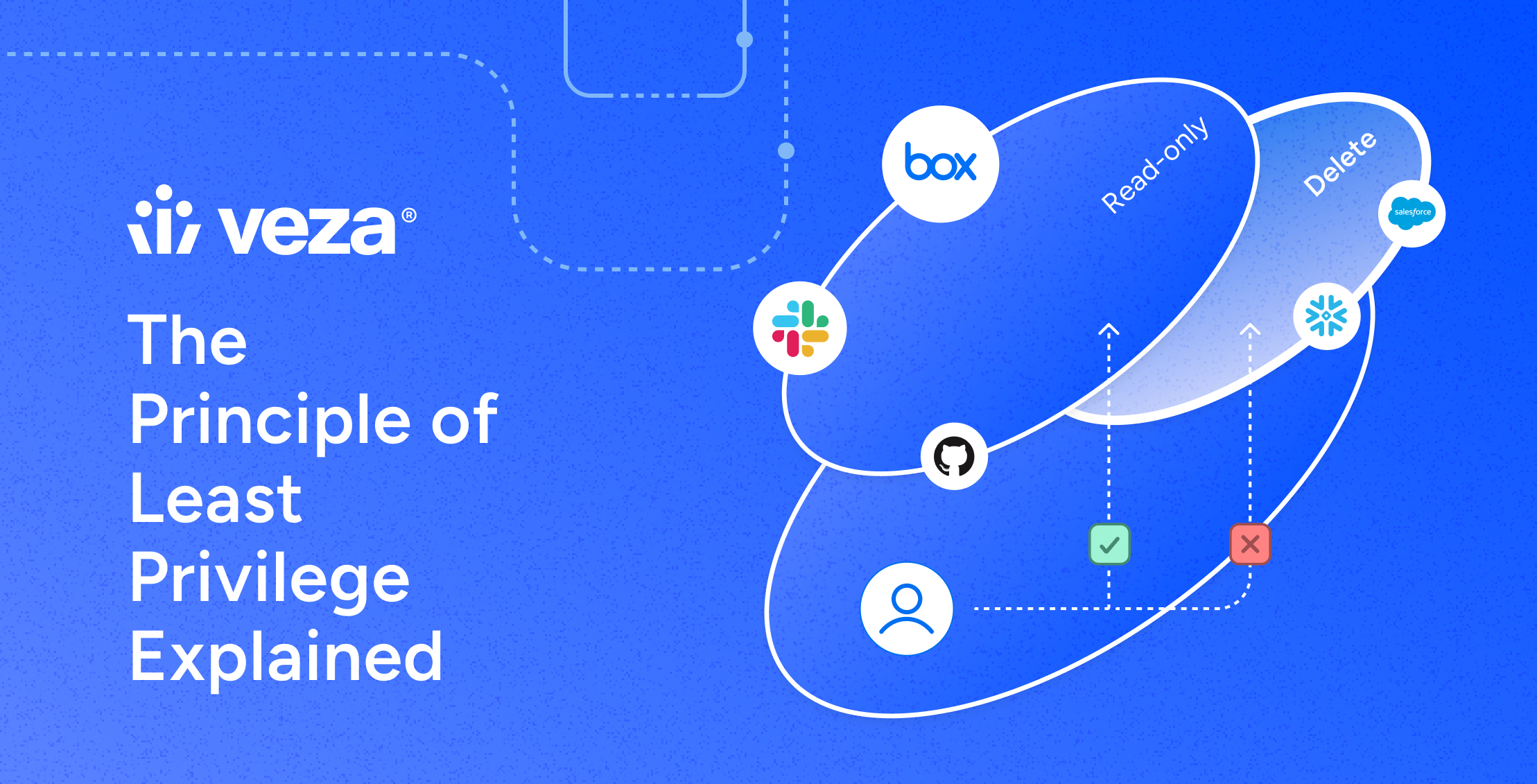
The most significant advancement in PoLP is the move toward Just-In-Time (JIT) access. Instead of having "standing privileges"—permissions that exist 24/7—users are granted elevated access only when needed and for a limited window. Once the task is completed or the time expires, the privileges are automatically revoked. This effectively eliminates the risk of dormant accounts being exploited by attackers.
Implementing PoLP Across Modern Architectures
Applying least privilege looks different depending on the layer of the technology stack. A comprehensive strategy addresses cloud environments, container orchestration, and the software development lifecycle.
Cloud-Native Infrastructure
Public cloud providers like AWS, Azure, and Google Cloud Platform offer incredibly granular permission structures. However, this granularity often leads to "permission sprawl." To apply PoLP here, organizations must use automated tools to analyze "granted vs. used" permissions. If a service account has 50 permissions but has only used five in the last 90 days, the remaining 45 should be stripped away. This is often referred to as "right-sizing" permissions.
Kubernetes and Microservices
In containerized environments, applying least privilege involves securing the Service Mesh and the container runtime. Each microservice should run with its own dedicated service account, restricted to only the namespaces and secrets it requires. Utilizing tools like Kubernetes Network Policies allows engineers to restrict pod-to-pod communication, ensuring that a compromised frontend service cannot communicate directly with a sensitive backend database unless explicitly permitted.
The CI/CD Pipeline and Machine Identities
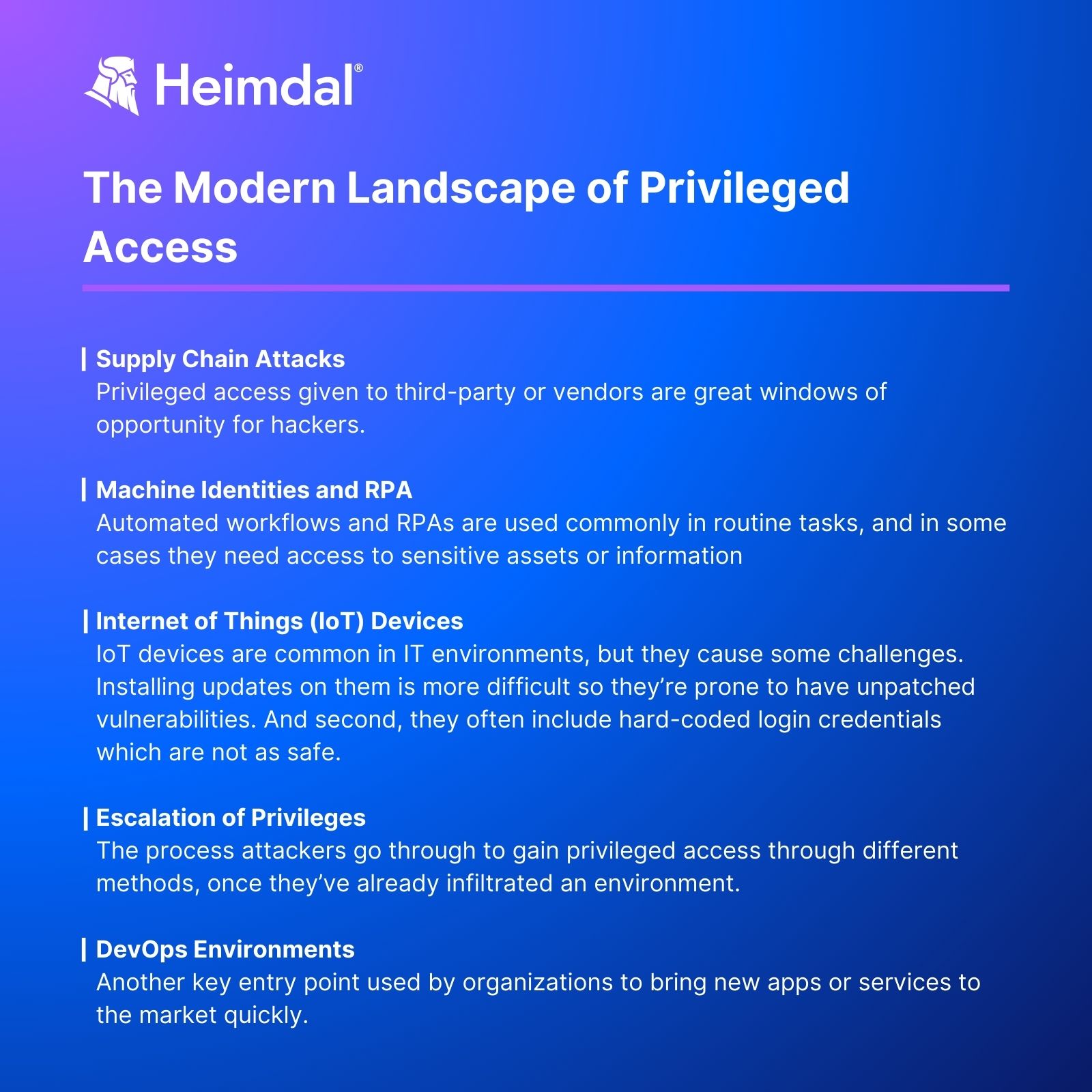
A major blind spot in many modern systems is the "machine identity." These are the API keys, tokens, and secrets used by CI/CD pipelines (like GitHub Actions or GitLab Runner) and automated scripts. Applying least privilege to these identities is critical because they often possess high-level administrative rights to deploy code. Organizations should move toward short-lived, dynamically generated tokens rather than long-lived secrets stored in configuration files.
Comparative Framework: Traditional vs. Modern PoLP
The following table highlights the technical differences between legacy approaches and the modern standards required in 2026.
| Feature | Traditional PoLP (Legacy) | Modern PoLP (2026 Standard) |
|---|---|---|
| Permission Type | Static / Permanent | Dynamic / Ephemeral |
| Model | Role-Based (RBAC) | Attribute & Policy-Based (ABAC/PBAC) |
| Access Duration | 24/7 Standing Privileges | Just-In-Time (JIT) / Just-Enough |
| Primary Identifier | Network Location (IP/VLAN) | Verified Digital Identity |
| Review Process | Manual Quarterly Audits | Automated Continuous Monitoring |
| Scope of Control | Human Users | Humans, Bots, APIs, and Containers |
| Visibility | Siloed by Application | Centralized Security Data Lake |
Strategic Steps for Implementation
Transitioning to a high-maturity PoLP model is an iterative process. It cannot be achieved overnight without breaking critical business workflows.
- Discovery and Inventory: You cannot secure what you do not know exists. Use automated discovery tools to map every identity in your environment, including "Shadow IT" cloud instances and forgotten service accounts.
- Establish a Baseline of Minimal Access: Start by stripping away administrative rights from the majority of the workforce. Use a "deny by default" posture. If a user needs access to a resource, they must request it through a formal, logged process.
- Implement Privileged Access Management (PAM): For accounts that absolutely require high-level access (like system architects or DBAs), route their activity through a PAM solution. This provides a secure vault for credentials and records a full audit trail of their sessions.
- Automate Policy Enforcement: In 2026, the scale of modern systems makes manual permission management impossible. Use "Policy as Code" (PaC) to define access rules. This ensures that permissions are version-controlled and automatically applied whenever new infrastructure is provisioned.
- Continuous Remediation: Use AI-driven analytics to identify anomalies. If a user suddenly accesses a large volume of sensitive files that fall outside their normal behavioral pattern, the system should automatically throttle their permissions and alert the Security Operations Center (SOC).
Common Pitfalls and How to Avoid Them
The most common mistake when applying least privilege is over-restriction, which leads to "productivity friction." When security measures become too cumbersome, employees often find workarounds that are less secure than the original system. To avoid this, ensure that the process for requesting elevated access is streamlined and, where possible, automated via integration with ITSM platforms like ServiceNow or Jira.
Another pitfall is ignoring Permission Creep. This happens when employees change roles within a company but retain the permissions from their previous positions. To mitigate this, implement automated lifecycle management that triggers a permission review whenever an HR record is updated.
Finally, do not overlook the importance of logging. PoLP is only effective if you can verify that the restrictions are working. According to CISA’s Zero Trust Maturity Model, comprehensive visibility and analytics are required to move from an "Initial" to an "Optimal" maturity level. Every denied access attempt is a valuable data point for identifying potential internal threats or misconfigured applications.
Frequently Asked Questions
What is the difference between Least Privilege and Zero Trust?
Least privilege is a specific security principle, whereas Zero Trust is a broader architectural framework. You cannot have Zero Trust without applying least privilege, but least privilege can exist in a limited capacity within legacy systems. Zero Trust extends the concept by requiring continuous verification of every request, regardless of where it originates.
How does PoLP impact DevOps speed?
Initially, PoLP can introduce friction if not implemented correctly. However, by using "Policy as Code" and automated JIT access, PoLP can actually speed up operations by reducing the time spent manually auditing accounts and cleaning up after security incidents. It shifts security "left" by making permissions part of the initial deployment logic.
Can Least Privilege be applied to AI and LLMs?
Yes. In 2026, applying least privilege to Large Language Models (LLMs) and AI agents is essential. This involves restricting the data sources an AI can ingest and limiting its ability to execute code or call external APIs. If an AI agent only needs to summarize internal documentation, it should not have permissions to access customer financial records.
Is RBAC obsolete in favor of ABAC?
RBAC is not obsolete; it serves as a useful foundation for broad categorization. However, in modern systems, RBAC is often too blunt a tool. Most organizations use a hybrid approach where RBAC handles basic departmental access, while ABAC provides the fine-grained, contextual control needed for sensitive resources.
What are 'Machine Identities' and why do they need PoLP?
Machine identities include service accounts, API keys, and certificates used by software to communicate with other software. They are often more privileged than human users and lack multi-factor authentication. Applying PoLP to these identities involves using short-lived credentials and restricting their scope to specific IP ranges or service endpoints.
Recommendation for Security Leaders
For organizations looking to strengthen their posture in 2026, the immediate next step is to conduct a Privilege Audit. Focus specifically on your cloud service accounts and CI/CD secrets, as these are the most common vectors for high-impact breaches. Transitioning to a Just-In-Time (JIT) access model for all administrative tasks will provide the highest return on investment by virtually eliminating the risk associated with stolen static credentials.
For further guidance on technical standards, refer to the ISO/IEC 27001:2022 updates regarding access control and the CISA Zero Trust guidelines.