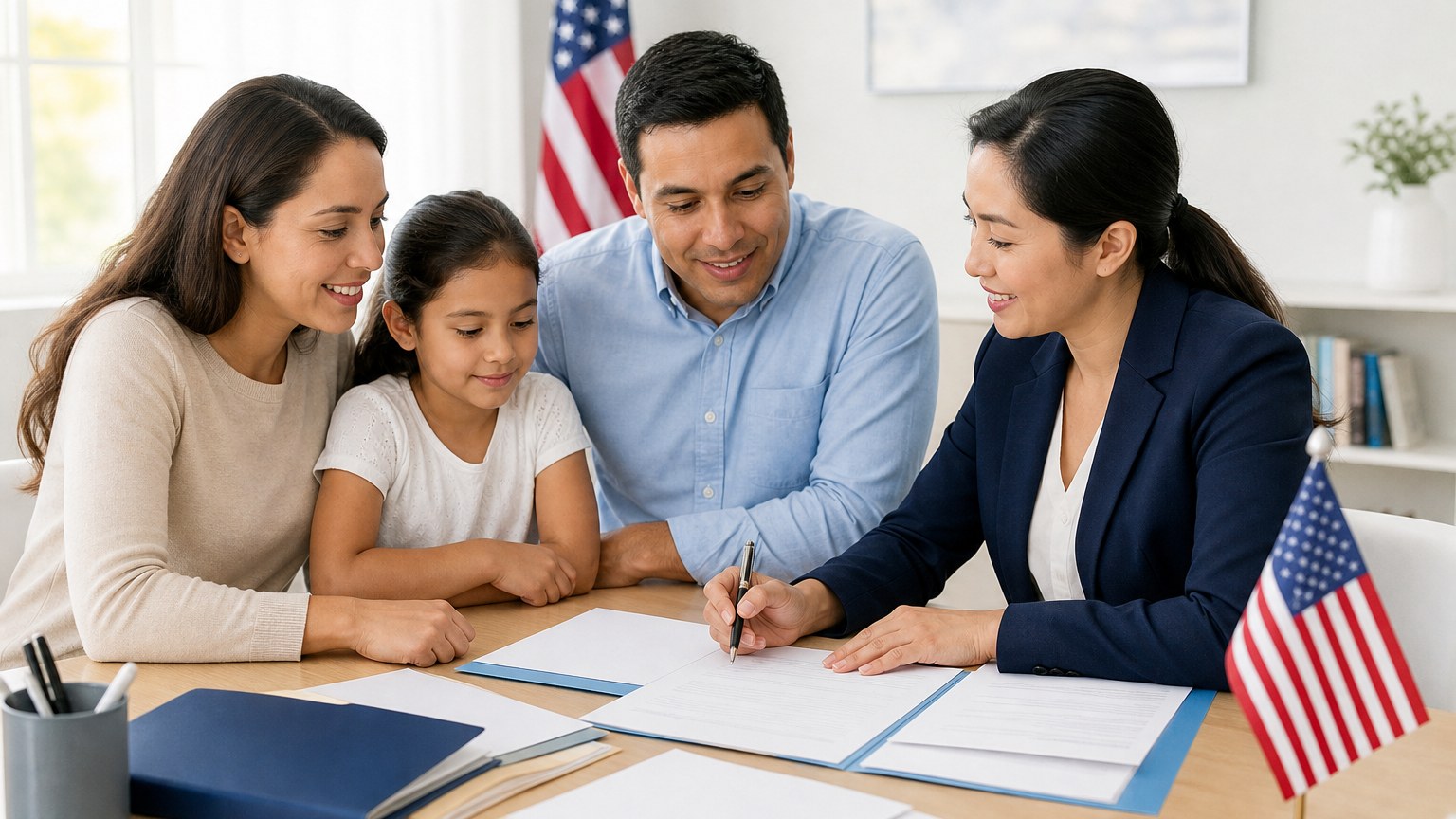
To apply for El Salvador citizenship, you must first determine your eligibility path—typically through five years of legal residence, marriage to a Salvadoran national, or the "Adopting El Salvador" Freedom Visa program. The process involves submitting a formal petition to the Ministry of Justice and Public Security, providing apostilled documents, and passing a citizenship interview.
The landscape of Salvadoran immigration and nationality law has evolved significantly by 2026. Once viewed primarily through the lens of birthright and ancestry, El Salvador has positioned itself as a competitive destination for global investors and digital nomads. Whether you are seeking to reclaim your heritage or are an investor utilizing the nation’s unique financial framework, understanding the nuances of the naturalization process is essential for a successful application.
Understanding the Legal Paths to Salvadoran Citizenship
El Salvador recognizes several distinct pathways to citizenship, each governed by specific articles in the Constitution and the Special Law for Migration and Foreigners. Before beginning the application process, it is vital to identify which category you fall under, as the requirements and timelines vary significantly.
1. Citizenship by Naturalization (Standard Residence)
This is the most common route for expatriates who have moved to El Salvador for work, retirement, or lifestyle reasons. Under Article 92 of the Constitution, individuals who have maintained continuous legal residency for a period of five years are eligible to apply. This residency must be documented through the Dirección General de Migración y Extranjería (DGME).
2. Citizenship by Marriage
Foreigners married to a Salvadoran citizen can apply for naturalization after two years of residence in the country. This shortened timeline reflects the state's interest in family reunification. It is important to note that the marriage must be legally recognized in El Salvador, meaning marriages performed abroad must be registered with the Salvadoran central registry (Registro Nacional de las Personas Naturales).
3. Special Provisions for Ibero-Americans and Spaniards
Due to historical and cultural ties, citizens of Spain and Ibero-American countries (most of Latin America) benefit from an expedited process. Individuals from these regions can often apply for citizenship after only one or two years of legal residence, depending on reciprocal treaties and specific administrative guidelines active in 2026.
4. The "Adopting El Salvador" Freedom Visa (Investment)
Launched as a flagship program to attract high-net-worth individuals, particularly those in the technology and cryptocurrency sectors, the Freedom Visa provides a streamlined path. By making a $1 million (USD/BTC) contribution to the country’s social and economic development funds, applicants and their families receive expedited residency which serves as the foundation for citizenship.
5. Citizenship by Descent (Jure Sanguinis)
If you were born outside of El Salvador but have at least one parent who is a Salvadoran citizen by birth, you are considered a "Salvadoran by birth" under Article 90. This is technically a "registration" of citizenship rather than "naturalization," and the process is handled through Salvadoran consulates or the central registry.
Eligibility and Prerequisites for Naturalization
Before initiating the step-by-step application, ensure you meet the fundamental criteria required by the Ministry of Justice and Public Security.
- Legal Entry and Stay: You must have entered the country through authorized checkpoints and maintained a valid immigration status (Temporary or Permanent Residency) throughout your stay.
- Good Conduct: Applicants must demonstrate a clean criminal record both in El Salvador and in their previous countries of residence for the last ten years.
- Economic Solvency: You must prove that you have the financial means to support yourself and any dependents without becoming a burden on the state. This can be demonstrated through bank statements, local employment contracts, or investment portfolios.
- Spanish Language Proficiency: While the level of fluency required is "functional," you must be able to communicate effectively in Spanish, as the interview and the oath of allegiance are conducted in the national language.
- Health Requirements: A medical certificate issued by a Salvadoran physician confirming that you do not have contagious diseases that pose a public health risk.
Step-by-Step Application Process
The application for citizenship is a formal legal procedure. In 2026, while some preliminary steps can be initiated online, the core of the process remains administrative and requires physical presence or a specialized power of attorney.
Step 1: Document Gathering and Legalization
The most time-consuming phase is the preparation of foreign documents. Any document issued outside of El Salvador must be:
- Apostilled: Or legalized by the Salvadoran consulate if the issuing country is not a member of the Hague Apostille Convention.
- Translated: If the document is not in Spanish, it must be translated by a certified translator in El Salvador.
Required Documents Checklist:
- Certified copy of your full birth certificate.
- Background checks (FBI report or national equivalent) from your country of origin and any country where you lived for more than six months in the last five years.
- Valid Passport and Salvadoran Residency Card (Carnet de Residencia).
- Income tax filings (Declaración de Impuestos sobre la Renta) for the last three years in El Salvador.
- Solvency certificates from the Police (PNC) and the Judiciary (Corte Suprema de Justicia).
Step 2: Submission of the Petition
Once your dossier is complete, you submit a formal "Petition for Naturalization" to the Ministry of Justice and Public Security. This petition must outline your grounds for citizenship, your personal history in El Salvador, and your intent to abide by the Constitution.
Step 3: The Background Investigation
The Ministry will forward your file to the DGME and the National Civil Police for a thorough background check. They will verify your entry/exit records to ensure you have met the physical presence requirements. In 2026, "continuous residence" generally allows for brief absences, but staying outside the country for more than six consecutive months may reset your residency clock.
Step 4: The Citizenship Interview and Exam
If your documents and background check are satisfactory, you will be summoned for an interview. This is not merely a formality; officials will assess:
- Your knowledge of Salvadoran geography, history, and civic values.
- Your integration into Salvadoran society.
- Your proficiency in the Spanish language.
Step 5: Approval and The Oath of Allegiance
If the Ministry approves your petition, an executive decree is issued. You will be invited to a formal ceremony where you must take an oath of allegiance to the Republic of El Salvador. You pledge to uphold the Constitution and respect the laws of the land.
Step 6: Obtaining the DUI and Passport
After the ceremony, you will receive a Naturalization Certificate. With this document, you visit the Registro Nacional de las Personas Naturales to obtain your Documento Único de Identidad (DUI). The DUI is the primary identification for Salvadoran citizens and is required to apply for a Salvadoran passport at any DGME office.
Comparison of Citizenship Pathways (2026 Data)
| Pathway | Minimum Residency | Primary Requirement | Cost/Investment |
|---|---|---|---|
| Standard Naturalization | 5 Years | Continuous legal stay | Administrative fees only |
| Marriage | 2 Years | Legal marriage to Salvadoran | Marriage registration |
| Ibero-American/Spanish | 1–2 Years | Proof of nationality | Administrative fees only |
| Freedom Visa (Investor) | 0–1 Year | $1,000,000 USD/BTC | High-value contribution |
| By Descent | None | Parent's birth certificate | Registration fees |
Common Challenges and Troubleshooting
The path to Salvadoran citizenship is often delayed by administrative errors rather than legal ineligibility.
Document Discrepancies
A common issue arises when names on birth certificates do not exactly match the names on passports or residency cards. El Salvador uses a two-surname system (paternal and maternal). If your foreign documents only list one surname, ensure your residency card reflects this correctly from the start. If there is a mismatch, you may need a "Identity Correction" (Adecuación de Nombre) performed by a Salvadoran notary.
The Residency Clock
Many applicants mistakenly believe that holding a residency card for five years is sufficient. However, the Ministry looks at actual presence. If you spent the majority of those five years working remotely from another country while holding a Salvadoran card, your application may be denied based on a lack of genuine "rooting" (arraigo) in the country.
Processing Timelines
As of 2026, the naturalization process typically takes between 12 to 24 months from the date of submission. The background check phase is often the longest stage. It is recommended to work with a local immigration attorney who can track the file through the various departments of the Ministry.
Rights and Responsibilities of New Citizens
Upon becoming a Salvadoran citizen, you gain several significant rights:
- The Right to Vote: You can participate in municipal, legislative, and presidential elections.
- Consular Protection: Access to Salvadoran diplomatic missions worldwide.
- No Residency Renewals: You no longer need to deal with the annual renewal of residency permits or pay foreign registration fees.
- Property Ownership: While foreigners have broad rights in El Salvador, certain coastal and border lands are more easily managed as a citizen.
Your responsibilities include paying local taxes on worldwide income (depending on your tax residency status), following the laws of the Republic, and serving in civic capacities if called upon (such as election day support).
Frequently Asked Questions
Does El Salvador allow dual citizenship?
Yes, El Salvador generally allows dual citizenship. Article 93 of the Constitution states that Salvadorans by birth who acquire another nationality do not lose their Salvadoran citizenship. For naturalized citizens, the law is also permissive, though you should check if your country of origin requires you to renounce your previous nationality upon taking a new oath.
Can I include my children in my application?
Minor children (under 18) can often be included in the naturalization process of a parent. They will generally receive citizenship concurrently with the parent, provided they are legally residing in El Salvador at the time of the application.
Is there a fast-track for Bitcoin investors in 2026?
The primary fast-track remains the Freedom Visa program. While the Bitcoin Law made BTC legal tender, citizenship is not automatically granted for simply holding or spending Bitcoin. You must use the established investment channels or donation programs (like the $1M contribution) to accelerate the residency-to-citizenship timeline.
What happens if my application is denied?
If your application is denied, the Ministry must provide a legal basis for the rejection. You generally have the right to an administrative appeal (Recurso de Revisión) within a specific timeframe (usually 15 business days). Common reasons for denial include incomplete documentation or failing the background check.
Do I need to live in El Salvador while the application is processing?
Yes, it is highly recommended to maintain your domicile in El Salvador during the processing period. If you move away permanently before the decree is signed, the Ministry may determine that you have abandoned your intent to naturalize, leading to the cancellation of the file.
Final Recommendation
Before submitting your application in 2026, perform a "pre-audit" of your documents. Ensure every apostille is current (usually less than six months old at the time of submission) and that your financial solvency is clearly documented through Salvadoran bank accounts. Engaging a reputable local law firm specializing in immigration law can significantly reduce the risk of delays and ensure that your interview preparation is aligned with current civic requirements.