An appliance repair quote is a formal estimate provided by a service technician detailing the total cost required to fix a malfunctioning household machine. In 2026, a standard quote typically includes the service call or diagnostic fee, the cost of labor based on industry-standard flat rates, and the price for specific replacement parts.
When a major appliance—like a refrigerator, washing machine, or oven—breaks down, the financial uncertainty can be more stressful than the technical failure itself. A transparent, detailed quote serves as a roadmap for the repair process, helping you decide whether to invest in a fix or replace the unit entirely. As appliances become more technologically advanced with integrated AI diagnostics and complex circuitry, understanding the nuances of a repair estimate is essential for any homeowner or property manager.
The Architecture of a Modern Appliance Repair Quote
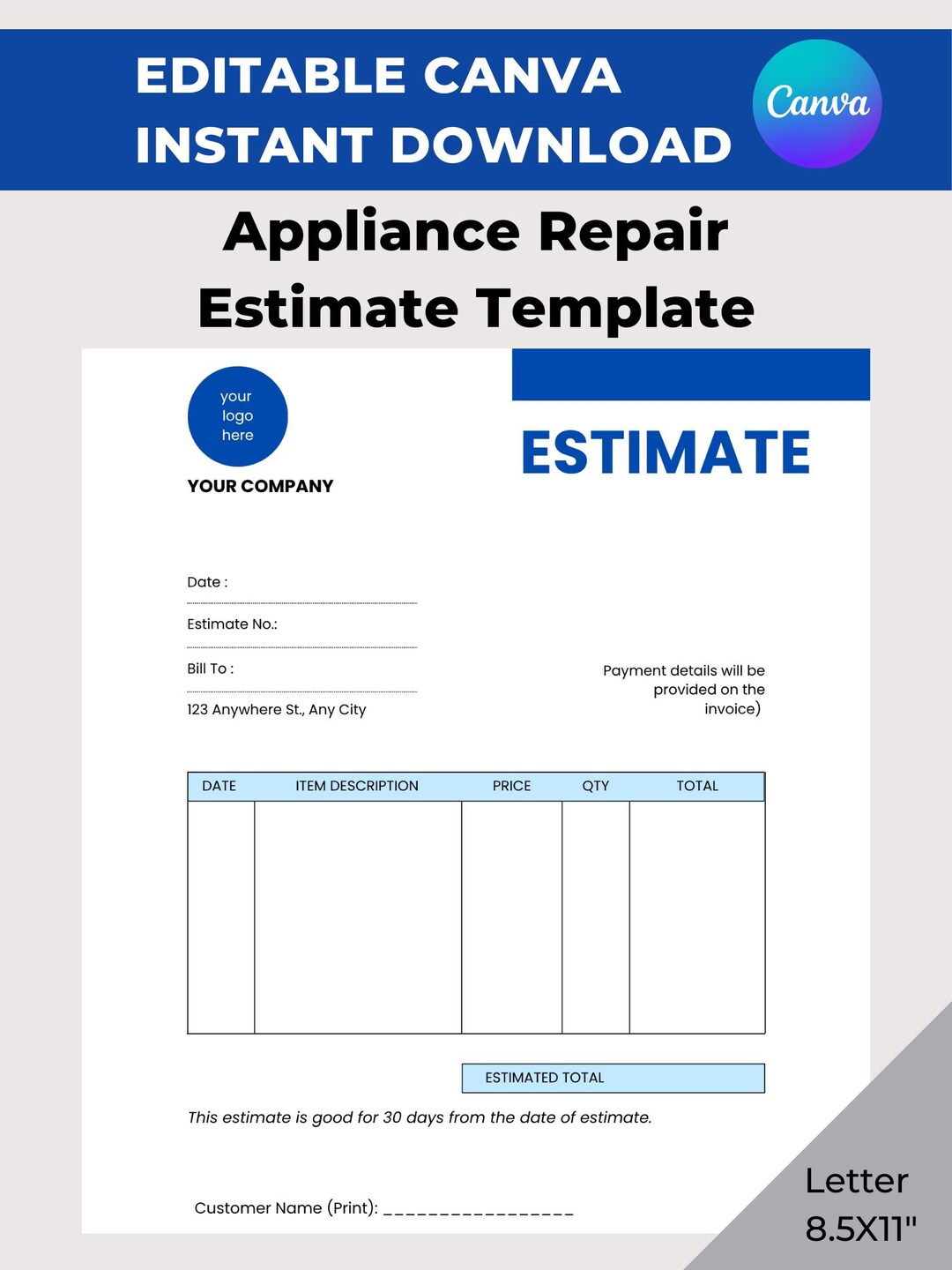
A professional repair quote is rarely a single number scrawled on a piece of paper. In the current service landscape, it is a structured document that breaks down the financial and technical requirements of the job. Understanding these components allows you to compare different providers accurately.
The Service Call and Diagnostic Fee
Most reputable repair companies charge a service call fee, also known as a diagnostic fee. This covers the technician's time, travel, and the use of specialized tools to identify the root cause of the failure. In 2026, this fee generally ranges from $85 to $160, depending on your geographic location and the complexity of the appliance.
Crucially, many companies offer to "waive" or apply this diagnostic fee toward the final repair cost if you choose to proceed with their services. If a quote does not specify whether the diagnostic fee is credited, you should ask for clarification before the technician arrives. This fee ensures the business covers its overhead even if the customer decides the repair is too expensive.
Labor Rates: Flat-Rate vs. Hourly
The labor portion of a quote is increasingly calculated using flat-rate pricing models rather than hourly billing. Companies often use an industry-standard "Blue Book" for appliance repairs, which assigns a specific number of labor units to a particular task (e.g., replacing a dishwasher pump).
Flat-rate pricing is generally preferred by consumers because it provides cost certainty. Even if a technician encounters a stubborn bolt that adds an hour to the job, your price remains the same. Hourly billing, while less common in 2026 for residential repairs, is sometimes used for complex, open-ended electrical troubleshooting.
Parts and Material Costs
Replacement parts are a significant variable in any quote. The document should specify whether the technician intends to use OEM (Original Equipment Manufacturer) parts or aftermarket alternatives.
- OEM Parts: These are made by the same manufacturer that built your appliance. They are generally more expensive but come with better fitment guarantees and manufacturer-backed warranties.
- Aftermarket Parts: These are produced by third-party companies. While often cheaper, their quality can vary. Some high-end brands may void your remaining warranty if non-OEM parts are installed.
Average Repair Cost Estimates by Appliance Type (2026)
While every repair is unique, having a baseline for what constitutes a "fair" quote is vital. The following table outlines common repairs and their expected price ranges, including labor and parts.
| Appliance | Common Issue | Estimated Quote Range (2026) |
|---|---|---|
| Refrigerator | Failed Compressor | $600 – $1,200 |
| Refrigerator | Defrost Timer/Sensor | $200 – $450 |
| Washing Machine | Drain Pump Replacement | $250 – $500 |
| Washing Machine | Control Board Failure | $400 – $750 |
| Dishwasher | Heating Element Replacement | $200 – $400 |
| Dishwasher | Main Circulation Pump | $350 – $650 |
| Oven / Range | Igniter Replacement (Gas) | $200 – $350 |
| Clothes Dryer | Thermal Fuse or Heating Element | $180 – $350 |
Factors That Influence Your Repair Quote
Several variables can cause a quote to swing significantly higher or lower than the averages listed above. Being aware of these factors can help you anticipate the final cost.
Brand and Model Sophistication
Luxury or "pro-sumer" brands such as Sub-Zero, Wolf, Miele, and Viking require specialized training and tools. Parts for these brands are also significantly more expensive and may have longer lead times. Conversely, budget-friendly brands often have widely available, inexpensive parts, which keeps the quote lower.
Smart Technology and Sensors
In 2026, the prevalence of "smart" appliances has shifted the nature of repairs. A refrigerator is no longer just a cooling box; it is a computer connected to a cooling system. If a repair involves the main control board (PCB) or specialized sensors for Wi-Fi connectivity and internal cameras, expect the quote to reflect the higher cost of these electronic components. Technicians now often use tablet-based diagnostic software to communicate with the appliance’s onboard computer, a service that is factored into the technical labor cost.
Accessibility and Installation
If your appliance is "built-in" or integrated into custom cabinetry, the labor cost will rise. A technician who has to spend 45 minutes carefully sliding a heavy, integrated refrigerator out of a tight enclosure without damaging hardwood floors will charge for that extra effort. Similarly, stacked washer-dryer units in cramped closets require more physical labor to access than side-by-side units in a spacious laundry room.
The "Repair vs. Replace" Rule of Thumb
One of the primary reasons to seek a detailed quote is to determine if the appliance has reached the end of its economic life. The "50% Rule" remains the industry standard in 2026. This rule suggests that if an appliance is more than halfway through its expected lifespan and the repair quote exceeds 50% of the cost of a new, equivalent model, replacement is usually the wiser financial move.
For example, if you have a seven-year-old dishwasher (average lifespan is roughly 10–12 years) and the quote to replace the motor is $550, while a new, more energy-efficient model costs $900, the repair is likely not worth the investment. Newer models also offer the benefit of updated energy standards and a fresh manufacturer's warranty. You can check current energy efficiency ratings and expected lifespans through the U.S. Department of Energy or the EPA Energy Star program.
Critical Questions to Ask After Receiving a Quote
To ensure the quote is comprehensive and to avoid "hidden" fees, ask the following questions before authorizing the work:
- Is this a "firm" quote or an estimate? A firm quote is a fixed price for the specified repair, whereas an estimate may be subject to change if the technician discovers additional issues once they begin the work.
- What is the warranty on parts and labor? In 2026, a standard warranty is typically 90 days for labor and 1 year for parts. If a company offers significantly less, it may be a red flag regarding their quality of service.
- Are the parts OEM or aftermarket? As discussed, this impacts both the price and the long-term reliability of the machine.
- Does the total include taxes and disposal fees? Some companies may add a surcharge for disposing of old parts, especially hazardous materials like refrigerator compressors or refrigerants, which require specialized handling according to EPA Section 608 regulations.
Red Flags in Appliance Repair Quotes
Not all quotes are created equal. Watch out for these warning signs that a service provider may not be operating with full transparency:
- Vague Descriptions: If the quote simply says "Repair Oven - $400" without listing the specific part or labor breakdown, you have no way of verifying the fairness of the price.
- Refusal to Provide a Written Quote: Verbal quotes are difficult to enforce. Always insist on a digital or paper copy that includes the company's license and insurance information.
- Extremely Low Quotes: If one quote is $200 lower than three others, the technician may be using low-quality used parts or may lack the necessary insurance and certifications.
- Upfront Payment Requirements: While it is standard to pay the diagnostic fee at the time of service, you should never be asked to pay for the entire repair upfront before the parts are installed and the machine is tested.
DIY vs. Professional Repair: Assessing the Risk
In an effort to save money, many consumers use a quote as a shopping list for DIY repairs. While replacing a dryer belt or a dishwasher rack is manageable for a handy homeowner, many modern repairs carry significant risks.
Electrical Safety: Modern appliances operate on high voltage and contain capacitors that can hold a dangerous charge even when the unit is unplugged. Gas Leaks: Range and oven repairs involving gas lines must be handled by licensed professionals to prevent catastrophic leaks or fires. Precision Calibration: High-efficiency washers use weight sensors and precise water levels. Incorrectly installing a component can lead to "unbalanced" loads that eventually destroy the machine’s bearings.
If your quote involves the sealed system of a refrigerator or any gas-related components, the expertise of a certified technician is worth the cost. You can verify a technician's credentials through organizations like the National Appliance Service Technician Certification (NASTeC).
FAQ
Is it worth paying a diagnostic fee if I'm not sure I want to repair the appliance?
Yes, because an accurate diagnosis prevents you from "parts-cannon" repairing—buying and installing parts that don't solve the problem. The diagnostic fee buys you the expert opinion needed to make an informed "repair vs. replace" decision. Many technicians will also provide a brief maintenance check on other components while they are there.
Can I buy the parts myself to lower the repair quote?
While some technicians allow this, many refuse to install customer-provided parts. This is because the service provider cannot guarantee the quality or compatibility of the part you purchased. Furthermore, if the part fails shortly after installation, a dispute often arises over whether the part was faulty or the labor was improper, leaving you without a warranty.
Why does a quote for a smart appliance cost so much more?
Smart appliances rely on specialized sensors and electronic control units (ECUs). These parts are essentially high-grade computer hardware that must be programmed or "paired" with the machine’s software. The cost of the silicon components and the specialized training required for the technician to navigate the software interface significantly increases the total.
Should I get multiple quotes for a major repair?
For repairs estimated over $500, obtaining a second quote is advisable. However, keep in mind that you will likely have to pay a diagnostic fee to each company. A better approach is to research local labor rates and part prices online first, then ask your preferred technician to explain any significant deviations in their quote.
Does a repair quote include the cost of refrigerant for my fridge?
If your refrigerator has a leak, the quote should explicitly state whether it includes the cost of the refrigerant (such as R-134a or R-600a) and the labor for "evacuation and recharge." In 2026, environmental regulations make refrigerant handling a specialized and costly part of the repair.
Practical Recommendation
When you receive an appliance repair quote, take five minutes to cross-reference the suggested part price with online retailers using your appliance's exact model number. If the technician's part price is significantly higher (more than a 20-30% markup), ask them about it; often, the higher price includes their own internal warranty and the cost of expedited shipping. Always choose a provider that offers a clear, written warranty on their labor, as this is the best indicator of a technician's confidence in their work.