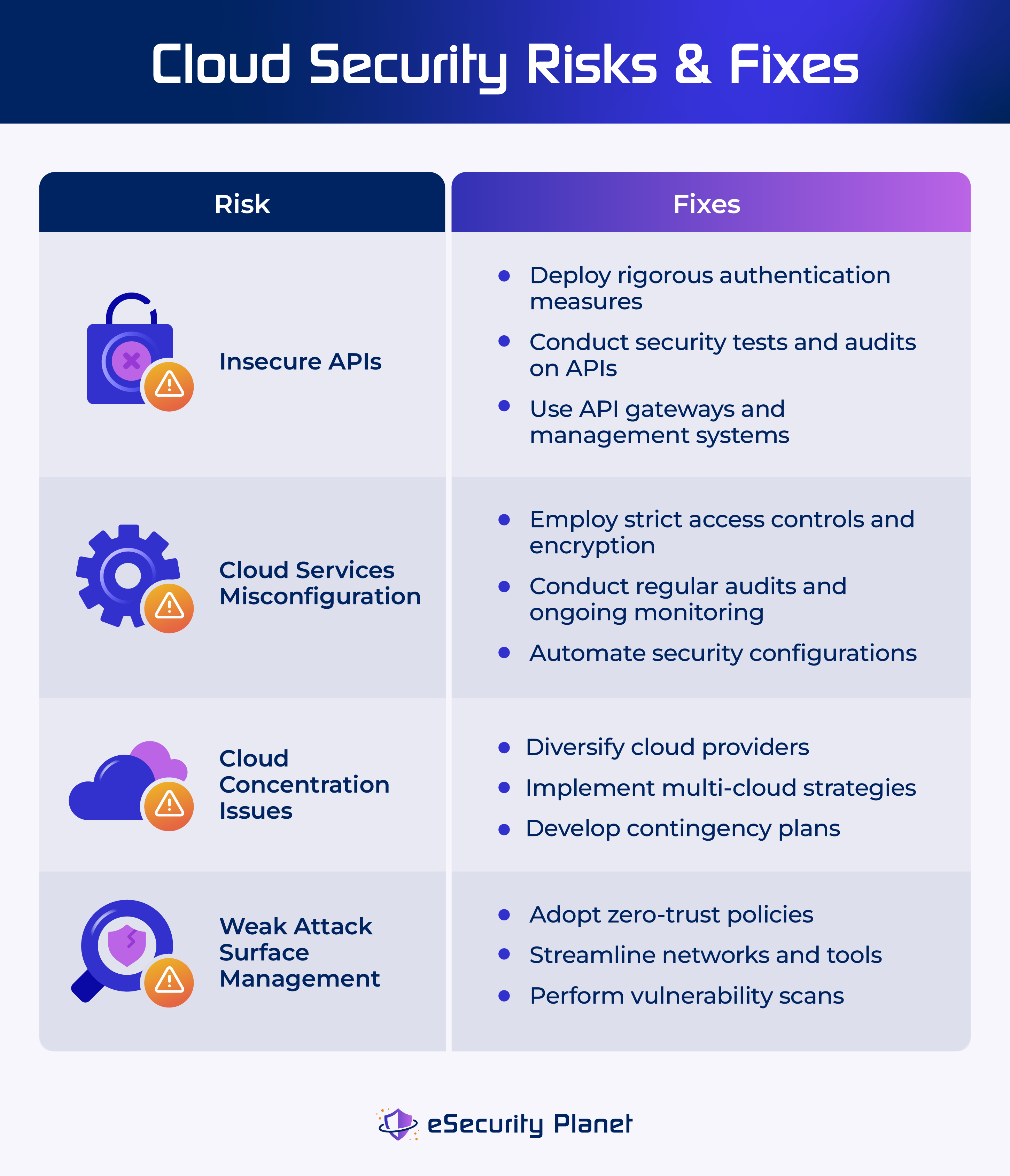
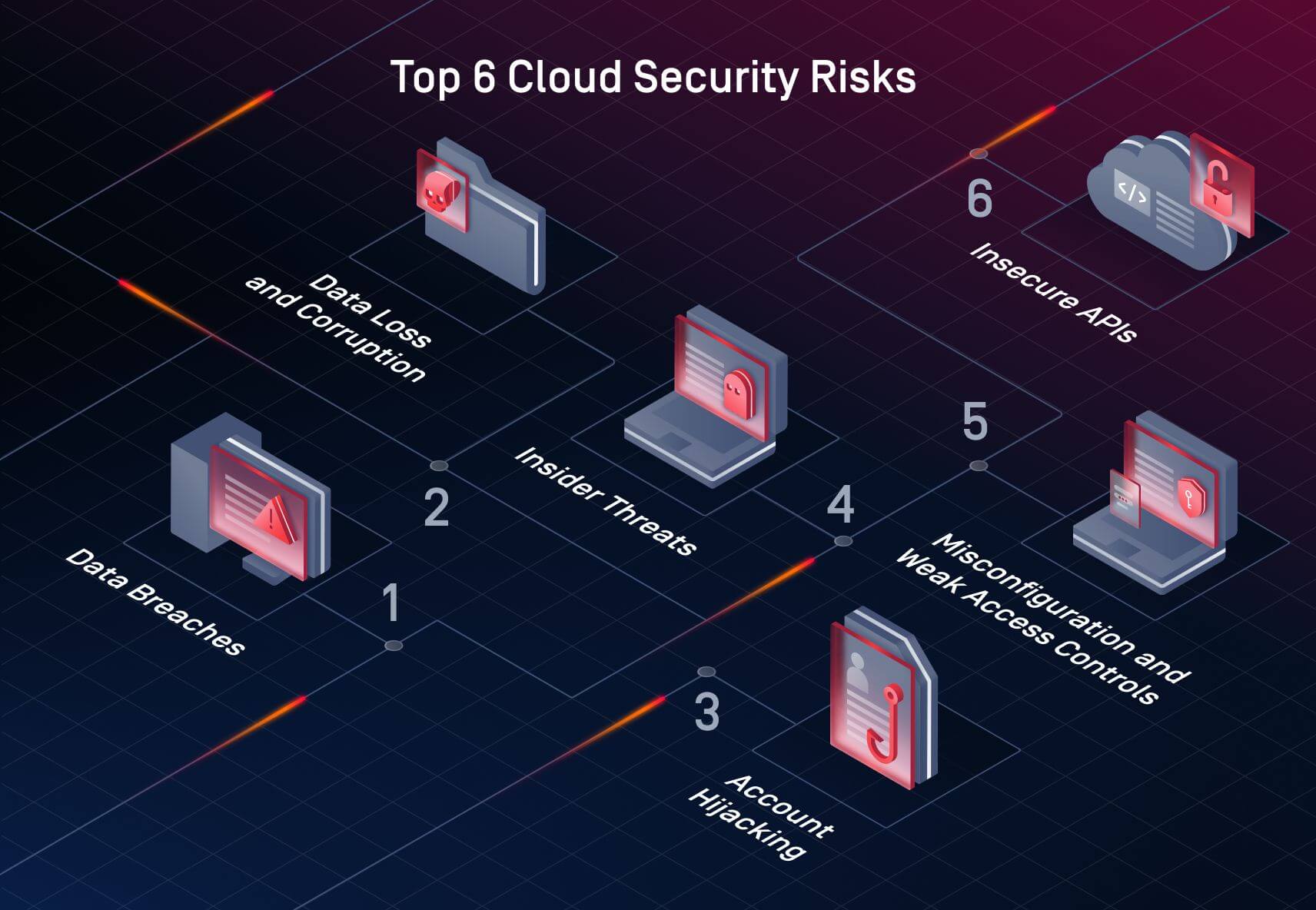
Application level security issues in public cloud environments involve vulnerabilities within the software layer, such as broken access control, injection flaws, and insecure APIs. Unlike infrastructure security, these fall under the customer’s responsibility. Managing them requires a blend of secure coding, robust identity management, and continuous automated monitoring across distributed, cloud-native architectures to prevent data breaches and unauthorized access.
The landscape of cloud computing in 2026 has shifted significantly toward serverless architectures, microservices, and AI-driven automation. While cloud service providers (CSPs) like Amazon Web Services (AWS), Microsoft Azure, and Google Cloud Platform (GCP) have become exceptionally adept at securing the underlying physical and virtualized infrastructure, the application layer remains the most vulnerable point of entry for malicious actors. This is largely because the "Shared Responsibility Model" dictates that while the provider secures the cloud, the customer must secure what they put in the cloud.
The Evolution of Application Layer Threats in 2026
As we navigate 2026, the complexity of application security has increased due to the sheer volume of interconnected components. A single modern application might rely on hundreds of third-party APIs, containerized microservices, and serverless functions. This modularity, while excellent for scalability, creates a massive attack surface.
Traditional firewalls and perimeter-based defenses are no longer sufficient. Attackers now focus on exploiting logic flaws, misconfigured permissions, and vulnerabilities in the application code itself. The primary goal is often data exfiltration or the hijacking of cloud resources for unauthorized use, such as cryptojacking or distributed denial-of-service (DDoS) botnets.
Broken Object Level Authorization (BOLA)
BOLA remains one of the most pervasive application-level issues. It occurs when an application does not properly validate if a user has the right to access a specific object via an ID in a request. In a cloud environment where data is often accessed via RESTful APIs, an attacker can simply change a resource ID in a URL or a JSON body to access another user's data.
For example, if a cloud-based medical portal uses /api/v1/records/1001 to fetch patient data, an attacker might iterate through IDs (1002, 1003) to download thousands of records. In 2026, AI-enhanced scanners are frequently used by attackers to find these predictable patterns in API structures.
Server-Side Request Forgery (SSRF)
SSRF has become a critical cloud-specific threat. In an SSRF attack, the attacker induces the server-side application to make HTTP requests to an arbitrary domain of the attacker's choosing. In a public cloud context, this is often used to target the Instance Metadata Service (IMDS).
By querying the metadata service (such as http://169.254.169.254/ in AWS or Azure), an attacker can extract sensitive information, including temporary IAM (Identity and Access Management) credentials. If the application layer is not properly hardened, a simple SSRF vulnerability can lead to a full account takeover. Although versions like IMDSv2 require session-oriented headers to mitigate this, legacy applications or misconfigured deployments still leave doors open.
Identity and Access Management (IAM) Misconfigurations
In 2026, IAM is the new perimeter. However, managing granular permissions across thousands of microservices is a daunting task. Application-level security issues often stem from "permission creep" or the use of overly permissive roles.
Excessive Permissions for Service Accounts
Applications running in the cloud use service accounts or identities (like AWS IAM Roles or Azure Managed Identities) to interact with other cloud services, such as S3 buckets or NoSQL databases. A common mistake is assigning the AdministratorAccess or FullAccess policy to an application that only needs to read a single database table. If that application is compromised via a code-level vulnerability, the attacker inherits those broad permissions, allowing them to move laterally through the entire cloud environment.
Secrets Management Failures
Hardcoding API keys, database passwords, or encryption keys within the application code or configuration files is a persistent issue. Despite the availability of sophisticated tools like AWS Secrets Manager or HashiCorp Vault, many development teams still inadvertently leak secrets into version control systems like GitHub. Once a secret is exposed, the application's entire security posture at the cloud level is compromised.
API Security and Shadow APIs
APIs are the connective tissue of the public cloud. However, they are frequently the least documented and most exposed parts of an application.
Shadow and Zombie APIs
"Shadow APIs" are those deployed by developers for testing or bypass purposes that never went through formal security review. "Zombie APIs" are older versions of an API that remain active even after a newer, more secure version has been released. These unmonitored endpoints often lack modern authentication and rate-limiting, making them easy targets for attackers.
Lack of Rate Limiting and Throttling
Without proper rate limiting at the application level (or via a Web Application Firewall/API Gateway), applications are susceptible to brute-force attacks and resource exhaustion. In a public cloud environment, a lack of throttling can also lead to "denial of wallet" attacks, where an attacker sends massive amounts of traffic to an auto-scaling application, causing the victim's cloud bill to skyrocket.
| Security Issue | Attack Vector | Primary Impact | Recommended Mitigation |
|---|---|---|---|
| BOLA | Manipulation of Resource IDs | Data Exfiltration | Implement strict object-level authorization checks. |
| SSRF | Metadata Service Queries | Credential Theft | Disable legacy metadata services; use IMDSv2. |
| IAM Over-permissioning | Exploiting Service Roles | Lateral Movement | Apply the Principle of Least Privilege (PoLP). |
| Insecure Dependencies | Vulnerable Libraries | Remote Code Execution | Continuous Software Composition Analysis (SCA). |
| Shadow APIs | Undocumented Endpoints | Unauthorized Access | Implement API Discovery and Inventory tools. |
The Vulnerability of Serverless and Containerized Applications
The shift toward serverless (AWS Lambda, Azure Functions) and containers (Kubernetes, ECS) has introduced unique application-level security challenges.
Event Injection in Serverless
In serverless architectures, functions are triggered by events (e.g., an image upload to a storage bucket or a message in a queue). If the function does not properly sanitize the input from these events, it can be vulnerable to injection attacks. Unlike a traditional server, the "ephemeral" nature of serverless doesn't mean it's safe; an attacker can still use the execution window to steal data or trigger other downstream processes.
Container Image Vulnerabilities
Applications deployed in containers often rely on base images that may contain outdated libraries with known vulnerabilities (CVEs). If an application is running as a "root" user inside the container, an attacker who gains code execution can potentially break out of the container and access the host node or other containers in the cluster. In 2026, securing the container lifecycle—from build to registry to runtime—is non-negotiable.
Supply Chain Security: The 2026 Frontier
Modern cloud applications are rarely built from scratch. They are assembled using open-source libraries, frameworks, and third-party SaaS integrations. This has made the "Software Supply Chain" a prime target.
Dependency Confusion and Poisoning
Attackers can upload malicious packages with names similar to popular internal libraries to public repositories (like npm or PyPI). If the application's build system is not configured correctly, it may pull the malicious public package instead of the intended internal one. This allows the attacker to execute code directly within the application's build or production environment.
The Role of SBOMs
By 2026, the use of Software Bill of Materials (SBOM) has become a standard requirement for cloud security. An SBOM is a formal, machine-readable inventory of all software components and dependencies used in an application. Without a clear SBOM, organizations struggle to identify if they are affected when a new vulnerability is discovered in a common library (similar to the Log4j crisis of the past).
Best Practices for Mitigation and Remediation
Addressing application-level security issues requires a proactive, "Shift Left" approach where security is integrated into every stage of the Software Development Life Cycle (SDLC).
- Adopt a Zero Trust Architecture: Never assume that traffic within the cloud VPC is safe. Every request between microservices should be authenticated and authorized using mutual TLS (mTLS) and fine-grained IAM policies.
- Implement Continuous Security Testing: Use a combination of Static Application Security Testing (SAST), Dynamic Application Security Testing (DAST), and Interactive Application Security Testing (IAST). These tools should be integrated into the CI/CD pipeline to catch vulnerabilities before they reach production.
- Utilize Web Application and API Protection (WAAP): Modern WAAP solutions go beyond traditional WAFs by using machine learning to detect anomalous behavior, bot traffic, and complex API-based attacks.
- Centralized Secrets Management: Use native cloud services (e.g., Google Secret Manager) to inject credentials into applications at runtime. Ensure that these secrets are rotated frequently.
- Runtime Security and Observability: Implement Cloud-Native Application Protection Platforms (CNAPP) to monitor the behavior of applications in real-time. If a container starts making unusual outbound connections or executing unrecognized system calls, the system should automatically isolate the resource.
Frequently Asked Questions
How does the Shared Responsibility Model apply specifically to application security?
In the public cloud, the CSP is responsible for the security of the cloud (data centers, hardware, and the virtualization layer). The customer is responsible for security in the cloud. This means the customer is 100% responsible for the security of their application code, the data stored within it, and the configuration of access permissions. If an application is hacked due to a SQL injection, the CSP is not liable; the customer is.
What are the most common API security risks in 2026?
The most common risks include Broken Object Level Authorization (BOLA), Broken Authentication, and Excessive Data Exposure. Additionally, "unrestricted resource consumption" is a major concern, where APIs are flooded with requests that drive up cloud costs or crash underlying serverless functions.
Why is SSRF more dangerous in the cloud than in traditional on-premise environments?
In traditional environments, an SSRF attack usually allows an attacker to scan the internal network. In the cloud, the presence of the Metadata Service makes it much more dangerous. The metadata service is a well-known, predictable endpoint that often contains temporary security credentials for the role assigned to the server. Accessing these credentials can give an attacker the same permissions as the application itself across the entire cloud platform.
Can AI help in securing applications in the public cloud?
Yes, AI is a double-edged sword. While attackers use AI to find vulnerabilities, defenders use it for anomaly detection and automated remediation. In 2026, AI-driven tools can analyze vast amounts of application logs to identify patterns that signify a "low and slow" data exfiltration attempt or a credential stuffing attack that would be impossible for a human to detect manually.
Is serverless safer than using virtual machines for application hosting?
Serverless can be safer because it reduces the "attack surface" (you don't have to patch the OS or manage the middleware). However, it introduces different risks, such as complex permission management and event-data injection. Serverless security relies heavily on the Principle of Least Privilege; if a function only needs to write to one specific database, its IAM role should be restricted to exactly that.
Final Recommendation
To effectively manage application level security issues in the public cloud in 2026, organizations must move away from reactive security models. The most successful approach is the implementation of a comprehensive DevSecOps program. This involves automating security checks within the CI/CD pipeline, enforcing strict IAM policies through "Infrastructure as Code" (IaC), and maintaining a real-time inventory of all APIs and dependencies via SBOMs. By treating security as a continuous process rather than a final checkbox, businesses can leverage the agility of the cloud without exposing themselves to catastrophic application-layer risks.