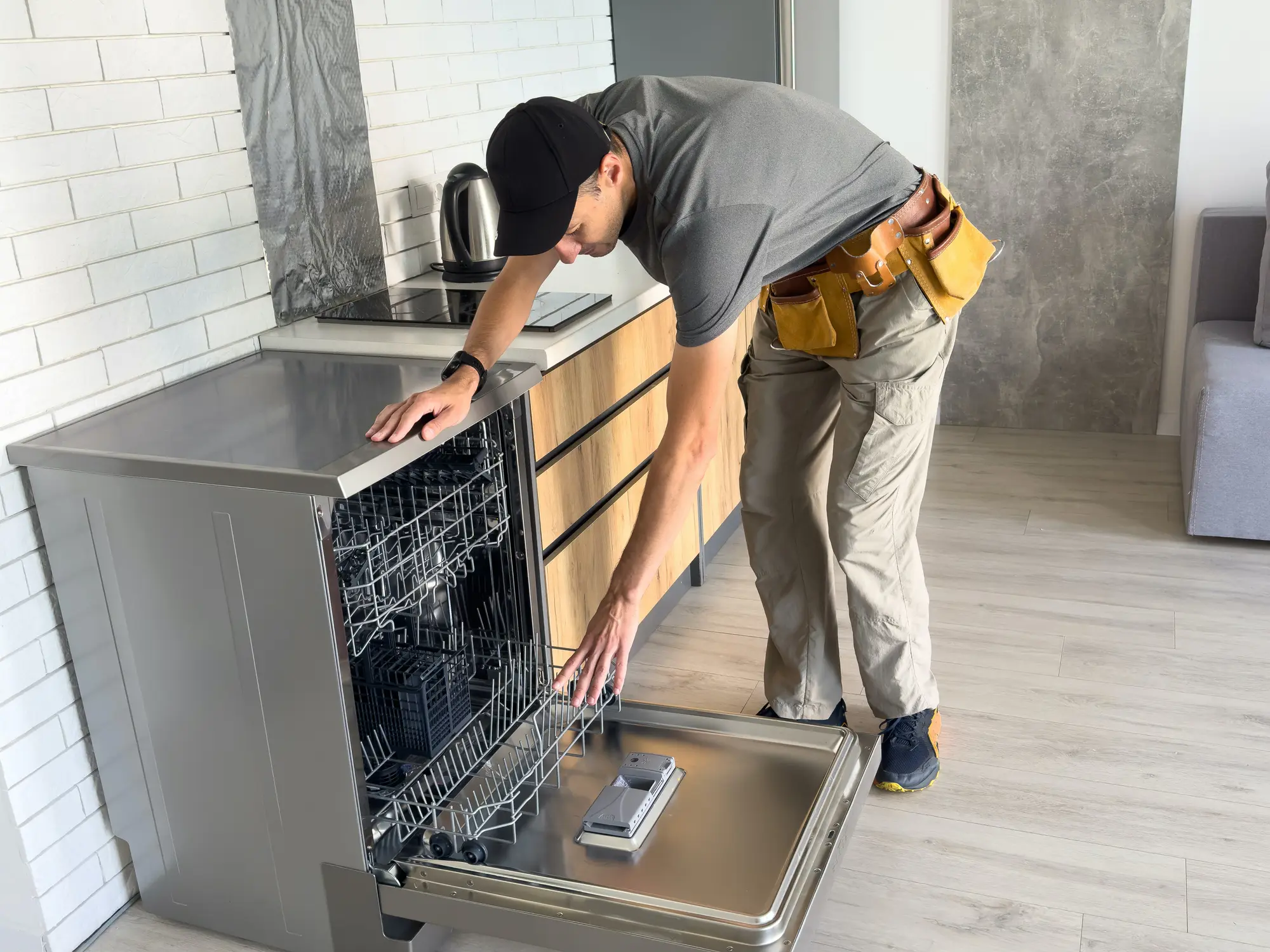
Finding reliable appliance repair or installation near you requires verifying technician certifications, understanding current local labor rates (averaging $120–$250 per hour in 2026), and determining if a machine’s age makes replacement more cost-effective. Use this guide to vet contractors, prepare your home for installation, and troubleshoot common household appliance failures before calling a professional.
Navigating the 2026 Appliance Landscape: Repair or Replace?
In 2026, the decision to repair an appliance versus replacing it has become increasingly complex due to the integration of smart technology and shifting "Right to Repair" legislation. When an appliance malfunctions, your first step is to apply the 50% Rule. If the cost of the repair exceeds 50% of the price of a brand-new, equivalent model, and the appliance is more than halfway through its expected lifespan, replacement is generally the more sustainable financial choice.
The lifespan of modern appliances has changed. While older mechanical units often lasted 20 years, contemporary machines equipped with sensitive electronic control boards typically offer a service life of 8 to 12 years. For instance, a high-end refrigerator might last 12 years, but its internal ice maker or digital display may fail within five. Understanding these timelines helps you decide whether a $400 repair on a seven-year-old dishwasher is a sound investment or a temporary fix for a failing system.
Furthermore, consider the energy efficiency gains available in 2026 models. Newer units often meet more stringent Energy Star requirements, potentially saving you enough on monthly utility bills to offset the cost of a new purchase within three to four years. If your current unit uses legacy refrigerants or outdated heating elements, the long-term operational savings of a new installation may outweigh the immediate savings of a repair.
How to Find and Vet Reliable Local Technicians
Searching for "appliance repair near me" often yields a saturated list of sponsored results. To find a truly qualified professional, you must look beyond the top-ranked search results and evaluate technical credentials.
Verifying Certifications and Insurance
In the United States and Canada, reputable technicians often hold certifications from the National Appliance Service Technician Certification (NASTeC) or the Professional Service Association (PSA). These certifications indicate that the technician has passed rigorous exams covering electrical systems, refrigeration cycles, and advanced diagnostics.
For gas-powered appliances, such as dryers or ranges, verify that the technician is licensed to work with gas lines. In many jurisdictions, this requires a specific plumbing or gas-fitter license. Additionally, always ask for proof of general liability insurance and workers' compensation. This protects you from financial liability if a technician is injured on your property or if a faulty repair leads to subsequent water or fire damage.
Manufacturer-Authorized Service
If your appliance is still under warranty, you must use a manufacturer-authorized service provider. Using an independent, unauthorized repair shop can void your remaining warranty. Even if the unit is out of warranty, authorized technicians often have better access to proprietary diagnostic software and genuine Original Equipment Manufacturer (OEM) parts. While third-party "universal" parts are cheaper, they may not meet the exact specifications required by modern sensors, leading to "ghost" error codes or premature part failure.
Understanding Service Fees and Labor Costs in 2026
Transparency in pricing is the hallmark of a professional service. Most appliance repair companies charge a diagnostic fee (also known as a trip charge), which typically ranges from $85 to $150. This fee covers the technician's time and travel to identify the problem. Many companies will waive this fee if you choose to proceed with the recommended repair.
Labor rates in 2026 have seen a slight increase due to the specialized training required for "smart" appliances. You can expect to pay between $120 and $250 per hour, depending on your geographic location and the complexity of the machine.
Cost Breakdown by Appliance Type
| Appliance Type | Average Lifespan | Common Repair Cost (2026) | New Installation Labor |
|---|---|---|---|
| Refrigerator | 10–14 Years | $250 – $600 | $150 – $300 |
| Washing Machine | 8–12 Years | $200 – $450 | $120 – $200 |
| Clothes Dryer | 10–13 Years | $150 – $350 | $100 – $180 |
| Dishwasher | 7–10 Years | $180 – $400 | $150 – $250 |
| Gas Range/Oven | 12–15 Years | $250 – $500 | $200 – $400 |
| Built-in Microwave | 6–9 Years | $100 – $250 | $120 – $200 |
Note: Costs are estimates and can vary based on part availability and local market conditions.
Critical Requirements for Professional Installation
Proper installation is the foundation of an appliance's longevity. A significant percentage of "early failures" are actually the result of improper setup rather than manufacturing defects. When hiring for installation, ensure the following technical requirements are met:
Electrical and Circuit Compliance
Modern high-capacity appliances, particularly induction cooktops and high-speed dryers, may require dedicated circuits. In 2026, many local building codes have adopted the latest National Electrical Code (NEC) updates, which may necessitate the installation of GFCI (Ground Fault Circuit Interrupter) or AFCI (Arc Fault Circuit Interrupter) breakers for kitchen and laundry areas. An installer should verify that your existing wiring can handle the amperage load of the new unit to prevent tripped breakers or electrical fires.
Water Line and Drainage Security
For refrigerators with ice makers and dishwashers, the quality of the water connection is paramount. Professional installers should use braided stainless steel hoses rather than plastic tubing, as plastic is prone to cracking and causing catastrophic leaks. For dishwashers, the installer must ensure a "high loop" or the use of an air gap in the drain line to prevent sink wastewater from siphoning back into the clean dishwasher tub.
Leveling and Stabilization
An unlevel washing machine will experience excessive vibration during the spin cycle, which prematurely wears out the drum bearings and suspension springs. A professional installer will use a spirit level to adjust the feet of the machine and may perform a "calibration cycle" (common in 2026 smart washers) to ensure the internal sensors are balanced.
Common Troubleshooting Steps Before You Call a Pro
Before committing to a service fee, perform these basic diagnostic steps. Many "broken" appliances are simply experiencing minor external issues.
- Check the Power Source: It sounds elementary, but a tripped GFCI outlet or a loose plug accounts for nearly 10% of service calls. Unplug the unit for 60 seconds to perform a "hard reset" of the control board.
- Inspect Filters and Vents: A dryer that isn't drying usually has a clogged lint trap or a blocked exterior vent. A dishwasher that leaves spots often has a dirty mesh filter at the bottom of the tub.
- Verify Child Lock Settings: Many modern appliances feature a "Child Lock" or "Control Lock" mode that disables all buttons. Check your display for a small padlock icon or a specific "CL" error code.
- Examine Water Supply Valves: If your washer or fridge isn't getting water, ensure the shut-off valve (usually located behind the unit or under the sink) hasn't been accidentally bumped into the "off" position.
- Listen for Error Codes: In 2026, most appliances communicate via specific beep patterns or digital codes (e.g., E1, F5). Consult the manufacturer’s digital manual or app to decode these before calling a technician. Providing this code over the phone can help the tech bring the correct parts on the first visit.
The Role of Smart Diagnostics and Remote Support
A significant development in 2026 is the prevalence of Remote Diagnostic Systems. Many manufacturers, such as Samsung, LG, and Whirlpool, now offer apps that allow you to hold your smartphone up to the appliance. The machine transmits a sonic or digital signal that the app interprets into a specific fault report.
When searching for "appliance repair near me," look for shops that utilize these remote diagnostics. Some technicians can now perform a "virtual "prep" call. By seeing the error code and model number via your home network, they can ensure the necessary part is on their truck before they ever pull into your driveway. This reduces "second-visit" delays, which have historically been the biggest frustration in the appliance repair industry.
Environmental Considerations and Disposal
If you are replacing an appliance, you must consider the legal and environmental requirements for disposal. Appliances containing refrigerants (refrigerators, freezers, and air conditioners) cannot simply be thrown in the trash. Under EPA regulations, the refrigerant must be professionally recovered by a certified technician to prevent ozone depletion and greenhouse gas emissions.
Many professional installation services include "haul-away" for a small fee (typically $25–$75). Ensure the company utilizes an EPA-certified recycling center. In 2026, many jurisdictions also offer rebates for recycling old, inefficient appliances through local utility programs.
Frequently Asked Questions
Is it worth repairing a 10-year-old refrigerator?
Generally, no. The average lifespan of a modern refrigerator is 10 to 14 years. At the 10-year mark, the compressor (the heart of the cooling system) is likely near the end of its life. A major repair at this stage often costs nearly as much as a mid-range new unit, which would be more energy-efficient and come with a new warranty. However, if the issue is a simple fan motor or a door seal, a repair under $200 may be worth it to get another two years of use.
Why do technicians charge a diagnostic fee even if they don't fix anything?
The diagnostic fee covers the technician's professional expertise, travel time, vehicle overhead, and the use of specialized diagnostic tools. Identifying the root cause of a failure in a complex machine with dozens of sensors and electronic components is often the most difficult part of the job. Most reputable companies in 2026 will credit this fee toward the final labor bill if you choose to proceed with the repair.
How can I tell if my dishwasher leak is a major repair or an installation issue?
Check the bottom of the dishwasher behind the "kickplate" (the removable panel at the floor level). If water is dripping from a threaded connection, it is likely an installation issue involving the water supply line or the drain hose. If water is leaking from the center of the motor or the door gasket, it is a component failure requiring a repair technician.
Can I install a gas range myself to save money?
It is strongly recommended that you hire a licensed professional for gas installations. Improperly sealed gas connections or the use of an incorrect flexible gas connector can lead to slow leaks and carbon monoxide buildup. Furthermore, many homeowner insurance policies may not cover damages caused by a gas appliance that was not installed by a certified professional.
What is the average wait time for appliance parts in 2026?
Parts availability has improved significantly since the supply chain disruptions of the early 2020s. For major brands (Whirlpool, GE, Samsung), most parts are available within 2 to 5 business days. However, for "luxury" or European brands (Miele, Sub-Zero, Gaggenau), specialized components may still take 10 to 14 days if they must be shipped from overseas distribution centers.
Does a "smart" appliance cost more to repair?
Yes, typically. Smart appliances rely on interconnected sensors and Wi-Fi modules. A failure in the "smart" functionality often requires the replacement of the entire main control board rather than a single mechanical switch. These boards can cost between $250 and $500, significantly increasing the total repair bill compared to legacy mechanical appliances.
Practical Recommendation for Homeowners
To minimize the need for emergency repairs, implement a bi-annual maintenance routine: vacuum the condenser coils on your refrigerator, clean your dishwasher’s sump filter, and inspect your washing machine’s fill hoses for bulges or cracks. When a failure does occur, always verify the technician's NASTeC certification and insurance before they begin work. If your appliance is over eight years old, get a firm written estimate for the repair and compare it against the cost of a modern, energy-efficient replacement to ensure you are making the most financially sound decision for your household.