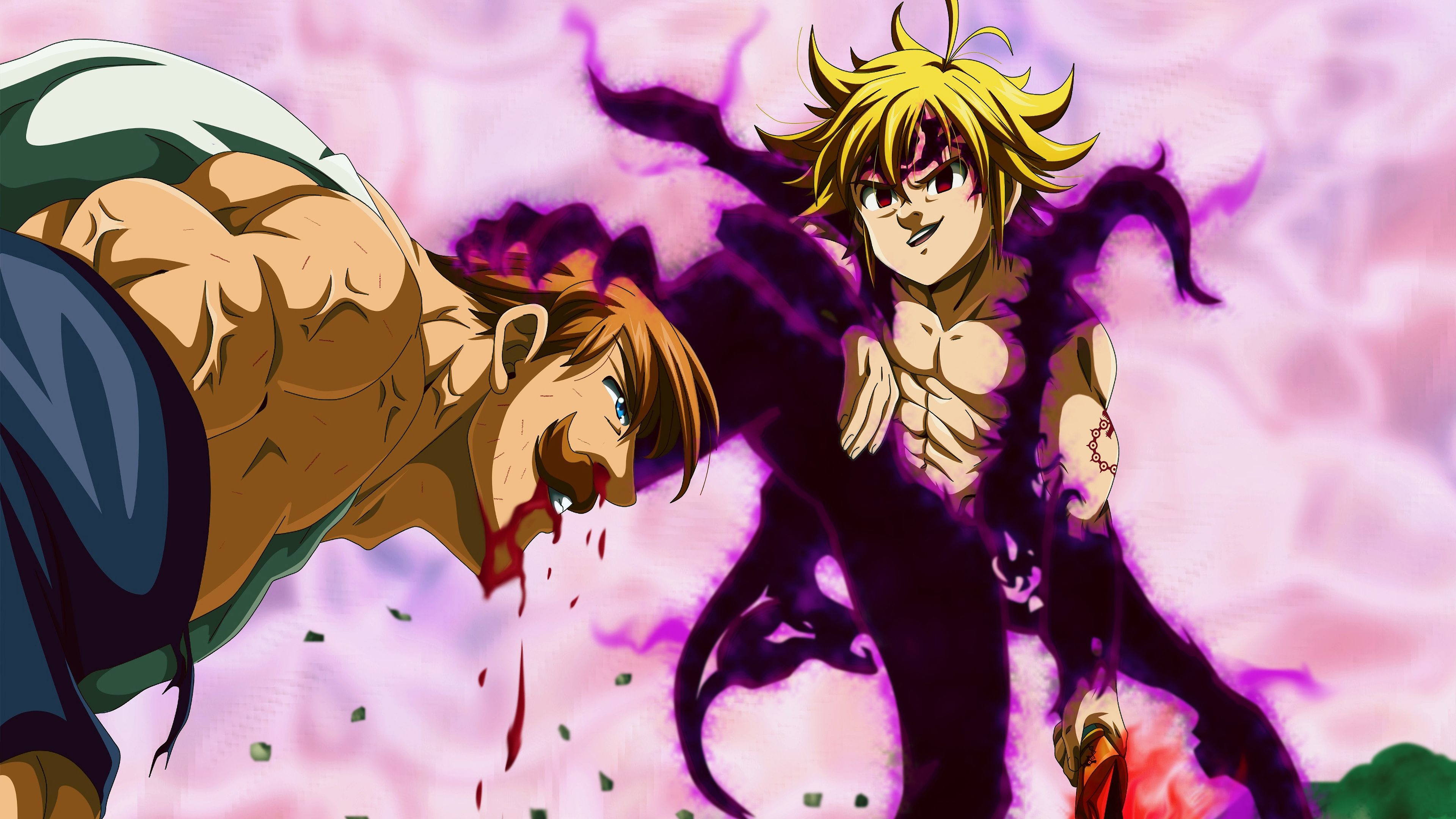
Capturing all 7 Deadly Sins characters in one look requires a strategic blend of their signature color palettes, Sacred Treasure motifs, and iconic sin tattoos. By prioritizing the Dragon, Serpent, Fox, Grizzly, Goat, Boar, and Lion symbols alongside a unified "Sins" color gradient, designers and cosplayers can create a cohesive visual tribute that honors the entire legendary knight ensemble.
The characters of Nakaba Suzuki’s The Seven Deadly Sins (Nanatsu no Taizai) are defined by their distinct visual identities. From Meliodas’s messy blonde hair and Dragon Handle to Escanor’s towering physique and Sun-themed armor, each character represents a specific vice and a unique aesthetic. When an artist or fashion designer attempts to represent "all 7 Deadly Sins characters in one look," they are engaging in a complex task of visual synthesis. This process involves distilling each character down to their most recognizable elements and finding a harmonious way to display them simultaneously.
The Core Visual Identifiers of the Seven Deadly Sins
To successfully execute a composite look, one must first understand the fundamental design pillars of each Sin. In the world of 2026 anime fandom, where minimalist and "fusion" designs have become increasingly popular, identifying these pillars is essential for any high-level artistic project.
Meliodas (Dragon’s Sin of Wrath)
Meliodas is characterized by a blend of innocence and hidden ferocity. His primary visual markers include:
- The Dragon Sin Mark: Located on his left bicep, this Ouroboros-style dragon is his most vital identifier.
- The Dragon Handle: The broken sword he carries early in the series is a unique silhouette that instantly signals his presence.
- Color Palette: Typically involves whites, blacks, and a specific shade of forest green (from his tavern vest).
Diane (Serpent’s Sin of Envy)
As a member of the Giant Clan, Diane’s look is dominated by earthy tones and structural accessories.
- The Serpent Sin Mark: Found on her left outer thigh.
- Gideon: Her massive War Hammer provides a heavy, industrial element to any design.
- Color Palette: Primarily orange and nut-brown, often accented with silver-studded gauntlets.
Ban (Fox’s Sin of Greed)
Ban’s aesthetic is arguably the most modern and edgy within the group, making it a favorite for streetwear-inspired "one look" designs.
- The Fox Sin Mark: Located on the left side of his waist, just above the hip.
- Physical Scars: The distinct three-lined scar on the left side of his neck is a non-negotiable detail.
- Color Palette: Deep crimson red leather, contrasted with light blue or silver hair tones.
King (Grizzly’s Sin of Sloth)
King’s look is defined by soft textures and a transformative weapon, lending a whimsical yet powerful vibe.
- The Grizzly Sin Mark: Located on his left ankle.
- Chastiefol (Spirit Spear): Specifically in its pillow form, which adds a sense of comfort and "sloth" to the silhouette.
- Color Palette: A combination of teal, mustard yellow, and navy blue.
Gowther (Goat’s Sin of Lust)
Gowther’s design is androgenous and intellectual, emphasizing his nature as a doll.
- The Goat Sin Mark: Positioned on the right side of his chest.
- Twin Bow Herritt: The glowing pink energy bows offer a luminous element for digital art or LED-integrated costumes.
- Color Palette: Magenta, light pink, and white, usually topped with his signature glasses.
Merlin (Boar’s Sin of Gluttony)
Merlin’s look is the most overtly magical and daring, focusing on regal and arcane motifs.
- The Boar Sin Mark: Found on the left side of her neck.
- Aldan (Morning Star): Her floating crystal ball provides a spherical, mystical focal point.
- Color Palette: Royal purple, gold, and dark indigo.
Escanor (Lion’s Sin of Pride)
Escanor’s aesthetic varies between "Night" and "Day" forms, but the "Day" form is what most designers aim for.
- The Lion Sin Mark: Centered on his massive back.
- Rhitta (Divine Axe): An ornate, golden, one-handed axe that represents the sun.
- Color Palette: Gold, bright yellow, and polished steel.
Strategies for Integrating Seven Characters into One Design
When attempting to merge these seven disparate styles into a single "look," designers generally follow one of three creative paths: the Tattoo Collage, the Gradient Ensemble, or the Weapon-Centric Silhouette.
The Tattoo Collage Approach
The most literal way to represent all seven characters is through the placement of their Sin marks. For a human model or a single character illustration, this involves distributing the seven tattoos across the body in a way that remains visible. In high-fashion photography or concept art, these marks are often reimagined as embroidery or glowing runes on a single garment. The challenge here is spacing; because the tattoos vary in size and complexity, they must be scaled to ensure the Lion (Escanor) doesn't overwhelm the Boar (Merlin).
The Gradient Ensemble
This method focuses on color theory. By taking the primary color of each Sin and arranging them in a gradient, you can create a garment that feels like the entire team.
- Red (Ban) -> Orange (Diane) -> Gold (Escanor) -> Green (Meliodas) -> Teal (King) -> Purple (Merlin) -> Pink (Gowther). This progression covers the entire rainbow, which is fitting for the "Seven" theme. Using a patchwork technique—where different fabrics like leather (Ban), silk (Merlin), and heavy wool (King) are sewn together—adds a tactile depth that suggests the different personalities of the Sins.
The Weapon-Centric Silhouette (The "Medley" Weapon)
For artists, creating a single "look" often means creating a single figure holding a composite weapon. Imagine a spear (Chastiefol) with a dragon-hilt (Meliodas), a weighted hammer-head (Gideon), and glowing bowstrings (Herritt). This "Omni-Weapon" serves as a shorthand for the entire group. When the character holding this weapon wears a cloak featuring the Sun (Escanor) and the Fox (Ban) patterns, the "all-in-one" intent becomes undeniable.
Technical Specifications for Character Elements
To ensure accuracy in a professional-grade design as of 2026, certain technical details must be respected. The following table summarizes the key visual data points needed to build a comprehensive look.
| Character | Sin | Primary Symbol | Signature Color (Hex) | Key Texture |
|---|---|---|---|---|
| Meliodas | Wrath | Dragon | #228B22 (Forest Green) | Canvas / Worn Leather |
| Diane | Envy | Serpent | #FF8C00 (Dark Orange) | Suede / Studded Metal |
| Ban | Greed | Fox | #B22222 (Fire Brick) | High-Shine Leather |
| King | Sloth | Grizzly | #008080 (Teal) | Quilted / Plush Fabric |
| Gowther | Lust | Goat | #FF69B4 (Hot Pink) | Smooth Synthetic / Glass |
| Merlin | Gluttony | Boar | #4B0082 (Indigo) | Silk / Velvet |
| Escanor | Pride | Lion | #FFD700 (Gold) | Polished Plate Armor |
Advanced Design: The "Sins of the Past" Aesthetic
In the current 2026 design landscape, there is a trend toward "relic" versions of these characters. Instead of clean, bright colors, designers are using "all 7 characters in one look" by creating a weathered, battle-torn ensemble. This involves using a base neutral color (like a charcoal grey or off-white) and applying the icons of the Sins as faded, distressed "stamps."
This approach is particularly effective for those who want a subtle, sophisticated tribute rather than a loud, colorful cosplay. For instance, a high-end streetwear jacket might feature Meliodas’s dragon on the zipper pull, Ban’s fox embroidered in tonal thread on the sleeve, and Merlin’s boar as a small, golden neck-tag. This distributes the characters across the "look" without making it feel cluttered.
Common Pitfalls in Composite Character Design
When trying to include seven distinct icons in one outfit or artwork, it is easy to fall into the trap of "visual noise." Here is how to avoid the most common mistakes:
- Clashing Textures: Putting Ban’s leather directly next to King’s quilted fabric can look messy. Use a "buffer" material, like a black matte denim, to separate the high-texture character elements.
- Improper Scaling: Escanor’s Lion mark is naturally meant to be large, while Merlin’s Boar is small. If you make them all the same size to be "fair," you lose the character-specific essence. Maintain the relative scale found in the original character designs.
- Ignoring the Silhouette: A look that represents all seven characters should still have a strong, singular silhouette. If you add too many accessories (the hammer, the spear, the axe, the bow), the figure becomes a shapeless mass. Choose one "base" silhouette (like Meliodas’s small frame or Escanor’s tall frame) and build the other elements onto it as accents.
- Color Overload: Using all seven hex codes in equal amounts will result in a "clownish" appearance. Choose one "anchor" color (usually Meliodas’s green or Escanor’s gold) to occupy 60% of the look, then use the other colors as highlights and trim.
Materials and Crafting for a Unified Cosplay
If the goal is a physical "all-in-one" cosplay, material choice is paramount. In 2026, thermoplastic and 3D printing are the standard for creating the various Sin marks. Using a consistent material for all seven marks—such as a brushed brass finish—can unify the look even if the colors of the fabric vary.
For the fabric components, "sublimation printing" is the most effective way to incorporate all seven motifs into one garment. This allows for a custom-designed fabric that features a pattern composed of the seven Sin tattoos. By tailoring this fabric into a single, high-quality trench coat or cape, a cosplayer can represent the entire group through the print of the fabric itself, while the cut of the garment remains stylish and recognizable.
Frequently Asked Questions
Which Sin symbol is the most difficult to incorporate into a single look?
The Lion Sin of Pride (Escanor) is often the most difficult because it is traditionally placed on the back. If you are designing a look meant to be seen from the front, the Lion mark must be moved to a shoulder or incorporated into a chest piece, which can alter the "canonical" feel of the character.
Can I represent the Sins without using their tattoos?
Yes, you can use their Sacred Treasures. A look that combines elements of the Lostvane (sword), Chastiefol (spear), and Rhitta (axe) is instantly recognizable to fans as a "Seven Sins" tribute even without the specific animal icons.
How do the colors change for the "Ten Commandments" versions of the characters?
If you are incorporating the darker history of characters like Meliodas or Gowther, the color palette shifts significantly toward blacks, deep purples, and "demon-mark" magentas. A "one look" design featuring the Sins' dark history is a popular variation for more "edgy" or "villainous" aesthetics.
Is there a specific character that already embodies all seven?
In the series lore, there is no single character who is a physical fusion of all seven. However, the concept of the "Seven Deadly Sins" as a unified team is often represented by their captain, Meliodas. Many "all-in-one" designs use Meliodas as the base model and add the gear of his teammates to him.
Practical Recommendation for Artists and Designers
To achieve the best results when creating an "all 7 Deadly Sins characters in one look" project, start with a Central Motif Strategy. Choose one character to serve as the "anchor"—usually Meliodas due to his central role—and integrate the other six characters as secondary layers. Use the tattoos as the unifying visual language, ensuring they are rendered in a consistent style (e.g., all glowing, all embroidered, or all metallic). By balancing the bold colors of Ban and Diane with the softer tones of King and Gowther, you can create a composition that is visually striking without becoming overwhelmed by the complexity of the seven individual designs.