Customizing a 2016 Nissan Altima involves balancing aesthetic upgrades like LED lighting and aftermarket wheels with performance enhancements such as lowered suspension and intake systems. Since this model features a CVT, focus on reliability modifications like external coolers alongside visual changes to ensure longevity while achieving a personalized, modern, and aggressive street presence.
The 2016 Nissan Altima, part of the fifth generation (L33) facelift, remains a popular candidate for customization in 2026. Its "V-Motion" design language and "Boomerang" headlights provide a sharp foundation for "OEM Plus" builds or more aggressive street transformations. Whether you own the fuel-efficient 2.5L four-cylinder or the more powerful 3.5L V6, the aftermarket provides a wide array of components to distinguish your vehicle from the millions of stock units still on the road.
Planning Your 2016 Altima Build
Before purchasing parts, it is essential to define the direction of your project. The 2016 Altima is a front-wheel-drive sedan equipped with a Continuously Variable Transmission (CVT). This mechanical reality dictates that most builds should focus on "Street/Show" aesthetics or improved handling rather than raw drag-racing performance.
Defining the Build Style
- OEM Plus: This style focuses on using higher-trim factory parts (like SR or Midnight Edition trim pieces) and subtle aftermarket additions to make the car look like a "special edition" from the factory.
- Street/Stance: This involves lowering the vehicle significantly using coilovers or air suspension and fitting wider wheels with lower-profile tires to achieve a specific "fitment" or posture.
- Performance/Handling: This focuses on reducing body roll, improving throttle response, and upgrading the braking system to make the Altima more engaging on twisty roads.
Exterior Customization: Lighting and Aerodynamics
The 2016 facelift introduced a more aggressive front fascia, which serves as the centerpiece for exterior mods. Customizing the exterior is the most effective way to change the vehicle's personality.
Advanced Lighting Upgrades
The 2016 Altima came stock with halogen projectors on lower trims, while higher trims featured LED DRLs. In 2026, many owners opt for full LED conversions.
- Headlight Housings: Aftermarket "Blacked-out" or "Smoke" housings with sequential LED turn signals are popular. These replace the factory chrome look with a more sinister appearance.
- Fog Light Retrofitting: If your Altima didn't come with fog lights, adding an OEM-style kit with high-output yellow LEDs can improve visibility and give the lower bumper a finished look.
- Underglow and Accents: While traditional neon is dated, modern RGBIC LED strips allow for customizable, app-controlled lighting under the chassis or behind the grille.
Aerodynamic Components
Adding "lips" and spoilers can visually lower the car without actually changing the suspension height.
- Front Lip Splitters: A three-piece front lip in matte black or carbon fiber finish attaches to the bottom of the front bumper. This emphasizes the V-Motion grille.
- Side Skirt Extensions: These run the length of the rocker panels, creating a lower profile between the wheels.
- Rear Diffusers and Spoilers: The 2016 Altima SR came with a small trunk spoiler. Customizers often upgrade to "Duckbill" style spoilers or more aggressive roof spoilers that sit at the top of the rear window.
Wheel and Tire Fitment
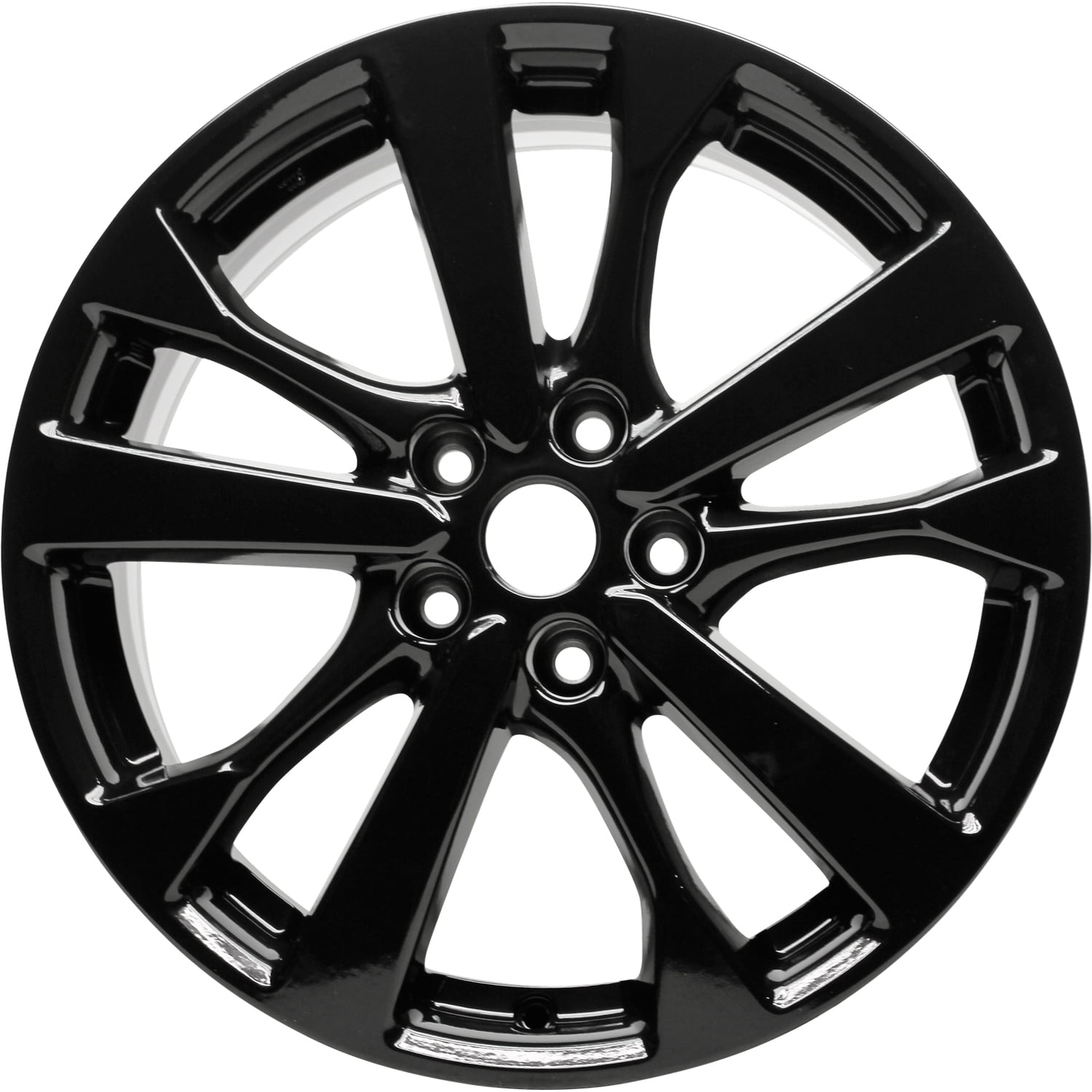
The 2016 Altima uses a 5x114.3mm (5x4.5") bolt pattern, which is one of the most common patterns in the automotive world, offering near-limitless wheel options.
Sizing and Offset
- Diameter: While 17-inch wheels are standard for comfort, 18 or 19-inch wheels are the "sweet spot" for a custom look. 20-inch wheels are possible but often require very thin tires, which can lead to a harsh ride and increased risk of rim damage.
- Width and Offset: A width of 8.0 to 8.5 inches with an offset between +35mm and +45mm generally provides a "flush" look with the fenders without requiring heavy modifications like rolling the fender lips.
- Center Bore: The Altima has a 66.1mm hub. If you buy wheels with a larger center bore, ensure you use hub-centric rings to prevent vibration at highway speeds.
Tire Selection
For a custom build, the tire sidewall matters. A 235/45R18 or 245/40R19 setup provides a beefy contact patch that fills the wheel well effectively. Brands like Michelin or Continental are preferred for daily driving, while Nitto or Toyo are popular for their aggressive sidewall designs in the enthusiast community.
Suspension and Handling
Lowering a 2016 Altima changes its silhouette and significantly reduces the "wheel gap."
Lowering Springs vs. Coilovers
- Lowering Springs: Brands like Eibach or H&R offer springs that drop the car about 1.2 to 1.5 inches. This is a cost-effective way to improve looks while maintaining a ride quality close to factory standards.
- Coilovers: For those who want adjustable height and damping (stiffness), coilovers from BC Racing or D2 Racing are the gold standard. They allow you to "slam" the car for shows or stiffen the suspension for better cornering.
- Strut Tower Braces: A simple bolt-on bar that connects the two front strut towers can reduce chassis flex during hard cornering, making the steering feel more precise.
Performance Modifications and the CVT Factor
Modifying the 2.5L or 3.5L engine requires an understanding of the Jatco CVT8 transmission. Excessive heat is the primary enemy of this transmission, so performance mods should be paired with cooling upgrades.
Engine Breathing
- Cold Air Intakes (CAI): Systems from Stillen or K&N replace the restrictive factory airbox. While horsepower gains are modest (typically 5–8 hp), the "induction noise" under acceleration is much more aggressive.
- Exhaust Systems: A "Cat-back" exhaust replaces the piping from the catalytic converter to the rear. For the 3.5L V6, this unlocks the famous "VQ growl." For the 2.5L, a milder "Axle-back" muffler delete or high-flow muffler is often preferred to avoid an overly "buzzy" four-cylinder drone.
The Essential CVT Cooler
If you plan on driving your custom Altima spiritedly, installing an aftermarket external CVT oil cooler is highly recommended. These kits bypass or supplement the factory heat exchanger, keeping the transmission fluid within its optimal temperature range and preventing the "limp mode" often associated with overheated Nissan CVTs.
Interior Tech and Comfort
By 2026, the factory infotainment in a 2016 Altima can feel antiquated. Interior customization focuses on bringing the cabin into the modern era.
Infotainment and Sound
- Head Unit Upgrade: Replacing the factory radio with a 9 or 10-inch "floating" touchscreen that supports wireless Apple CarPlay and Android Auto is the single best interior upgrade. Use a Crutchfield wiring harness to retain steering wheel controls.
- Speaker Upgrades: The factory paper-cone speakers can be replaced with component speakers in the front doors and coaxial speakers in the rear deck for significantly better clarity.
Aesthetics and Materials
- Custom Seat Covers: Brands like Katzkin offer full leather interior replacements, but high-quality custom-fit covers can provide a "diamond-stitch" or "two-tone" look for a fraction of the price.
- Carbon Fiber Overlays: Interior trim pieces (around the shifter and door handles) can be covered with real carbon fiber or high-quality vinyl wraps to hide scratches and add a premium feel.
Customization Cost and Difficulty Comparison
| Modification | Estimated Cost (2026) | Difficulty (1-5) | Primary Impact |
|---|---|---|---|
| LED Headlight Conversion | $150 – $400 | 2 | Visibility & Style |
| Aftermarket Wheels/Tires | $1,200 – $2,500 | 1 | Total Transformation |
| Lowering Springs | $300 – $500 | 4 | Stance & Handling |
| Cold Air Intake | $250 – $450 | 2 | Sound & Throttle |
| CarPlay/Android Auto Head Unit | $400 – $800 | 3 | Modern Functionality |
| External CVT Cooler | $200 – $350 | 3 | Reliability |
Maintenance: The Prerequisite to Customization
A custom car is only as good as its mechanical health. Before investing thousands in wheels or paint, ensure the 2016 Altima's maintenance is up to date.
- CVT Fluid Exchange: If the fluid hasn't been changed in the last 30,000 miles, use Nissan NS-3 compatible fluid to ensure the transmission can handle the added stress of larger wheels or performance driving.
- Suspension Bushings: At a decade old, the rubber bushings in the control arms often crack. Upgrading to polyurethane bushings during your suspension build will make the car feel brand new.
- Brake Inspection: If you increase the wheel size, the added rotational mass puts more strain on the brakes. Consider upgrading to "PowerStop" drilled and slotted rotors for better heat dissipation.
Frequently Asked Questions
What is the bolt pattern for a 2016 Nissan Altima?
The 2016 Nissan Altima uses a 5x114.3mm (also known as 5x4.5 inches) bolt pattern. This is a very common size, making it easy to find aftermarket wheels. The center bore is 66.1mm, and the factory studs are M12 x 1.25. Always ensure your new wheels have the correct load rating for a mid-sized sedan.
Can I put a turbo on my 2016 Altima?
While technically possible, turbocharging a 2016 Altima is strongly discouraged because of the CVT transmission. The Jatco CVT8 is not designed to handle the high torque spikes produced by a turbocharger and will likely fail prematurely. If you want more power, it is safer to focus on "bolt-ons" like intake and exhaust or to start with the 3.5L V6 model.
Will lowering my Altima ruin the ride quality?
Lowering your car will almost always result in a firmer ride. Lowering springs provide a modest drop with a ride that is slightly stiffer than stock. Coilovers offer more customization but can be very harsh if the damping is set too high. To maintain comfort, avoid "slamming" the car to the point where the suspension has no travel left.
What are the best first mods for a 2016 Altima?
For most owners, the best first modifications are LED interior/exterior lighting, a front lip spoiler, and a modern touchscreen head unit. These provide immediate visual and functional improvements without requiring heavy mechanical work or significantly affecting the vehicle's reliability.
How do I "de-chrome" my 2016 Altima?
The "Midnight Edition" look is very popular for the 2016 model. You can achieve this by using gloss black vinyl wrap or specialized automotive spray paint (like HyperDip) on the V-Motion grille, window trim, and trunk emblems. This creates a more cohesive, modern look by removing the aging chrome accents.
Final Recommendation
When customizing your 2016 Nissan Altima, prioritize reliability first. Begin by installing an external CVT cooler and ensuring your transmission fluid is fresh. Once the mechanical foundation is solid, move to "The Big Three" of customization: a set of 18 or 19-inch wheels, a modest suspension drop, and an updated infotainment system. This approach ensures your Altima doesn't just look better than it did in 2016, but also performs more reliably as it enters its second decade of service.