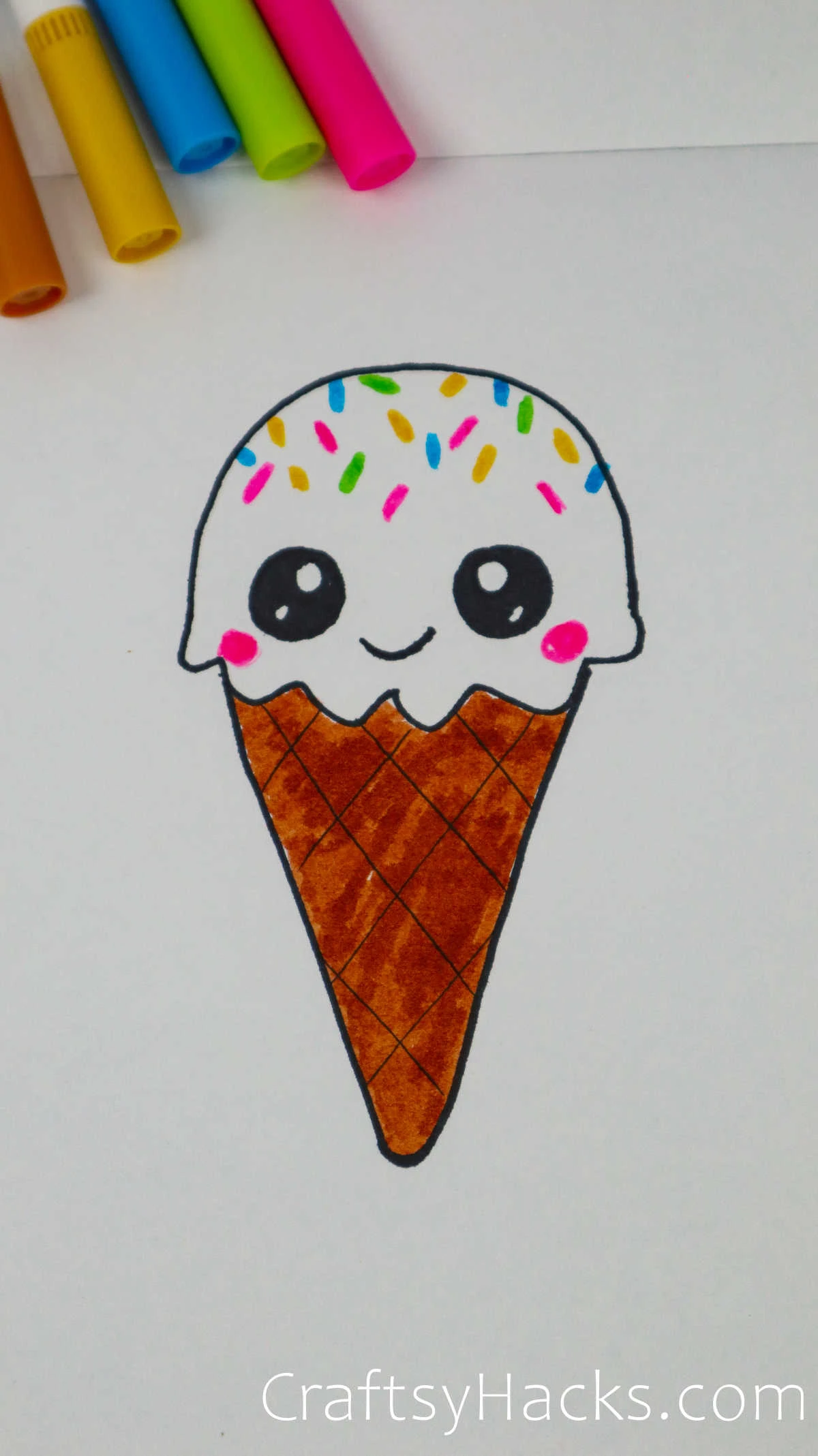
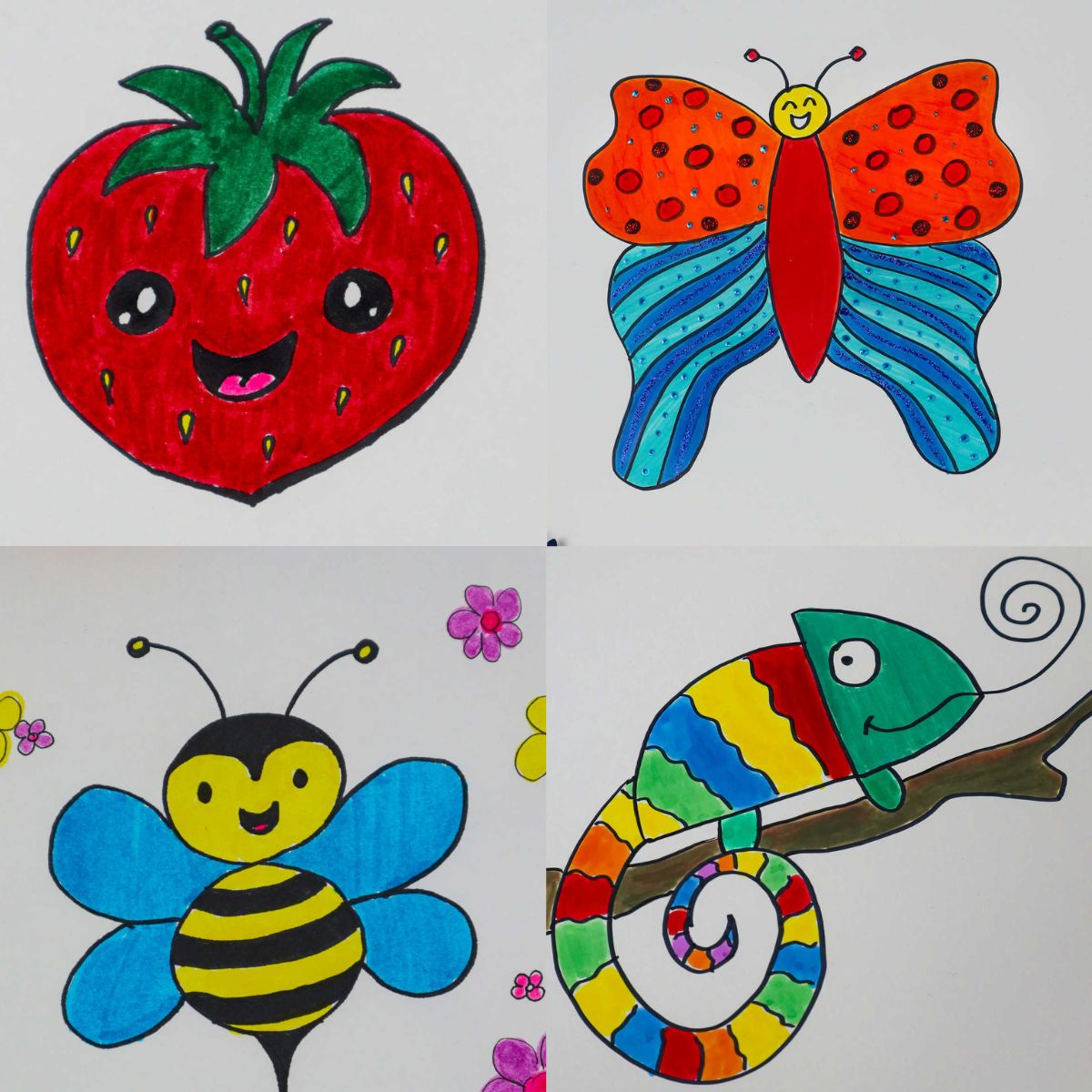
Engaging in creative play through drawing is a versatile way to foster joy, relaxation, and cognitive growth. By exploring themes like imaginary creatures, vibrant patterns, and optimistic landscapes, individuals of all ages can use art as a mindful exercise. These ten drawing concepts serve as a starting point for artistic exploration, encouraging experimentation with color, form, and imagination to boost mood and creative confidence.
The Role of Creative Drawing in Wellness
Drawing is more than a technical skill; it is a fundamental human practice that facilitates emotional regulation and sensory engagement. When we approach the page without the pressure of perfectionism, we enter a state of "flow"—a psychological concept where the individual becomes fully immersed in an activity. In 2026, many educators and wellness practitioners emphasize the value of "process-oriented art," where the goal is the act of creation rather than the aesthetic finality of the product.
Creative play acts as a buffer against the stressors of daily life. By setting aside dedicated time for drawing, you create a private sanctuary that requires only basic materials like pencils, markers, or charcoal. The following ideas are designed to be accessible, requiring minimal preparation while maximizing the potential for personal expression and happiness.
1. Designing Imaginary Creatures
One of the most liberating drawing activities is the creation of "mythical friends." Rather than drawing from reality, challenge yourself to combine features from different animals. Perhaps a cat with butterfly wings, or a bird with elephant ears. This exercise forces the brain to move away from rigid observation and into the realm of pure invention. Using bright, non-naturalistic colors—like a neon-blue giraffe—further emphasizes the "play" element of this project.
2. Crafting Joyful Mandalas
Mandalas are geometric patterns that radiate from a center point, symbolizing balance and unity. Creating a mandala is an inherently repetitive and meditative process. Start by drawing a small circle in the middle of your paper and building outward with symmetrical patterns. You do not need to be a mathematician to achieve this; let your hand follow the rhythm of shapes like petals, waves, or zig-zags. The predictability of the pattern can help ground the mind, making it an excellent exercise for those seeking to quiet anxious thoughts.
3. Illustrating Your Favorite "Happy Place"
Visualization is a powerful tool for mood enhancement. Take a moment to think of a place that makes you feel content—it could be a cozy library corner, a sunny beach, or a forest path. Focus on the sensory details: the way the light filters through the trees, the textures of the cushions, or the expanse of the sky. By translating these memories onto paper, you reinforce the positive associations linked to those environments.
4. The "Gratitude Doodles" Challenge
Rather than writing a list, try drawing your gratitude. If you are thankful for a cup of coffee, draw the mug with steam swirling into the shape of hearts. If you are grateful for the weather, draw stylized sunbeams or raindrops. This exercise shifts the focus toward identifying the small, positive elements of your day. Over time, this practice trains the brain to scan the environment for "drawable" moments of joy, creating a habit of mindfulness.
5. Abstract Emotion Mapping
Sometimes, it is difficult to express feelings with words. Abstract drawing allows you to translate complex emotions into lines, colors, and shapes. Use jagged, dark lines for frustration or soft, flowing, warm-colored shapes for comfort. This is not about making something recognizable; it is about "venting" on paper. By externalizing these internal states, you often find that the intensity of the feeling dissipates, leaving behind a sense of clarity.
6. Drawing "Future Me" in a Dream Scenario
Visualization of future goals—not just professional ones, but lifestyle ones—can be a source of motivation. Draw yourself in a scenario where you are accomplishing something that brings you joy, whether that is gardening, traveling, or learning a new craft. By illustrating the environment and the emotions associated with that future version of yourself, you create a visual anchor for your aspirations.
7. Character-Driven Storytelling (Comic Strips)
Even a simple three-panel comic strip can spark immense joy. Create a recurring character—perhaps a clumsy potato or a cheerful cloud—and place them in a humorous situation. The constraints of a small comic strip force you to simplify your drawings, which takes the pressure off "getting it right." Focus on the narrative interaction between panels. Watching a character navigate a lighthearted problem provides a sense of agency and humor.
8. Zentangle and Pattern Exploration
The "Zentangle" method involves filling a space with structured patterns. Unlike mandalas, which focus on symmetry, these patterns are often organic and modular. You can fill the silhouette of a common object, like a leaf or a hand, with intricate patterns. Because there is no "correct" way to fill the space, this activity is particularly effective for people who find free-form drawing intimidating. It provides a clear path forward—just one stroke at a time.
9. Nature-Inspired Whimsy
Taking inspiration from the natural world is a classic artistic approach, but you can twist it by adding elements of fantasy. Draw a tree, but replace the leaves with floating lanterns or candy. Draw a garden where the flowers have faces, all wearing different expressions. By blurring the line between biology and fantasy, you keep the drawing session lighthearted and open-ended.
10. Collaborative Drawing
If you have someone to draw with, a "pass-the-page" game can be incredibly fun. Start by drawing a head, then fold the paper over so only the neck is visible, and pass it to your partner to draw the torso. Continue until the bottom is reached. When you unfold the paper, you are left with a bizarre, unique, and often hilarious creature that neither of you designed alone. This minimizes the fear of individual failure and maximizes the joy of communal creativity.
Practical Tips for Sustaining Creative Play
To ensure your drawing practice remains a source of joy rather than a chore, consider these organizational and behavioral adjustments.
- Establish a "Low-Stakes" Environment: Keep your materials accessible but simple. You do not need professional-grade canvas or expensive pens. A simple sketchbook and a set of colored pencils or fine-liner pens are sufficient to begin.
- Time-Boxing: Limit your drawing sessions to 15 or 20 minutes. This prevents fatigue and keeps the activity feeling like a refreshing break rather than an obligation.
- Curating the Atmosphere: Pair your drawing time with sensory triggers like soft music, ambient soundscapes, or a favorite beverage. This helps your brain associate the act of drawing with a specific state of relaxation.
Comparison of Creative Drawing Techniques
The table below outlines various styles of creative drawing to help you choose a method based on your current goal or mood.
| Technique | Primary Goal | Skill Level Required | Material Needs |
|---|---|---|---|
| Mandalas | Meditation & Focus | Beginner | Paper, Pen, Compass |
| Comic Strips | Humor & Narrative | Intermediate | Paper, Pencil, Eraser |
| Emotion Mapping | Stress Release | All Levels | Paper, Crayons/Paint |
| Zentangle | Mindful Repetition | Beginner | Paper, Fine-liners |
| Collaborative | Social Connection | All Levels | Shared Paper, Pens |
Common Challenges and How to Resolve Them
Many people stop drawing because they feel they lack "talent." It is vital to distinguish between technical realism and creative expression. If you find yourself stuck, remember that you are not creating for an audience; you are creating for the purpose of the experience.
- The "Blank Page" Syndrome: If you feel paralyzed by the empty page, draw a single, non-descript dot. Treat that dot as the start of a shape or an eye. Sometimes, the smallest mark is all you need to break the tension.
- The Comparison Trap: In 2026, social media platforms are saturated with high-fidelity digital art. Avoid comparing your sketchbook to these curated outputs. The goal of creative play is personal benefit, not performance for an online audience.
- Material Frustration: If you find a specific medium (like charcoal) too messy, do not hesitate to switch to something more controlled, like ink or colored pencils. The medium should serve your creativity, not hinder it.
Exploring Deeper Artistic Engagement
Once you become comfortable with these ten ideas, you may find that your confidence grows, leading you to experiment further. Some artists choose to study the basics of color theory to improve the harmony of their drawings, while others focus on composition rules like the "rule of thirds." However, always ensure that these technical studies remain secondary to the joy of the creative process.
If you are interested in continuing this practice, consider creating a "visual diary." Instead of writing entries, draw one small image that summarizes your day. Over months or years, these sketches form a narrative map of your experiences. This practice preserves memories in a way that words often cannot, serving as a powerful archive of your personal evolution.
Frequently Asked Questions
What if I do not have artistic talent? Talent is irrelevant when the goal is creative play. Focus on the physical sensation of the pen moving across the page and the satisfaction of filling a blank space. The therapeutic value is found in the action, not the aesthetic quality of the result.
How do I find time for drawing in a busy schedule? Integrate drawing into your existing routine. Use the time you would otherwise spend on phone scrolling or during a commute (if not driving) to make small sketches. Even five minutes of intentional, creative focus is superior to not drawing at all.
Are there specific materials recommended for beginners? Start with a high-quality sketchbook (acid-free paper) and a set of pens that do not bleed through the pages. You do not need expensive kits; having materials that you aren't afraid to "waste" is actually more conducive to experimentation.
Can drawing actually help with stress? Yes. Studies in psychology indicate that rhythmic, repetitive manual tasks, such as drawing patterns, can lower cortisol levels. By moving the focus from external stressors to the immediate, controlled environment of the paper, you allow your nervous system to reset.
What is the best way to preserve my drawings? If you choose to keep a sketchbook, use a pencil to label the back or corner of each drawing with the date. Keeping your work in a bound book rather than on loose paper helps to track your progress and serves as a cumulative record of your creative journey.
Next Steps for Your Creative Practice
Start today by selecting one idea from the list above. Gather a simple pencil and a piece of paper. Set a timer for 15 minutes, put on your favorite music, and allow your hand to move without judgment. By removing the barrier of "performance," you invite the joy of play back into your daily routine. Continue this practice for one week, and observe how your mood and focus shift. Once you have completed your first session, try another idea tomorrow—each day is a new opportunity to explore a different facet of your creative imagination.